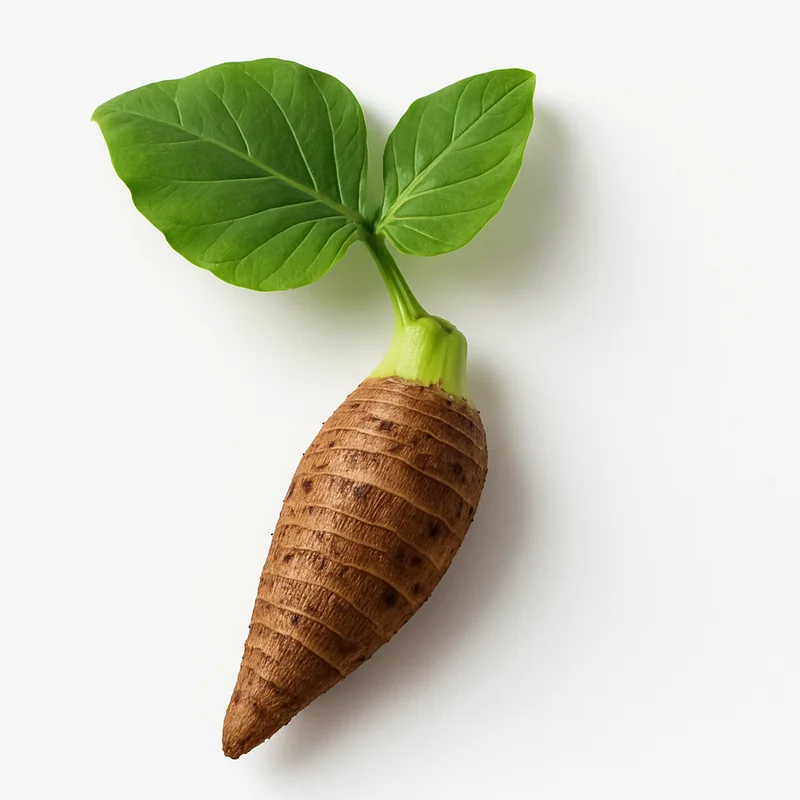
Yautia (Tannier)
ScoreB
Yautia (tannier) is a starchy root vegetable rich in potassium and resistant starch, offering moderate carbohydrate nutrition with notable mineral content for cardiovascular and metabolic health.
Why Yautia (Tannier) scores 65
% Daily Value per ½ cup (85 g)
Nutrition
per 100 g
Health benefits
Blood pressure regulation and cardiovascular support
strong evidenceHigh potassium content (598mg per 100g) works synergistically with low sodium to promote vasodilation and reduce arterial stiffness, while magnesium supports healthy endothelial function
Improved insulin sensitivity and glycemic control
moderate evidenceResistant starch formed during cooking and cooling ferments in the colon, producing short-chain fatty acids (particularly butyrate) that enhance insulin sensitivity and reduce postprandial glucose spikes
Gut microbiome diversity and prebiotic support
moderate evidenceResistant starch acts as a prebiotic substrate, selectively feeding beneficial bacteria and increasing fecal short-chain fatty acid production
Iron absorption and oxygen transport support
moderate evidenceContains 0.98mg iron per 100g; vitamin C content (5.2mg) and organic acids enhance non-heme iron bioavailability
Niacin-dependent NAD+ metabolism and mitochondrial energy production
emerging evidenceProvides 0.667mg niacin (5% DV), supporting NAD+ synthesis critical for cellular respiration and sirtuin activation in aging pathways
Pairs well with
- ·Pair with citrus (lemon, lime) because vitamin C enhances non-heme iron absorption from yautia's iron content
- ·Combine with olive oil or avocado because fat-soluble nutrients benefit from lipid solubilization and resistant starch formation increases with fat presence
- ·Serve alongside leafy greens (spinach, kale) because complementary minerals (magnesium, calcium) create synergistic cardiovascular benefits
- ·Pair with fermented foods (sauerkraut, kimchi, yogurt) because probiotics colonize the prebiotic substrate created by yautia's resistant starch
Practical tips
- ·Best timing: midday
- ·Cool cooked yautia to room temperature or refrigerate for 12+ hours to maximize resistant starch formation, enhancing microbiome and glycemic benefits
- ·Boil or steam rather than fry; starchy root vegetables benefit from moist-heat cooking that preserves mineral bioavailability without oxidative damage
- ·Select firm tubers without soft spots or sprouting; store in cool, dark, well-ventilated conditions (not refrigerated) for up to 3 weeks
- ·Peel immediately before cooking to minimize oxidation and nutrient loss; use stainless steel or ceramic knives to avoid enzymatic browning
Related foods
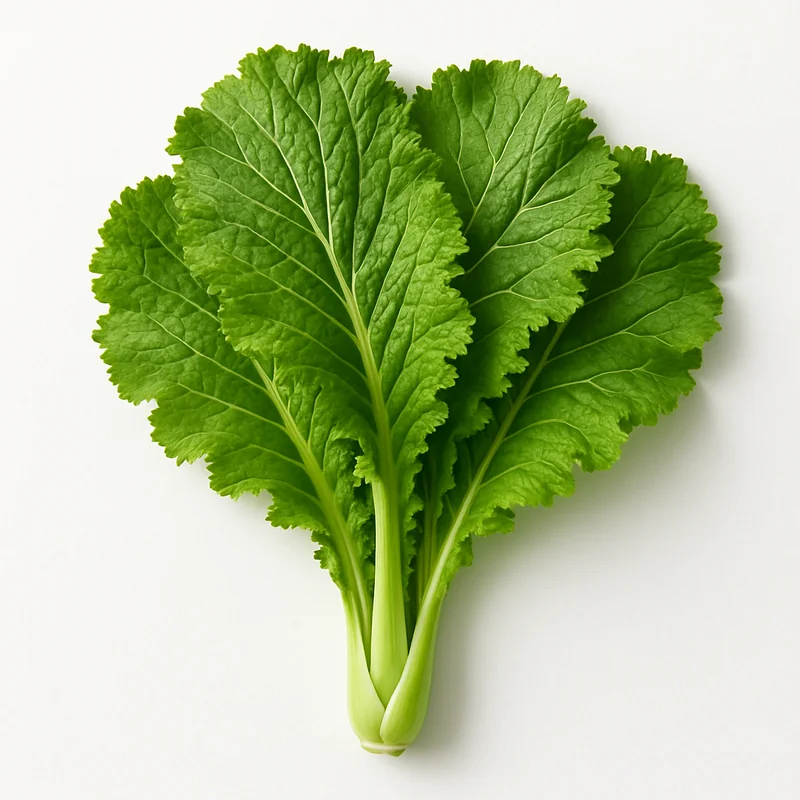
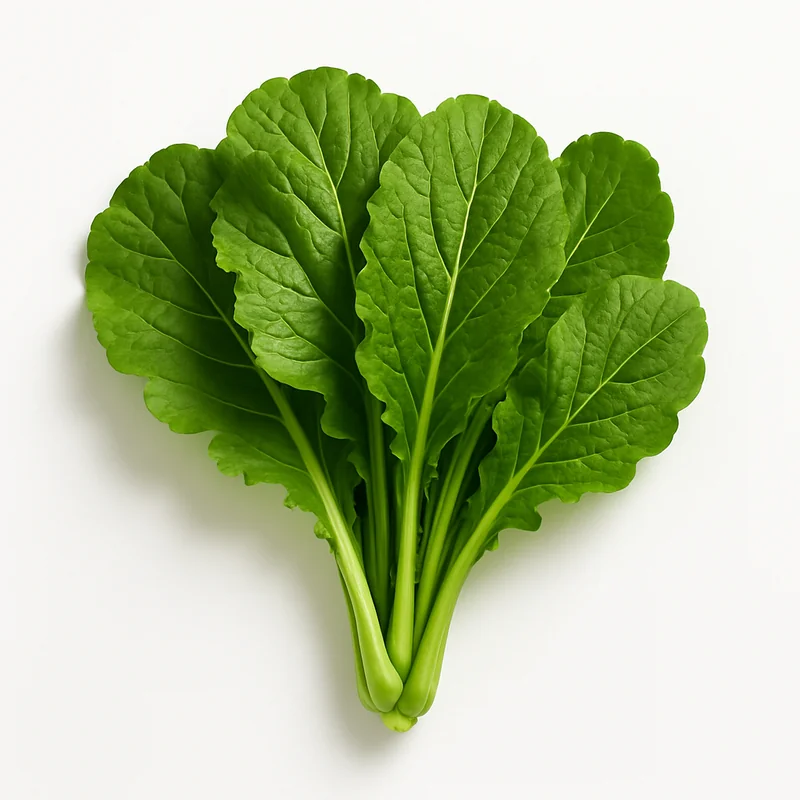
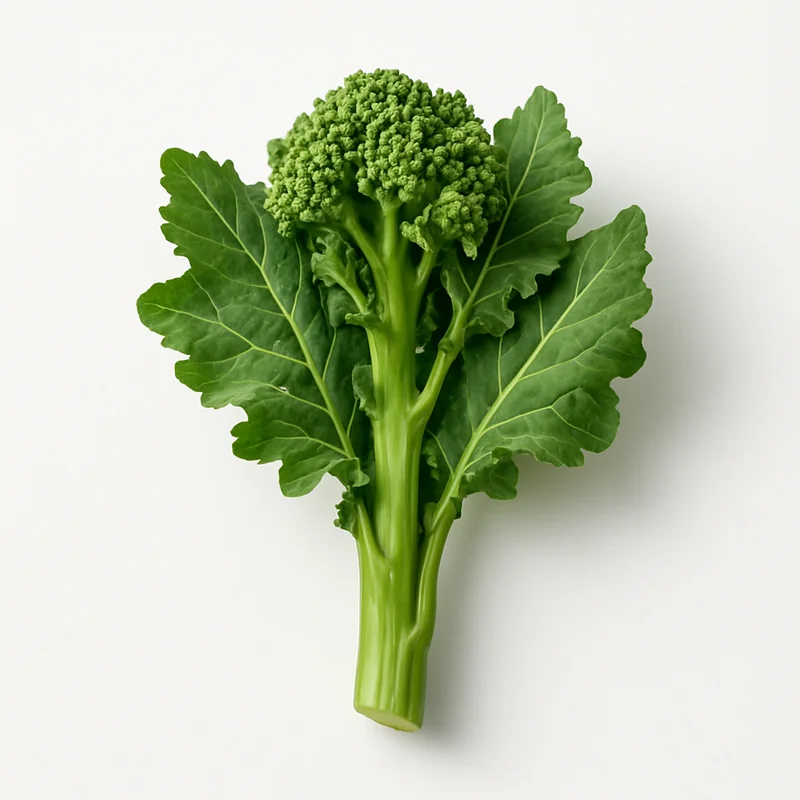
What is Yautia (Tannier) actually covering?
See which nutrients your diet already delivers and which ones your supplements still need to — food and pills measured on the same scale.
Check my nutrients2 questions · free · no account needed to start
Also on iPhone — get the free app
Evidence-based supplement guides, no spam
We send a short digest when new guides drop — nothing else. No affiliate pushes, no sponsored content, unsubscribe anytime.