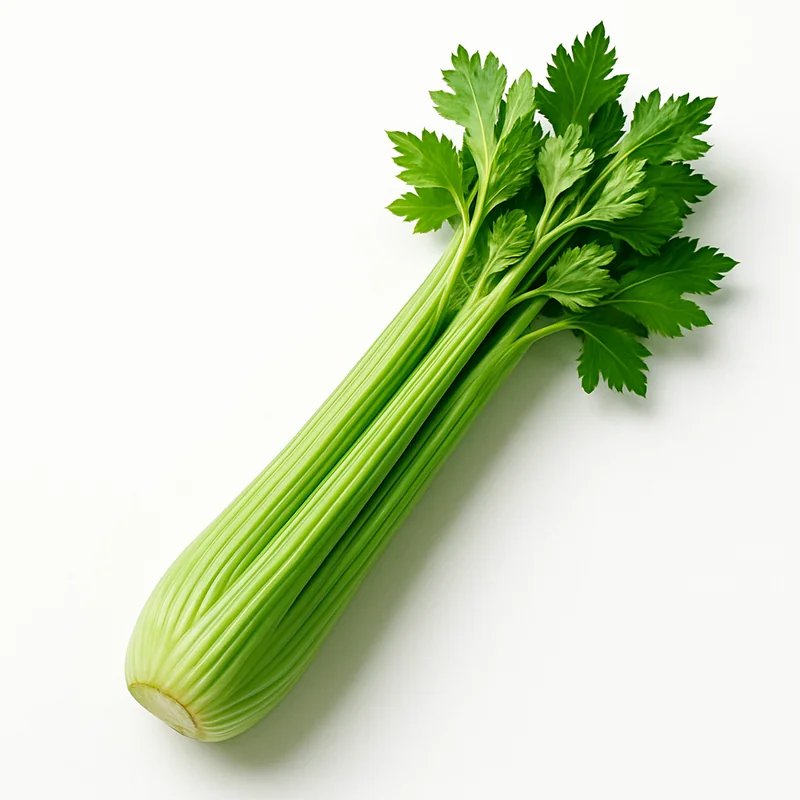
Celery
ScoreA
Celery is a low-calorie, water-rich vegetable rich in potassium and bioactive compounds that support cardiovascular and metabolic health. Its high water content and mineral profile make it valuable for hydration and electrolyte balance.
Why Celery scores 85
% Daily Value per ½ cup (85 g)
Nutrition
per 100 g
Health benefits
Blood pressure regulation and cardiovascular protection
moderate evidenceHigh potassium content (265 mg/100g) counterbalances sodium and reduces arterial stiffness; phthalides relax blood vessel walls and improve endothelial function
Anti-inflammatory and antioxidant support
moderate evidencePolyacetylenes and phthalides inhibit pro-inflammatory cytokines and reduce oxidative stress markers in vascular tissue
Urinary health and kidney stone prevention
emerging evidencePotassium promotes favorable urine pH and sodium-potassium balance, reducing crystal formation risk
Metabolic and weight management support
moderate evidenceHigh water content (95%) provides satiety with negligible calories; low glycemic load maintains stable blood glucose
Liver detoxification support
emerging evidenceCompounds including luteolin stimulate Phase I and Phase II detoxification enzyme systems
Pairs well with
- ·Pair with fatty fish (salmon, mackerel) because potassium enhances omega-3 efficacy in reducing inflammation and supporting endothelial function
- ·Combine with turmeric because curcumin and celery's phthalides have synergistic anti-inflammatory effects on vascular tissue
- ·Serve with hummus or tahini because healthy fats increase absorption of fat-soluble compounds and improve satiety
- ·Pair with beets because both are nitrate-rich and work synergistically to improve nitric oxide production and blood flow
- ·Combine with cruciferous vegetables (broccoli, kale) because DIM-containing compounds and glucosinolates support phase II detoxification pathways
Practical tips
- ·Best timing: Celery is exceptionally low in fermentable carbohydrates and can be consumed any time without digestive concerns. Morning or pre-meal consumption may enhance satiety; midday consumption supports hydration and electrolyte balance.
- ·Store celery upright in a glass of water in the refrigerator to maintain hydration and extend freshness up to 2 weeks
- ·Consume celery with its leaves, which contain 3x the calcium and significantly more micronutrients than stalks alone
- ·Eat celery raw or lightly steamed to preserve heat-sensitive phthalides; avoid prolonged cooking which degrades bioactive compounds
- ·Choose organic celery when possible, as conventional varieties may accumulate pesticide residues due to high water content
- ·Include celery seeds in meals (½-1 teaspoon daily) for concentrated bioactive compounds; they contain higher levels of phthalides than stalks
Related foods
What is Celery actually covering?
See which nutrients your diet already delivers and which ones your supplements still need to — food and pills measured on the same scale.
Check my nutrients2 questions · free · no account needed to start
Also on iPhone — get the free app
Evidence-based supplement guides, no spam
We send a short digest when new guides drop — nothing else. No affiliate pushes, no sponsored content, unsubscribe anytime.