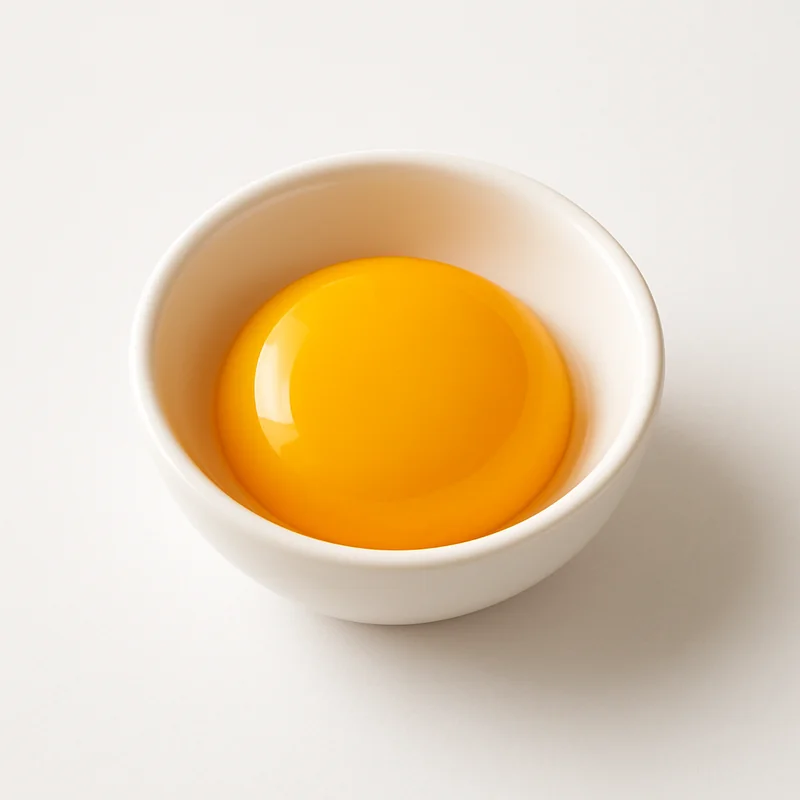
Egg Yolk
ScoreA
Egg yolk is the nutrient-dense yellow center of an egg, rich in choline, lutein, and high-quality protein, making it a cornerstone food for brain health and cellular longevity.
Why Egg Yolk scores 82
% Daily Value per 1 cup (100 g)
Nutrition
per 100 g
Health benefits
Supports cognitive function and reduces neurodegenerative risk
strong evidenceCholine and phosphatidylcholine in yolks are precursors for acetylcholine neurotransmitter synthesis and support myelin formation; lutein crosses the blood-brain barrier and protects neuronal tissue from oxidative stress
Protects eye health and prevents age-related macular degeneration
strong evidenceLutein and zeaxanthin accumulate in the macula and lens, absorbing blue light and providing antioxidant protection against photodamage
Supports bone health and calcium absorption
moderate evidenceVitamin D in yolks enhances intestinal calcium absorption and regulates mineral homeostasis; phosphorus supports bone mineralization
Enhances antioxidant and detoxification capacity
moderate evidenceSelenium in yolks is incorporated into glutathione peroxidase enzymes, critical for neutralizing reactive oxygen species and supporting Phase II detoxification pathways
Supports muscle maintenance and mitochondrial function
moderate evidenceHigh-quality protein supplies amino acids for muscle protein synthesis; selenium and iron support mitochondrial ATP production and oxygen transport
Pairs well with
- ·Pair with leafy greens (spinach, kale) because fat-soluble carotenoids in yolks enhance absorption of lutein and vitamin K from greens
- ·Combine with tomatoes or lycopene-rich foods because synergistic antioxidants provide complementary protection against oxidative stress and inflammation
- ·Eat with vitamin C sources (citrus, peppers) because ascorbic acid enhances non-heme iron absorption from yolk, improving bioavailability
- ·Pair with healthy fats (olive oil, avocado) because dietary fat increases absorption of fat-soluble vitamins A, D, E, and lutein from the yolk
Practical tips
- ·Best timing: morning
- ·Choose pasture-raised or omega-3 enriched eggs when available; these contain 2-3x higher lutein and meaningful levels of EPA/DHA compared to conventional eggs
- ·Consume yolks with minimal heat or raw (from verified safe sources) to preserve heat-sensitive choline; soft-boiled or poached yolks retain more bioactive compounds than hard-boiled
- ·Store eggs at consistent cool temperature (32-40°F); properly stored eggs maintain nutrient integrity for 3-5 weeks
- ·Include the entire yolk rather than discarding portions; all nutrients are distributed throughout, including sulfur compounds in the yolk membrane
Related foods
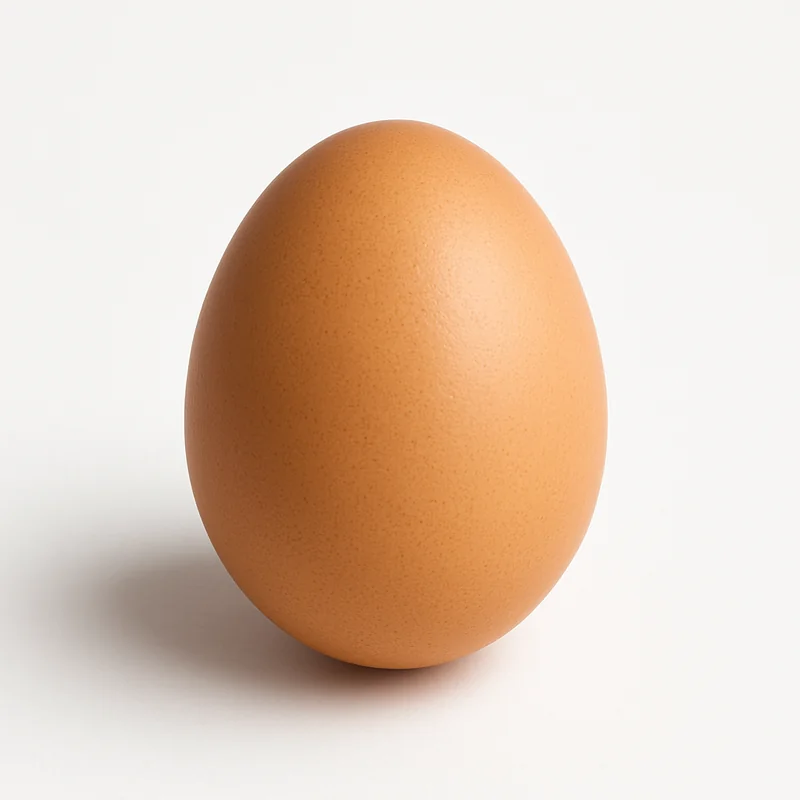
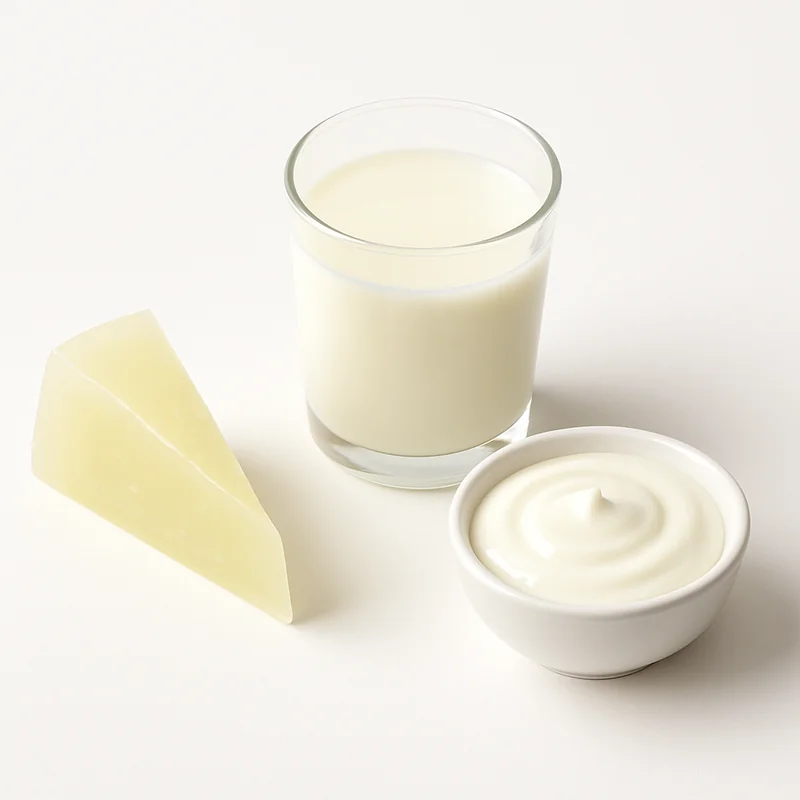

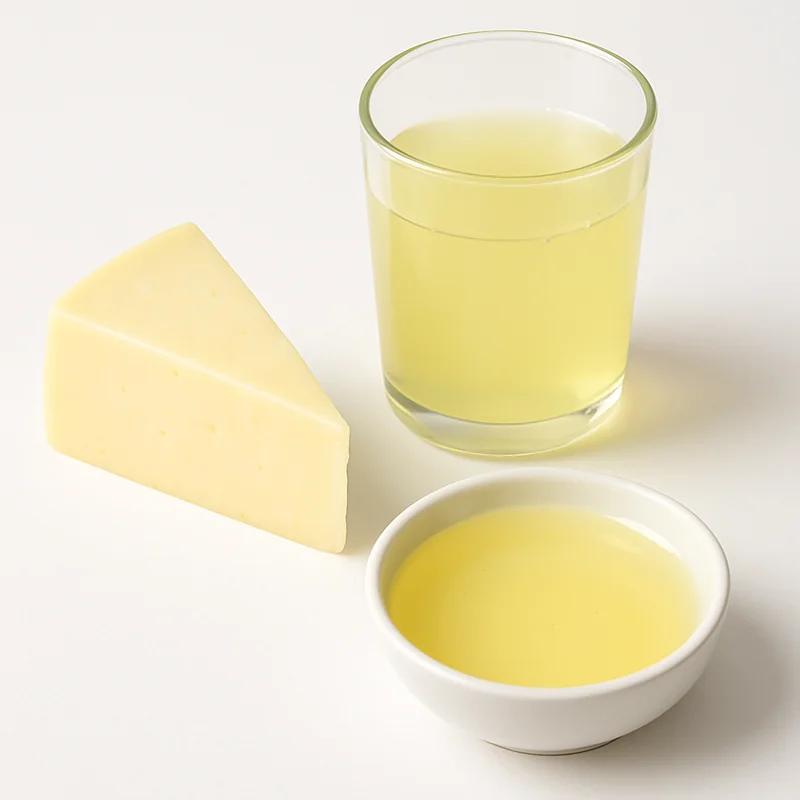

What is Egg Yolk actually covering?
See which nutrients your diet already delivers and which ones your supplements still need to — food and pills measured on the same scale.
Check my nutrients2 questions · free · no account needed to start
Also on iPhone — get the free app
Evidence-based supplement guides, no spam
We send a short digest when new guides drop — nothing else. No affiliate pushes, no sponsored content, unsubscribe anytime.