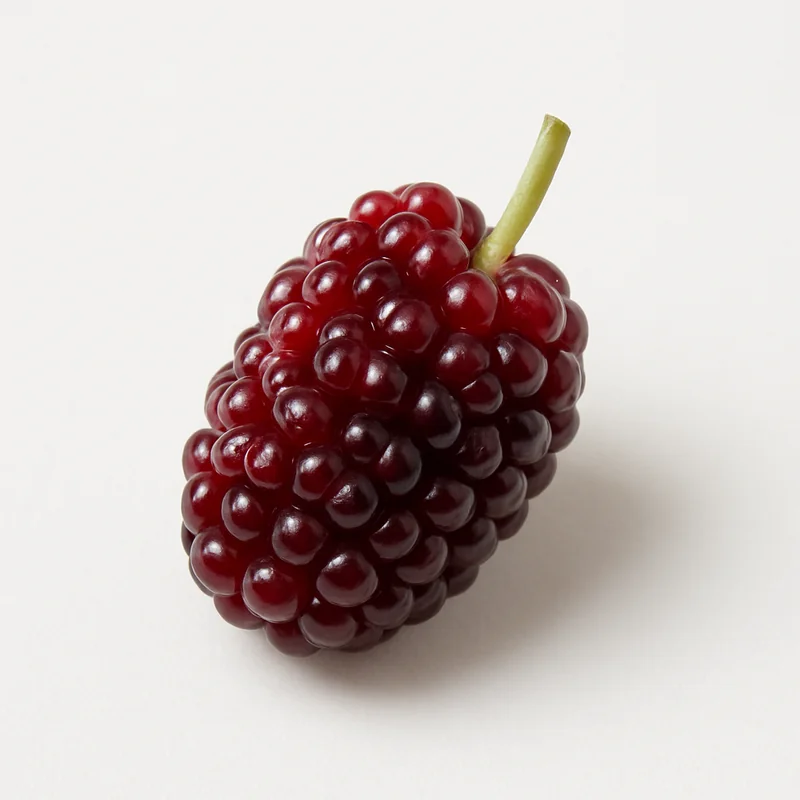
Mulberries
ScoreA+
Mulberries are nutrient-dense berries rich in vitamin C, iron, and polyphenolic antioxidants, offering low-calorie nutrition with meaningful micronutrient density for metabolic and cardiovascular health.
Why Mulberries scores 95
% Daily Value per 1 medium (140 g)
Nutrition
per 100 g
Health benefits
Enhanced iron absorption and anemia prevention
strong evidenceMulberries contain 1.85 mg iron per 100g plus 36.4 mg vitamin C, which significantly enhances non-heme iron bioavailability through ascorbic acid-mediated reduction and chelation
Improved endothelial function and blood pressure regulation
moderate evidenceAnthocyanins and resveratrol in mulberries activate nitric oxide pathways and improve vascular compliance, reducing arterial stiffness and supporting healthy blood pressure
Reduced oxidative stress and inflammation
moderate evidenceHigh polyphenol content (anthocyanins, chlorogenic acid) scavenges reactive oxygen species and suppresses NF-κB inflammatory signaling in vascular and metabolic tissues
Improved postprandial glucose control
moderate evidencePolyphenols and fiber in mulberries delay gastric emptying and inhibit glucose transporters, blunting postprandial blood glucose spikes
Support for cognitive resilience and neuroprotection
emerging evidenceAnthocyanins cross the blood-brain barrier and provide antioxidant and anti-inflammatory support to hippocampal and cortical neurons, protecting against age-related cognitive decline
Pairs well with
- ·Pair with plain yogurt or kefir because the vitamin C enhances iron absorption while probiotics support gut barrier integrity and polyphenol metabolism
- ·Combine with walnuts or ground flaxseed because the polyphenols enhance the absorption and stability of omega-3 fatty acids, amplifying anti-inflammatory effects
- ·Pair with dark leafy greens (spinach, kale) in smoothies because mulberry anthocyanins enhance bioavailability of folate and support iron absorption from the greens
- ·Mix with oats because the combined fiber creates sustained glycemic stability and the polyphenols enhance the prebiotic effect of oat beta-glucans
Practical tips
- ·Best timing: midday
- ·Select deeply pigmented, dark purple or black mulberries—darker color indicates higher anthocyanin and resveratrol concentration than lighter varieties
- ·Choose dried mulberries for shelf stability and convenience; 30g of dried mulberries (roughly 3 tablespoons) provides concentrated polyphenols equivalent to 150g fresh berries
- ·Consume fresh mulberries within 1-2 days of purchase or refrigerate at 0-4°C; freeze within 3 days by spreading on a tray before bagging to prevent clumping
- ·Add mulberries to smoothie bowls, overnight oats, or herbal teas post-preparation to minimize heat degradation of heat-sensitive anthocyanins
- ·If using dried mulberries, brief soaking in warm water (5-10 minutes) rehydrates them while preserving polyphenol content, making them easier to incorporate into meals
Related foods
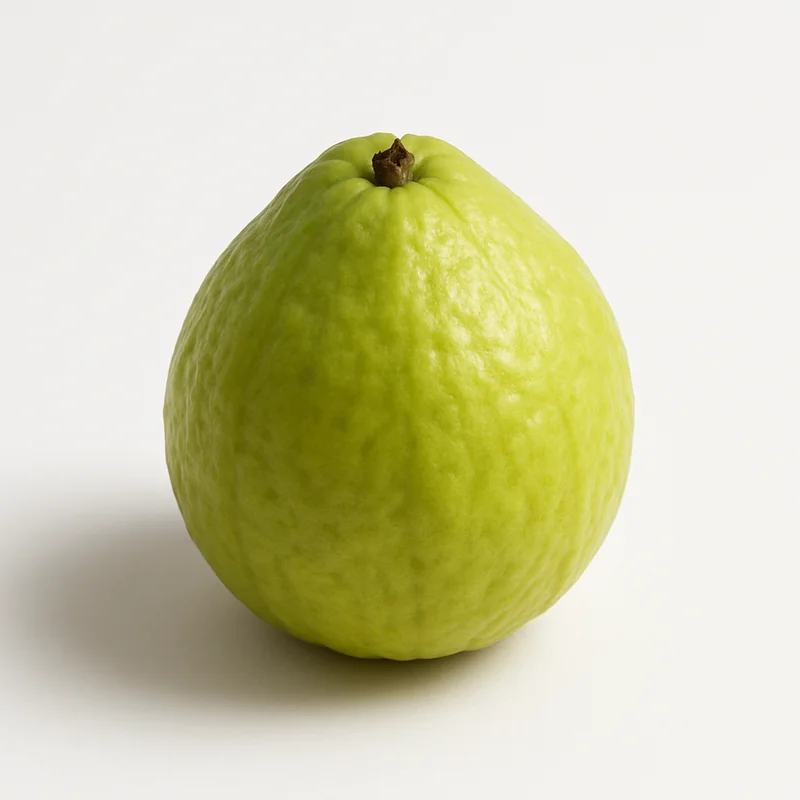
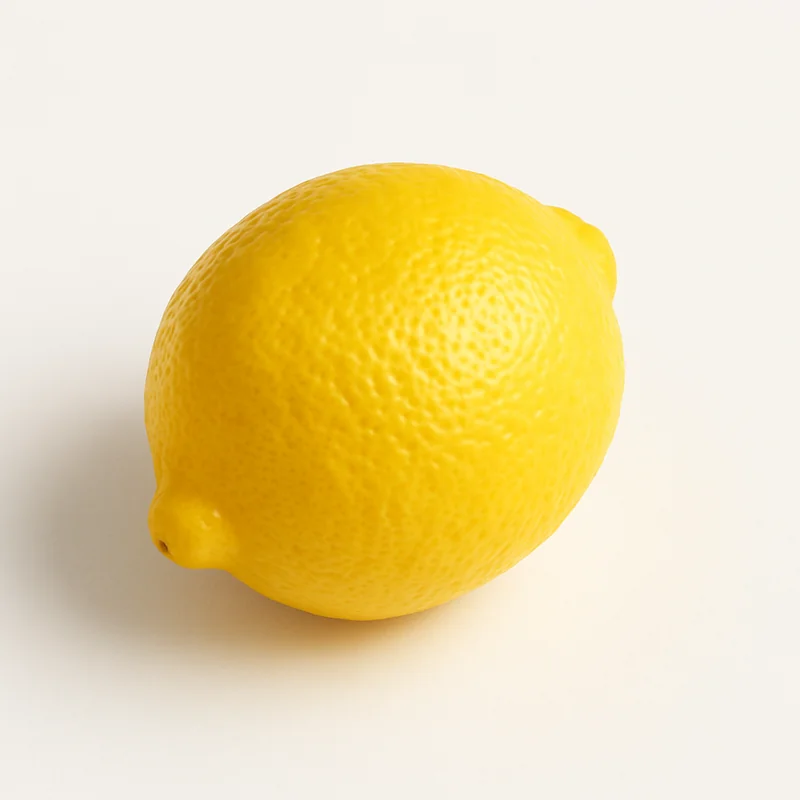
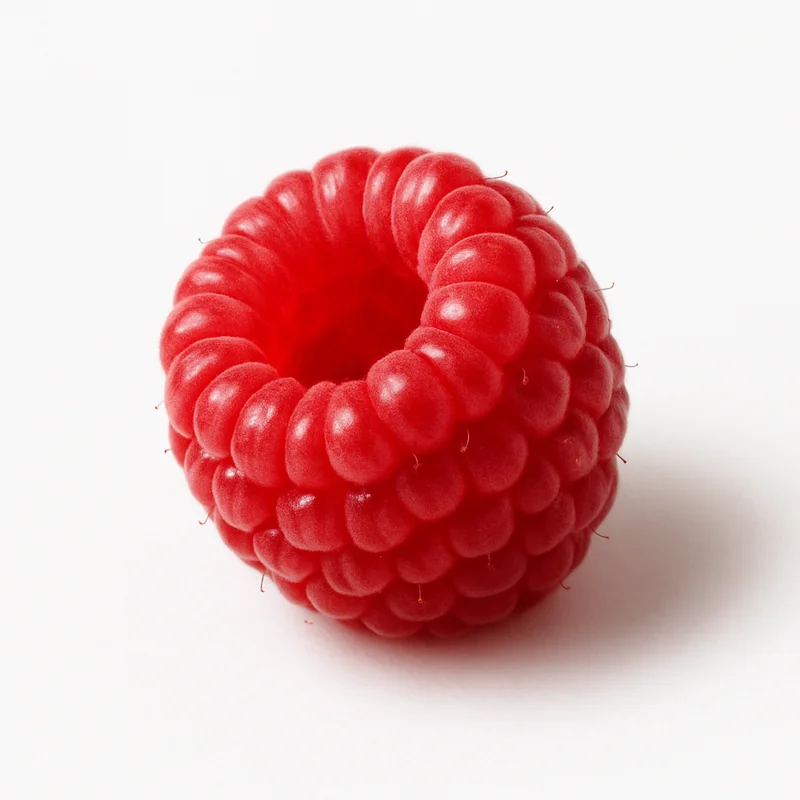
What is Mulberries actually covering?
See which nutrients your diet already delivers and which ones your supplements still need to — food and pills measured on the same scale.
Check my nutrients2 questions · free · no account needed to start
Also on iPhone — get the free app
Evidence-based supplement guides, no spam
We send a short digest when new guides drop — nothing else. No affiliate pushes, no sponsored content, unsubscribe anytime.