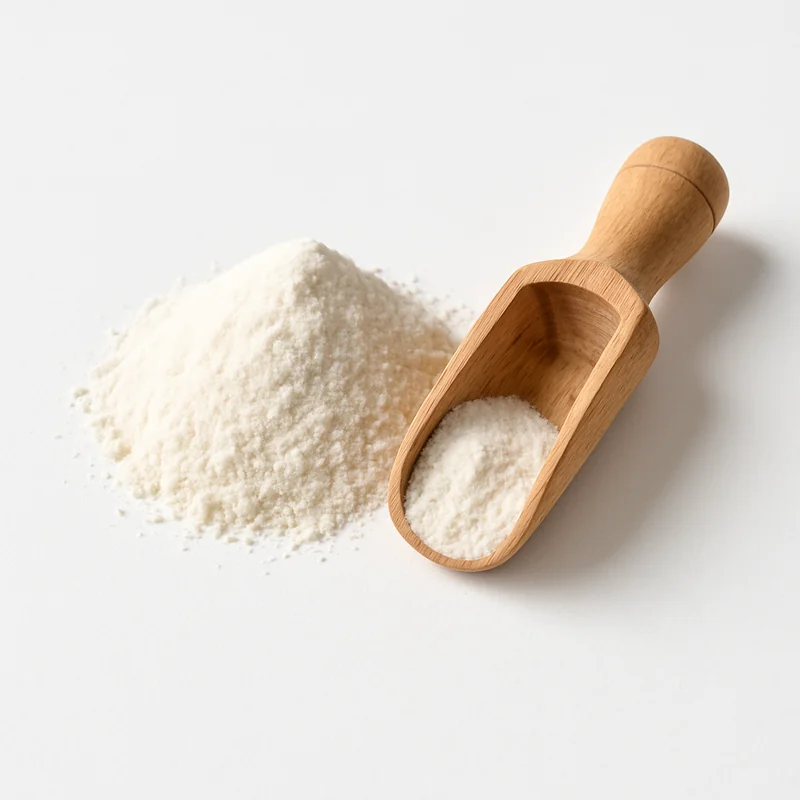
Rice Flour
ScoreB
Rice flour is a gluten-free grain powder made from milled white or brown rice, providing complex carbohydrates, B vitamins, and minerals with minimal allergenicity.
Why Rice Flour scores 63
% Daily Value per 1 oz (30 g)
Nutrition
per 100 g
Health benefits
Supports bone health and mineralization
strong evidenceManganese activates osteoblasts and is required for collagen synthesis in bone matrix; phosphorus and magnesium work synergistically for bone mineral density
Aids metabolic energy production and mitochondrial function
strong evidenceManganese is essential for mitochondrial function; niacin (B3) functions as NAD+/NADH cofactors critical for cellular respiration and ATP synthesis
May support cholesterol and lipid metabolism
moderate evidenceBrown rice flour contains γ-oryzanol, which modulates lipid absorption and HMG-CoA reductase activity
Provides bioavailable carbohydrates for stable blood glucose when portion-controlled
strong evidenceFiber content (4.6g/100g) slows gastric emptying and glucose absorption; low sodium and neutral composition prevent glycemic spikes
Supports antioxidant defense systems
strong evidenceManganese is a cofactor for superoxide dismutase (SOD), a primary cellular antioxidant enzyme protecting against oxidative stress
Pairs well with
- ·Pair with legumes (lentils, chickpeas) because together they form a complete protein profile with all essential amino acids, compensating for rice flour's modest protein content
- ·Combine with leafy greens (spinach, kale) because iron absorption from rice flour is enhanced by vitamin C in greens, improving bioavailability of the 1.98mg iron per 100g
- ·Mix with nut butters (almond, tahini) because fat-soluble mineral absorption (magnesium, phosphorus) is enhanced by dietary fat, and nuts add complementary minerals
- ·Pair with turmeric or ginger in baked goods or porridges because curcumin and gingerols act synergistically with manganese to enhance antioxidant and anti-inflammatory activity
Practical tips
- ·Best timing: midday
- ·Choose brown rice flour over white rice flour when possible to retain ~3-4x higher fiber content and γ-oryzanol phytonutrients for metabolic benefits
- ·Store rice flour in an airtight, moisture-sealed container in a cool, dark cupboard for up to 6 months; refrigeration extends shelf-life to 12 months by slowing lipid oxidation in the bran
- ·Use rice flour as a 1:1 gluten-free flour substitute in most recipes, but add 1-2 tablespoons of psyllium husk or xanthan gum per cup to improve binding and texture
- ·Toast rice flour lightly in a dry pan for 2-3 minutes before baking to enhance nutty flavor and increase bioavailability of minerals through Maillard reaction compounds
- ·Combine 1 part rice flour with 1 part almond or oat flour in baked goods to improve protein content and lower overall glycemic impact while maintaining texture
Related foods
What is Rice Flour actually covering?
See which nutrients your diet already delivers and which ones your supplements still need to — food and pills measured on the same scale.
Check my nutrients2 questions · free · no account needed to start
Also on iPhone — get the free app
Evidence-based supplement guides, no spam
We send a short digest when new guides drop — nothing else. No affiliate pushes, no sponsored content, unsubscribe anytime.