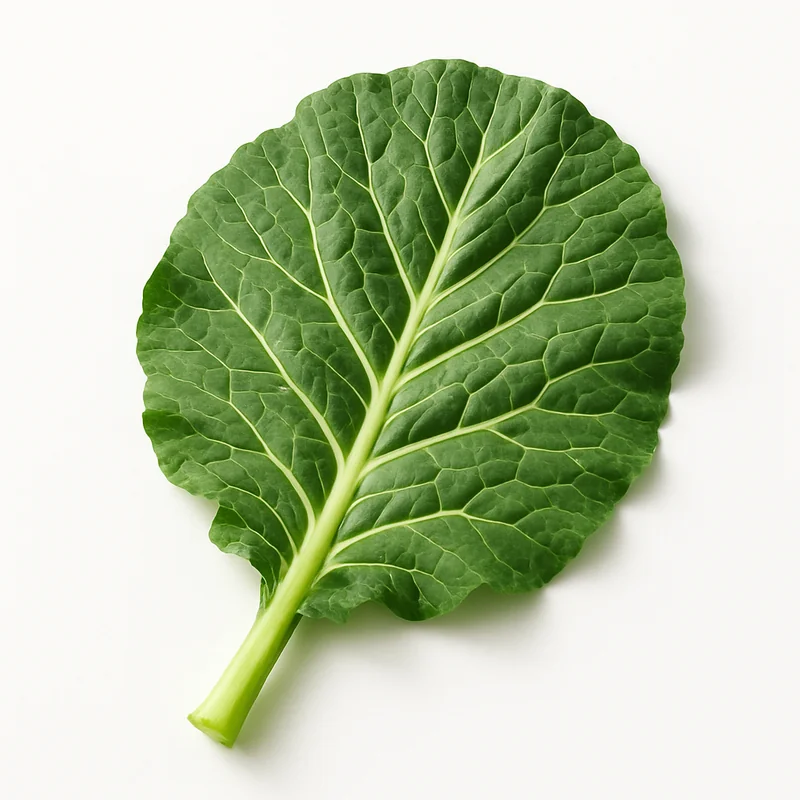
Collard
ScoreA+
Collard greens are a nutrient-dense cruciferous vegetable rich in calcium, vitamin K, and fiber, making them a cornerstone food for bone health and longevity.
Why Collard scores 96
% Daily Value per ½ cup (85 g)
Nutrition
per 100 g
Health benefits
Bone health and fracture risk reduction
strong evidenceHigh vitamin K content (estimated >500 mcg/100g) activates osteocalcin, a bone matrix protein essential for calcium binding and mineralization. Combined with 276mg dietary calcium per 100g, collards provide two critical bone-building nutrients in synergistic form.
Detoxification and cancer risk reduction
strong evidenceGlucosinolates in collards break down into isothiocyanates during chewing and digestion, which induce Phase II detoxification enzymes (GST, UGT) and upregulate NRF2 antioxidant pathways, protecting cells from DNA damage.
Anti-inflammatory and cardiovascular support
moderate evidenceKaempferol, quercetin, and other flavonoids inhibit NF-κB signaling and reduce pro-inflammatory cytokines. High potassium (410mg/100g) and fiber support healthy blood pressure and endothelial function.
Gut microbiota diversity and metabolic health
moderate evidenceInsoluble fiber (3.82g/100g) serves as prebiotic substrate for beneficial bacteria, increasing butyrate-producing species and improving intestinal barrier integrity, linked to reduced systemic inflammation.
Cognitive preservation and neuroprotection
emerging evidenceKaempferol crosses the blood-brain barrier and reduces tau and amyloid aggregation in neuronal models. High folate content (estimated 130+ mcg/100g) supports one-carbon metabolism critical for myelin integrity.
Pairs well with
- ·Pair with olive oil because fat-soluble vitamins K and carotenoids require lipid emulsification for optimal intestinal absorption and transport.
- ·Combine with garlic or onions because allicin and quercetin work synergistically to enhance isothiocyanate bioavailability and reduce sulfur compound metabolism.
- ·Pair with legumes (lentils, black beans) because collards' iron pairs with legume polyphenols that enhance iron absorption when acidic foods are absent, and together provide complete amino acid profiles.
- ·Combine with citrus or vinegar because vitamin C and acidity enhance non-heme iron bioavailability by reducing ferric to ferrous iron in the acidic gastric environment.
Practical tips
- ·Best timing: Collards contain no stimulants and their high fiber and nutrient density support metabolic health at any time. Morning consumption promotes satiety and stable glucose; evening consumption supports gut microbiota overnight fermentation of insoluble fiber.
- ·Store unwashed collards in a sealed plastic bag in the crisper drawer for up to 5 days; moisture retention preserves glucosinolate content and reduces browning.
- ·Massage or lightly cook collards for 2-3 minutes rather than extended cooking (>15 min) to maximize glucosinolate retention while reducing anti-nutrient compounds like oxalates that can inhibit calcium absorption.
- ·Remove thick center ribs before cooking to reduce fibrous texture and improve digestibility, especially if consuming raw; the ribs can be composted or blended into smoothies.
- ·Consume collards 2-3 times weekly as a staple rather than occasional; consistent consumption allows gut microbiota to adapt and maximize prebiotic fiber benefits.
- ·Pair each serving with a fat source (olive oil, nuts, seeds) to ensure absorption of fat-soluble vitamins K, A, and E, which are critical for the documented health benefits.
Related foods
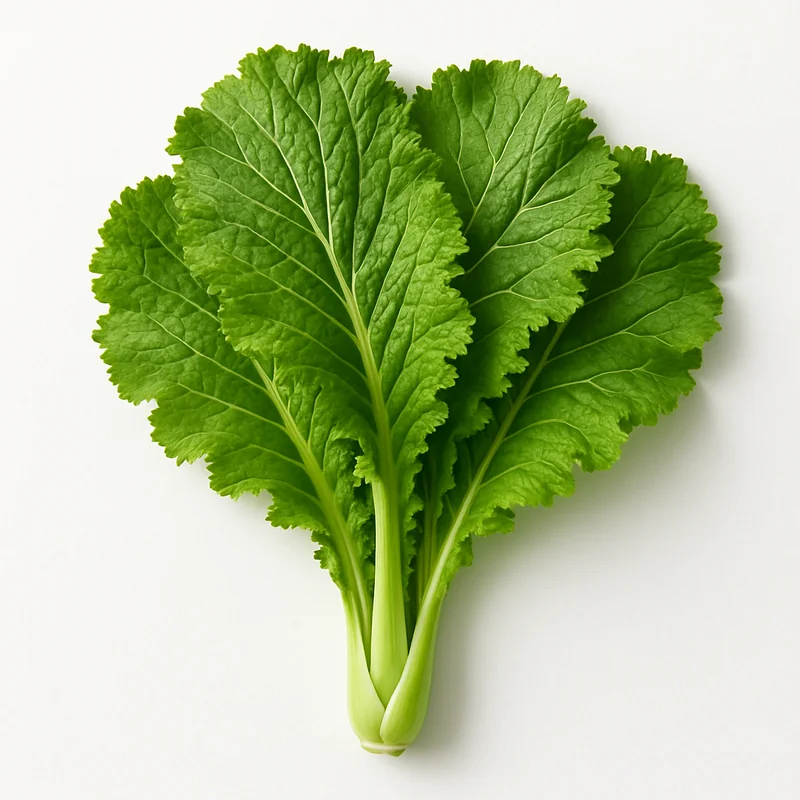
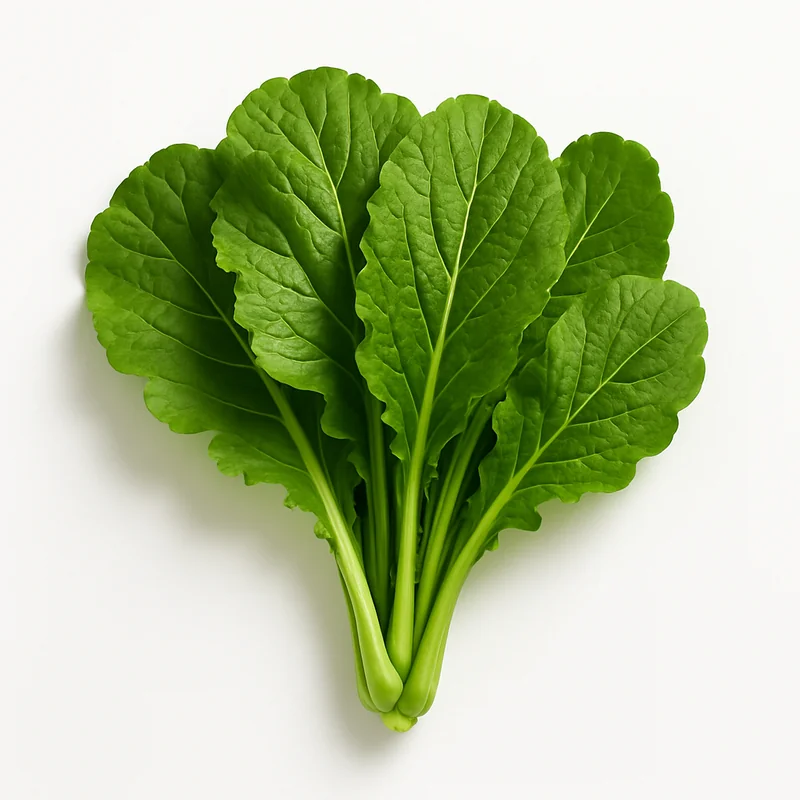
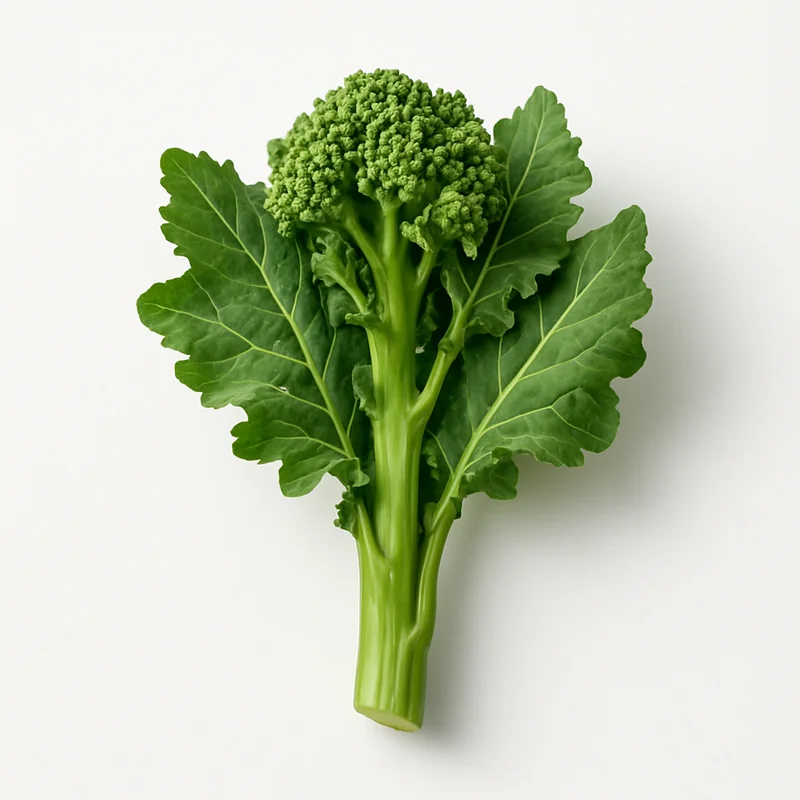
What is Collard actually covering?
See which nutrients your diet already delivers and which ones your supplements still need to — food and pills measured on the same scale.
Check my nutrients2 questions · free · no account needed to start
Also on iPhone — get the free app
Evidence-based supplement guides, no spam
We send a short digest when new guides drop — nothing else. No affiliate pushes, no sponsored content, unsubscribe anytime.