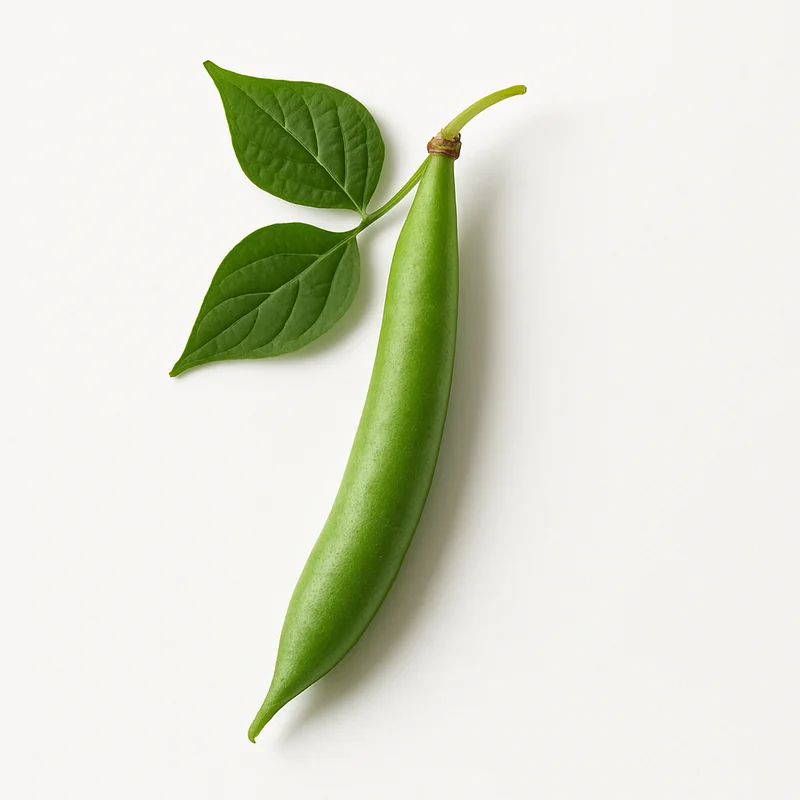
Beans
ScoreA
Beans are legume seeds rich in plant-based protein, fiber, and polyphenols that support metabolic health and longevity. They are a foundational food in the world's longest-lived populations (Blue Zones).
Why Beans scores 77
% Daily Value per ½ cup (90 g)
Nutrition
per 100 g
Health benefits
Improved glycemic control and reduced type 2 diabetes risk
strong evidenceHigh soluble fiber and resistant starch slow glucose absorption, reducing postprandial blood sugar spikes and improving insulin sensitivity over time
Enhanced cardiovascular health and reduced hypertension
strong evidencePotassium, magnesium, and polyphenols work synergistically to improve endothelial function, reduce arterial stiffness, and lower blood pressure
Increased satiety and improved weight management
moderate evidenceHigh protein and fiber content slows gastric emptying, prolonging satiety signals and reducing overall caloric intake when eaten as part of meals
Enhanced gut microbiota diversity and short-chain fatty acid production
strong evidenceResistant starch and fiber serve as prebiotics, selectively feeding beneficial bacteria like Faecalibacterium prausnitzii, which produce butyrate for intestinal and systemic health
Reduced systemic inflammation and improved antioxidant status
moderate evidencePolyphenols (kaempferol, quercetin) inhibit pro-inflammatory cytokines and oxidative stress pathways implicated in aging and chronic disease
Pairs well with
- ·Pair with tomatoes because lycopene absorption increases with the heat and fat used in cooking beans together, enhancing cardiovascular benefits
- ·Combine with whole grains (rice, quinoa) because this creates a complete amino acid profile with all nine essential amino acids, optimizing plant-based protein quality
- ·Eat with leafy greens (spinach, kale) because vitamin C in greens enhances iron bioavailability from beans, addressing the lower bioavailability of non-heme iron
- ·Pair with olive oil because monounsaturated fats enhance absorption of fat-soluble polyphenols and improve satiety signaling
Practical tips
- ·Best timing: midday
- ·Soak dried beans 8-12 hours before cooking and discard the soaking water to reduce oligosaccharides (raffinose family) that cause digestive distress; canned beans offer convenience with minimal nutritional loss
- ·Cook beans until fully tender (not mushy) to minimize antinutrient lectins while preserving fiber and polyphenols; pressure cooking reduces cooking time by 70% while maintaining nutrient density
- ·Consume beans regularly (3-4 servings weekly) rather than sporadically, as consistent consumption allows gut microbiota to adapt, reducing bloating over 2-3 weeks
- ·Store cooked beans in airtight containers refrigerated for up to 5 days, or freeze for up to 3 months to enable batch cooking and convenient meal preparation
- ·Sprout dried beans for 2-3 days before cooking to increase enzyme activity, reduce phytic acid by 20-30%, and enhance bioavailability of minerals
Related foods
What is Beans actually covering?
See which nutrients your diet already delivers and which ones your supplements still need to — food and pills measured on the same scale.
Check my nutrients2 questions · free · no account needed to start
Also on iPhone — get the free app
Evidence-based supplement guides, no spam
We send a short digest when new guides drop — nothing else. No affiliate pushes, no sponsored content, unsubscribe anytime.