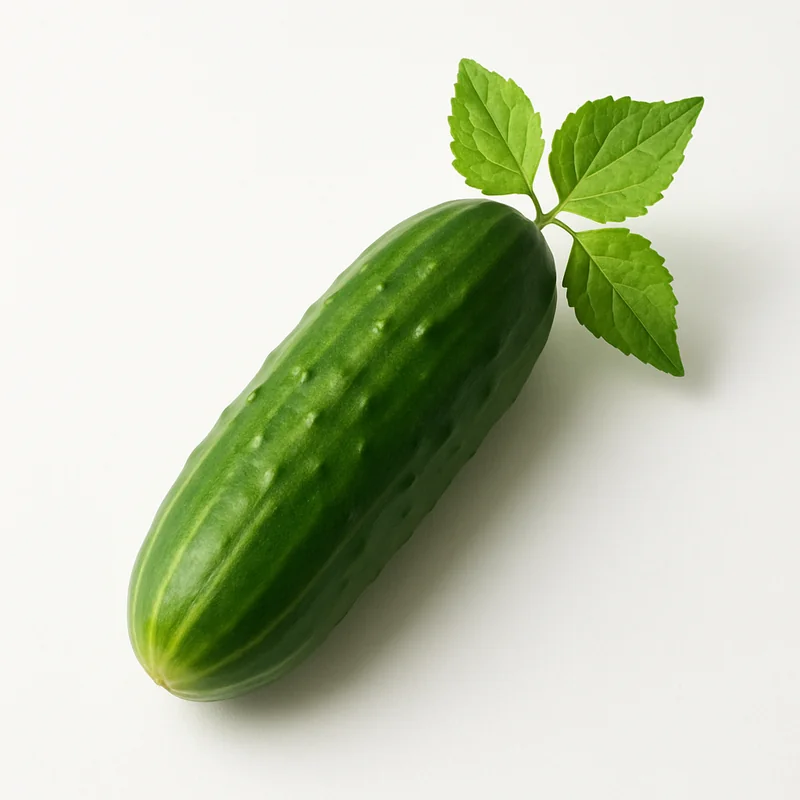
Cucumber
ScoreB
Cucumber is a hydrating vegetable composed of ~95% water, providing essential minerals like potassium and vitamin K with minimal calories, making it ideal for weight management and cellular health.
Why Cucumber scores 73
% Daily Value per ½ cup (85 g)
Nutrition
per 100 g
Health benefits
Supports hydration and electrolyte balance
strong evidenceHigh water content (95%) combined with potassium facilitates cellular hydration and helps maintain proper fluid distribution and cardiovascular function
Promotes bone health and cardiovascular function
strong evidenceVitamin K (24 mcg/100g) activates osteocalcin for bone mineralization and matrix Gla-protein for vascular elasticity
Reduces inflammation and oxidative stress
moderate evidenceFlavonoids (quercetin, apigenin) and lignans act as antioxidants, scavenging free radicals and modulating inflammatory pathways
Supports healthy body weight and metabolic flexibility
moderate evidenceExtreme caloric dilution (16 kcal/100g) with high volume promotes satiety while maintaining stable blood glucose and insulin sensitivity
May support gut microbiota diversity
emerging evidenceWater-soluble polyphenols, particularly in the skin, act as prebiotics, selectively promoting beneficial bacterial growth
Pairs well with
- ·Pair with olive oil because fat-soluble vitamin K requires dietary lipids for optimal absorption and transport
- ·Combine with tomatoes because lycopene + quercetin synergize antioxidant effects and enhance anti-inflammatory signaling
- ·Eat with fermented foods (yogurt, kimchi) because polyphenols in cucumber skin feed beneficial probiotics, enhancing microbiota composition
- ·Pair with leafy greens because both are vitamin K sources; combined consumption maximizes phylloquinone intake for bone and vascular health
Practical tips
- ·Best timing: Cucumbers are naturally low in antinutrients and do not interact with circadian biology; inclusion at any meal or as snacks supports consistent hydration without metabolic disruption
- ·Consume skin on: the peel contains 3-5x more vitamin K and polyphenols than the flesh; organic cucumbers are preferred to minimize pesticide residue
- ·Store unwashed in the refrigerator crisper drawer for up to 7 days; avoid storing near ethylene-producing fruits (apples, avocados) which accelerate softening
- ·Choose firm, dark-green cucumbers with minimal blemishes; softer specimens indicate age and nutrient loss
- ·Use in salads or gazpacho raw to preserve heat-sensitive flavonoids; if cooked, use minimal water to prevent mineral leaching
- ·Select seedless or English varieties if digestive sensitivity is present; seeds contain additional insoluble fiber that may cause bloating in sensitive individuals
Related foods
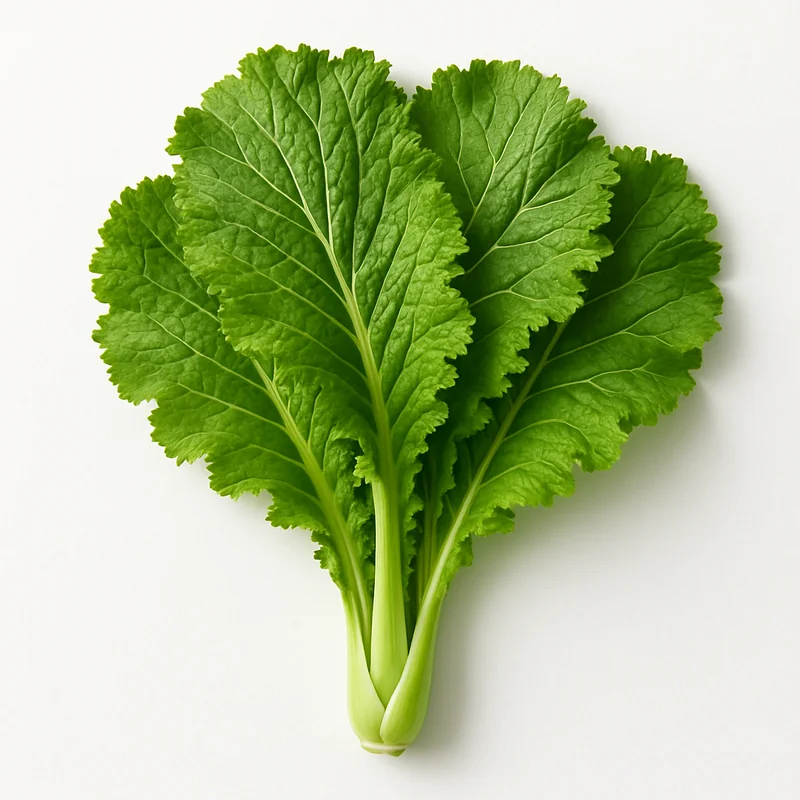
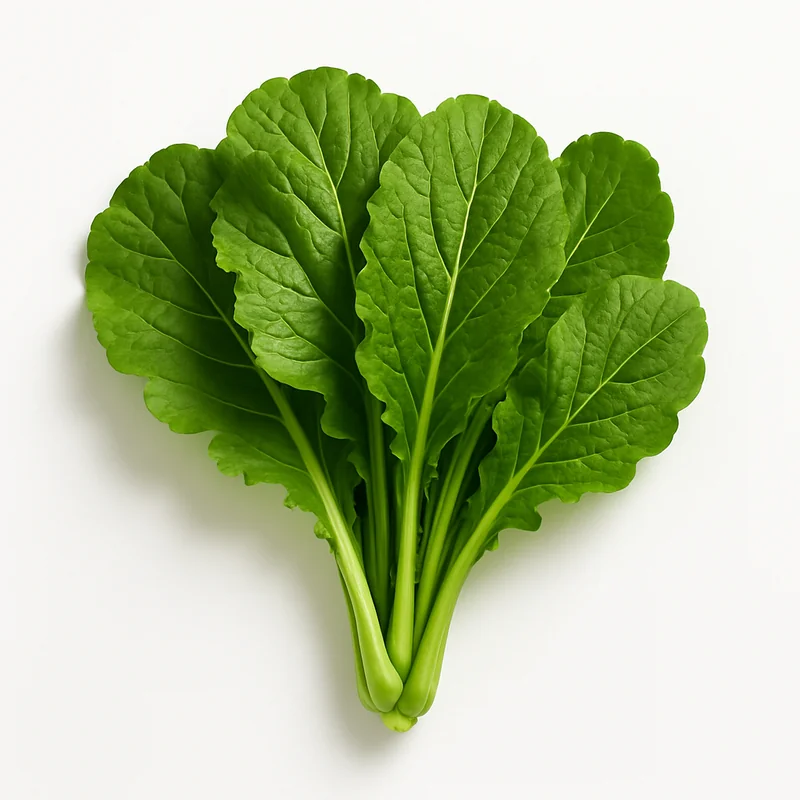
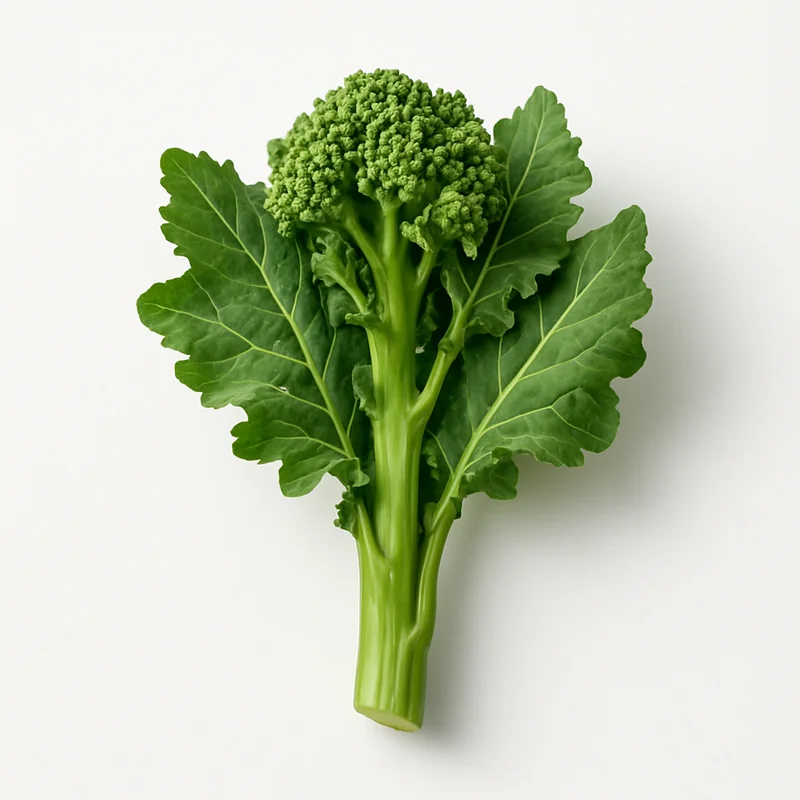
What is Cucumber actually covering?
See which nutrients your diet already delivers and which ones your supplements still need to — food and pills measured on the same scale.
Check my nutrients2 questions · free · no account needed to start
Also on iPhone — get the free app
Evidence-based supplement guides, no spam
We send a short digest when new guides drop — nothing else. No affiliate pushes, no sponsored content, unsubscribe anytime.