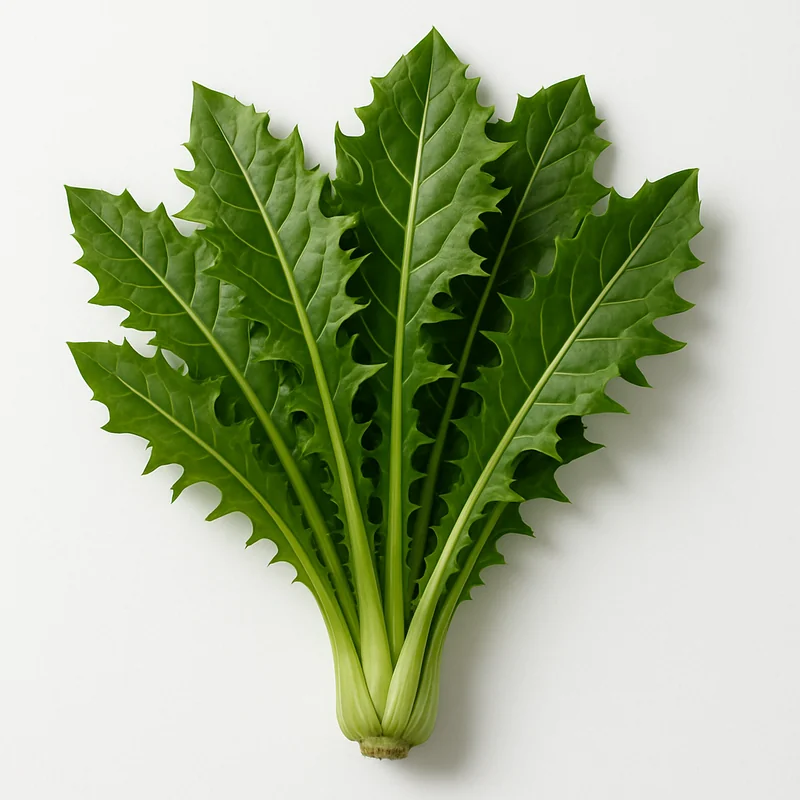
Dandelion Green
ScoreA+
Dandelion greens are nutrient-dense leafy vegetables exceptionally rich in vitamin K and other fat-soluble vitamins, offering potent support for bone health, liver function, and blood clotting regulation.
Why Dandelion Green scores 95
% Daily Value per ½ cup (85 g)
Nutrition
per 100 g
Health benefits
Supports bone mineralization and cardiovascular health through exceptional vitamin K content
strong evidenceVitamin K activates osteocalcin and matrix Gla-protein, critical for bone matrix formation and arterial calcium regulation; 100g provides ~10x daily adequate intake
Enhances hepatic detoxification and metabolic resilience
moderate evidenceSesquiterpene lactones and polyphenols stimulate cytochrome P450 enzyme activity and bile production, supporting Phase I and II detoxification; inulin feeds beneficial microbiota producing short-chain fatty acids
Supports retinal and macular health through carotenoid density
strong evidenceHigh lutein and zeaxanthin content protect photoreceptors from oxidative stress and blue light damage; bioaccumulate in the macula lutea
Promotes satiety and glycemic stability via prebiotic fiber and polyphenols
moderate evidenceInulin fermentation produces butyrate, improving insulin sensitivity and GLP-1 signaling; polyphenols slow glucose absorption
Reduces systemic inflammation and supports antioxidant defense
moderate evidencePolyphenols and vitamin C neutralize reactive oxygen species; tartaric acid and chlorogenic acid support mitochondrial efficiency
Pairs well with
- ·Pair with extra virgin olive oil or avocado because fat-soluble vitamins (K, A, E) require dietary lipids for micelle formation and intestinal absorption
- ·Combine with citrus (lemon, orange) or tomatoes because vitamin C enhances non-heme iron bioavailability and supports collagen synthesis
- ·Mix with fermented foods (sauerkraut, miso, tempeh) because beneficial bacteria enhance inulin fermentation and short-chain fatty acid production in the colon
- ·Serve alongside sulfur-rich vegetables (garlic, onions, cruciferous greens) because sulfur compounds support Phase II glutathione conjugation pathways
Practical tips
- ·Best timing: midday
- ·Select younger, tender dandelion leaves (spring harvest) which are less bitter; mature summer leaves contain higher levels of bitter compounds that may irritate sensitive digestive systems
- ·Blanch or lightly sauté dandelion greens for 2-3 minutes before consuming raw in large quantities, as this reduces oxalate content and enhances mineral bioavailability while preserving heat-sensitive polyphenols
- ·Store unwashed dandelion greens in a damp paper towel within a sealed container in the refrigerator; use within 3-5 days to minimize nutrient degradation
- ·Consume dandelion greens as part of a mixed salad rather than as a monolithic serving—the bitter compounds are better tolerated and more effective at stimulating digestive secretions when combined with milder greens
- ·If using dandelion root tea or extract for liver support, limit to 2-3 cups daily and monitor for increased bile production; individuals with bile duct obstruction should consult healthcare providers
Related foods
What is Dandelion Green actually covering?
See which nutrients your diet already delivers and which ones your supplements still need to — food and pills measured on the same scale.
Check my nutrients2 questions · free · no account needed to start
Also on iPhone — get the free app
Evidence-based supplement guides, no spam
We send a short digest when new guides drop — nothing else. No affiliate pushes, no sponsored content, unsubscribe anytime.