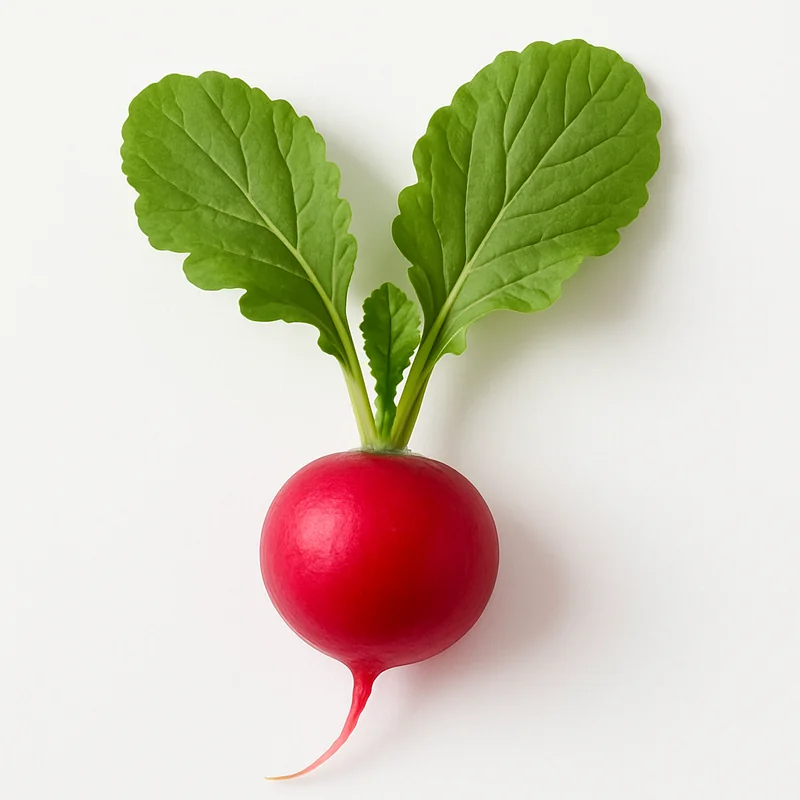
Radishe
ScoreA+
Radishes are low-calorie cruciferous vegetables rich in vitamin C, potassium, and bioactive sulfur compounds that support detoxification and cardiovascular health.
Why Radishe scores 91
% Daily Value per ½ cup (85 g)
Nutrition
per 100 g
Health benefits
Supports Phase II detoxification and reduces carcinogen exposure risk
moderate evidenceGlucosinolates and isothiocyanates activate sulfotransferase and glutathione-S-transferase enzymes, enhancing xenobiotic metabolism and elimination of environmental toxins
Reduces systemic inflammation and supports vascular endothelial function
moderate evidenceVitamin C acts as a cofactor for collagen synthesis and endothelial nitric oxide production; sulfur compounds provide anti-inflammatory signaling
Supports healthy blood pressure through potassium and nitrate content
moderate evidencePotassium antagonizes sodium's hypertensive effects and supports vasodilation; dietary nitrates are converted to nitric oxide, promoting arterial compliance
Promotes healthy gut microbiota composition through prebiotic fiber
emerging evidenceRadish fiber, particularly insoluble fraction, selectively feeds beneficial Bacteroidetes species while limiting pathogenic gram-positive proliferation
Enhances antioxidant defense and reduces oxidative DNA damage
moderate evidenceVitamin C and polyphenols neutralize free radicals; glucosinolates upregulate endogenous antioxidant enzyme systems (SOD, catalase, GPx)
Pairs well with
- ·Pair with healthy fats (olive oil, avocado) to enhance fat-soluble vitamin absorption and increase glucosinolate bioavailability through improved gastric lipid signaling
- ·Combine with fermented foods (sauerkraut, kimchi, miso) to synergize prebiotic fiber with probiotic strains, optimizing microbiota-mediated metabolite production
- ·Eat with sulfur-rich alliums (garlic, onions) to amplify Phase II enzyme activation through complementary organosulfur compound profiles
- ·Pair with vitamin C sources (citrus, bell peppers) to enhance non-heme iron absorption from radish leaves and support collagen cross-linking
- ·Combine with cruciferous vegetables (broccoli, Brussels sprouts) for additive glucosinolate dose and diverse isothiocyanate profiles targeting different detoxification pathways
Practical tips
- ·Best timing: Radishes contain no compounds that interfere with sleep, spike blood glucose, or compete with medications. Their low calorie density and high water content make them suitable pre-meal appetizers for appetite regulation or post-meal digestive aids. Raw consumption maximizes bioactive compound exposure regardless of circadian timing.
- ·Consume radishes raw or lightly steamed to preserve glucosinolates; prolonged cooking (>5 minutes) degrades bioactive compounds by 30-50%
- ·Store unwashed radishes in high-humidity (95%+) environment at 0-4°C; they retain crispness for 3-4 weeks when separated from greens to prevent ethylene-mediated senescence
- ·Include radish greens in salads or soups—they contain 3-4x higher glucosinolate concentration than roots and provide additional folate and calcium
- ·Eat radishes in rotation rather than daily excess; their mustard oil content may cause digestive distress (bloating, sulfurous gas) in susceptible individuals due to rapid fermentation
- ·Select firm, smooth radishes without soft spots or sprouting; smaller specimens (1-1.5 inches diameter) tend to be sweeter with less peppery bite, improving palatability for consistent consumption
Related foods
What is Radishe actually covering?
See which nutrients your diet already delivers and which ones your supplements still need to — food and pills measured on the same scale.
Check my nutrients2 questions · free · no account needed to start
Also on iPhone — get the free app
Evidence-based supplement guides, no spam
We send a short digest when new guides drop — nothing else. No affiliate pushes, no sponsored content, unsubscribe anytime.