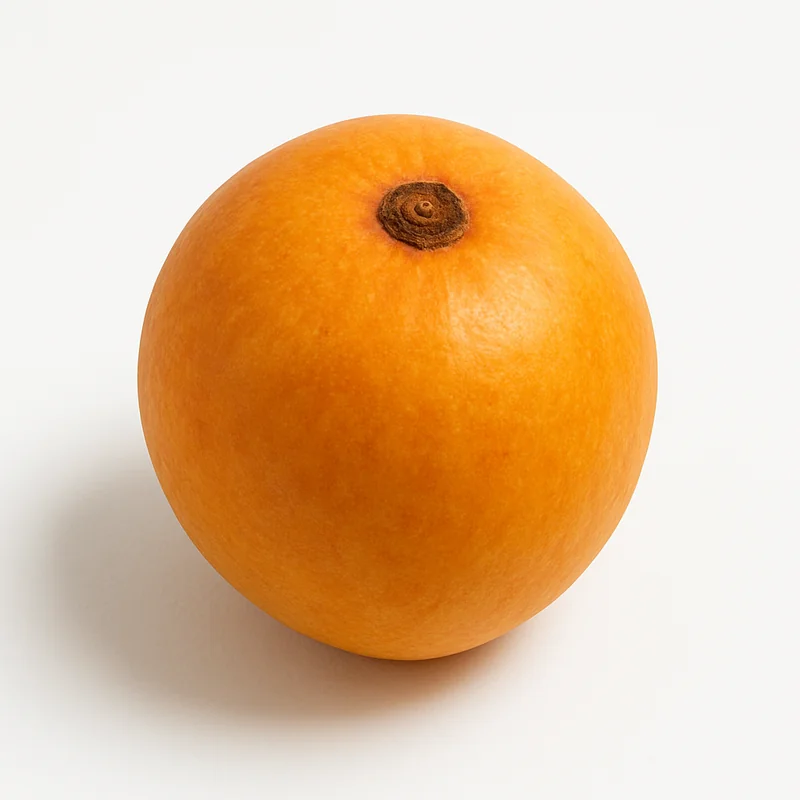
Sapote
ScoreA
Sapote is a creamy, sweet tropical fruit rich in fiber and potassium, providing sustained energy and cardiovascular support with minimal fat and a low glycemic profile.
Why Sapote scores 87
% Daily Value per 1 medium (140 g)
Nutrition
per 100 g
Health benefits
Supports cardiovascular health through potassium-mediated blood pressure regulation
strong evidencePotassium (454mg/100g) counterbalances sodium, reducing vascular stiffness and promoting vasodilation, while the high fiber content helps manage cholesterol levels
Stabilizes blood glucose and supports digestive health via high soluble fiber content
moderate evidence5.4g fiber per 100g slows gastric emptying and ferments into short-chain fatty acids that feed beneficial gut bacteria, improving insulin sensitivity
Provides antioxidant protection against cellular aging through vitamin E and polyphenols
moderate evidenceVitamin E (2.11mg) neutralizes lipid peroxyl radicals in cell membranes; sapote's tannins and phenolic compounds scavenge reactive oxygen species
Supports bone and metabolic health via mineral bioavailability
moderate evidencePhosphorus (26mg), magnesium (11mg), and calcium (18mg) work synergistically to maintain bone density and support enzymatic processes in energy metabolism
Enhances immune function and collagen synthesis through vitamin C
strong evidence23mg of vitamin C per 100g supports lymphocyte proliferation and acts as a cofactor for collagen cross-linking, maintaining skin and connective tissue integrity
Pairs well with
- ·Pair with chia seeds: fiber synergy enhances satiety and slows nutrient absorption, stabilizing blood glucose response
- ·Combine with citrus (lime or lemon): vitamin C from citrus enhances iron absorption if sapote is consumed with iron-rich foods in the same meal, plus adds brightness to creamy texture
- ·Mix with nuts (almonds or walnuts): fat-soluble vitamin E absorption is enhanced by dietary fat, while nuts provide complementary plant-based omega-3s for anti-inflammatory benefit
- ·Blend with Greek yogurt: probiotic yogurt combined with sapote's fiber creates a synergistic effect for gut microbiome diversity and enhanced mineral absorption
Practical tips
- ·Best timing: midday
- ·Select sapotes that yield slightly to gentle pressure near the stem; overly soft fruit indicates fermentation has begun. Store at room temperature until ripe (3-5 days), then refrigerate for up to 5 days
- ·Eat sapote fresh and whole or blended into smoothies to preserve heat-sensitive vitamin C; avoid cooking, which degrades antioxidants
- ·Consume with meals containing fat (nuts, seeds, avocado, olive oil) to maximize absorption of fat-soluble vitamin E and fat-soluble phytochemicals
- ·Cut sapote in half lengthwise and scoop flesh with a spoon to avoid oxidation; the large central seed is inedible
- ·Aim for one medium sapote (150-200g) as a snack to keep carbohydrate intake moderate while gaining fiber and micronutrient benefits
Related foods
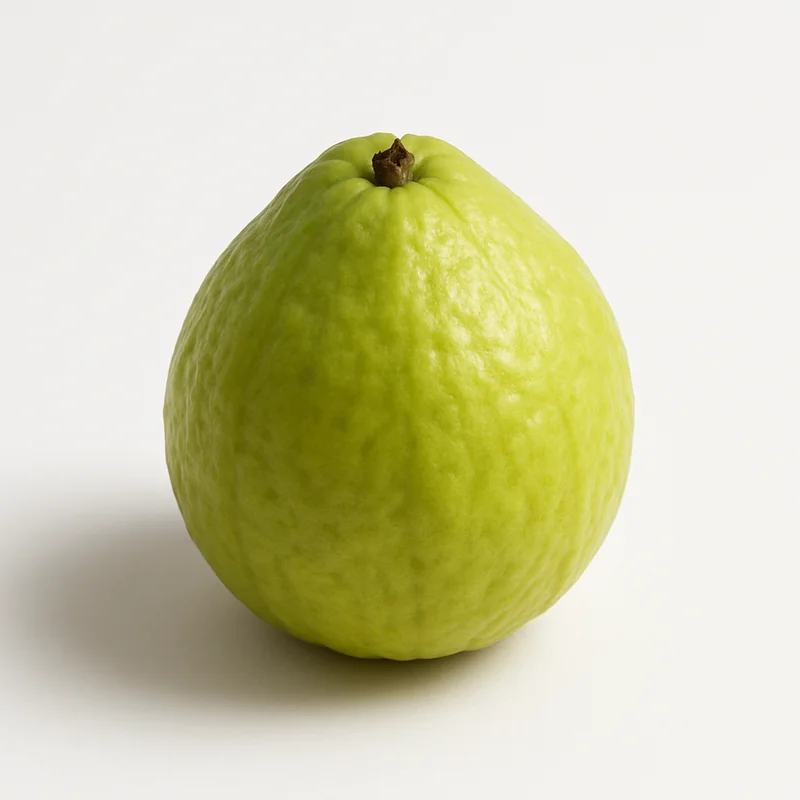




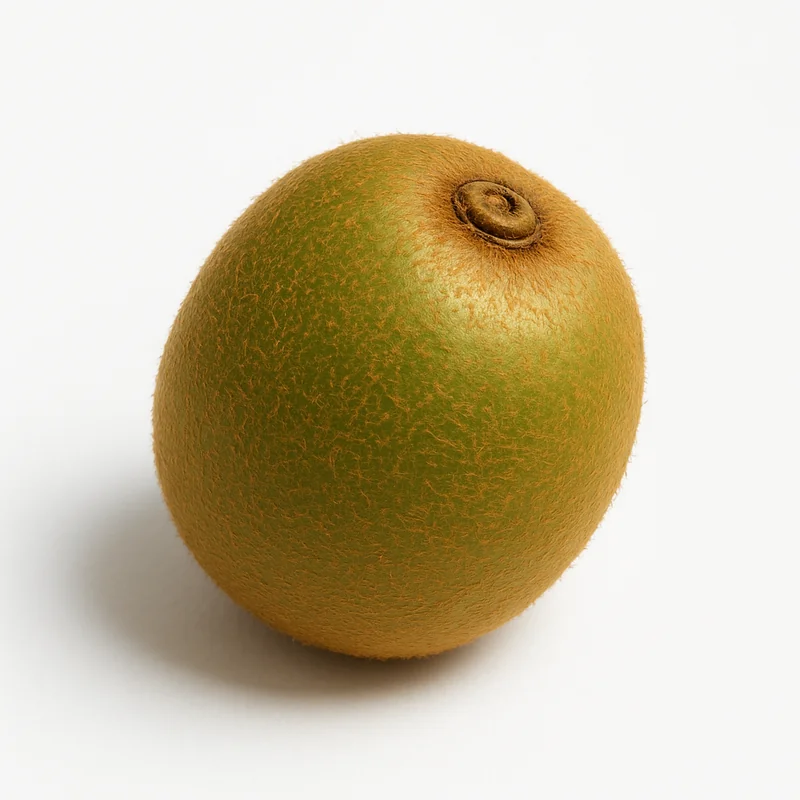
What is Sapote actually covering?
See which nutrients your diet already delivers and which ones your supplements still need to — food and pills measured on the same scale.
Check my nutrients2 questions · free · no account needed to start
Also on iPhone — get the free app
Evidence-based supplement guides, no spam
We send a short digest when new guides drop — nothing else. No affiliate pushes, no sponsored content, unsubscribe anytime.