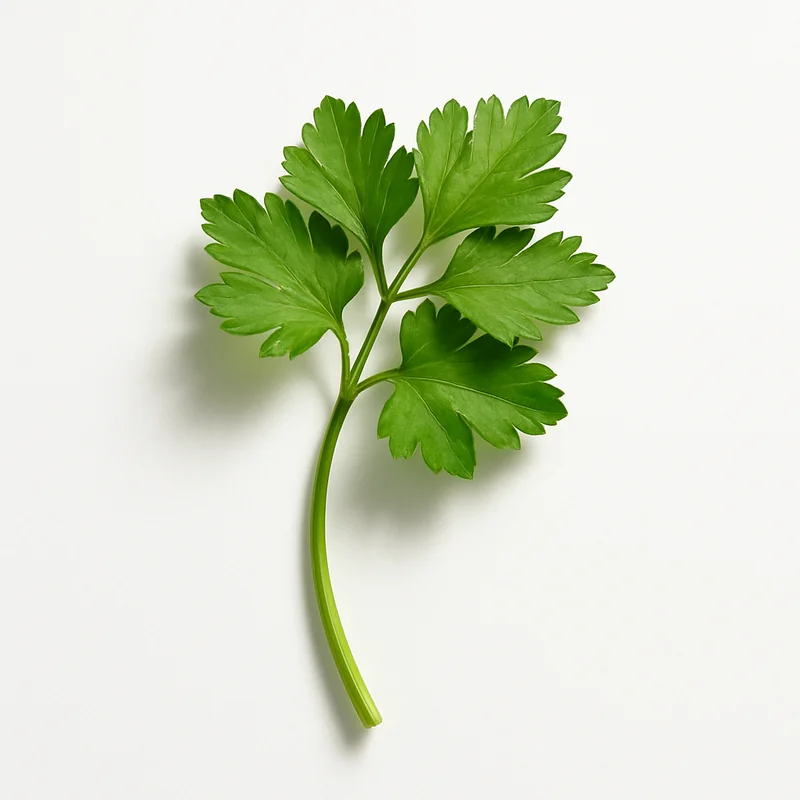
Parsley
ScoreA+
Parsley is a nutrient-dense herb exceptionally rich in vitamin K, vitamin C, and antioxidants, making it a powerful ally for bone health, immune function, and inflammation management despite its minimal caloric content.
Why Parsley scores 96
% Daily Value per ½ cup (85 g)
Nutrition
per 100 g
Health benefits
Enhanced bone mineralization and reduced fracture risk
strong evidenceVitamin K (1,640 mcg/100g) activates osteocalcin and matrix Gla-protein, proteins essential for binding calcium to the bone matrix and maintaining skeletal density
Reduced systemic inflammation and oxidative stress
moderate evidenceFlavonoids apigenin and luteolin inhibit NF-κB inflammatory signaling and scavenge reactive oxygen species, lowering markers like CRP and IL-6
Improved cardiovascular function and blood pressure regulation
strong evidenceHigh potassium content (554 mg/100g) supports sodium-potassium pump function; folate reduces homocysteine, a cardiovascular risk factor
Enhanced detoxification and kidney function
moderate evidenceParsley's volatile oils and high potassium support urinary health and mild diuretic action, promoting clearance of metabolic waste
Neuroprotection and cognitive decline prevention
emerging evidenceApigenin crosses the blood-brain barrier and reduces neuroinflammation; folate supports myelin formation and neurotransmitter synthesis
Pairs well with
- ·Pair with fatty fish (salmon, mackerel) because fat-soluble vitamin K requires dietary fat for optimal absorption and transport
- ·Combine with citrus (lemon, lime) because vitamin C enhances non-heme iron absorption from parsley, improving bioavailability for vegetarians
- ·Mix with cruciferous vegetables (broccoli, kale) because synergistic polyphenols amplify antioxidant and anti-inflammatory effects through complementary phytochemical pathways
- ·Add to bone broth because parsley's minerals and phytonutrients complement collagen and electrolytes for comprehensive skeletal support
Practical tips
- ·Best timing: Parsley's micronutrients support baseline metabolic and structural functions throughout the day. Consuming with meals containing fat optimizes vitamin K absorption. No specific circadian advantage, making flexible incorporation into daily eating patterns most practical for adherence.
- ·Store fresh parsley stems-down in a glass of water covered with a plastic bag in the refrigerator to maintain chlorophyll and volatile oil content for up to 2 weeks
- ·Consume parsley raw or add at the end of cooking to preserve heat-sensitive vitamin C and volatile oils; heating reduces apigenin bioavailability by 30-40%
- ·Use 1-2 tablespoons fresh chopped parsley daily as a functional garnish on soups, salads, and proteins to accumulate micronutrient benefits without concentrated supplementation
- ·Select flat-leaf (Italian) parsley over curly varieties when possible, as it contains 20-30% higher polyphenol concentrations and more robust flavor profile
- ·Blanch and freeze parsley in ice cube trays with a small amount of water to preserve nutrients for winter use in stocks and cooked dishes
Related foods
What is Parsley actually covering?
See which nutrients your diet already delivers and which ones your supplements still need to — food and pills measured on the same scale.
Check my nutrients2 questions · free · no account needed to start
Also on iPhone — get the free app
Evidence-based supplement guides, no spam
We send a short digest when new guides drop — nothing else. No affiliate pushes, no sponsored content, unsubscribe anytime.