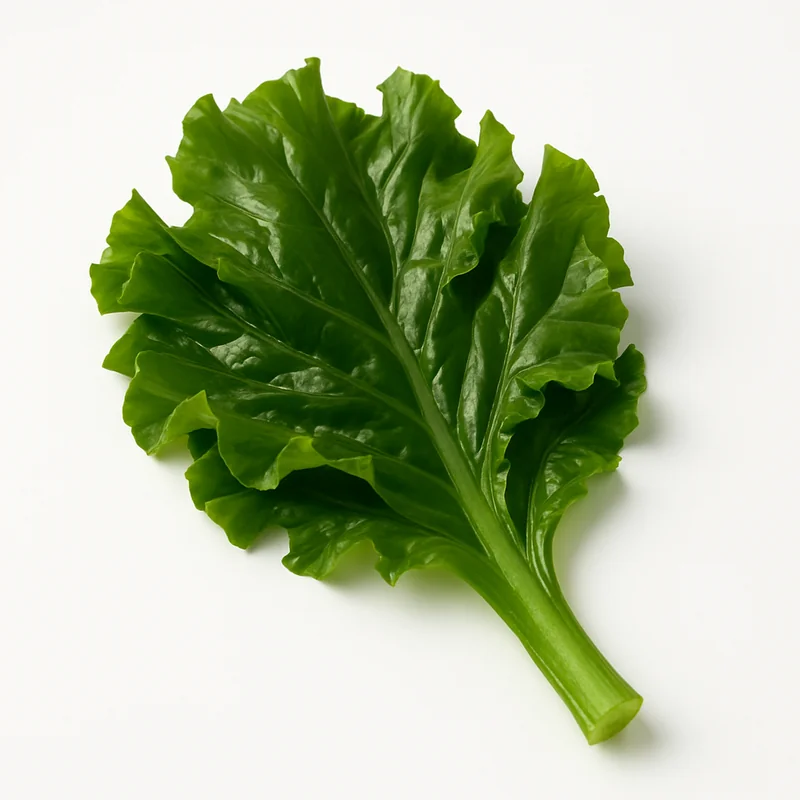
Seaweed
ScoreA+
Seaweed is a nutrient-dense marine vegetable exceptionally rich in iodine, minerals, and fiber, offering unique bioactive compounds that support thyroid function and metabolic health.
Why Seaweed scores 91
% Daily Value per ½ cup (85 g)
Nutrition
per 100 g
Health benefits
Thyroid hormone support and metabolic optimization
strong evidenceSeaweed's exceptional iodine bioavailability enables adequate thyroid peroxidase function, which is essential for T3 and T4 synthesis. Proper thyroid function directly regulates basal metabolic rate and energy homeostasis critical for longevity.
Anti-inflammatory and antioxidant protection
moderate evidenceFucoidan and other polysaccharides in seaweed inhibit pro-inflammatory cytokine production and activate natural killer cells, while fucoxanthin and other carotenoids neutralize reactive oxygen species that accelerate aging.
Cardiovascular disease risk reduction
moderate evidenceHigh potassium (2944mg/100g) and magnesium content support vasodilation and reduce arterial stiffness; fucoxanthin may improve lipid profiles and endothelial function, key factors in cardiovascular longevity.
Gut microbiota diversity and metabolic endotoxemia reduction
moderate evidenceSeaweed's 36.7g/100g fiber—particularly soluble fibers and unique polysaccharides—selectively feed beneficial Bacteroides and Faecalibacterium species, reducing lipopolysaccharide translocation associated with aging-related inflammation.
Bone mineral density preservation
moderate evidenceCombined magnesium, calcium, and potassium work synergistically to reduce bone resorption; seaweed's alkalizing effect reduces urinary calcium loss, important for postmenopausal women and aging populations.
Pairs well with
- ·Pair with citrus (lemon, orange) because vitamin C dramatically enhances non-heme iron absorption from seaweed, increasing bioavailability by up to 6-fold
- ·Pair with fatty fish (salmon, mackerel) because fat-soluble carotenoids (fucoxanthin) require dietary lipids for intestinal absorption and transport to tissues
- ·Pair with cruciferous vegetables (broccoli, kale) because both support detoxification pathways and provide sulfur compounds that optimize iodine metabolism
- ·Pair with fermented foods (miso, tempeh) because pre-existing probiotics enhance polysaccharide fermentation and increase short-chain fatty acid production
Practical tips
- ·Best timing: midday
- ·Start with small portions (5-10g) and titrate upward to assess iodine tolerance; excessive seaweed consumption can suppress thyroid function in sensitive individuals
- ·Rinse dried seaweed briefly before use to reduce surface sodium while preserving iodine and minerals, or soak for 5 minutes if reducing sodium is priority
- ·Store dried seaweed in airtight containers away from light and humidity; most varieties maintain nutritional integrity for 6-12 months at room temperature
- ·Select organic or third-party tested varieties when possible, as seaweed bioaccumulates heavy metals from seawater; reputable suppliers test for cadmium and arsenic
- ·Consume seaweed varieties strategically: nori offers iodine and antioxidants; kombu provides maximum iodine and minerals; wakame balances nutrients; dulse offers iron with lower sodium
Related foods
What is Seaweed actually covering?
See which nutrients your diet already delivers and which ones your supplements still need to — food and pills measured on the same scale.
Check my nutrients2 questions · free · no account needed to start
Also on iPhone — get the free app
Evidence-based supplement guides, no spam
We send a short digest when new guides drop — nothing else. No affiliate pushes, no sponsored content, unsubscribe anytime.