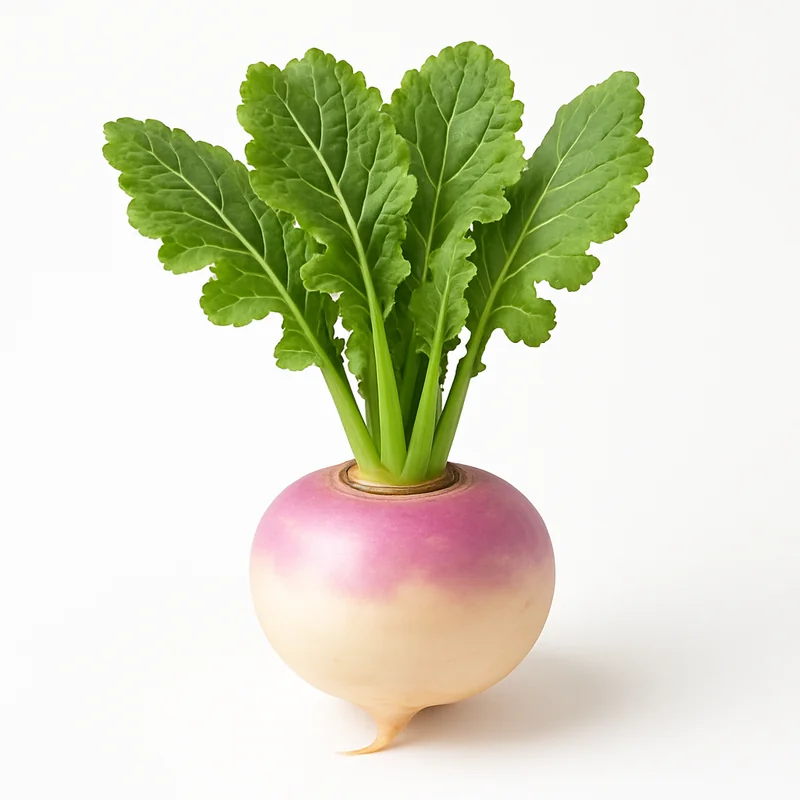
Turnip
ScoreA
Turnips are low-calorie cruciferous vegetables rich in vitamin C and fiber, offering anti-inflammatory and digestive support with minimal glycemic impact.
Why Turnip scores 89
% Daily Value per ½ cup (85 g)
Nutrition
per 100 g
Health benefits
Enhanced hepatic detoxification and reduced cancer risk
moderate evidenceGlucosinolates metabolize to isothiocyanates, which activate Nrf2 signaling and upregulate antioxidant response elements and Phase II detoxification enzymes (glutathione S-transferases), improving xenobiotic clearance
Improved cardiovascular health and blood pressure regulation
moderate evidencePotassium content supports sodium-potassium pump function and vasodilation; glucosinolates reduce arterial stiffness and inflammation markers associated with atherosclerosis
Enhanced gut microbiota diversity and metabolic health
moderate evidenceInsoluble fiber and resistant starch (when cooked and cooled) serve as prebiotics, selectively feeding beneficial Firmicutes and Bacteroidetes species that produce short-chain fatty acids enhancing barrier function
Antioxidant and anti-inflammatory status improvement
moderate evidenceVitamin C and glucosinolates reduce oxidative stress markers and pro-inflammatory cytokine production (TNF-α, IL-6) via MAPK pathway inhibition
Bone health support through micronutrient synergy
emerging evidenceTurnip greens provide bioavailable calcium and vitamin K (phylloquinone), critical cofactors for osteocalcin gamma-carboxylation and bone mineralization
Pairs well with
- ·Pair with extra virgin olive oil because polyphenols and oleic acid enhance absorption of fat-soluble vitamins and increase bioavailability of glucosinolates through lipid-mediated cellular uptake
- ·Combine with fermented foods (sauerkraut, kimchi) because live Lactobacillus species enhance glucosinolate metabolism and produce additional isothiocyanates in the colon microbiome
- ·Mix turnip greens with cruciferous vegetables (broccoli, Brussels sprouts) because diverse glucosinolate profiles activate complementary detoxification pathways and myrosinase enzyme activity
- ·Pair with vitamin C-rich foods (citrus, kiwi) because ascorbic acid enhances non-heme iron absorption from turnip greens and stabilizes heat-labile glucosinolates
Practical tips
- ·Best timing: midday
- ·Consume turnips raw or blanch briefly (2-3 minutes) rather than prolonged cooking to preserve heat-sensitive glucosinolates and myrosinase enzyme activity required for isothiocyanate formation
- ·Chew thoroughly or lightly massage raw turnips to mechanically rupture cell walls and activate myrosinase-glucosinolate conversion before swallowing
- ·Prioritize turnip greens over roots—sauté with garlic to increase bioavailable calcium, lutein, and glucosinolates by 40-60% versus raw consumption
- ·Store unwashed turnips in cool (0-5°C), high-humidity conditions for up to 4 weeks; detach greens immediately upon purchase to prevent nutrient leaching into roots
- ·Select smaller, firm turnips (golf ball-sized) which are more tender and glucosinolate-rich than large specimens that develop woody texture and bitter compounds
Related foods
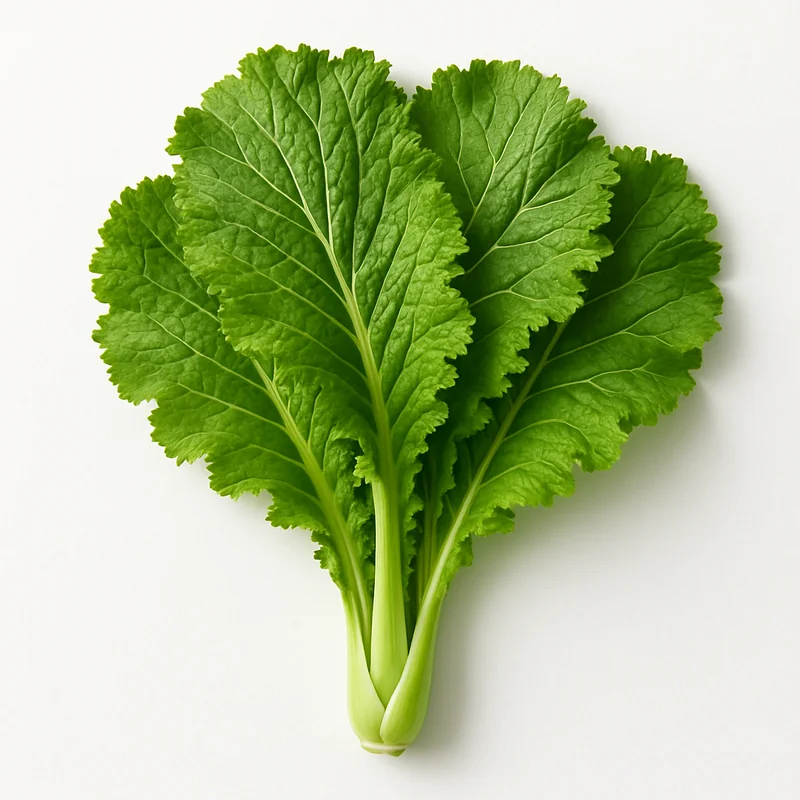
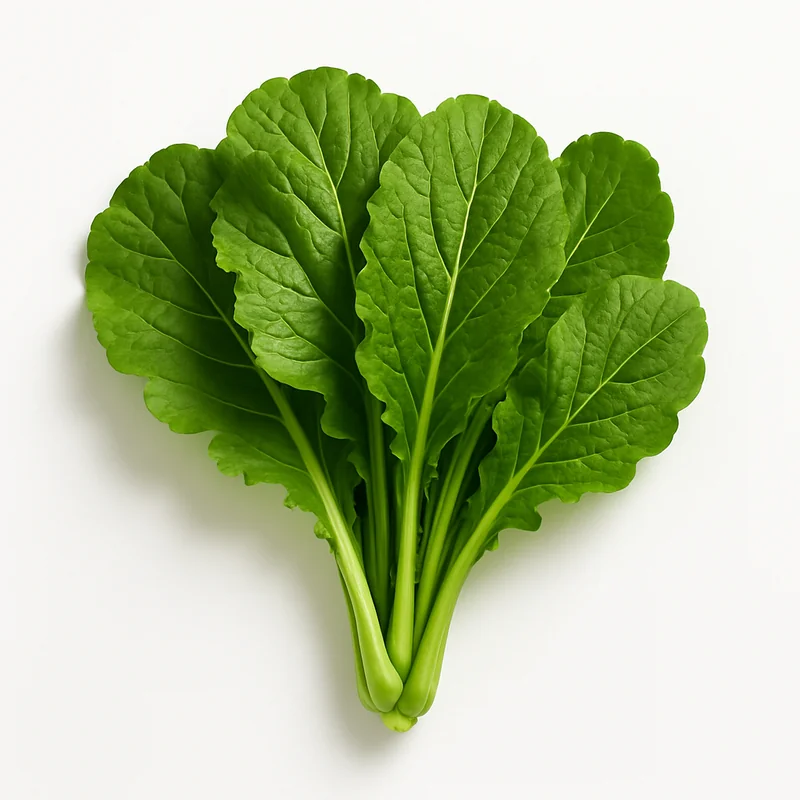
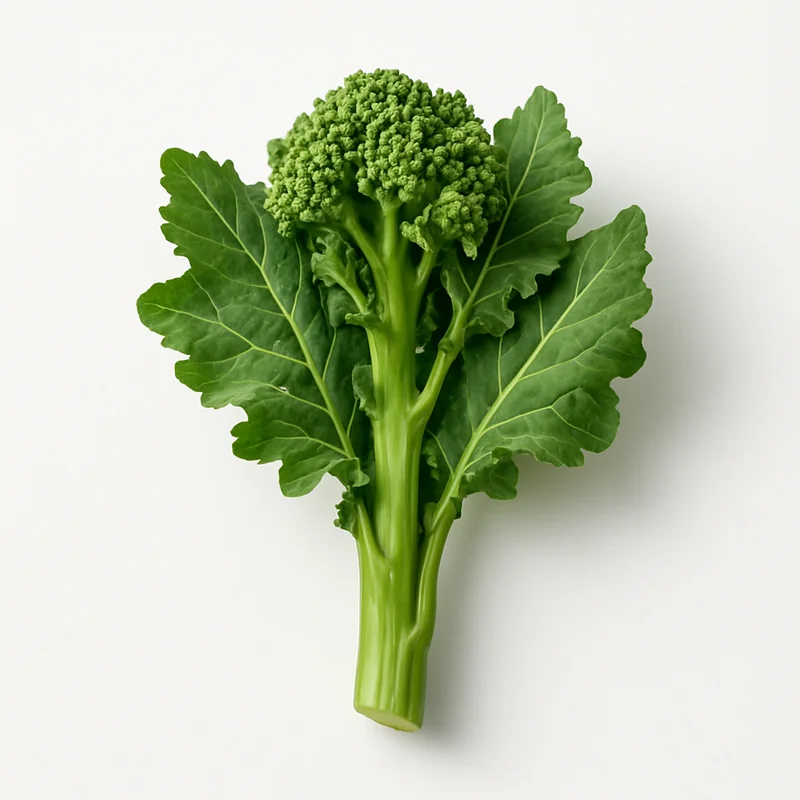
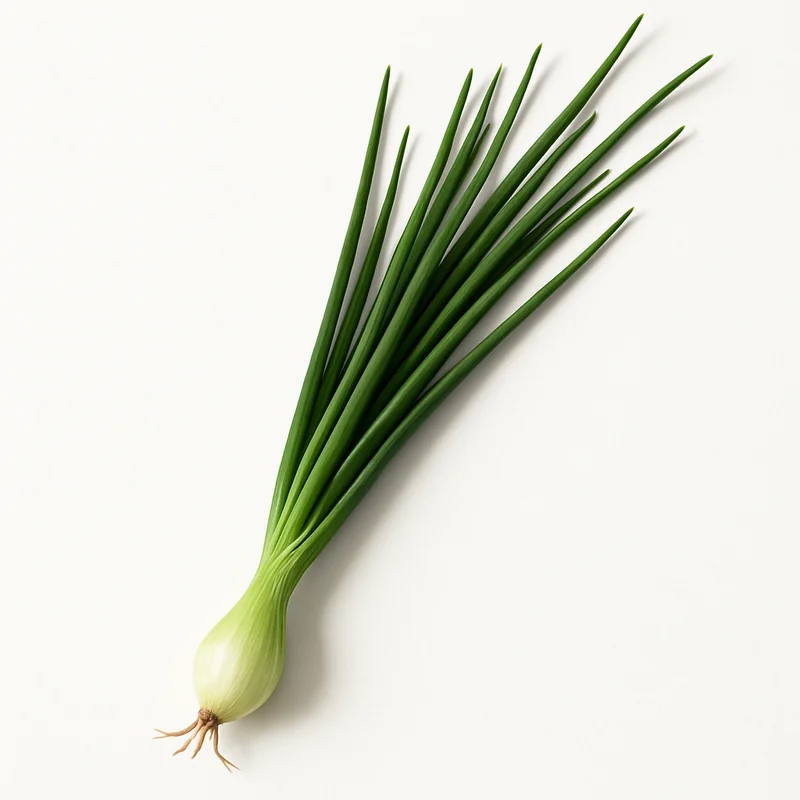
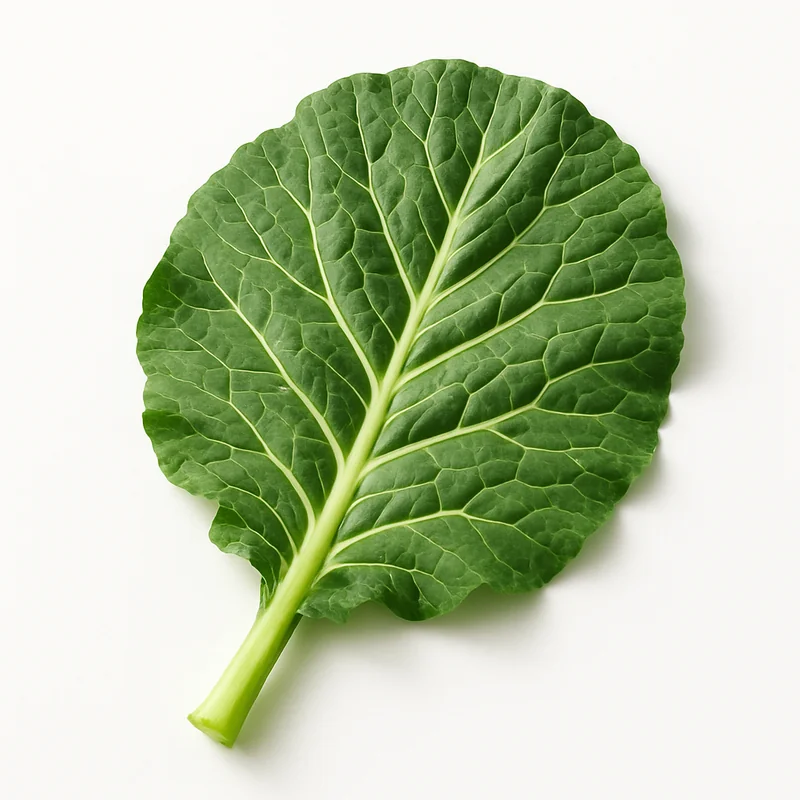
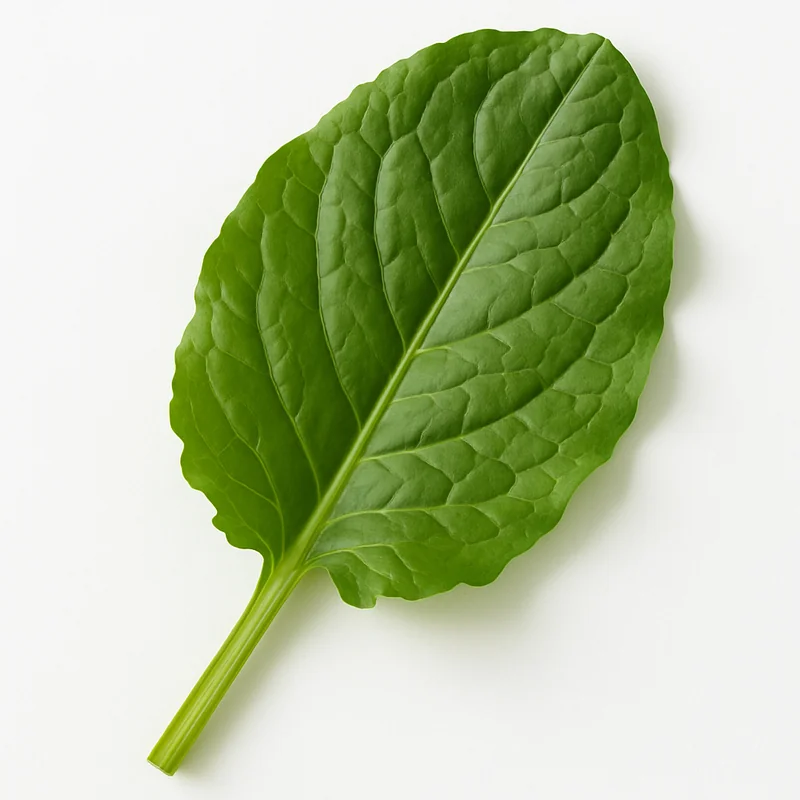
What is Turnip actually covering?
See which nutrients your diet already delivers and which ones your supplements still need to — food and pills measured on the same scale.
Check my nutrients2 questions · free · no account needed to start
Also on iPhone — get the free app
Evidence-based supplement guides, no spam
We send a short digest when new guides drop — nothing else. No affiliate pushes, no sponsored content, unsubscribe anytime.