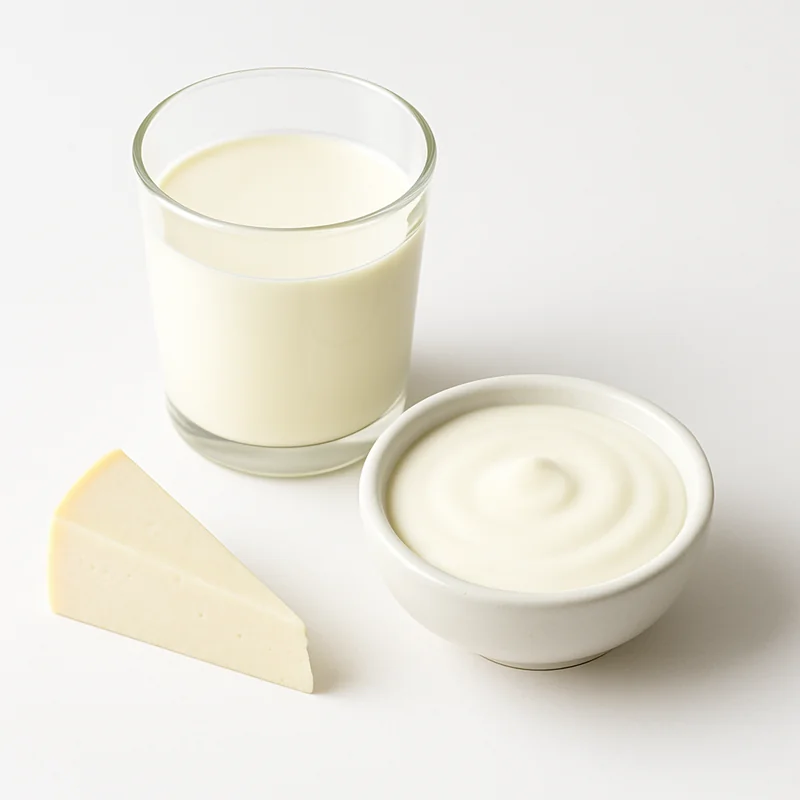
Heavy Cream
ScoreD
Heavy cream is a high-fat dairy product rich in fat-soluble vitamins and butyric acid, providing concentrated energy and potential metabolic benefits when consumed in moderation.
Why Heavy Cream scores 23
% Daily Value per 1 oz (30 g)
Nutrition
per 100 g
Health benefits
Enhanced absorption of fat-soluble vitamins (A, D, E, K2)
strong evidenceFat in heavy cream solubilizes and facilitates intestinal absorption of vitamins A, D, E, and K2 from other foods and the cream itself, supporting bone mineralization, immune function, and vascular health
Gut microbiome support through butyric acid
moderate evidenceButyric acid (a short-chain fatty acid) in milk fat serves as primary fuel for colonocytes and promotes beneficial bacteria growth, supporting intestinal barrier integrity and systemic inflammation reduction
Improved satiety and stable blood glucose response
moderate evidenceHigh fat and protein content slows gastric emptying and reduces postprandial glucose spikes when heavy cream is consumed with carbohydrates, improving metabolic stability
Source of conjugated linoleic acid (CLA) from grass-fed sources
moderate evidenceGrass-fed dairy contains elevated CLA, which may support lean body mass preservation and metabolic health through effects on lipid oxidation and inflammation
Pairs well with
- ·Pair with berries (blueberries, raspberries) because fat-soluble antioxidants in cream enhance absorption of berry polyphenols while the cream's fat content stabilizes their natural sugars
- ·Pair with leafy greens (spinach, kale) because cream's high fat content facilitates absorption of fat-soluble vitamin K2 and carotenoids essential for bone and cardiovascular health
- ·Pair with turmeric or ginger because lipids in cream increase curcumin and gingerol bioavailability, amplifying their anti-inflammatory effects
- ·Pair with coffee because the caffeine + fat combination enhances mental clarity through sustained energy delivery and supports fat oxidation
Practical tips
- ·Best timing: midday
- ·Choose grass-fed or pasture-raised heavy cream when possible; it contains 2-3x higher levels of omega-3s and CLA compared to conventional dairy
- ·Use small quantities (1-2 tablespoons) in recipes rather than consuming directly to maximize nutrient density while controlling caloric intake
- ·Store in the coldest part of your refrigerator (back of the shelf) to preserve fat-soluble vitamins and minimize oxidation of unsaturated fats
- ·If lactose intolerant, heavy cream is generally better tolerated than milk because most lactose remains in the whey during separation; fermented versions (crème fraîche, sour cream) are even better tolerated
- ·Whip heavy cream into aeriated form immediately before consumption to maximize the sensory experience and satiety signal, which may naturally limit portion size
Related foods
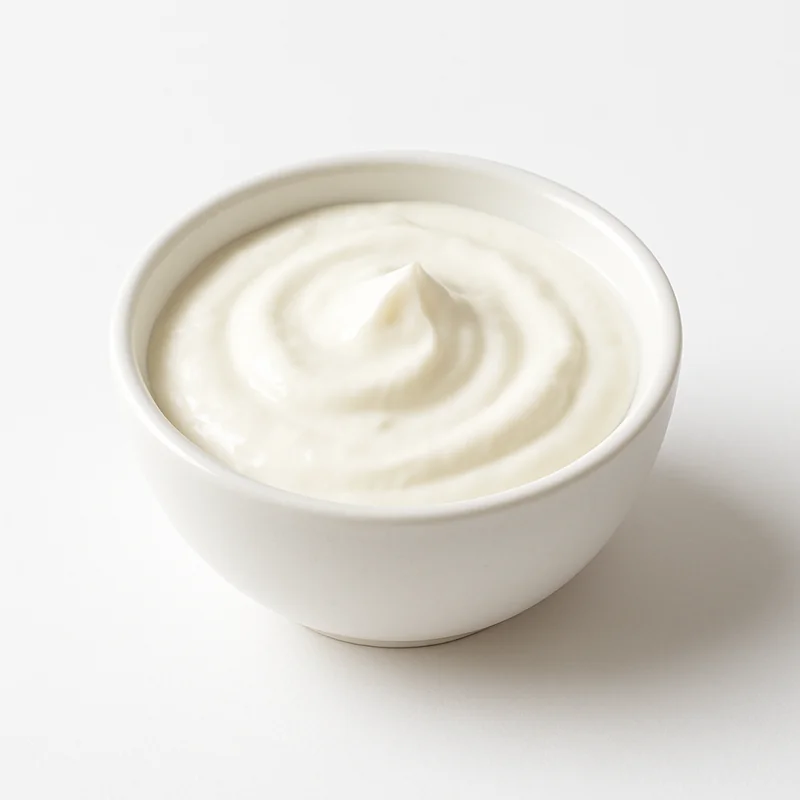
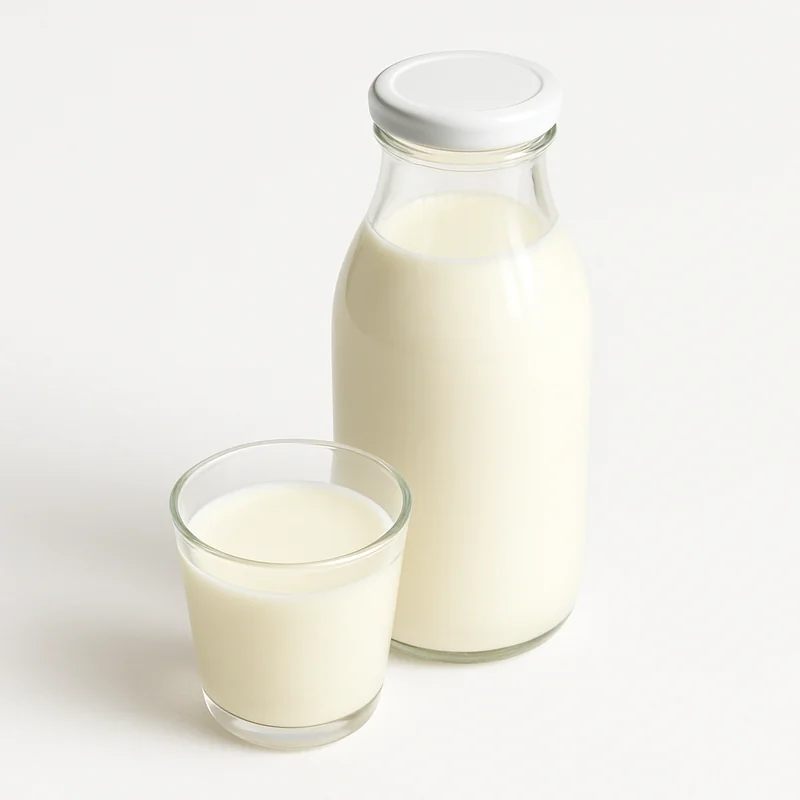
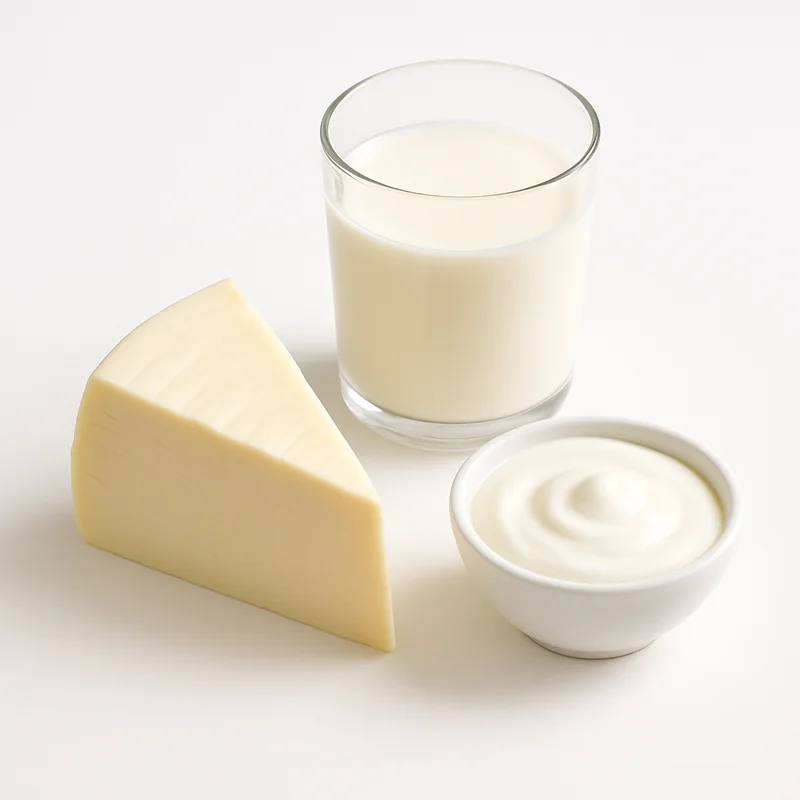
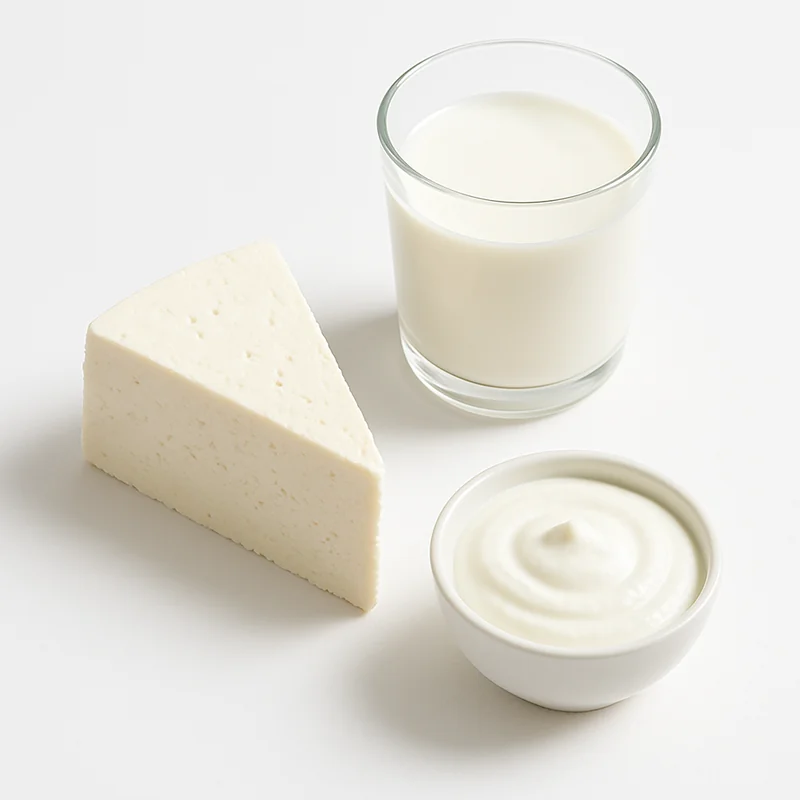
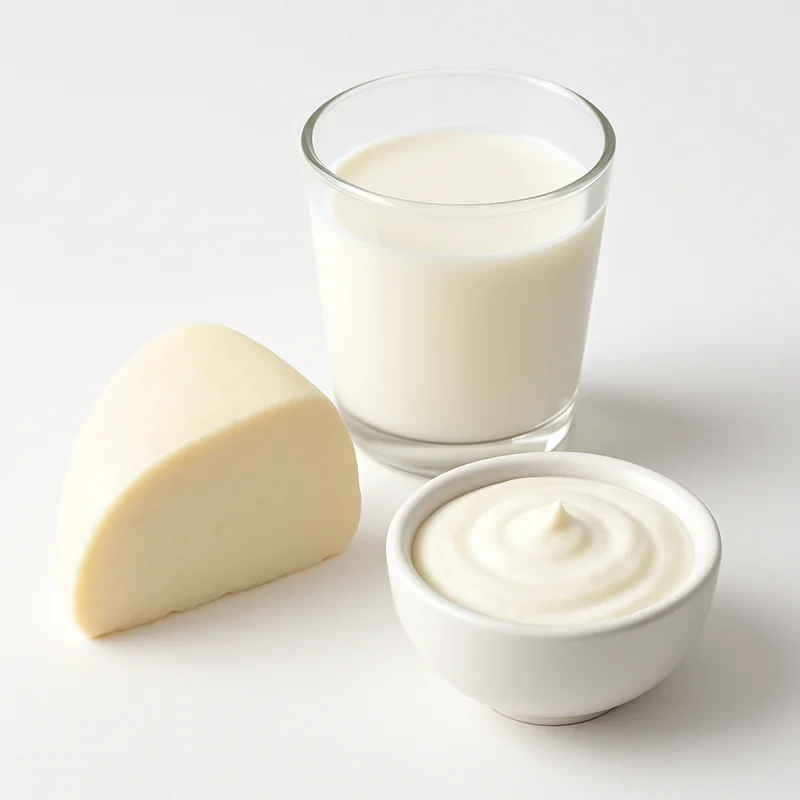
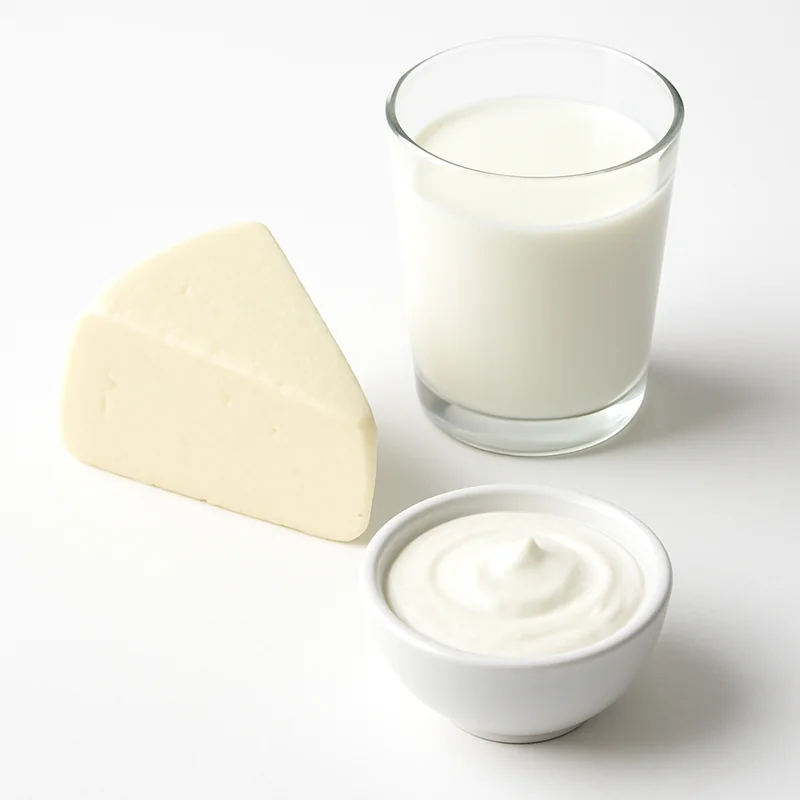
What is Heavy Cream actually covering?
See which nutrients your diet already delivers and which ones your supplements still need to — food and pills measured on the same scale.
Check my nutrients2 questions · free · no account needed to start
Also on iPhone — get the free app
Evidence-based supplement guides, no spam
We send a short digest when new guides drop — nothing else. No affiliate pushes, no sponsored content, unsubscribe anytime.