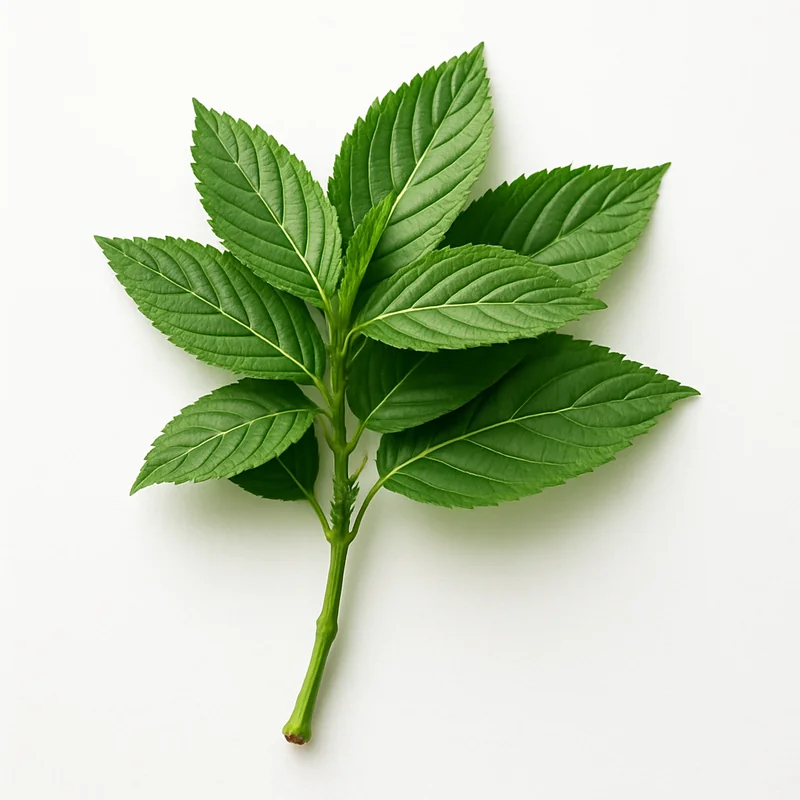
Jute
ScoreA
Jute is a leafy green vegetable rich in iron, calcium, and potassium with minimal calories, making it a nutrient-dense addition to longevity-focused diets. Also known as mallow or ewedu in West African cuisine, it provides substantial micronutrients with exceptional bioavailability.
Why Jute scores 86
% Daily Value per ½ cup (85 g)
Nutrition
per 100 g
Health benefits
Enhanced iron status and oxygen transport capacity
strong evidenceHigh iron content (4.76mg/100g) combined with 37mg vitamin C creates optimal conditions for non-heme iron absorption, directly supporting hemoglobin synthesis and mitochondrial cytochrome function
Bone mineral density support
moderate evidenceProvides 208mg calcium and 64mg magnesium per 100g with favorable Ca:Mg ratios, plus folate for osteoblast function and collagen cross-linking
Cardiovascular regulation and blood pressure control
strong evidence559mg potassium per 100g with minimal sodium (8mg) creates favorable electrolyte ratios supporting vasodilation and reducing sodium-induced hypertension risk
DNA methylation and cellular repair
moderate evidence123mcg folate supports one-carbon metabolism, critical for DNA synthesis, repair, and epigenetic regulation—processes that decline with age
Mucosal barrier integrity
emerging evidencePolysaccharide content and vitamin A (278 IU) support intestinal epithelial tight junctions and immune function, reducing pathogenic translocation
Pairs well with
- ·Pair with lemon juice or fresh tomato-based sauces because the vitamin C (37mg endogenous + dietary C) enhances absorption of jute's 4.76mg iron by up to 3-4 fold
- ·Combine with healthy fats (olive oil, coconut oil, avocado) because fat-soluble vitamin A requires dietary lipids for absorption and transport
- ·Pair with whole grains (quinoa, farro, millet) because the grains' phytate content is modest, and jute's iron content complements grain protein for complete amino acid profiles
- ·Combine with garlic and ginger because their sulfur compounds and polyphenols support iron bioavailability and provide synergistic anti-inflammatory effects
Practical tips
- ·Best timing: midday
- ·Select fresh jute with vibrant green color and no yellowing; store in refrigerator in sealed container for up to 4 days to minimize oxidative losses of iron and vitamin C
- ·Blanch briefly (2-3 minutes) before cooking to reduce antinutrient content while preserving heat-sensitive vitamins; avoid prolonged boiling which leaches potassium and calcium
- ·Consume shortly after cooking to maximize vitamin C retention; reheated jute loses 40-60% of vitamin C content
- ·Include in evening meals to support circadian-aligned iron absorption; iron is better absorbed with dinner when stomach acid is elevated from food intake
- ·If using dried jute, rehydrate in minimal water and reserve soaking liquid for cooking to recapture leached minerals
Related foods
What is Jute actually covering?
See which nutrients your diet already delivers and which ones your supplements still need to — food and pills measured on the same scale.
Check my nutrients2 questions · free · no account needed to start
Also on iPhone — get the free app
Evidence-based supplement guides, no spam
We send a short digest when new guides drop — nothing else. No affiliate pushes, no sponsored content, unsubscribe anytime.