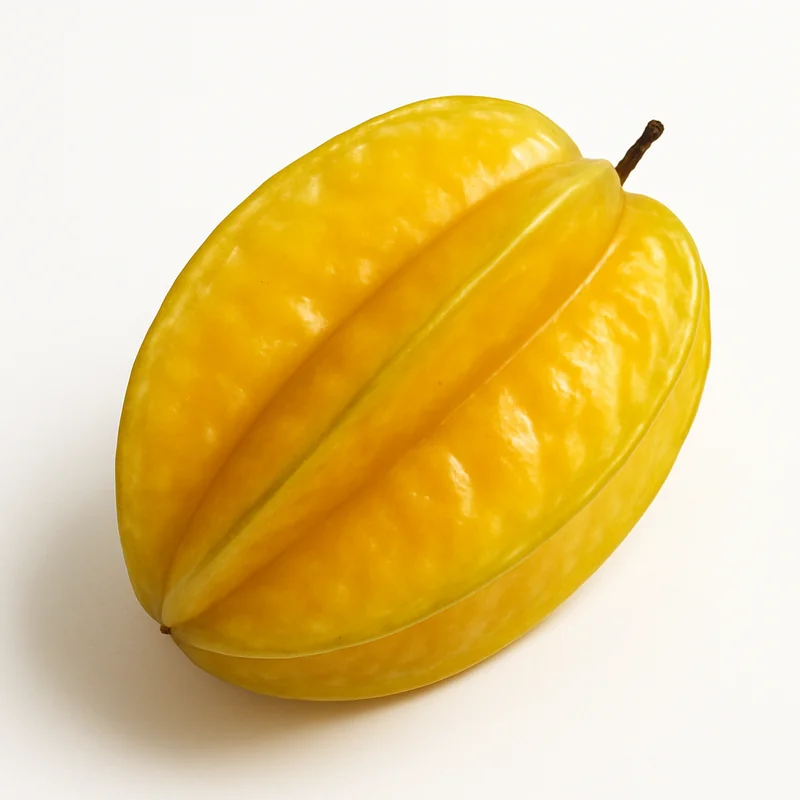
Carambola
ScoreA+
Carambola is a tropical star fruit low in calories and rich in vitamin C and fiber, making it a nutrient-dense addition to longevity-focused diets. Its unique oxalate content and antioxidant profile support immune function and oxidative stress reduction.
Why Carambola scores 91
% Daily Value per 1 medium (140 g)
Nutrition
per 100 g
Health benefits
Enhanced immune function and collagen synthesis
strong evidenceHigh vitamin C content (34.4mg/100g) acts as a cofactor for prolyl and lysyl hydroxylase enzymes, critical for collagen cross-linking and structural integrity. Vitamin C also enhances neutrophil function and antioxidant defense in immune cells.
Improved digestive health and microbiota composition
moderate evidenceSoluble and insoluble fiber (2.8g/100g) acts as prebiotic substrate, selectively promoting beneficial bacteria like Faecalibacterium and Roseburia species, which produce butyrate and support intestinal barrier integrity.
Cardiovascular support through potassium and antioxidant action
moderate evidencePotassium (133mg/100g) supports sodium-potassium pump function and vascular endothelial relaxation. Polyphenols reduce endothelial inflammation and LDL oxidation, key mechanisms in atherosclerosis prevention.
Oxidative stress reduction via polyphenolic compounds
moderate evidenceGallic acid, epicatechin, and quercetin present in carambola donate electrons to free radicals, stabilizing reactive oxygen species (ROS) and reducing age-related cellular damage.
Blood glucose stability and metabolic health
moderate evidenceLow glycemic index (around 21) and minimal simple sugar content minimize postprandial glucose spikes, reducing insulin demand and supporting long-term metabolic resilience.
Pairs well with
- ·Pair with almonds or walnuts because the vitamin C enhances non-heme iron absorption if consumed with iron-rich foods, while monounsaturated fats in nuts improve polyphenol bioavailability.
- ·Combine with Greek yogurt because calcium from yogurt may partially mitigate oxalate absorption, while probiotics support carambola's fiber-driven microbiota benefits.
- ·Mix with leafy greens (spinach, arugula) because carambola's vitamin C boosts iron absorption from greens, creating a synergistic nutrient-dense salad base.
- ·Pair with ginger or turmeric because these rhizomes share complementary anti-inflammatory polyphenols, amplifying antioxidant and anti-inflammatory effects through additive mechanisms.
Practical tips
- ·Best timing: morning
- ·Select firm, unblemished carambola with thin, waxy skin; ripe fruit yields slightly to gentle pressure. Store at room temperature for 2-3 days or refrigerate up to 2 weeks in produce drawer.
- ·Slice crosswise to create distinctive star shapes; consume skin-on to maximize fiber and polyphenol intake. Wash thoroughly under running water to reduce surface bacteria.
- ·Limit intake to 1-2 medium fruits daily if you have a history of kidney issues or hyperoxaluria, due to high oxalate content (around 2.3mg/g fresh weight). Individuals on chronic kidney disease should consult their nephrologist.
- ·Consume fresh and raw rather than cooked to preserve heat-sensitive vitamin C; juice oxidizes rapidly, so drink immediately if juiced.
- ·Pair with adequate hydration; carambola's diuretic properties combined with high water content make it ideal for morning or post-exercise rehydration protocols.
Related foods



What is Carambola actually covering?
See which nutrients your diet already delivers and which ones your supplements still need to — food and pills measured on the same scale.
Check my nutrients2 questions · free · no account needed to start
Also on iPhone — get the free app
Evidence-based supplement guides, no spam
We send a short digest when new guides drop — nothing else. No affiliate pushes, no sponsored content, unsubscribe anytime.