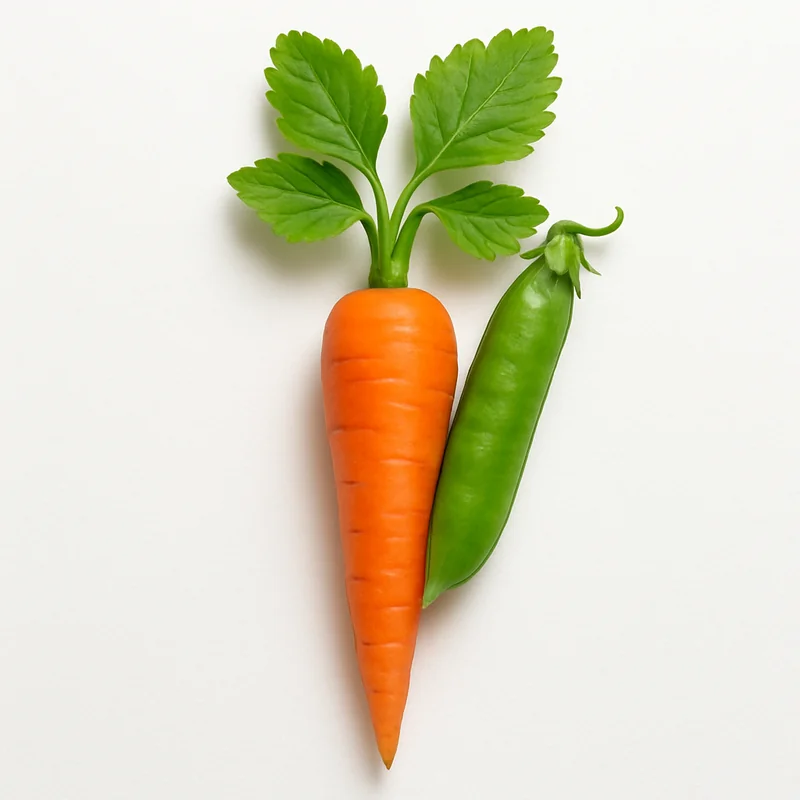
Peas And Carrot
ScoreA+
A nutrient-dense vegetable blend combining sweet peas and carrots, providing plant-based protein, fiber, and carotenoids in a low-calorie package. Rich in vitamin A and folate, this combination supports vision, cellular health, and longevity-related metabolic pathways.
Why Peas And Carrot scores 94
% Daily Value per ½ cup (85 g)
Nutrition
per 100 g
Health benefits
Supports cardiovascular health and blood pressure regulation
strong evidencePotassium promotes vasodilation and sodium-potassium pump function; folate reduces homocysteine, a cardiovascular risk factor
Enhances eye health and reduces macular degeneration risk
strong evidenceBeta-carotene and lutein accumulate in the macula and lens, protecting against oxidative photodamage
Promotes healthy aging through gut microbiota diversity
moderate evidenceFiber and resistant starch feed beneficial bacteria, increasing short-chain fatty acid production, which supports intestinal barrier integrity and systemic immunity
Supports DNA methylation and one-carbon metabolism
moderate evidenceFolate and choline serve as methyl donors, crucial for gene expression regulation and epigenetic stability with age
Stabilizes blood glucose and insulin response
moderate evidenceHigh fiber-to-carbohydrate ratio slows glucose absorption; resistant starch in cooled peas improves insulin sensitivity
Pairs well with
- ·Pair with olive oil: fat-soluble carotenoids (beta-carotene, lutein) require dietary lipids for absorption; olive oil's polyphenols add antioxidant synergy
- ·Combine with leafy greens (spinach, kale): vitamin K from greens enhances calcium absorption; additional folate and antioxidants amplify one-carbon metabolism benefits
- ·Mix with whole grains (brown rice, quinoa): complementary amino acid profiles create complete protein; fiber synergy slows glycemic response
- ·Serve with garlic or onions: sulfur compounds enhance gut barrier function and modulate microbiota composition synergistically with vegetable fiber
Practical tips
- ·Best timing: Low glycemic load, fiber content, and absence of stimulants make peas and carrots suitable for any meal. Midday consumption with complex carbs optimizes sustained energy; evening consumption with protein supports satiety and overnight microbiota fermentation.
- ·Cook lightly or consume raw to preserve heat-sensitive vitamin C (8.1 mg per 100g); brief steaming (3-4 min) maintains fiber while preserving carotenoid bioavailability better than boiling
- ·Cool cooked peas to room temperature before storage: this increases resistant starch content, enhancing prebiotic function and glycemic stability
- ·Buy frozen peas and carrots as a standard option—flash-freezing at peak ripeness locks in micronutrient density and often exceeds fresh produce shelf-stored for days
- ·Pair each serving with a healthy fat source (nuts, seeds, olive oil) to maximize absorption of fat-soluble vitamins A and K
- ·Consume as part of mixed meals rather than in isolation to moderate glycemic load and ensure complementary amino acid intake
Related foods
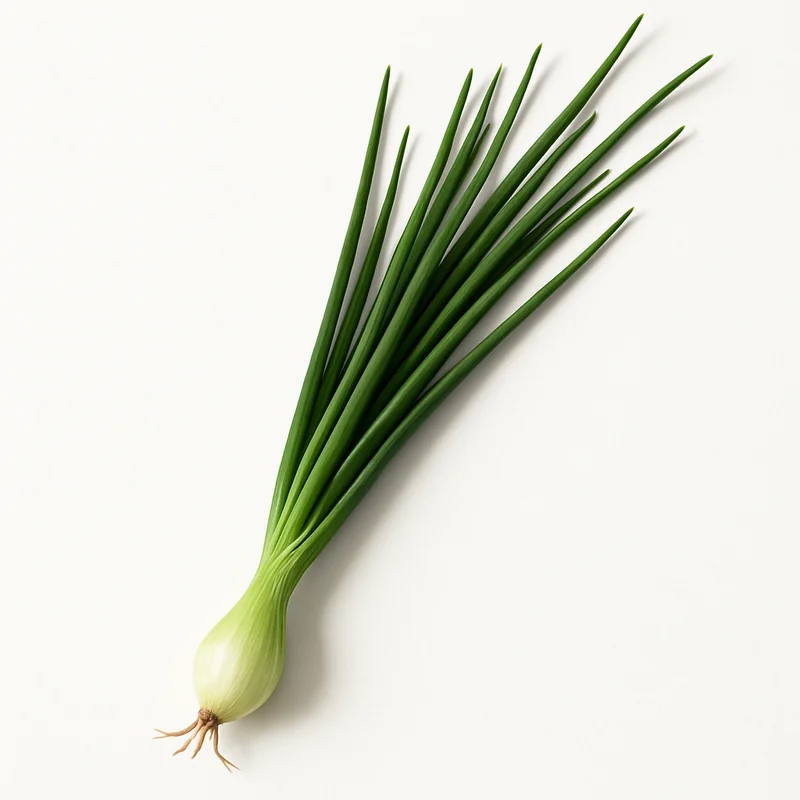
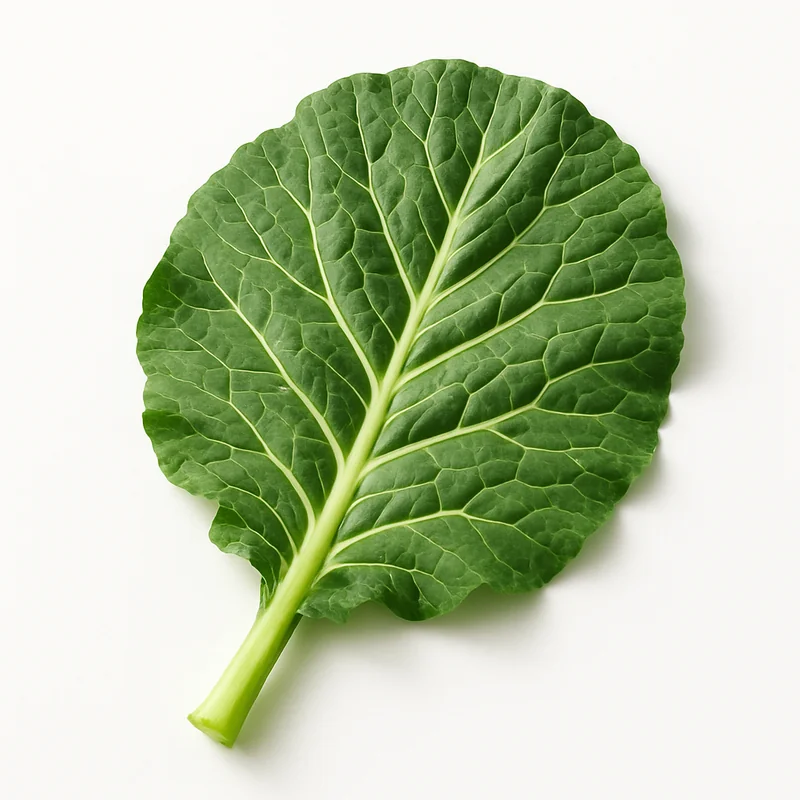
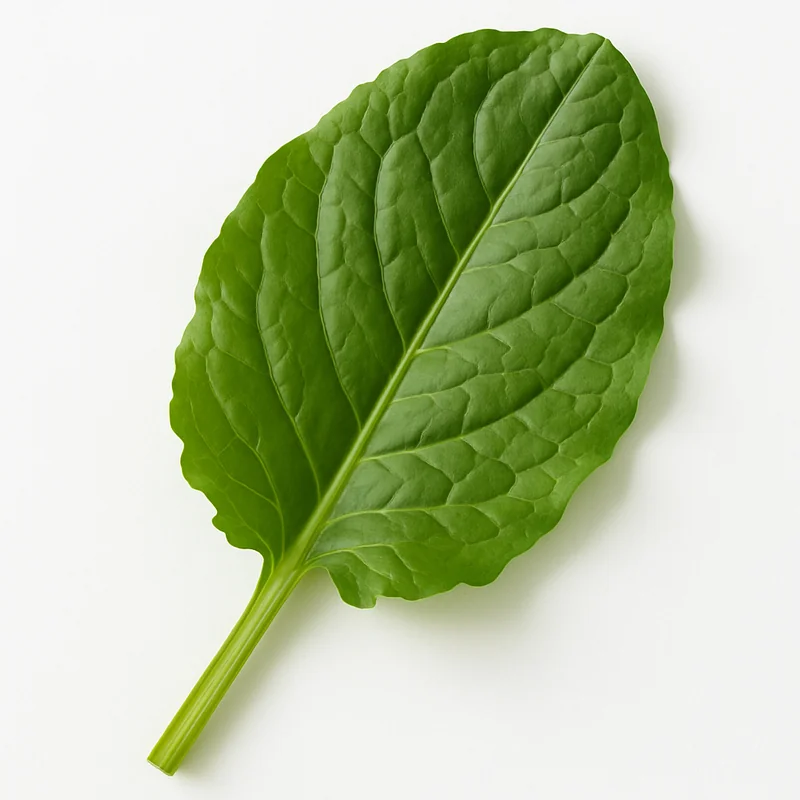
What is Peas And Carrot actually covering?
See which nutrients your diet already delivers and which ones your supplements still need to — food and pills measured on the same scale.
Check my nutrients2 questions · free · no account needed to start
Also on iPhone — get the free app
Evidence-based supplement guides, no spam
We send a short digest when new guides drop — nothing else. No affiliate pushes, no sponsored content, unsubscribe anytime.