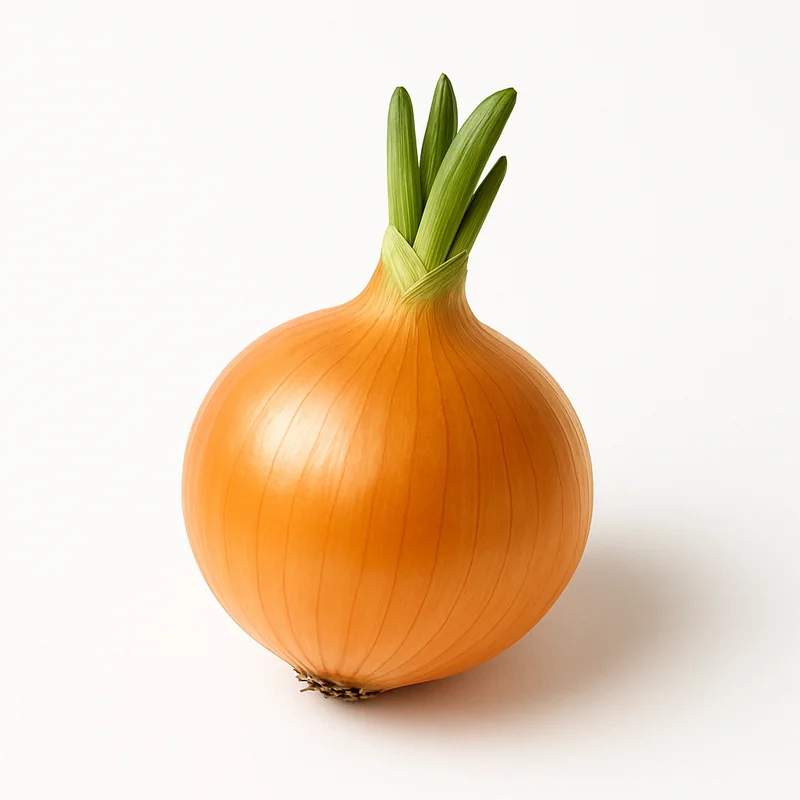
Onions
ScoreA
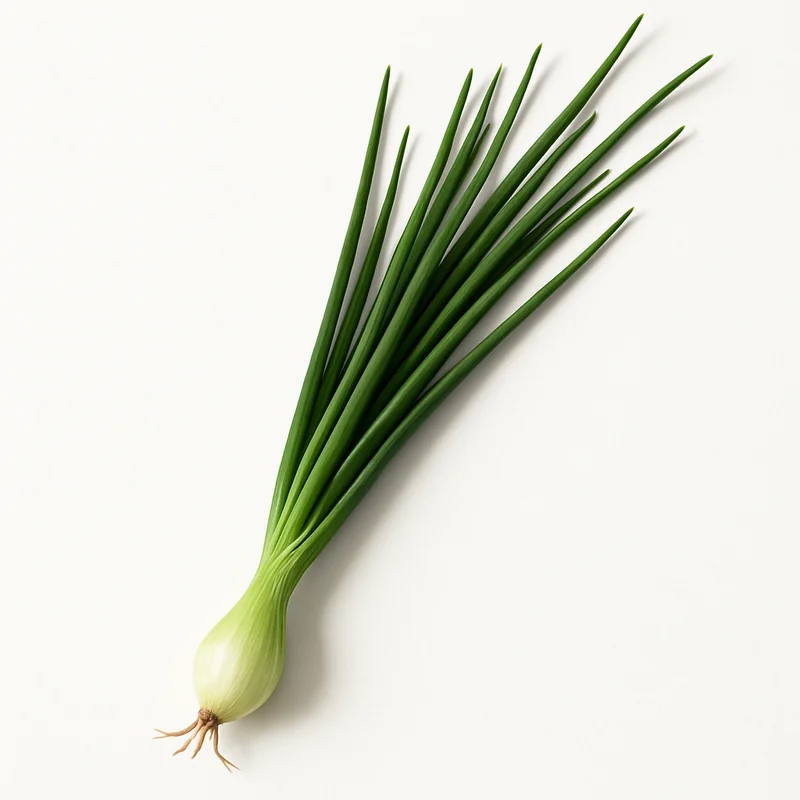
Onions are sulfur-containing bulb vegetables rich in quercetin and other polyphenols, providing anti-inflammatory and antioxidant benefits with minimal calories and carbohydrates (depending on variety).
Why Onions scores 83
% Daily Value per ½ cup (85 g)
Nutrition
per 100 g
Health benefits
Cardiovascular protection through reduced inflammation and blood pressure modulation
moderate evidenceQuercetin and organosulfur compounds inhibit inflammatory pathways and improve endothelial function, while chromium and inulin support healthy cholesterol and triglyceride levels
Improved glycemic control and insulin sensitivity
moderate evidenceInulin acts as prebiotic fiber slowing glucose absorption, while quercetin enhances insulin secretion and may improve pancreatic beta-cell function
Enhanced bone density and reduced osteoporosis risk
moderate evidenceOrganosulfur compounds may inhibit osteoclast-mediated bone resorption and promote osteoblast activity, particularly beneficial in postmenopausal women
Prebiotic-driven gut microbiota health and increased short-chain fatty acid production
strong evidenceInulin fermentation by beneficial bacteria increases butyrate production, strengthening intestinal barrier function and reducing systemic inflammation
Antioxidant and anti-cancer potential through quercetin and organosulfur compounds
emerging evidenceQuercetin scavenges free radicals and modulates apoptotic pathways; organosulfur compounds induce phase I/II detoxification enzymes
Pairs well with
- ·Pair raw onions with tomatoes in salads because raw preparation maximizes organosulfur compound bioavailability, and tomato lycopene absorption is enhanced by dietary fat from olive oil dressing
- ·Combine caramelized onions with garlic because both contain complementary organosulfur compounds that synergistically enhance anti-inflammatory effects
- ·Pair onions with cruciferous vegetables (broccoli, cabbage) because both provide glucosinolates and organosulfur compounds that work through overlapping detoxification pathways
- ·Combine onions with healthy fats (olive oil, avocado) because quercetin is fat-soluble, requiring dietary lipids for optimal absorption in the small intestine
Practical tips
- ·Best timing: Onions lack bioactive compounds requiring specific circadian timing. Consuming throughout the day optimizes cumulative prebiotic fiber intake and polyphenol exposure. Raw or lightly cooked preparations at any meal support consistent anti-inflammatory and metabolic benefits.
- ·Consume onions raw or lightly cooked to preserve heat-sensitive organosulfur compounds; cooking beyond 20 minutes significantly reduces thiosulfate concentrations
- ·Store whole onions in cool, dark, well-ventilated conditions (50-70°F) to extend shelf life up to 2-3 months without refrigeration; avoid plastic bags which trap moisture
- ·Slice or chop onions 10-15 minutes before consumption or cooking to allow enzymatic activation of organosulfur compounds; let sit at room temperature to maximize conversion
- ·Prioritize red and yellow onions over white varieties, which contain 2-3x higher quercetin and polyphenol concentrations for equivalent intake
Related foods
What is Onions actually covering?
See which nutrients your diet already delivers and which ones your supplements still need to — food and pills measured on the same scale.
Check my nutrients2 questions · free · no account needed to start
Also on iPhone — get the free app
Evidence-based supplement guides, no spam
We send a short digest when new guides drop — nothing else. No affiliate pushes, no sponsored content, unsubscribe anytime.