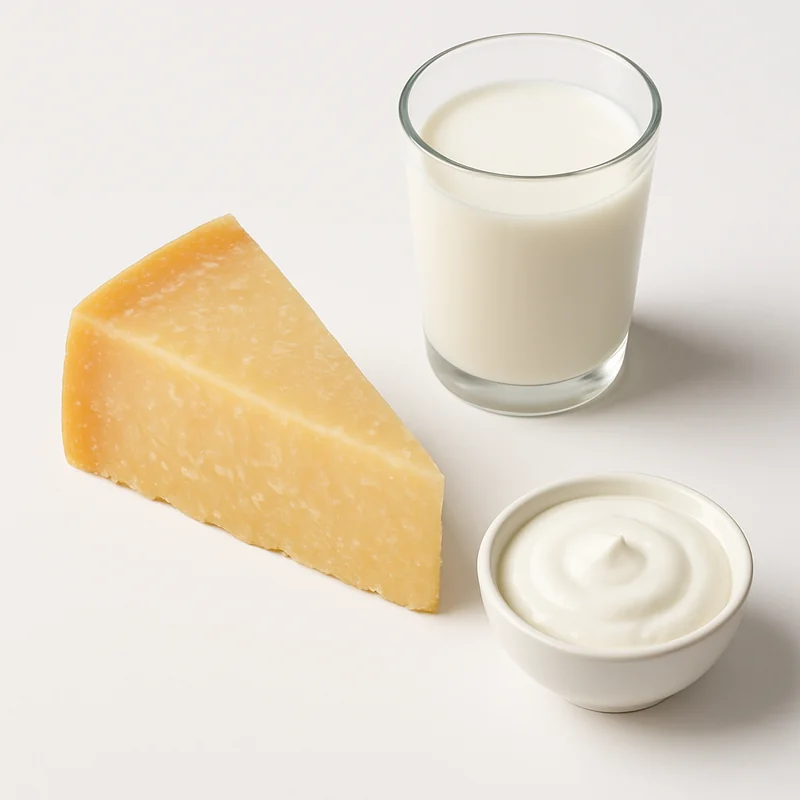
Parmesan
ScoreC
Parmesan is an aged hard cheese rich in protein, calcium, and bioactive compounds that develop during fermentation. Its concentrated nutrient profile and umami flavor make it a longevity-supporting addition to balanced meals.
Why Parmesan scores 57
% Daily Value per 1 oz (30 g)
Nutrition
per 100 g
Health benefits
Supports bone mineral density and skeletal strength
strong evidenceHigh calcium (1184mg) and phosphorus (694mg) provide the mineral matrix essential for bone formation and remodeling, with a favorable 1.7:1 Ca:P ratio optimal for absorption
Enhances muscle protein synthesis and maintenance
strong evidence38.5g protein per 100g provides complete amino acid profile including leucine, which activates mTOR pathway for muscle protein synthesis—particularly important for sarcopenia prevention in aging
Supports immune function through bioactive peptides
moderate evidenceFermentation generates casomorphins and other peptides with immunomodulatory properties; aging also concentrates immunoglobulins and antimicrobial compounds
Promotes satiety and metabolic health
moderate evidenceGlutamates and nucleotides (inosinate, guanylate) trigger umami taste receptors, enhancing satiety signals and reducing overall energy intake at meals
Provides bioavailable micronutrients for cardiovascular function
moderate evidenceZinc (2.75mg) and vitamin B12 (1.2mcg) support endothelial function and homocysteine metabolism, reducing cardiovascular disease risk
Pairs well with
- ·Pair with cruciferous vegetables (broccoli, Brussels sprouts) because sulfur compounds enhance absorption of minerals and create synergistic anti-inflammatory effects
- ·Combine with tomato-based dishes because lycopene absorption is enhanced by dietary fat in Parmesan, and acidity aids mineral bioavailability
- ·Add to legume dishes because complementary amino acids in beans and lentils create a complete protein profile while Parmesan's umami amplifies plant-based satiety
- ·Use with olive oil in finishing because polyphenols in extra-virgin oil synergize with Parmesan's fat-soluble vitamin A and enhance anti-inflammatory signaling
- ·Pair with leafy greens (spinach, kale) because calcium in Parmesan is absorbed independently of oxalates, and the combination maximizes bone-supporting micronutrients
Practical tips
- ·Best timing: Parmesan's complete amino acid profile and high protein density support muscle synthesis throughout the day. Adding small amounts to lunch or dinner enhances satiety and micronutrient intake without disrupting sleep (unlike large cheese portions). Its lactose-free nature means no digestive timing constraints.
- ·Use a microplane grater to create fine shards—this increases surface area for umami perception, allowing smaller portions (10-15g) to satisfy as much as 30g of block cheese
- ·Store in parchment paper (not plastic) in the coldest section of refrigerator; tightly wrapped Parmesan can last 12+ months and continues developing beneficial peptides
- ·Limit portions to 30-40g per meal due to high sodium (460-610mg per serving); this satisfies protein and mineral needs while staying within daily sodium targets
- ·Add Parmesan to foods after cooking rather than during to preserve heat-sensitive bioactive peptides and maximize umami impact with minimal quantity
- ·Choose PDO-certified Parmigiano-Reggiano when possible—regulated aging processes ensure consistent levels of bioactive peptides and absence of additives
Related foods
What is Parmesan actually covering?
See which nutrients your diet already delivers and which ones your supplements still need to — food and pills measured on the same scale.
Check my nutrients2 questions · free · no account needed to start
Also on iPhone — get the free app
Evidence-based supplement guides, no spam
We send a short digest when new guides drop — nothing else. No affiliate pushes, no sponsored content, unsubscribe anytime.