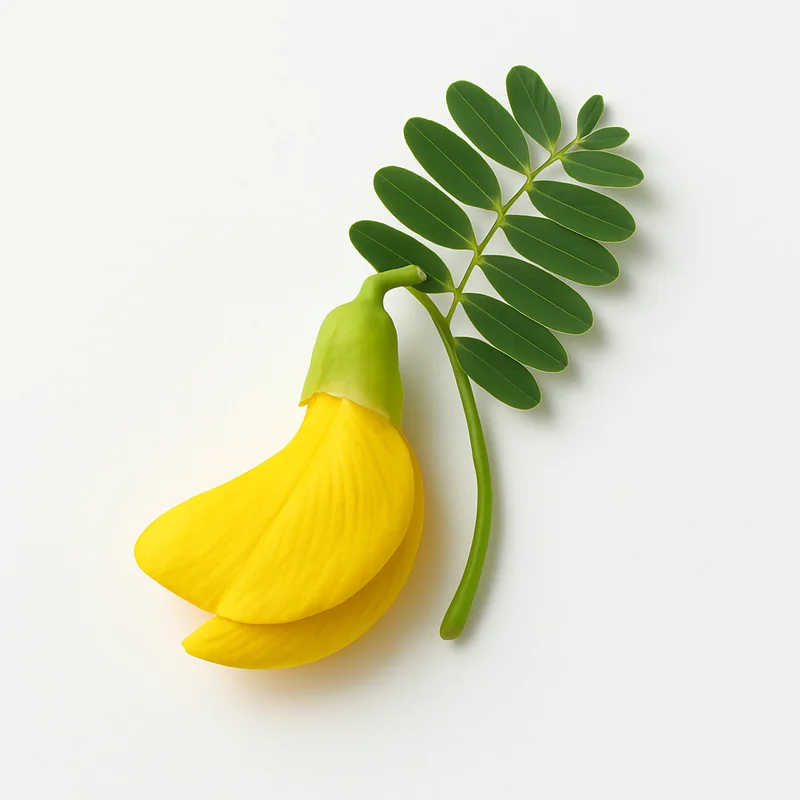
Sesbania Flower
ScoreA
Sesbania flowers are edible blooms from the dhaincha plant, prized in South Asian cuisines for their delicate texture and exceptional micronutrient density. Rich in vitamin C, folate, and potassium, they support immune function and cardiovascular health with minimal caloric burden.
Why Sesbania Flower scores 82
% Daily Value per ½ cup (85 g)
Nutrition
per 100 g
Health benefits
Enhanced immune function and antioxidant protection
strong evidenceHigh vitamin C concentration (73 mg/100g) and polyphenolic compounds stimulate collagen synthesis, support immune cell function, and neutralize oxidative stress implicated in aging and chronic disease
Cardiovascular and homocysteine regulation
moderate evidenceFolate (102 mcg/100g) reduces homocysteine levels, a recognized cardiovascular risk factor, while potassium (184 mg/100g) supports vascular endothelial function and blood pressure regulation
Anti-inflammatory and cellular protection
emerging evidenceFlavonoids and phenolic compounds inhibit pro-inflammatory cytokines and provide cytoprotective effects against cellular damage and premature senescence
Blood sugar stability and metabolic support
emerging evidenceLow glycemic load combined with polyphenolic compounds that modulate glucose absorption and enhance insulin sensitivity
Pairs well with
- ·Pair with citrus fruits or tomatoes because they enhance non-heme iron absorption through synergistic vitamin C (sesbania provides 73 mg; citrus adds additional ascorbic acid)
- ·Combine with healthy fats (olive oil, coconut oil) because fat-soluble polyphenol absorption is enhanced, improving bioavailability of antioxidant compounds
- ·Serve with legumes or whole grains because complementary amino acid profiles create complete protein, and plant compounds enhance mineral bioavailability
- ·Pair with leafy greens because combined folate content supports one-carbon metabolism more effectively than either food alone
Practical tips
- ·Best timing: The minimal sodium, low caloric density, and high micronutrient profile make sesbania flowers appropriate at any meal. Consumption with lunch or dinner allows fat-soluble polyphenol absorption if paired with dietary fat. No stimulant compounds restrict timing.
- ·Select fresh flowers with vibrant coloring and firm petals; avoid browning or wilting. Store in refrigerator wrapped in damp paper towel for up to 3-4 days maximum for peak nutrient retention
- ·Gently rinse flowers just before use to preserve delicate petals; pat dry to prevent water damage. Minimize cooking time—light steaming (2-3 minutes) or quick stir-frying preserves heat-sensitive vitamin C
- ·Purchase from South Asian grocery stores, farmers markets, or specialty online vendors; increasingly available in regions with large Southeast Asian populations
- ·Add flowers at the final stages of cooking to soups, curries, or stir-fries to preserve micronutrient density and delicate flavor profile
- ·Consume within a few days of purchase; frozen flowers lose textural quality but retain most micronutrient content if blanched before freezing
Related foods
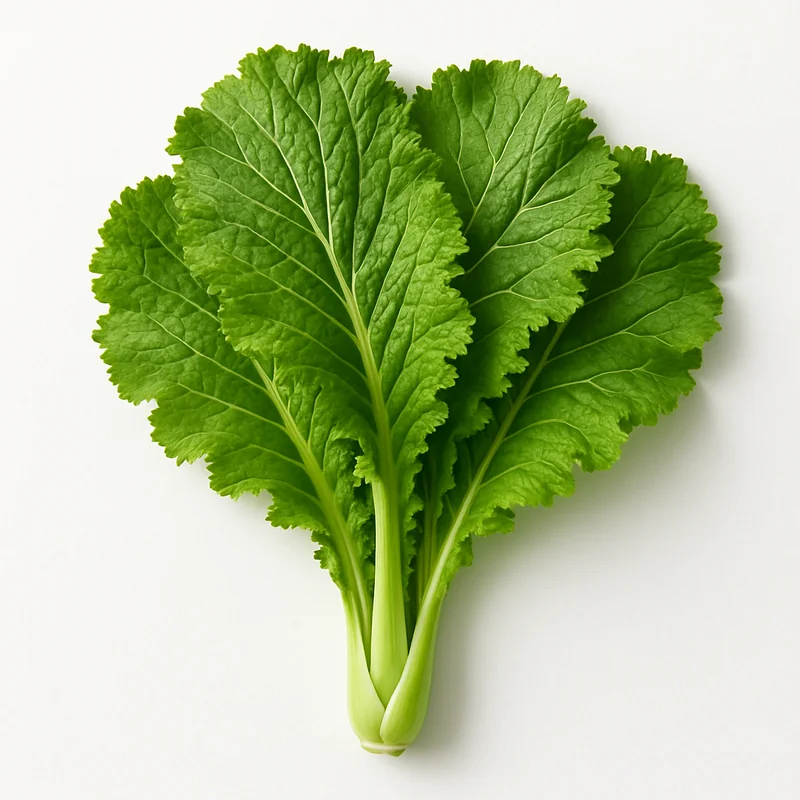
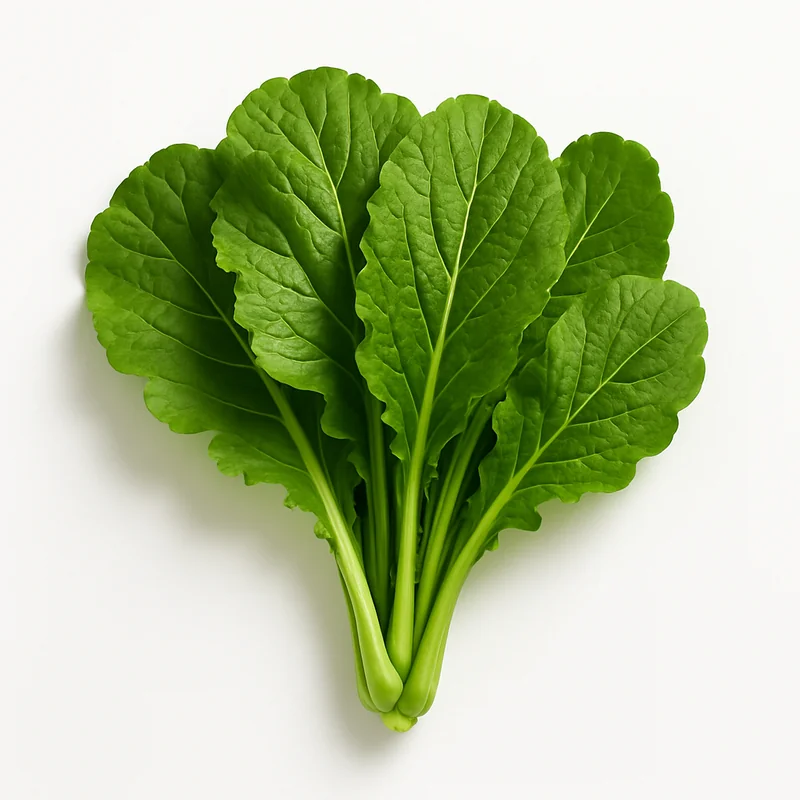
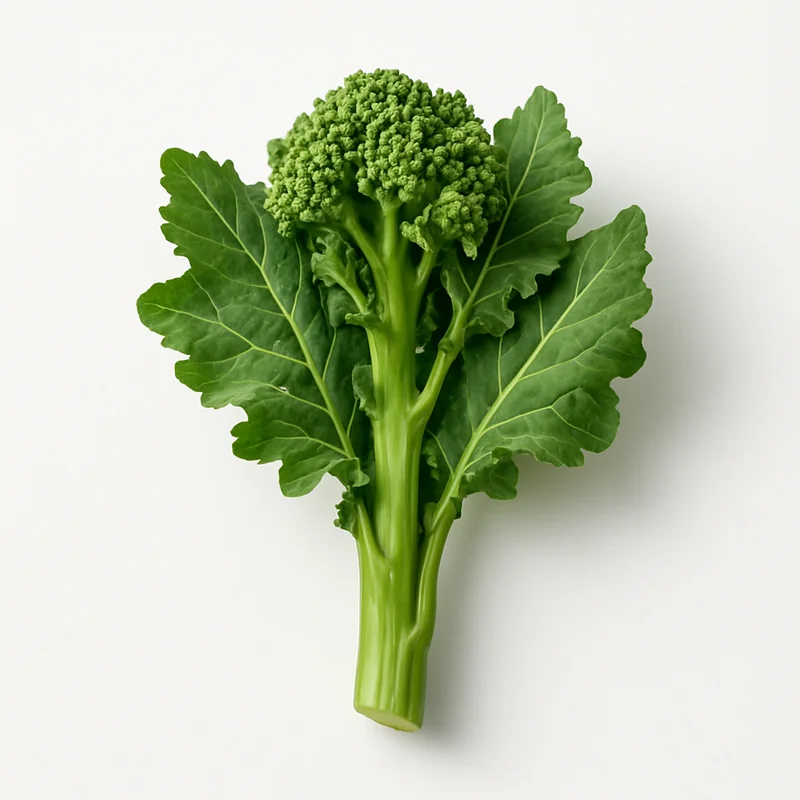
What is Sesbania Flower actually covering?
See which nutrients your diet already delivers and which ones your supplements still need to — food and pills measured on the same scale.
Check my nutrients2 questions · free · no account needed to start
Also on iPhone — get the free app
Evidence-based supplement guides, no spam
We send a short digest when new guides drop — nothing else. No affiliate pushes, no sponsored content, unsubscribe anytime.