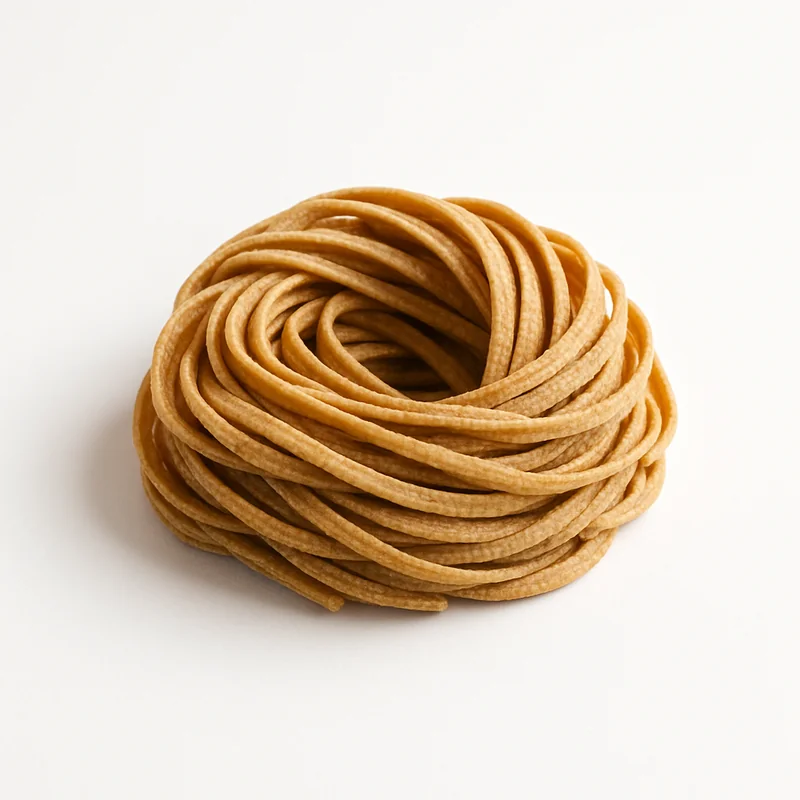
Noodle
ScoreB
Noodles are a grain-based staple made from wheat flour and water, providing significant carbohydrates and iron for energy and oxygen transport. They serve as a versatile foundation for balanced meals when paired with nutrient-dense foods.
Why Noodle scores 70
% Daily Value per ½ cup (50 g)
Nutrition
per 100 g
Health benefits
Sustained energy and reduced blood sugar volatility
strong evidenceWhole grain noodles contain fiber (6.7g per 100g) that slows glucose absorption, preventing rapid insulin spikes and supporting stable blood glucose levels essential for metabolic health and longevity
Iron status and oxygen transport efficiency
strong evidenceNoodles provide 6.43mg iron per 100g; when consumed with vitamin C sources, non-heme iron bioavailability increases substantially, supporting hemoglobin synthesis and aerobic capacity with age
Folate-dependent cellular methylation and DNA integrity
strong evidenceFolate (125mcg per 100g) serves as a critical cofactor in one-carbon metabolism, supporting DNA synthesis and repair mechanisms that decline with age and accumulate damage
Selenium-dependent antioxidant defense
moderate evidenceSelenium (28.5mcg per 100g) is incorporated into selenoproteins including glutathione peroxidase, which neutralizes reactive oxygen species and supports cellular longevity pathways
Prebiotic fiber support for gut microbiota diversity
moderate evidenceThe 6.7g fiber per 100g (particularly in whole grain varieties) serves as substrate for beneficial bacterial fermentation, producing short-chain fatty acids that support intestinal barrier function and immune regulation
Pairs well with
- ·Pair with citrus juice, tomatoes, or bell peppers because vitamin C dramatically increases non-heme iron absorption from noodles by up to 300%, optimizing bioavailability of the 6.43mg iron per 100g
- ·Combine with legumes (lentils, chickpeas) or tofu because complementary amino acid profiles create complete protein sources, supporting muscle maintenance and sarcopenia prevention with advancing age
- ·Mix with leafy greens (spinach, kale) because both folate-rich foods synergistically support methylation pathways and the chlorophyll aids iron absorption efficiency
- ·Add olive oil or nuts because monounsaturated and polyunsaturated fats slow gastric emptying, reducing glycemic impact and supporting sustained satiety and micronutrient absorption
Practical tips
- ·Best timing: midday
- ·Choose whole grain, legume-based, or enriched noodle varieties over refined white noodles to maximize fiber (target 6+ grams per 100g) and stabilize postprandial glucose response
- ·Rinse cooked noodles with water only if using packaged instant varieties high in sodium; aim to keep total meal sodium under 1000mg by limiting added salt and paired condiments
- ·Store dried noodles in airtight containers in a cool, dry place away from moisture and light to preserve micronutrient integrity—selenium and folate are sensitive to oxidation
- ·Prepare noodle dishes by cooking al dente (firm texture) rather than soft to maintain lower glycemic index; overcooked starch becomes more readily digestible and glucose-spiking
- ·Use noodles as a vehicle for nutrient-dense toppings: aim for 1 part noodles to 2 parts vegetables, legumes, and protein to optimize micronutrient density and fiber ratio per meal
Related foods
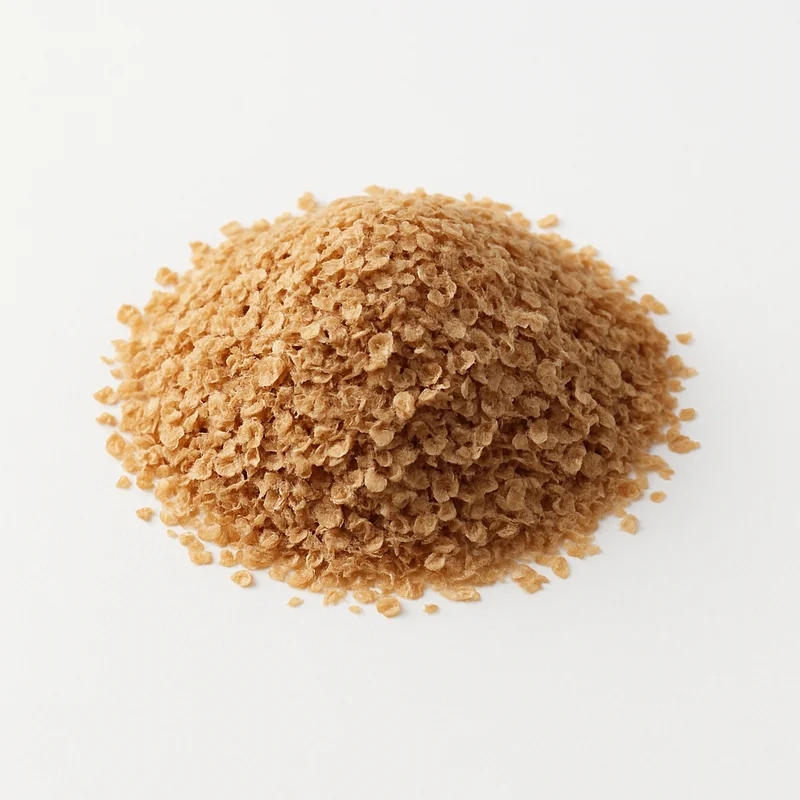
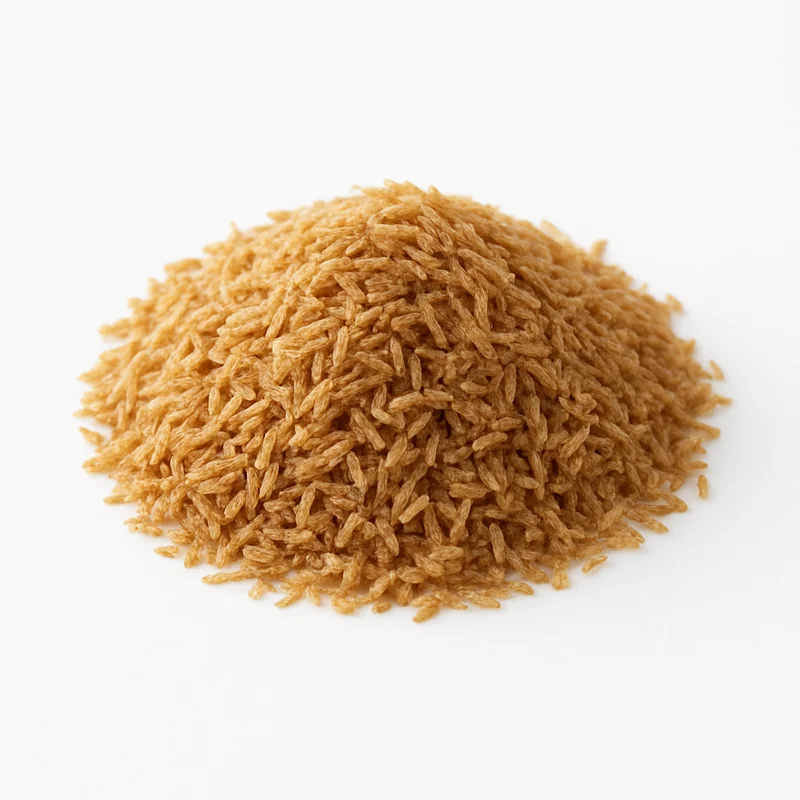
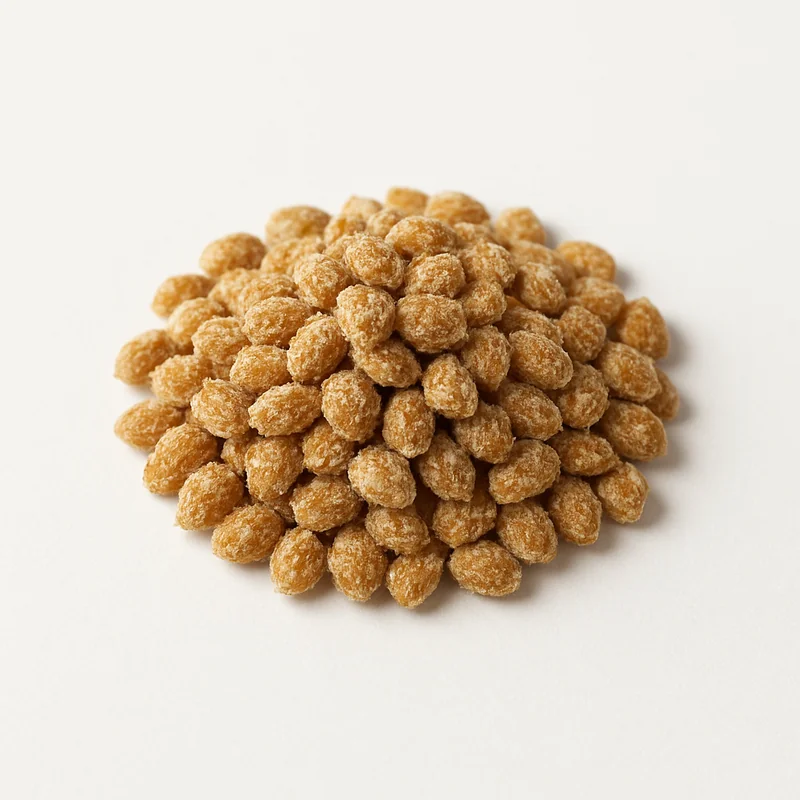
What is Noodle actually covering?
See which nutrients your diet already delivers and which ones your supplements still need to — food and pills measured on the same scale.
Check my nutrients2 questions · free · no account needed to start
Also on iPhone — get the free app
Evidence-based supplement guides, no spam
We send a short digest when new guides drop — nothing else. No affiliate pushes, no sponsored content, unsubscribe anytime.