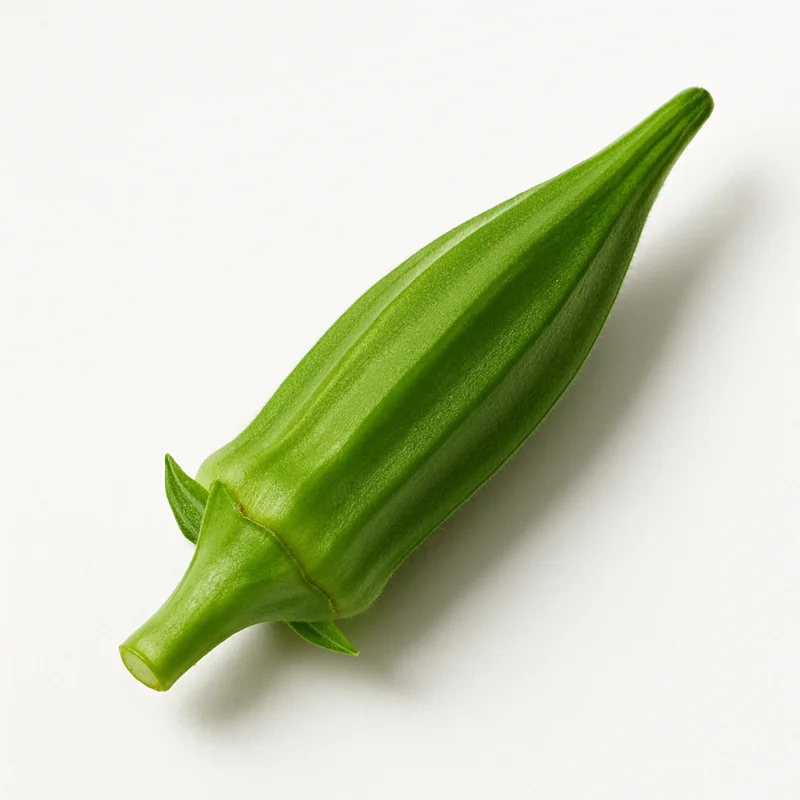
Okra
ScoreA+
Okra is a nutrient-dense, low-calorie vegetable rich in fiber, vitamin K, and polyphenols, offering cardiovascular and metabolic support with minimal caloric burden.
Why Okra scores 93
% Daily Value per ½ cup (85 g)
Nutrition
per 100 g
Health benefits
Supports blood sugar regulation and insulin sensitivity
moderate evidenceSoluble fiber (mucilage) in okra slows gastric emptying and glucose absorption, reducing postprandial blood glucose spikes and improving insulin sensitivity over time
Promotes cardiovascular health and blood pressure regulation
moderate evidenceHigh potassium content combined with polyphenols supports vasodilation, reduces arterial stiffness, and aids sodium balance, lowering hypertension risk
Enhances gut microbiome diversity and function
moderate evidenceSoluble fiber acts as prebiotic substrate, selectively feeding beneficial bacteria and producing short-chain fatty acids that strengthen gut barrier integrity
Reduces inflammation and oxidative stress
moderate evidencePolyphenols (quercetin, kaempferol) scavenge free radicals and inhibit pro-inflammatory pathways, supporting cellular longevity
Supports bone health through vitamin K-dependent processes
strong evidenceVitamin K activates osteocalcin and matrix Gla protein, proteins essential for bone mineralization and vascular calcification prevention
Pairs well with
- ·Pair with healthy fats (olive oil, avocado) to enhance absorption of fat-soluble vitamin K and increase polyphenol bioavailability
- ·Combine with tomatoes to amplify antioxidant effects through lycopene + polyphenol synergy and support anti-inflammatory response
- ·Pair with legumes (lentils, chickpeas) to create complete protein profiles and maximize fiber's prebiotic effect on colonic fermentation
- ·Combine with alliums (garlic, onions) to enhance sulfur compound interactions that amplify detoxification enzyme activation
Practical tips
- ·Best timing: midday
- ·Select smaller, tender pods (3-4 inches) which have less mucilage and a more pleasant texture; larger pods become fibrous and tough
- ·Minimize mucilage sliminess by cooking okra with acidic ingredients (tomato, lemon, vinegar) or brief high-heat stir-frying rather than prolonged stewing
- ·Store fresh okra in refrigerator crisper for up to 3-4 days; do not wash until ready to use as moisture promotes decay
- ·Cook okra lightly to preserve heat-sensitive vitamin C and polyphenol content; steaming or quick sautéing (3-5 minutes) is optimal
- ·Consume okra regularly (3-4 servings weekly) for sustained prebiotic benefits and blood sugar regulation rather than sporadic consumption
Related foods
What is Okra actually covering?
See which nutrients your diet already delivers and which ones your supplements still need to — food and pills measured on the same scale.
Check my nutrients2 questions · free · no account needed to start
Also on iPhone — get the free app
Evidence-based supplement guides, no spam
We send a short digest when new guides drop — nothing else. No affiliate pushes, no sponsored content, unsubscribe anytime.