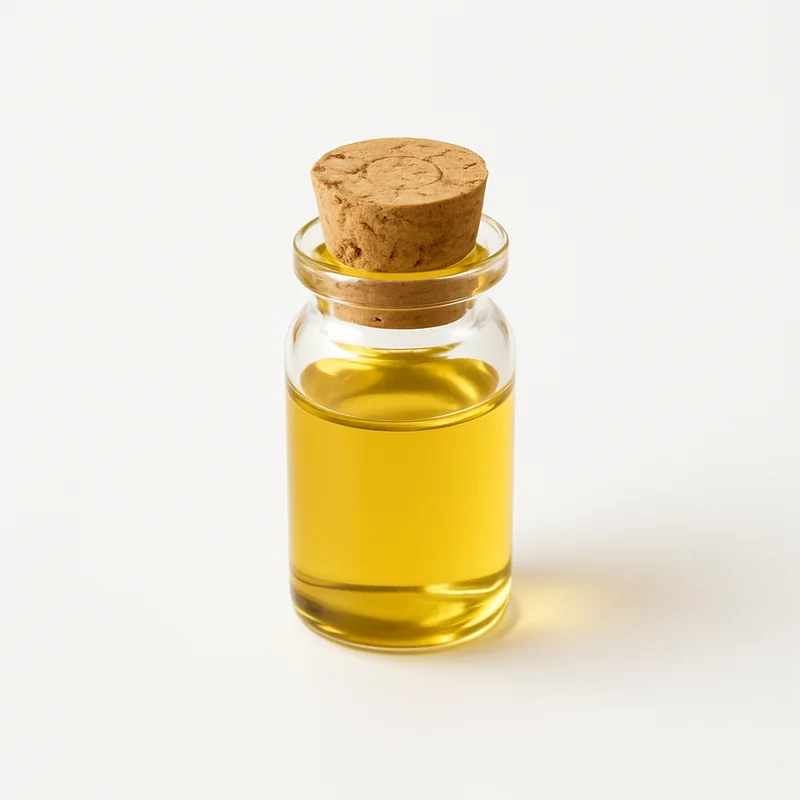
Prairie Turnip
ScoreB
Prairie turnip (tipsin) is a starchy root vegetable traditionally cultivated by Indigenous peoples of North America, offering substantial fiber and resistant starch with minimal fat content.
Why Prairie Turnip scores 64
% Daily Value per ½ cup (85 g)
Nutrition
per 100 g
Health benefits
Supports gut microbiota diversity and short-chain fatty acid production through resistant starch
strong evidenceResistant starch functions as a prebiotic substrate, selectively feeding beneficial bacteria (Faecalibacterium, Roseburia) that produce butyrate, enhancing intestinal barrier integrity and reducing systemic inflammation
Promotes sustained satiety and improved glycemic control
moderate evidenceHigh fiber content (7.2g/100g) and resistant starch slow gastric emptying and reduce glucose spike, improving insulin sensitivity and reducing postprandial blood sugar fluctuations
Supports bone mineral density through mineral density
moderate evidenceSynergistic calcium (103mg), magnesium (49mg), and phosphorus (20mg) content provides structural cofactors for bone matrix formation and mineral crystallization
Reduces cardiovascular inflammation through potassium-rich mineral profile
moderate evidenceHigh potassium content (108mg) supports vascular endothelial function, reduces arterial stiffness, and helps maintain healthy blood pressure through natriuretic peptide signaling
Enhances antioxidant enzyme activity through manganese cofactors
emerging evidenceManganese (0.209mg) is essential for superoxide dismutase (SOD) function, a primary mitochondrial antioxidant protecting against oxidative stress associated with aging
Pairs well with
- ·Pair with vitamin C-rich foods (citrus, bell peppers, berries) to enhance non-heme iron absorption from prairie turnip's 0.95mg iron content
- ·Combine with healthy fats (olive oil, avocado, nuts) to improve absorption of fat-soluble compounds and provide satiety complementing the high fiber
- ·Pair with fermented vegetables (sauerkraut, kimchi) to synergistically enhance probiotic and prebiotic effects, supporting robust microbiota diversity
- ·Combine with sulfur-rich cruciferous vegetables (broccoli, Brussels sprouts) to amplify Phase II detoxification enzyme activation
Practical tips
- ·Best timing: midday
- ·Purchase dried or fresh prairie turnips from Indigenous-owned suppliers to ensure authenticity and support traditional growers; store dried tubers in cool, dark conditions for 6+ months
- ·Slow-cook prairie turnips (45-60 minutes at low temperature) rather than boiling to maximize resistant starch retention while improving mineral bioavailability
- ·Consume cooled or room-temperature cooked prairie turnip to maximize resistant starch content—reheating after cooling further increases the resistant starch fraction
- ·Portion prairie turnip at 1-1.5 cups (150-200g) cooked per meal to optimize prebiotic fiber intake without exceeding 30g daily total fiber increase, which may cause digestive adjustment
- ·Soak dried prairie turnip overnight before cooking to reduce antinutrient phytates and improve mineral bioavailability by 15-25%
Related foods
What is Prairie Turnip actually covering?
See which nutrients your diet already delivers and which ones your supplements still need to — food and pills measured on the same scale.
Check my nutrients2 questions · free · no account needed to start
Also on iPhone — get the free app
Evidence-based supplement guides, no spam
We send a short digest when new guides drop — nothing else. No affiliate pushes, no sponsored content, unsubscribe anytime.