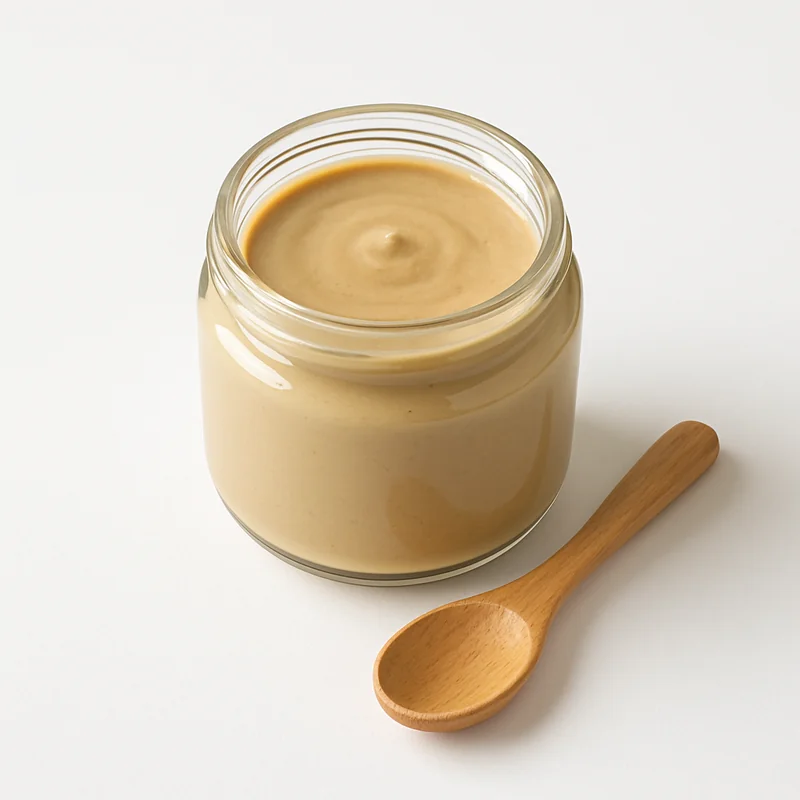
Sesame Seed Butter (Tahini)
ScoreA
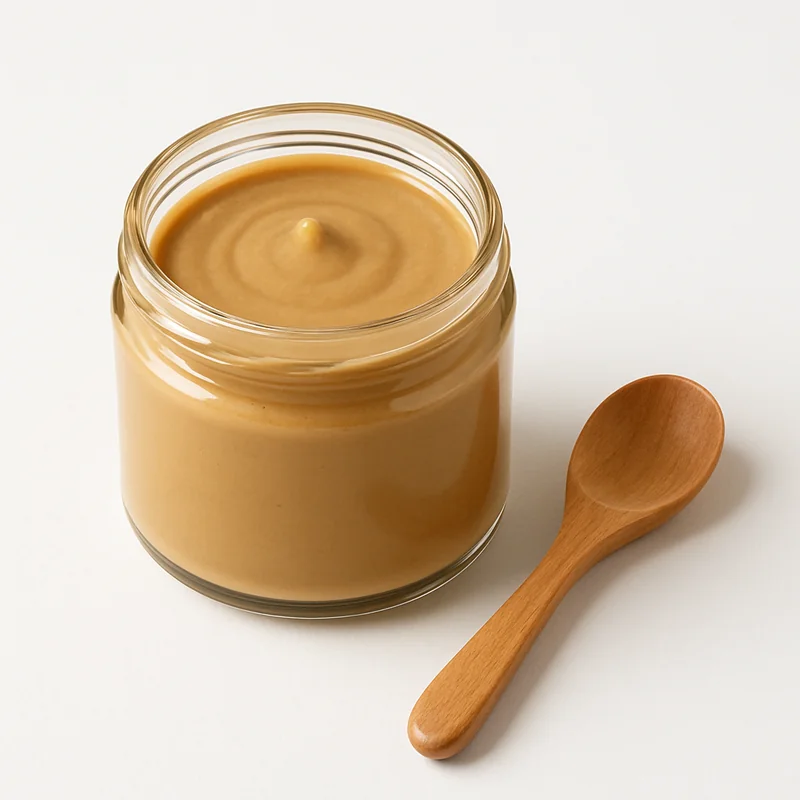
Tahini is a creamy paste made from ground sesame seeds, rich in plant-based protein, healthy fats, and minerals essential for bone health and cardiovascular function.
Why Sesame Seed Butter (Tahini) scores 78
% Daily Value per a handful (32 g)
Nutrition
per 100 g
Health benefits
Supports bone mineral density and reduces osteoporosis risk
strong evidenceHigh bioavailable calcium and magnesium content, combined with phosphorus and zinc, provide structural minerals essential for bone matrix formation and osteoblast function
Reduces cardiovascular disease risk through lipid profile improvement
moderate evidenceLinoleic acid and phytosterols lower LDL cholesterol; lignans improve endothelial function and reduce inflammation in arterial walls
Enhances antioxidant defense and reduces chronic inflammation
moderate evidenceSesamin and sesamolin cross the blood-brain barrier and inhibit NF-κB signaling pathway, reducing pro-inflammatory cytokine production
Supports healthy blood pressure regulation
moderate evidenceMagnesium content promotes vasodilation; sesamin exhibits ACE-inhibitory properties similar to pharmaceutical ACE inhibitors
Provides plant-based bioavailable protein and amino acids for muscle preservation
strong evidenceSesame contains all nine essential amino acids with particularly high methionine content; complementary plant protein source for aging adults
Pairs well with
- ·Pair with vitamin C-rich foods (citrus, tomatoes, bell peppers) to enhance non-heme iron absorption from tahini's 8.9mg iron per 100g
- ·Combine with fermented foods (miso, tempeh, sauerkraut) to synergistically increase mineral bioavailability and support gut microbiota diversity
- ·Mix with whole grains (quinoa, farro, oats) to create complete protein profiles with all essential amino acids in complementary ratios
- ·Pair with leafy greens (kale, spinach) to enhance calcium and magnesium absorption through simultaneous intake of oxalate-binding compounds
Practical tips
- ·Best timing: Tahini's nutrient profile supports sustained energy through balanced protein and healthy fats; mineral content benefits from distributed intake across meals for optimal absorption via multiple transporter systems
- ·Store tahini in cool, dark conditions with the jar inverted monthly; the natural oil separation is normal and beneficial—stir thoroughly before use rather than discarding separated oil
- ·Select unhulled tahini (darker color) over hulled varieties; the seed hull contains additional fiber, calcium, and polyphenols that enhance nutritional density
- ·Use 2-3 tablespoons (32-48g) daily as a practical serving; this delivers approximately 240-360mg bioavailable calcium without excessive caloric intake
- ·Dilute with warm water or plant-based milk to create a pourable consistency for dressings, improving dispersal of bioactive compounds across meals
- ·Toast or gently warm tahini to activate sesamin bioavailability; heating to 160°F (70°C) enhances lignan bioconversion without degrading protein
Related foods
What is Sesame Seed Butter (Tahini) actually covering?
See which nutrients your diet already delivers and which ones your supplements still need to — food and pills measured on the same scale.
Check my nutrients2 questions · free · no account needed to start
Also on iPhone — get the free app
Evidence-based supplement guides, no spam
We send a short digest when new guides drop — nothing else. No affiliate pushes, no sponsored content, unsubscribe anytime.