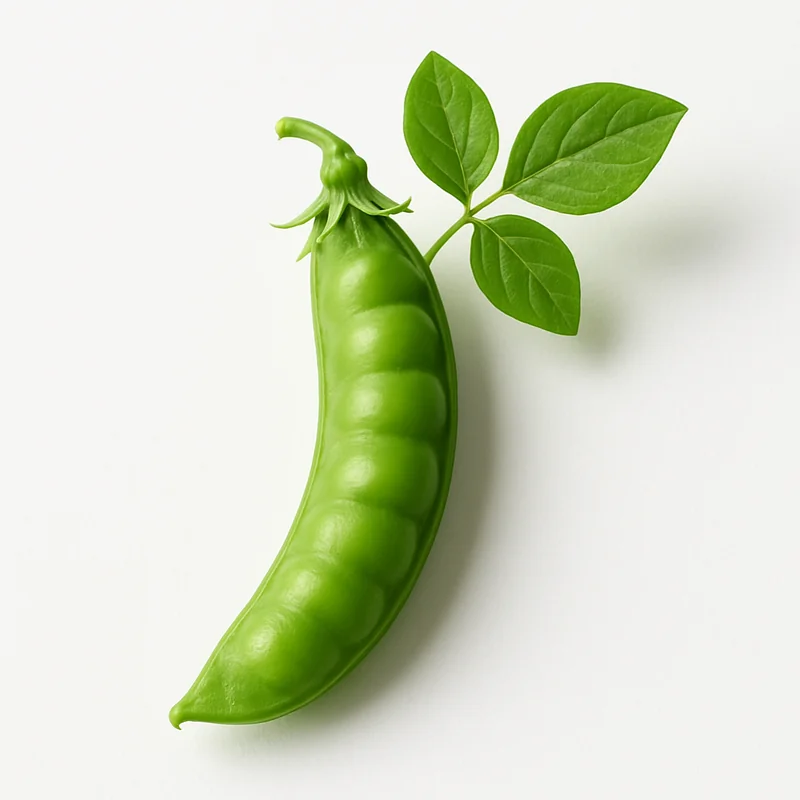
Pea
ScoreA+
Peas are nutrient-dense legumes providing plant-based protein, fiber, and essential vitamins with a low caloric footprint. They support metabolic health and cardiovascular function through their polyphenol and fiber content.
Why Pea scores 94
% Daily Value per ½ cup (85 g)
Nutrition
per 100 g
Health benefits
Supports cardiovascular health and blood pressure regulation
strong evidencePotassium content (200mg/100g) promotes sodium-potassium balance and endothelial function; polyphenols (kaempferol, quercetin) reduce vascular inflammation and improve arterial compliance
Enhances gut microbiota diversity and supports metabolic health
strong evidenceHigh fiber content (2.6g/100g) serves as prebiotic substrate for beneficial bacteria, increasing short-chain fatty acid production which improves insulin sensitivity and lipid metabolism
Provides bioavailable plant-based protein for muscle maintenance
moderate evidence2.8g protein per 100g with favorable amino acid profile including lysine; relatively low arginine:lysine ratio reduces cardiovascular stress compared to other legumes
Supports cognitive function and one-carbon metabolism
moderate evidenceFolate (42mcg/100g) and choline (17.4mg/100g) are essential cofactors for methylation reactions affecting neurotransmitter synthesis and homocysteine metabolism
Reduces systemic inflammation and oxidative stress
emerging evidencePolyphenols (coumestrol, kaempferol) inhibit pro-inflammatory cytokine production and upregulate endogenous antioxidant defenses including SOD and catalase
Pairs well with
- ·Pair with vitamin C-rich foods (bell peppers, tomatoes, citrus) to enhance iron bioavailability from peas' non-heme iron content
- ·Combine with healthy fats (olive oil, avocado) to improve absorption of fat-soluble vitamin K (25mcg/100g) and carotenoid compounds
- ·Mix with whole grains (brown rice, quinoa) to achieve complete amino acid profile and enhance satiety through complementary fiber sources
- ·Serve alongside cruciferous vegetables (broccoli, kale) to amplify polyphenol diversity and synergistic anti-inflammatory effects
- ·Pair with herbs like turmeric or ginger to enhance bioavailability of pea polyphenols through curcumin and gingerol interaction
Practical tips
- ·Best timing: midday
- ·Freeze fresh peas within 24 hours of harvest to preserve heat-sensitive vitamin C and lock in polyphenol content—frozen peas often exceed fresh in nutrient density
- ·If using dried peas, soak for 8-12 hours and cook until tender (20-30 minutes) to reduce oligosaccharides that cause bloating while maintaining protein and fiber
- ·Store frozen peas at 0°F or below; use within 8-12 months to minimize nutrient degradation from oxidative damage
- ·Add peas in the final 5 minutes of cooking to preserve vitamin C content; longer cooking reduces bioavailable antioxidants by up to 30%
- ·Consume 150-200g peas (fresh or frozen equivalent) 2-3 times weekly to achieve meaningful cardiovascular and microbiota benefits without excessive purine accumulation
Related foods
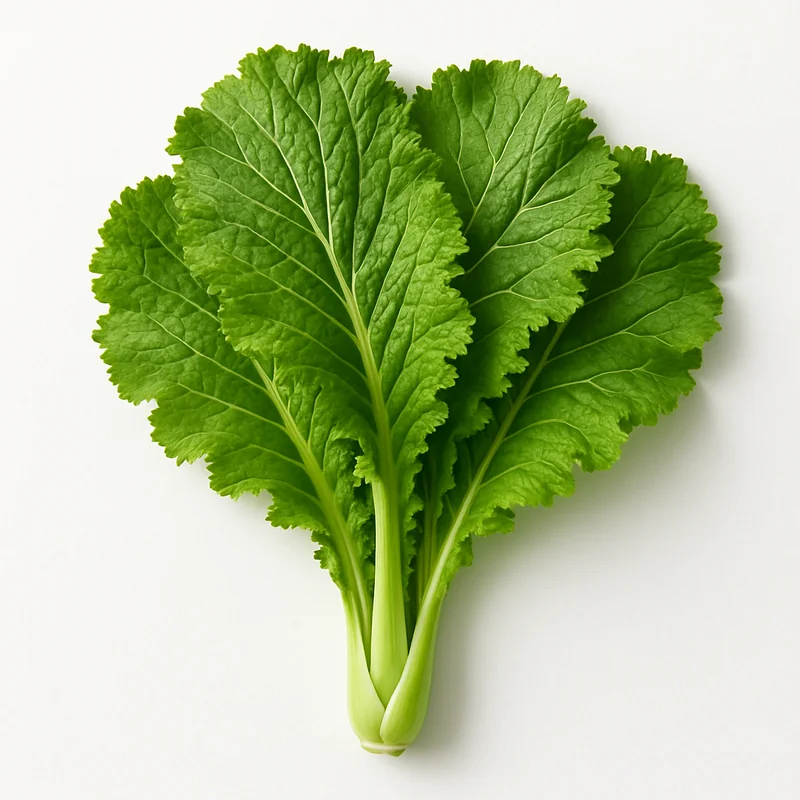
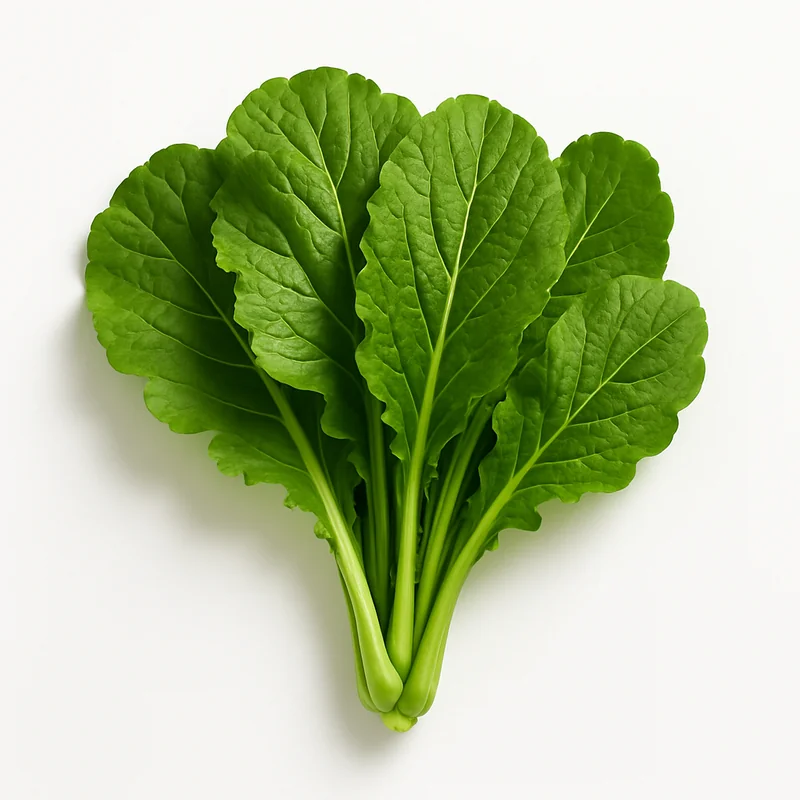
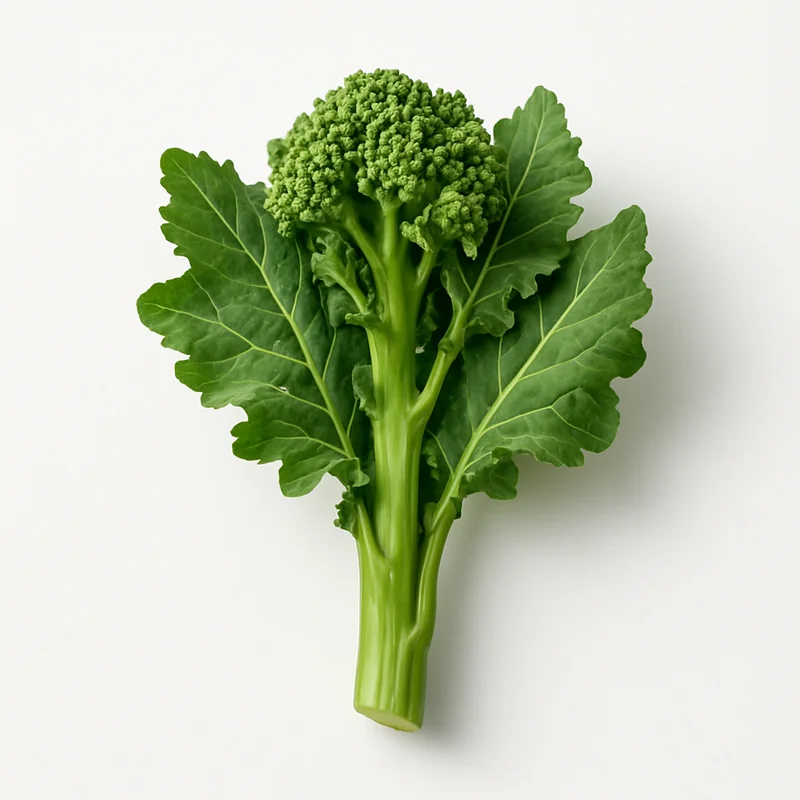
What is Pea actually covering?
See which nutrients your diet already delivers and which ones your supplements still need to — food and pills measured on the same scale.
Check my nutrients2 questions · free · no account needed to start
Also on iPhone — get the free app
Evidence-based supplement guides, no spam
We send a short digest when new guides drop — nothing else. No affiliate pushes, no sponsored content, unsubscribe anytime.