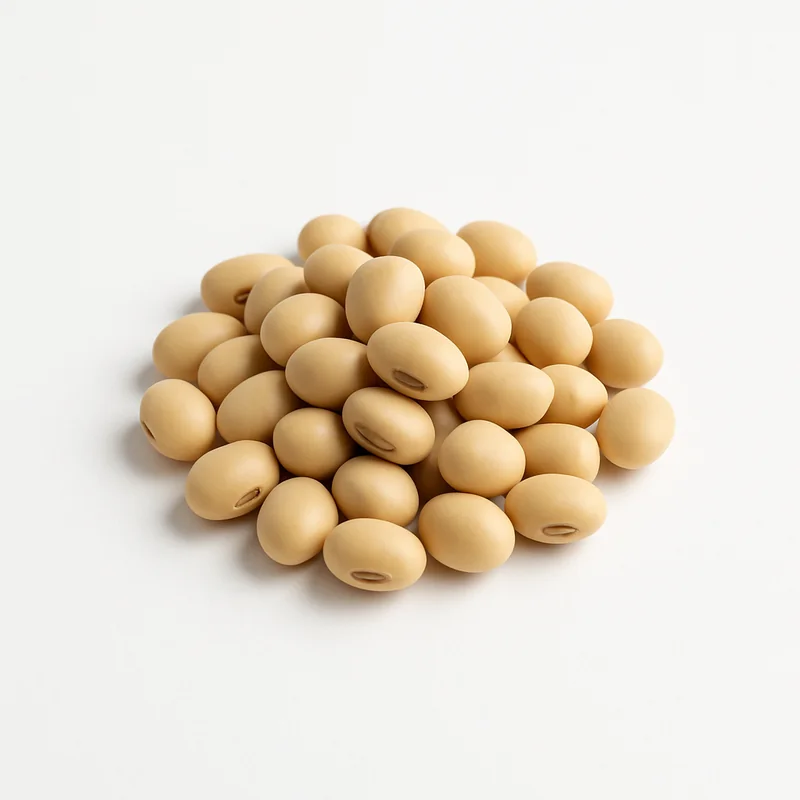
Miso
ScoreA
Miso is a fermented soybean paste rich in probiotics, plant-based protein, and bioactive compounds from fermentation. It delivers 12.8g protein per 100g alongside beneficial microbes that support digestive and metabolic health.
Why Miso scores 83
% Daily Value per ½ cup (90 g)
Nutrition
per 100 g
Health benefits
Supports gut microbiome diversity and barrier function through live probiotic bacteria and prebiotic oligosaccharides
moderate evidenceFermentation generates viable lactobacillus, bifidobacterium, and other lactic acid bacteria that colonize the colon and produce short-chain fatty acids (butyrate) that strengthen intestinal tight junctions
Reduces systemic inflammation and oxidative stress through fermentation-derived metabolites
moderate evidenceFermentation increases production of bioactive peptides, phenolic compounds, and vitamin K2 that activate anti-inflammatory pathways and upregulate antioxidant enzyme expression
Improves bone mineral density through vitamin K2 and calcium bioavailability
moderate evidenceFermentation increases vitamin K2 (menaquinone) production which activates osteocalcin; fermentation also reduces phytate content, enhancing calcium absorption
Supports cardiovascular health despite high sodium content through blood pressure regulation compounds
moderate evidenceFermented soy peptides inhibit ACE (angiotensin-converting enzyme), potassium content supports vasodilation, and the fermentation-derived metabolites reduce endothelial dysfunction
Enhances nutrient bioavailability and digestion through enzyme production and reduced antinutrient content
strong evidenceFermentation produces proteases and amylases that pre-digest proteins and carbohydrates; simultaneously reduces trypsin inhibitors and phytates that normally impair mineral absorption
Pairs well with
- ·Pair with vitamin C-rich foods (leafy greens, bell peppers) because ascorbic acid enhances iron absorption from miso's plant-based iron sources
- ·Combine with whole grains (brown rice, barley) because the grain's methionine complements soy's lysine, creating complete amino acid profiles with enhanced protein quality
- ·Mix with sea vegetables (nori, wakame) because the iodine in seaweed synergizes with miso's selenium and zinc for optimal thyroid and immune function
- ·Pair with fermented vegetables (kimchi, sauerkraut) because combining multiple probiotic sources creates a more diverse microbiome-supporting meal with complementary beneficial bacteria strains
Practical tips
- ·Best timing: midday
- ·Use miso as a condiment in broths (1-2 teaspoons per bowl) rather than in bulk quantities to obtain probiotic and bioactive benefits while managing sodium intake to <500mg per serving
- ·Add miso after cooking or at end of heating to preserve live probiotic cultures; heat above 115°F for extended periods kills beneficial bacteria
- ·Select unpasteurized, fermented miso varieties labeled with live cultures; darker, longer-aged varieties (3+ years) contain higher concentrations of bioactive peptides and B vitamins
- ·Store in cool, dark conditions in glass containers; fermentation continues slowly at room temperature, gradually increasing umami and bioactive compound concentration over months
- ·Combine miso with vegetable broths or non-dairy liquids rather than with animal broths to avoid interactions that may reduce probiotic viability
Related foods
What is Miso actually covering?
See which nutrients your diet already delivers and which ones your supplements still need to — food and pills measured on the same scale.
Check my nutrients2 questions · free · no account needed to start
Also on iPhone — get the free app
Evidence-based supplement guides, no spam
We send a short digest when new guides drop — nothing else. No affiliate pushes, no sponsored content, unsubscribe anytime.