Magnesium for Anxiety: The Glycinate-GABA Connection
Magnesium deficiency is linked to anxiety symptoms. Glycinate is the form with evidence for anxiety reduction — here's the mechanism and protocol.
- Magnesium calms the nervous system by dampening glutamate (excitatory) and boosting GABA (inhibitory) signaling
- A 2017 meta-analysis found small-to-moderate anxiety reduction in mildly anxious adults taking magnesium
- Glycinate is the preferred form: the glycine component is itself an inhibitory neurotransmitter
- Effective dose is 200–400 mg elemental magnesium (glycinate), taken in the evening
- Expect 2–4 weeks for noticeable effects — this is not acute relief
- Best suited for mild-to-moderate anxiety with sleep issues or muscle tension, not panic disorder
Magnesium for anxiety works through two well-characterized brain mechanisms: it blocks overactive NMDA glutamate receptors and enhances GABA receptor function, producing a measurable calming effect. Subclinical magnesium deficiency is common in Western diets, and correcting it can meaningfully reduce anxiety symptoms—particularly when using the glycinate form, which adds its own inhibitory neurotransmitter to the equation.
How Magnesium Affects the Anxiety Circuit
Your brain runs on a balance between excitation and inhibition. Two systems matter most for anxiety: glutamate (the primary excitatory neurotransmitter) and GABA (the primary inhibitory one). When this balance tips toward excitation, you feel wired, tense, and anxious. Magnesium acts as a natural brake on this system.
At the NMDA receptor—a key glutamate receptor subtype—magnesium ions sit in the channel pore and physically block calcium influx. When magnesium levels drop, that block weakens, and neurons fire more easily in response to glutamate. The result is a nervous system biased toward excitation. Simultaneously, magnesium enhances the binding efficiency of GABA at GABA-A receptors, the same receptors targeted by benzodiazepines (though through a different binding site and with far less potency).
Magnesium also modulates the hypothalamic-pituitary-adrenal (HPA) axis, your body’s central stress-response system. Animal studies consistently show that magnesium-deficient diets increase corticosterone (the rodent analog of cortisol) and amplify stress-related behavior. While animal models don’t translate perfectly, the HPA connection adds a third pathway by which low magnesium could feed anxiety.
The Evidence: Boyle 2017 Meta-Analysis
The most-cited systematic review on this topic is Boyle et al. (2017), which pooled data from 18 studies examining magnesium supplementation and subjective anxiety. Moderate evidence The findings showed a small-to-moderate effect size favoring magnesium over placebo in mildly anxious populations. That’s a meaningful signal, but it comes with important caveats.
Many of the included studies were small (under 100 participants), used different magnesium forms, and varied widely in dosing. The populations ranged from premenstrual women to postpartum adults to people with mildly elevated anxiety scores. Boyle’s team noted that the evidence was strongest in people who were already somewhat anxious and weakest in generally healthy, low-anxiety populations. In other words: if your baseline anxiety is minimal, magnesium probably won’t make you noticeably calmer.
Why Glycinate Specifically
Not all magnesium forms are equal for anxiety. If you’ve looked at our guide to the best magnesium supplements, you know that different chelates have different tissue affinities and bioavailability. For anxiety, magnesium glycinate has the strongest rationale.
The reason is the glycine molecule itself. Glycine is an inhibitory neurotransmitter and co-agonist at NMDA receptors (at a different site than magnesium). It crosses the blood-brain barrier, and supplemental glycine at doses of 3+ grams has independently shown anxiolytic and sleep-promoting effects in clinical trials. When you take magnesium glycinate, you’re getting both the magnesium and a meaningful dose of glycine.
Compare this to magnesium oxide (poorly absorbed, primarily a laxative at high doses) or magnesium citrate (decent bioavailability but no anxiolytic co-factor). Magnesium threonate (Magtein) has its own brain-penetrance data, but the anxiety-specific evidence is thinner than for glycinate, and it’s significantly more expensive.
Threonate: Promising for cognition, limited anxiety data. Expensive.
Citrate: Good bioavailability but can cause loose stools. No anxiolytic co-factor.
Oxide: Poor absorption. Not recommended for anxiety.
Magnesium + B6: The Pouteau Combination
A 2018 randomized trial by Pouteau et al. tested 264 adults with severe stress (DASS-42 scores ≥19) on either magnesium alone (300 mg/day) or magnesium plus vitamin B6 (300 mg Mg + 30 mg B6). Both groups improved, but the combination produced significantly greater reductions in stress scores, particularly in the subset with the most severe stress at baseline.
The mechanism makes physiological sense. Vitamin B6 (as pyridoxal-5’-phosphate) is a required cofactor for the enzyme that converts glutamate into GABA. If you’re low in B6—which is not uncommon in stressed or under-nourished populations—your GABA synthesis may be bottlenecked regardless of your magnesium status. Combining the two removes both potential bottlenecks.
Dose and Timing Protocol
The effective dose range across studies is 200–400 mg of elemental magnesium per day, as glycinate. “Elemental” is the key word—a capsule labeled “magnesium glycinate 2,000 mg” may contain only 200 mg of actual magnesium, with the rest being the glycine molecule and binders. Always check the Supplement Facts panel for elemental magnesium content.
Timing: Take your dose in the evening, ideally 1–2 hours before bed. Both magnesium and glycine have mild sedating effects, and anxiety-related sleep disruption is one of the symptoms most likely to improve. If you need doses above 200 mg, splitting into a small morning dose and a larger evening dose can improve absorption and reduce any GI looseness.
With or without food: Glycinate is well-tolerated either way. Taking it with a small meal may slightly improve absorption and reduce the chance of stomach discomfort.
Realistic Expectations: The 2–4 Week Onset
Magnesium glycinate is not a rescue medication. If you’re having a panic attack, it won’t help in the moment. The anxiolytic effect builds as tissue magnesium levels normalize and neurochemistry adjusts. Most clinical trials measured outcomes at 6–8 weeks, with some showing differences emerging by week 2–3.
Set your expectations accordingly: you’re looking for a gradual reduction in background tension, fewer racing thoughts at night, and potentially better sleep quality. Some people notice improved muscle relaxation (fewer jaw clenches, less neck tension) within the first week—this is the peripheral effect and is often the first sign that the supplement is doing something.
If you’re also working on a sleep supplement protocol, magnesium glycinate does double duty. The Abbasi et al. (2012) trial found significant improvements in sleep quality markers including sleep time, sleep efficiency, and early morning awakening in elderly subjects taking 500 mg magnesium daily.
Who Responds Best
Magnesium supplementation for anxiety works best in specific profiles. If you recognize yourself in this list, your odds of a meaningful response are higher:
- Mild-to-moderate generalized anxiety — persistent worry and tension, not full-blown panic
- Anxiety with sleep disruption — racing thoughts at bedtime, difficulty staying asleep
- Physical tension symptoms — muscle tightness, jaw clenching, restless legs
- Likely magnesium deficiency — poor diet, high stress, alcohol use, or medications that deplete magnesium (PPIs, diuretics)
- PMS-related anxiety — several studies in the Boyle meta-analysis specifically involved premenstrual populations
If you’re unsure whether deficiency is contributing, read our guide to signs of magnesium deficiency. Serum magnesium tests are notoriously unreliable—less than 1% of body magnesium is in the blood. If your provider offers RBC magnesium testing, that’s more informative.
When Magnesium Isn’t Enough
Be honest with yourself about where your anxiety falls on the severity spectrum. Magnesium is a nutritional intervention, not a psychiatric one. It is not a substitute for clinical treatment in the following situations:
- Panic disorder — recurring, unprovoked panic attacks need professional evaluation
- Severe generalized anxiety disorder (GAD) — anxiety that interferes with work, relationships, or daily function
- PTSD or OCD-related anxiety — these have distinct neurobiological drivers that magnesium doesn’t address
- Anxiety with suicidal ideation — seek immediate professional help
That said, magnesium can be a reasonable adjunct to therapy and/or medication in these cases, not a replacement. If you’re exploring other natural approaches, our guide to the best adaptogens for stress covers options like ashwagandha that have a different evidence profile and may complement magnesium.
Food Sources vs. Supplements
Magnesium-rich foods include pumpkin seeds (156 mg per ounce), spinach (157 mg per cooked cup), dark chocolate (65 mg per ounce), and almonds (80 mg per ounce). In theory, a well-constructed diet can provide the RDA of 310–420 mg. In practice, NHANES data consistently shows that roughly half of U.S. adults fall short.
For anxiety specifically, the gap between dietary intake and therapeutic doses is important. Most clinical trials used 300–500 mg of supplemental magnesium on top of dietary intake. If you’re eating a magnesium-rich diet and feeling fine, a supplement probably won’t add much. But if you’re eating a standard Western diet and experiencing anxiety symptoms, food alone is unlikely to get you to therapeutic levels—supplementation fills the gap more reliably.
Frequently Asked Questions
How quickly does magnesium glycinate work for anxiety?
Most people notice subtle changes in 2–4 weeks, with more consistent effects by 6–8 weeks. You may notice improved sleep or reduced muscle tension within the first week, but the anxiolytic effect on mood and racing thoughts takes longer as brain magnesium levels normalize. This is not an acute anxiolytic—don’t expect same-day relief.
Can I take magnesium glycinate with my anxiety medication?
Magnesium glycinate is generally compatible with SSRIs, SNRIs, and buspirone. However, it can interact with certain antibiotics (tetracyclines, fluoroquinolones) by reducing their absorption, and it may enhance the effects of muscle relaxants or blood pressure medications. Always inform your prescriber about all supplements you take, especially if you’re on benzodiazepines, since both enhance GABA signaling.
Is magnesium glycinate or threonate better for anxiety?
Glycinate has more direct anxiety evidence and the added benefit of the glycine molecule, which is itself an inhibitory neurotransmitter. Threonate (Magtein) has interesting data for brain magnesium penetrance and cognition (Slutsky et al. 2010), but its anxiety-specific clinical evidence is thinner. Glycinate is also significantly less expensive. For anxiety as the primary target, glycinate is the more evidence-supported choice.
What are signs that magnesium is helping my anxiety?
Early indicators (week 1–2): reduced muscle tension, fewer leg cramps, slightly easier time falling asleep. Mid-term indicators (week 3–6): less background mental tension, fewer intrusive worried thoughts, improved ability to relax in the evening. If you notice none of these by week 6–8 at a full dose, magnesium deficiency likely isn’t a significant contributor to your anxiety.
Can you take too much magnesium for anxiety?
The tolerable upper intake level for supplemental magnesium is 350 mg/day of elemental magnesium (this doesn’t include dietary magnesium). Exceeding this primarily causes GI symptoms—loose stools or diarrhea. Glycinate is the most GI-friendly form. True magnesium toxicity (hypermagnesemia) is rare and almost exclusively seen in people with kidney disease. Healthy kidneys efficiently excrete excess magnesium.
Does magnesium help with anxiety and depression together?
There’s overlapping evidence. Tarleton et al. (2017) found that 248 mg of elemental magnesium daily improved both anxiety and depression scores in mildly depressed adults. The mechanisms partially overlap—both conditions involve HPA axis dysregulation and neurotransmitter imbalances that magnesium modulates. However, magnesium is not a standalone treatment for clinical depression.
How much glycine is in magnesium glycinate per dose?
A typical 300 mg elemental magnesium dose from magnesium bisglycinate delivers roughly 1.8 g of glycine — meaningful, but about 60% of the 3 g threshold used in standalone glycine clinical trials. The guide is direct about this: glycine acts as a supporting player, not an equal co-star. The magnesium itself drives most of the anxiolytic benefit. If you want to reach the full 3 g glycine threshold, supplementing glycine separately alongside magnesium glycinate is inexpensive and well-tolerated.
Can I take magnesium glycinate while pregnant for anxiety?
The guide doesn’t address prenatal anxiety dosing in detail. It notes that magnesium needs increase during pregnancy and many prenatal vitamins include it, but flags that therapeutic doses for anxiety (300–400 mg supplemental elemental magnesium) should be discussed with your OB-GYN — particularly because high-dose magnesium sulfate is used medically in pregnancy for separate indications. Do not self-dose magnesium glycinate for anxiety during pregnancy without explicit guidance from your prenatal care provider.
Magnesium glycinate vs. magnesium taurate for anxiety — which is better?
Magnesium glycinate has stronger clinical support. The guide notes that taurine has GABAergic properties and cardiovascular calming effects, making taurate theoretically appealing for somatic anxiety symptoms like racing heart. However, no published RCT directly compares the two forms for anxiety outcomes — taurate’s evidence is largely preclinical. If anxiety and sleep disruption are your primary targets, glycinate is the better-evidenced choice. Taurate is a reasonable alternative if your anxiety is predominantly physical, but you’re relying on mechanistic plausibility more than clinical proof.
Does magnesium glycinate help with anxiety directly, or only through better sleep?
Both pathways are real and partially independent. The guide identifies direct anxiolytic mechanisms — magnesium blocks NMDA glutamate receptors and enhances GABA-A receptor function — that operate separately from sleep improvement. The Boyle (2017) meta-analysis measured subjective anxiety scores broadly, not just sleep-related symptoms. That said, anxiety and sleep disruption are tightly linked, and glycine’s sedating effects mean sleep improvement often comes first. Reduced muscle tension and fewer racing thoughts during the day are indicators of direct anxiolytic benefit beyond sleep.
What should I look for when buying magnesium glycinate?
The guide doesn’t evaluate specific brands, but it provides clear criteria. Check the Supplement Facts panel for elemental magnesium content — a label reading ‘2,000 mg magnesium glycinate’ may contain only 200 mg of actual magnesium. Target 200–400 mg elemental magnesium per serving. Look for magnesium bisglycinate (the chelated form) specifically. Consider formulas that include 25–50 mg of vitamin B6 as P5P, based on the Pouteau (2018) combination data. Third-party testing certification is a reasonable quality signal the guide doesn’t specifically address — consult your pharmacist for verified brands.
Can children or teenagers take magnesium glycinate for anxiety?
The guide doesn’t cover pediatric or adolescent use — it’s written for adults. Magnesium requirements, tolerable upper intake levels, and anxiety presentations differ meaningfully in children and teenagers. The adult UL of 350 mg supplemental elemental magnesium does not apply directly to younger age groups. If you’re considering magnesium glycinate for an anxious child or teen, consult their pediatrician or a child psychiatrist before starting. Do not extrapolate adult dosing protocols to minors.
Magnesium for anxiety vs. ashwagandha — which is better?
The guide doesn’t directly compare the two. It briefly mentions ashwagandha as having ‘a different evidence profile’ and links to a separate adaptogens guide. What the guide does establish: magnesium’s anxiolytic mechanisms are well-characterized (NMDA blockade, GABA enhancement, HPA axis modulation), with a small-to-moderate effect size in the Boyle (2017) meta-analysis. Ashwagandha’s evidence profile and mechanisms differ. For a direct comparison, consult the linked adaptogens guide — or discuss both options with a healthcare provider, particularly if you’re already on medication.
How Much Glycine Are You Actually Getting Per Dose?
The glycine per dose of magnesium glycinate is lower than most people assume. In magnesium bisglycinate (the most common form), each magnesium ion is chelated to two glycine molecules. By molecular weight, elemental magnesium makes up roughly 11–14% of the total compound. A dose delivering 200–400 mg of elemental magnesium translates to approximately 1,400–2,800 mg of the full chelate—meaning you're getting roughly 1.2–2.4 g of glycine per dose.
That matters because the clinical evidence for glycine's independent anxiolytic and sleep-promoting effects—like Bannai et al. (2012) and Inagawa et al. (2006)—used doses of 3 g or more. At a typical 300 mg elemental magnesium dose, you're landing around 1.8 g of glycine: meaningful, but roughly 60% of the standalone therapeutic threshold.
So is the "two-for-one" claim overstated? Partially—but it's not worthless. You're getting a partial glycinergic contribution, not the full clinical dose. Think of it as a meaningful nudge rather than a complete glycine intervention.
Where glycinate still clearly wins is GI tolerability. Compared to citrate or oxide, glycinate causes significantly less osmotic diarrhea, which means you can actually sustain the 300–400 mg elemental doses used in anxiety trials without the digestive side effects that cause people to quit. Adherence is the most underrated variable in supplementation—a form you stop taking delivers zero milligrams of anything.
None of this undermines the case for glycinate as the best magnesium form for anxiety. It just means the primary driver of benefit is the magnesium itself—correcting deficiency, modulating NMDA receptors, enhancing GABA signaling—with glycine acting as a useful supporting player rather than an equal co-star. If you're building a broader sleep supplement protocol, adding standalone glycine on top of your magnesium glycinate is a reasonable, low-risk strategy to capture both benefits fully.
Magnesium Glycinate vs. Magnesium Taurate for Anxiety
Magnesium glycinate vs. magnesium taurate for anxiety is one of the most common comparison searches in the supplement space, and both forms have legitimate mechanistic arguments. The difference comes down to which amino acid is bonded to the magnesium ion—and what that amino acid does in your brain once the chelate dissociates.
The Glycine Advantage
You already know glycine's role from earlier in this guide: it's an inhibitory neurotransmitter that acts at its own receptors and as an NMDA receptor co-agonist (at the glycine binding site, which paradoxically helps regulate—not amplify—excitatory signaling). Supplemental glycine at 3+ grams has shown independent anxiolytic and sleep-promoting effects (Bannai et al., 2012). A standard 300 mg elemental magnesium dose from glycinate delivers roughly 2 g of glycine—not quite therapeutic on its own, but a meaningful contribution.
The Taurine Case
Taurine is an amino sulfonic acid with GABAergic properties—it activates GABA-A receptors directly, though with lower affinity than GABA itself (Jia et al., 2008). It also has cardiovascular calming effects, reducing blood pressure and heart rate in stressed populations (Sun et al., 2016). For people whose anxiety manifests as pounding heart and chest tightness, the taurine component is theoretically appealing. Emerging evidence
Where the Evidence Actually Stands
Here's the honest gap: no published RCT directly compares magnesium glycinate and magnesium taurate for anxiety outcomes. The clinical anxiety data—including the Boyle (2017) meta-analysis—predominantly used glycinate, oxide, or citrate forms. Magnesium taurate's anxiety-specific evidence is largely preclinical (animal models) and mechanistic inference. Taurine itself has stronger standalone data for cardiovascular markers than for subjective anxiety scores.
Some people cycle between the two or combine them. There's no safety concern with this approach at standard doses. If you're already following the dosing protocol outlined above, you can substitute taurate at the same elemental magnesium dose and evaluate over 4–6 weeks. Just don't expect dramatically different results—the magnesium ion is still doing most of the heavy lifting. For a broader comparison of forms, see our guide to the best magnesium supplements.
Protocol Reconciliation: Dosing Within the Tolerable Upper Limit
You may have noticed a tension in the dosing within the tolerable upper limit guidance: we recommend 300–400 mg of elemental magnesium daily, yet the Institute of Medicine's Tolerable Upper Intake Level (UL) for supplemental magnesium is 350 mg. That's not an oversight—it's a nuance worth unpacking, because blindly citing the UL without context is just as misleading as ignoring it.
What the UL Actually Represents
The 350 mg UL, established in 1997, was set based on the lowest dose at which osmotic diarrhea appeared in studies using poorly absorbed forms—primarily magnesium oxide, chloride, and carbonate (IOM, 1997). It was deliberately conservative, applying a standard uncertainty factor. Critically, the UL applies only to supplemental magnesium, not dietary intake. The IOM explicitly noted that the adverse effect driving the limit was GI disturbance, not systemic toxicity. Moderate evidence
Why Glycinate Changes the Equation
Magnesium glycinate is a chelated form with substantially better GI tolerability than the salts that generated the UL data. The very side effect the UL was designed to prevent—osmotic diarrhea—occurs at significantly higher thresholds with glycinate because it's absorbed via amino acid transport pathways rather than relying on passive paracellular absorption that draws water into the intestinal lumen. Multiple clinical trials, including Pouteau et al. (2018), administered 300 mg of elemental magnesium daily without notable adverse effects.
This doesn't mean the UL is meaningless. It means that a healthy adult with normal kidney function (eGFR above 60) taking 400 mg of elemental magnesium as glycinate is not at meaningful risk of systemic toxicity. Healthy kidneys clear excess magnesium efficiently—hypermagnesemia is almost exclusively a concern in renal impairment.
Who Should Talk to a Doctor First
Magnesium glycinate is one of the safest supplements available, but certain populations need medical guidance before starting.
None of the above is medical advice. Bring your full supplement list to your next provider visit.
The Bottom Line
Magnesium for anxiety is not hype, but it’s not a miracle either. The evidence supports a small-to-moderate anxiolytic effect, primarily in people who are mildly-to-moderately anxious and likely deficient in magnesium—which, given modern dietary patterns, is a surprisingly large percentage of the population.
The mechanism is clear and well-characterized: magnesium reduces glutamate-driven excitation at NMDA receptors, enhances GABA-mediated inhibition, and helps regulate the HPA stress axis. Glycinate is the form with the strongest rationale because the glycine component itself acts as an inhibitory neurotransmitter, giving you a two-for-one neurochemical benefit.
Start with 200 mg of elemental magnesium (as glycinate) in the evening. After a week, increase to 300–400 mg if tolerated. Consider adding 25–50 mg of B6 (as P5P) based on the Pouteau data showing enhanced stress reduction with the combination. Give it a full 4–6 weeks before evaluating. Track your sleep quality, muscle tension, and overall anxiety level so you have something concrete to assess rather than relying on vague impressions.
If you respond well, magnesium can be taken indefinitely—it’s an essential mineral, not a drug. If you don’t respond by week 6–8, magnesium deficiency probably isn’t driving your anxiety, and it’s time to explore other causes with a healthcare provider. For severe anxiety, panic disorder, or anxiety that disrupts your daily life, don’t wait on supplements—start with evidence-based therapy and medication if indicated. Magnesium can be a useful piece of the puzzle, but it’s not the whole picture.
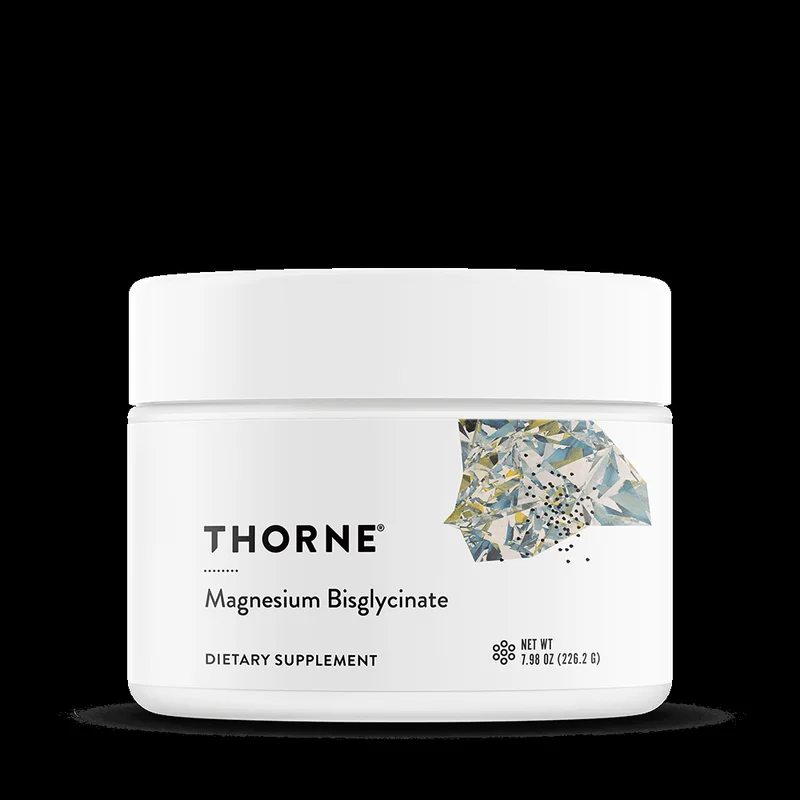
Browse magnesium glycinate supplements in the Formulate catalog →
Supplements that support this
Turn this into your stack
Answer two questions and we'll build an evidence-graded starter stack — every ingredient with its dose, timing, and interaction checks.
Free · no account needed to start
Interactions to know
How these pair with other supplements and medications
- Warningppi+magnesium
PPIs can cause hypomagnesemia
- Cautioncalcium+magnesium
High calcium can impair magnesium absorption
- Cautionmagnesium+calcium channel blockers
Magnesium may enhance BP lowering effect
- Cautionmagnesium+antacids
PPIs impair magnesium absorption
- Cautionnsaids+magnesium
NSAIDs may reduce magnesium levels
- Cautionmagnesium+thyroid medication
Magnesium may reduce thyroid med absorption
- Synergymagnesium+vitamin d
Magnesium needed for vitamin D activation
- Synergymelatonin+magnesium
Complementary sleep support
Check your full stack in the free interaction checker.
Read next
Weighted Blankets: What the Trials Show for Sleep and Anxiety
One striking insomnia trial, one negative trial in autistic children, and a blinding problem in all of them. What weight to choose, the heat trade-off, and who should never use one.
Best Food Sources of Magnesium
Roughly half of adults fall short on magnesium. The top whole-food sources - leafy greens, nuts, seeds, legumes, dark chocolate - plus how much you need and when a supplement helps.
Magnesium Glycinate vs Citrate vs Oxide: Which Form Actually Absorbs?
Glycinate (80% absorbed) vs citrate (50%) vs oxide (4%) — with elemental-dose math, side effects, and picks for sleep, constipation, and cognition.
How the stress response works, good vs. bad stress, and the levers that build resilience.
Evidence-based supplement guides, no spam
We send a short digest when new guides drop — nothing else. No affiliate pushes, no sponsored content, unsubscribe anytime.