Electrolytes Guide 2026: Evidence-Based Sodium, Potassium & Magnesium
Discover who actually needs electrolyte supplements, the real science on sodium, and a DIY fix for keto flu symptoms — for about 15 cents a day.
- Most people are dramatically under-consuming potassium (97% of Americans miss the 4,700mg target)
- The sodium-to-potassium ratio matters more than absolute sodium intake
- Low-carb dieters, fasters, and heavy exercisers need significantly more electrolytes than guidelines suggest
- A DIY electrolyte drink costs ~$0.10/serving vs $1.50+ for commercial products
The three electrolytes that actually matter are sodium, potassium, and magnesium — and most people’s intake of all three is quietly terrible. Low-carb diets make this worse by causing your kidneys to dump sodium at an accelerated rate, which is why “keto flu” is really just electrolyte deficiency. Fixing it costs about 15 cents a day, no sugar-laden sports drinks required.
But this isn’t just a keto problem. Most people’s electrolyte intake is quietly terrible, and the conventional advice around sodium has been more wrong than right for decades. The sports drink industry has spent billions convincing you that you need their sugar-laden products after a 30-minute jog. You don’t. This guide breaks down the three electrolytes that actually matter, why the standard narrative is backwards, and how to fix it for about 15 cents a day.
The Three That Matter: Sodium, Potassium, Magnesium
Technically, calcium, chloride, phosphorus, and bicarbonate are also electrolytes. But when people talk about “electrolyte balance” in the context of supplementation, performance, and daily health, three dominate the conversation — because three are the ones most people get wrong.
Sodium — The One You’re Told to Fear
Sodium is the primary extracellular electrolyte. It regulates fluid balance, blood pressure, nerve impulse transmission, and muscle contraction. Every time a neuron fires or a muscle fiber contracts, sodium channels are doing the work. It’s also the primary electrolyte lost in sweat — not potassium, not magnesium, sodium. A liter of sweat contains roughly 800–1,500mg of sodium but only about 200mg of potassium. When you’re drenched after a hard workout, the mineral you’re mostly losing is salt.
The Adequate Intake set by the National Academies is 1,500mg/day, with an upper limit of 2,300mg/day for the general population. Most Americans consume 3,400mg/day on average — well above the guideline. But here’s where it gets interesting: the evidence for universal sodium restriction is far weaker than most people assume.
Potassium — The One Nobody Gets Enough Of
Potassium is sodium’s intracellular counterpart. It’s critical for heart rhythm, muscle function, and nerve signaling. The Adequate Intake is 4,700mg per day for adults — and according to NHANES data, 97% of Americans don’t meet that target. That’s not a typo. Virtually no one gets enough potassium from diet alone.
The average American intake is around 2,500mg — roughly half what it should be. You’d need to eat 7–8 bananas or 4 large avocados per day to hit the AI from food. Nobody does that. The irony is that most people worry about sodium while being catastrophically low in potassium.
Magnesium — The Silent Deficiency
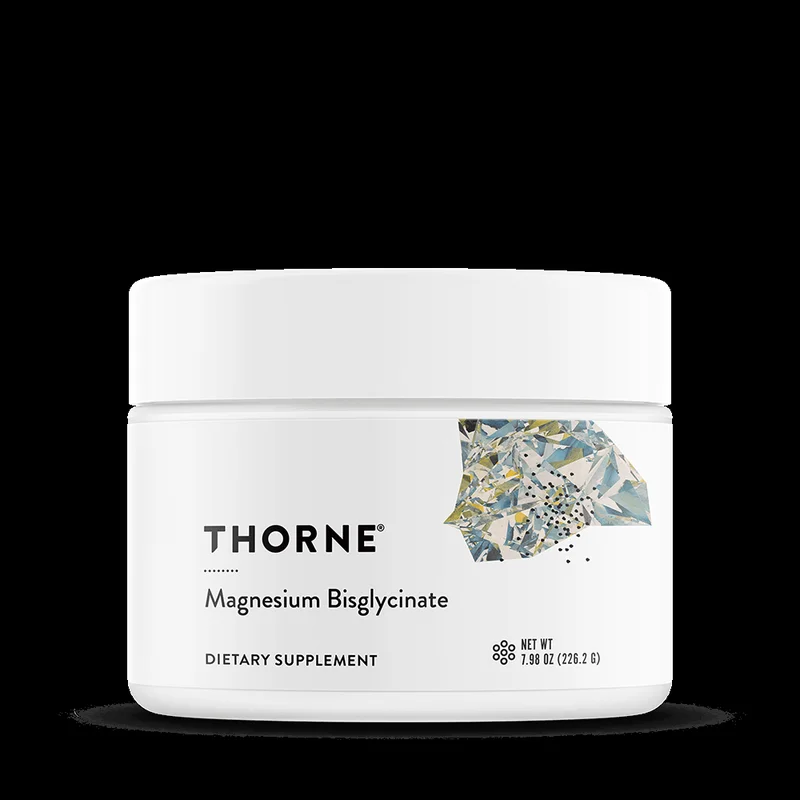
The third pillar. Magnesium is involved in over 300 enzymatic reactions and is essential for energy production, DNA synthesis, muscle relaxation, and nervous system regulation. We’ve written extensively about magnesium deficiency in our magnesium deficiency guide, but the short version: roughly 50% of Americans are subclinically deficient, and it’s the most common electrolyte deficit after potassium. Our magnesium supplement roundup covers form selection in detail.
The Sodium Controversy: Why “Salt Is Bad” Is Oversimplified
For fifty years, public health messaging has been unequivocal: eat less salt. The logic seems straightforward — sodium raises blood pressure, high blood pressure causes heart disease, therefore less sodium means less heart disease. But the actual evidence is far more nuanced than the soundbite.
Then came the PURE study (Mente et al., 2014, The New England Journal of Medicine), which followed over 100,000 participants across 17 countries and found a J-shaped relationship between sodium intake and cardiovascular events. The lowest risk was in the range of 3,000–6,000mg of sodium per day — well above the 2,300mg upper limit recommended by the AHA. Both very low and very high sodium intakes were associated with increased mortality. Strong evidence
What does this mean practically? If you’re sedentary, eating processed food, have hypertension, and don’t exercise, the standard advice to cut sodium probably still applies. But if you exercise regularly, eat mostly whole foods, do low-carb or keto, fast, or live in a hot climate — you almost certainly need more sodium than the guidelines suggest, not less.
The Ratio Matters More Than the Absolutes
This is the piece most people miss. It’s not just about how much sodium or potassium you consume individually — it’s about the sodium-to-potassium ratio. A 2014 meta-analysis published in the British Medical Journal (Aburto et al., originally 2013, WHO-commissioned review) found that higher potassium intake was associated with a 24% lower risk of stroke and significantly lower blood pressure, independent of sodium intake. Strong evidence
The ideal dietary sodium-to-potassium ratio is roughly 1:2. Most Americans eat closer to 2:1 — double the sodium, half the potassium. The fix isn’t necessarily to slash sodium; it’s to dramatically increase potassium while keeping sodium appropriate for your activity level.
Who Actually Needs Electrolyte Supplements
Here’s the uncomfortable truth the electrolyte industry doesn’t want you to hear: most people don’t need electrolyte supplements. If you eat a normal diet, do moderate exercise, and aren’t on a restricted eating pattern, food covers you. The people who genuinely benefit fall into specific categories:
Intense Exercisers and Athletes
A moderately intense 60-minute workout can produce 0.5–1.5 liters of sweat. That’s 400–2,250mg of sodium lost in a single session, plus potassium and magnesium. If you train hard for over an hour, especially in heat, targeted electrolyte replacement makes a real difference. The American College of Sports Medicine recommends 300–600mg sodium per hour during prolonged exercise. Our pre-workout protocol guide covers how to time electrolytes around training.
Low-Carb and Keto Dieters
When carbohydrate intake drops below roughly 50g/day, insulin levels fall significantly. Insulin signals your kidneys to retain sodium — so when insulin drops, your kidneys start dumping sodium at an accelerated rate. This is why the first 5–7 pounds lost on keto is almost entirely water weight — your body is shedding fluid because it can’t hold onto sodium.
Most keto “failures” in the first two weeks are electrolyte failures, not willpower failures.
People Who Fast
Intermittent fasting (16:8, OMAD) and extended fasting accelerate electrolyte depletion through the same insulin mechanism as keto, compounded by the simple fact that you’re not eating. Supplementing sodium, potassium, and magnesium during fasting windows makes extended fasts dramatically more comfortable and safer.
Heavy Sweaters and Hot-Climate Residents
Individual sweat rates and sodium concentrations vary enormously. Some people lose twice the sodium per liter of sweat as others. If your workout clothes have white salt lines after a session, you are a heavy sodium sweater and need more replacement than average.
The “8 Glasses of Water” Myth and Overhydration
The advice to drink eight glasses (64oz) of water per day has no scientific basis. It was traced back by Heinz Valtin in a 2002 American Journal of Physiology review to a misinterpretation of a 1945 National Research Council recommendation that included water from food. Yet it persists as gospel.
The real danger here isn’t dehydration — it’s overhydration diluting your electrolytes. Exercise-associated hyponatremia (dangerously low blood sodium from drinking too much water) hospitalizes marathon runners every year. A 2015 consensus statement in the Clinical Journal of Sport Medicine (Hew-Butler et al.) recommended drinking to thirst rather than forcing a fixed volume — your body’s thirst mechanism is more reliable than any formula. Strong evidence
Commercial Electrolyte Products: An Honest Assessment
The electrolyte drink market is enormous and mostly terrible. Let’s look at what’s actually in these products and evaluate them on what matters: adequate electrolyte doses, minimal sugar, and whether they address all three key minerals.
Gatorade (20oz): 270mg sodium, 75mg potassium, 0mg magnesium, 34g sugar. That’s a tablespoon of salt dissolved in sugar water. The sodium is token, the potassium is negligible, and the sugar negates most of the hydration benefit.
Liquid I.V.: 500mg sodium, 370mg potassium, 0mg magnesium, 11g sugar. Better sodium, but still sugar-dependent and missing magnesium entirely. Uses Cellular Transport Technology (CTT), which is essentially oral rehydration therapy — a real concept, but not unique to their product.
Drip Drop (ORS): 330mg sodium, 185mg potassium, 39mg magnesium, 7g sugar. Developed by a doctor, based on WHO oral rehydration science. The most medically credible option, but the electrolyte doses are still modest for heavy exercise or keto use.
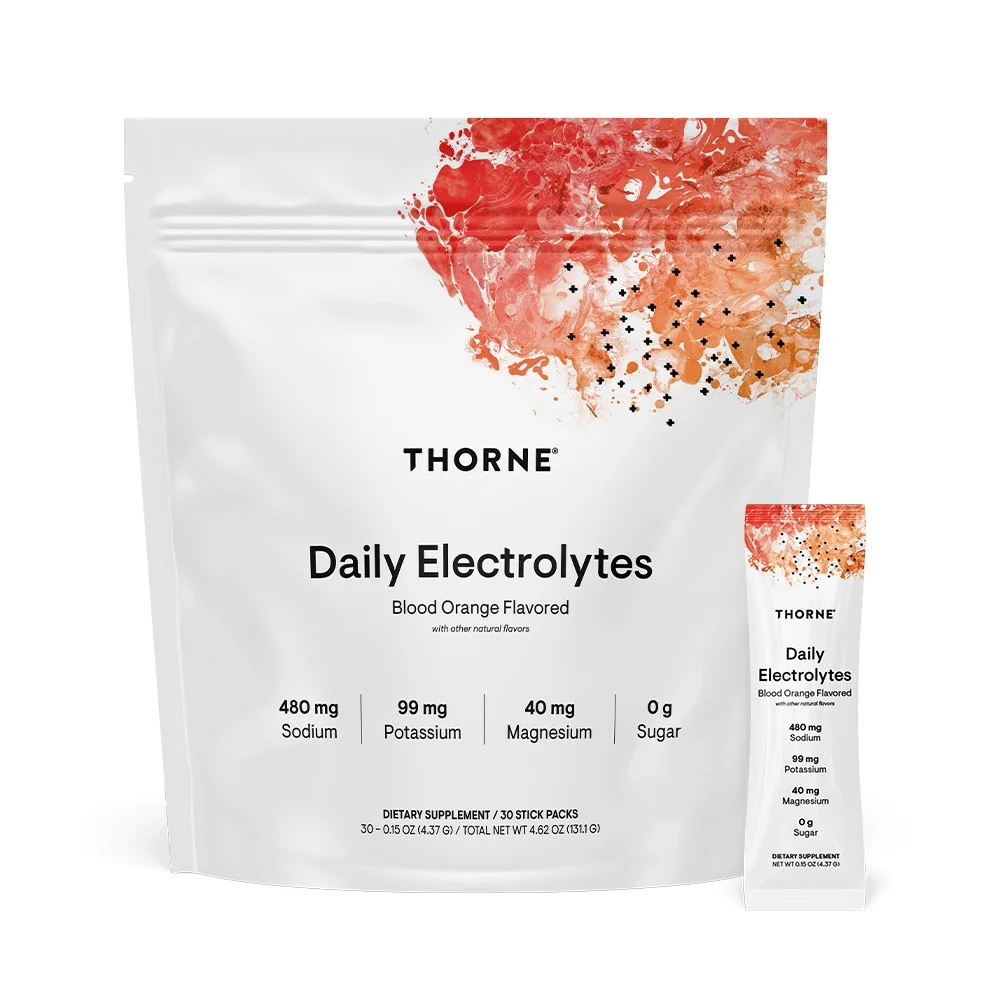
LMNT: 1,000mg sodium, 200mg potassium, 60mg magnesium, 0g sugar. This is closer to what active people actually need. The sodium is high enough to be meaningful, the potassium and magnesium are present (though supplementary, not replacements for dietary intake), and there’s no sugar undermining the effect.
The DIY Electrolyte Recipe
You can make a perfectly effective electrolyte drink for pennies. Here’s the formula:
- 1/2 teaspoon table salt (roughly 1,150mg sodium)
- 1/4 teaspoon NoSalt® or NuSalt® (potassium chloride — roughly 650mg potassium)
- 1/4 teaspoon magnesium citrate powder (roughly 75mg elemental magnesium)
- Juice of 1/2 lemon or lime (for flavor and a small potassium contribution)
- 16–32oz water
Cost per serving: roughly $0.10–$0.15, compared to $1.50+ for a Liquid I.V. packet or $2.00+ for LMNT. Adjust the salt up or down based on your taste and activity level. If the salt taste is too aggressive at first, use more water and sip over a longer period.
One caveat: potassium chloride (NoSalt®) has a distinctly metallic, bitter taste. The lemon juice helps mask it, but don’t expect this to taste like a sports drink. It’s functional, not delicious.
Timing Your Electrolytes
How you time electrolyte intake matters more than most people realize:
- First thing in the morning: you wake up mildly dehydrated after 7–8 hours without fluid. A glass of electrolyte water before coffee sets a better baseline than plain water, which can dilute already-depleted levels.
- 30–60 minutes before exercise: pre-loading sodium improves plasma volume and delays the onset of exercise-induced hyponatremia.
- During long sessions (90+ minutes): sipping an electrolyte drink throughout extended training prevents progressive performance decline from sodium depletion.
- During fasting windows: spread your electrolyte intake throughout the fast rather than taking it all at once. Large boluses of sodium on an empty stomach can cause nausea; steady sipping is better tolerated.
For a complete breakdown of how to schedule electrolytes alongside other supplements, see our supplement timing guide.
Signs You’re Electrolyte Deficient
Electrolyte deficiency rarely shows up on standard blood tests because your body aggressively maintains serum levels by pulling from intracellular stores and bone. By the time your blood sodium or potassium is flagged as “low,” you’re in serious trouble. Subclinical deficiency manifests through symptoms:
- Muscle cramps and twitches (especially calves, feet, and eyelids) — typically magnesium and/or potassium
- Headaches — often sodium, especially if they worsen with exercise or fasting
- Dizziness on standing (orthostatic hypotension) — sodium depletion reducing blood volume
- Heart palpitations — potassium and/or magnesium imbalance affecting cardiac rhythm
- Brain fog and difficulty concentrating — all three electrolytes; neurons are exquisitely sensitive to electrolyte balance
- Persistent fatigue despite adequate sleep — magnesium deficiency impairs mitochondrial energy production
If you’re experiencing several of these and you exercise regularly, eat low-carb, fast, or live in a warm climate, start with electrolytes before chasing more exotic explanations.
Cautions and Contraindications
- Kidney disease: impaired kidneys cannot excrete potassium efficiently. Supplementing potassium with reduced kidney function can cause dangerous hyperkalemia. Consult your doctor before supplementing potassium if you have any kidney issues.
- Heart failure or hypertension on medication: many blood pressure medications (ACE inhibitors, ARBs, potassium-sparing diuretics) affect sodium and potassium balance. Adding supplemental electrolytes requires medical supervision.
- Aldosterone or adrenal disorders: conditions affecting aldosterone (Addison’s disease, primary aldosteronism) fundamentally alter sodium and potassium handling. Standard electrolyte advice does not apply.
For healthy, active people without kidney or cardiovascular conditions, the risk of harm from supplemental electrolytes at the doses described here is extremely low.
Drug Interactions: When Electrolyte Supplementation Becomes Dangerous
Electrolyte drug interactions are among the most under-discussed risks in supplement guides, and this one needs to address that directly. The DIY recipe above contains potassium chloride (NoSalt), which is safe for healthy people — but genuinely dangerous if you're on certain medications. This isn't a hypothetical concern. Hyperkalemia (elevated blood potassium) causes cardiac arrhythmias and can be fatal.
Lithium and Sodium: A Separate but Serious Concern
If you take lithium for bipolar disorder, sodium intake directly affects your lithium blood levels. Lithium and sodium compete for reabsorption in the kidneys. Increasing sodium intake accelerates lithium excretion, potentially making your medication less effective. Decreasing sodium — or becoming dehydrated — causes lithium retention and can push you toward toxicity. Either direction is dangerous. Evidence suggests even moderate changes in daily sodium intake can shift lithium levels enough to matter (Finley et al., 1995). Moderate evidence
The bottom line: the DIY recipe's NoSalt component specifically requires physician clearance if you take any of the medications listed above. This isn't overcautious boilerplate — it's the single most important safety consideration in this entire guide. If you're on any chronic medication, consult your healthcare provider before adding supplemental potassium or meaningfully changing your sodium intake.
High-Potassium Foods: The Food-First Approach Before You Buy Anything
Before reaching for supplements, consider high-potassium foods as your primary strategy. The "7–8 bananas" framing makes dietary potassium sound impossible, but bananas are actually a mediocre source — just 422mg each. Plenty of common whole foods deliver far more per serving, and a deliberate day of eating can get you surprisingly close to that 4,700mg target.
Potassium-Dense Whole Foods by the Numbers
A medium baked potato with skin delivers roughly 926mg. One cup of cooked lentils provides about 731mg. A cup of cooked spinach hits around 839mg. One cup of acorn squash gives you approximately 896mg. A 6oz fillet of Atlantic salmon contains about 730mg. And one cup of edamame adds roughly 676mg. These aren't exotic superfoods — they're grocery store staples.
A realistic day might look like this: baked potato at lunch (926mg), lentil soup at dinner with a side of spinach (731mg + 839mg), salmon for protein (730mg), and edamame as a snack (676mg). That's approximately 3,900mg of potassium from food alone — without touching a supplement bottle.
That said, consistently hitting 4,700mg from diet alone does require intentional planning. Evidence suggests most people will still fall short by 500–1,000mg on an average day (Cogswell et al., 2012). Moderate evidence This is where a small potassium chloride supplement — like the NoSalt in the DIY recipe above — makes sense as a gap-filler, not a replacement for eating actual food.
If you're also working on your magnesium intake, the good news is that many high-potassium foods — spinach, lentils, edamame — are solid magnesium sources too. Two deficiencies, one plate.
Electrolytes for Older Adults (65+)
Electrolytes for older adults require a fundamentally different approach than the general advice above. Several age-related physiological changes make the standard "drink to thirst" strategy unreliable and the DIY protocol potentially risky without medical oversight.
Your Thirst Mechanism Is No Longer Trustworthy
The "drink to thirst" recommendation we endorsed earlier assumes a functioning thirst response. After 65, that assumption breaks down. Kenney and Chiu (2001) documented that aging blunts osmoreceptor sensitivity, meaning your brain responds more slowly — or not at all — to rising blood concentration. Phillips et al. (1984) showed that older adults deprived of water for 24 hours reported significantly less thirst than younger subjects despite identical levels of dehydration. Moderate evidence You cannot rely on the signal that isn't firing.
Potassium Tolerance Drops With Kidney Function
Glomerular filtration rate declines roughly 1% per year after age 40. By 70, many people have lost 25–30% of their kidney function without knowing it — serum creatinine can appear normal due to reduced muscle mass. This means your kidneys clear potassium more slowly. The DIY recipe's 650mg potassium dose may be fine for a healthy 35-year-old, but it demands more caution here, especially if you're on ACE inhibitors, ARBs, or potassium-sparing diuretics — medications that are extremely common in this age group. Strong evidence
Sodium Depletion Hits Harder
Orthostatic hypotension — that dizziness when you stand up — affects roughly 20–30% of adults over 65 (Saedon et al., 2012). Moderate evidence Sodium depletion worsens it by reducing blood volume, and the consequences are more severe: falls in this population cause hip fractures, head injuries, and hospitalizations. Aggressive sodium restriction or under-supplementation isn't just uncomfortable here — it's genuinely dangerous.
The PURE Study Controversy: What Critics Say
The PURE study is one of the most cited — and most criticized — pieces of evidence in the sodium debate. You should know what the objections are before deciding how much weight to give it.
The main criticisms are serious. PURE estimated sodium intake from spot urine samples rather than 24-hour collections, a method that Cogswell et al. (2016) and others have argued systematically biases results. The low-sodium populations in PURE were disproportionately from low-income countries where poverty, malnutrition, and poor healthcare access are independently associated with higher mortality — meaning the increased risk at low sodium intakes may reflect confounding, not causation. And as an observational study, PURE cannot establish that low sodium caused worse outcomes. The AHA and World Heart Federation have both issued statements cautioning against using PURE to justify higher sodium intake. Moderate evidence
The practical takeaway doesn't change: if you're active, eating whole foods, and not hypertensive, rigidly restricting sodium to below 2,300mg is likely unnecessary. But intellectual honesty requires acknowledging that the evidence is observational, contested, and far from conclusive. If you have hypertension or cardiovascular risk factors, consult your healthcare provider rather than self-adjusting based on any single study.
Frequently Asked Questions
Can I just add more salt to my food instead of making electrolyte drinks?
For sodium, yes — salting your food liberally is a perfectly valid strategy, especially if you eat whole foods that are naturally low in sodium. The problem is that food-based salting doesn’t address potassium or magnesium, and it doesn’t help during fasting windows when you’re not eating. If you’re active, combining generous food salting with a dedicated electrolyte drink around training covers all three bases.
Won’t all this sodium raise my blood pressure?
In salt-sensitive individuals (estimated at about 25% of the population with normal blood pressure, and about 50% of those with hypertension), excess sodium can raise blood pressure. But the PURE study data suggests that for most people, the range of 3,000–6,000mg/day carries no increased cardiovascular risk. The key variables are your activity level, how much you sweat, your potassium intake (which buffers sodium’s effect on blood pressure), and whether you have existing hypertension. If you’re concerned, monitor your blood pressure at home for a few weeks after increasing sodium intake.
Are electrolyte tablets (like Nuun) effective?
They’re convenient but usually underdosed. A single Nuun tablet provides about 300mg sodium and 150mg potassium — enough for a light walk, not enough for a serious training session or a day of fasting. Check the label for actual milligrams per serving rather than trusting marketing claims. Our label reading guide shows you exactly what to look for.
How do I know if I’m getting too many electrolytes?
Your body is remarkably good at excreting excess electrolytes through urine — assuming healthy kidney function. Signs of overconsumption include excessive thirst (paradoxically, from too much sodium), bloating, GI distress (especially from magnesium, which is osmotic at high doses), and in extreme potassium excess, irregular heartbeat. At the supplemental doses recommended here, healthy individuals are very unlikely to experience any of these.
Do I really need electrolyte supplements?
Only under specific conditions: high sweat loss (over 60 min of exercise, hot climates), low-carb diets (which increase sodium excretion), illness with vomiting/diarrhea, or high water intake without food. Most sedentary adults eating normally don't need them. The 'everyone needs electrolytes' marketing push is overstated.
What's a good sodium-to-potassium ratio?
For exercise and hydration, roughly 3:1 sodium to potassium (e.g., 600 mg sodium + 200 mg potassium per serving) matches typical sweat losses. Products with equal or higher potassium are formulated for medical rehydration, not athletic use. LMNT, Liquid IV, and DripDrop all use variations on this ratio.
Is table salt enough, or do I need a supplement?
For most people with normal activity levels, salting food to taste covers sodium needs. Electrolyte supplements become worth it when you're sweating heavily, on a low-carb diet, or need precise dosing during endurance events. For everyday hydration, plain water + a normal diet handles it.
Is it safe to take NoSalt or NuSalt if I'm on blood pressure medication?
Do not use NoSalt or NuSalt without consulting your prescribing physician if you take blood pressure medication. The guide notes that ACE inhibitors, ARBs, and potassium-sparing diuretics all affect potassium balance — and adding supplemental potassium chloride on top of these medications can cause dangerous hyperkalemia (elevated blood potassium), which can trigger cardiac arrhythmia. This interaction is not covered in detail in the guide. Your doctor can review your specific medication and kidney function before you add any potassium source.
How much potassium is too much per day from supplements?
The guide targets up to 3,500mg/day of potassium for keto dieters, but doesn't state the tolerable upper intake or explain why OTC potassium pills are capped at 99mg per tablet by the FDA. That cap exists specifically because high-dose potassium can cause hyperkalemia — dangerously elevated blood potassium — particularly in people with impaired kidney function or on certain medications. The gap between a 99mg pill and a 3,500mg daily target is typically made up through food and potassium chloride salt substitutes, not by taking dozens of pills.
Electrolytes during pregnancy — what's safe?
The guide doesn't cover pregnancy. Pregnancy significantly alters fluid and electrolyte needs, and conditions like pre-eclampsia can make standard sodium advice inappropriate. Do not apply the doses or protocols in this guide during pregnancy without guidance from your OB or midwife. This is a case where individual medical supervision is essential, not optional.
What kind of magnesium powder should I buy for the DIY recipe?
Buy a pure magnesium citrate powder sold as a dietary supplement — not a laxative preparation like Milk of Magnesia or liquid magnesium citrate bowel-prep products, which are entirely different formulations. Look for bulk magnesium citrate powder from a supplement supplier; the label should list elemental magnesium per gram. The guide's magnesium supplement roundup covers form selection in more detail if you want to compare alternatives like magnesium glycinate or malate.
Do electrolytes break a fast?
The guide recommends spreading electrolyte intake throughout fasting windows but doesn't address whether flavored electrolyte products break a fast. Plain sodium, potassium, and magnesium dissolved in water contain no calories and are generally considered fasting-compatible. However, products containing citric acid, natural flavors, stevia, or trace carbohydrates may affect insulin response depending on your fasting goal. For strict fasting protocols, use unflavored electrolytes or add only plain lemon juice, as the DIY recipe does.
Electrolytes for children — are adult doses safe?
The guide doesn't address pediatric dosing. Adult electrolyte targets — up to 5,000mg sodium and 3,500mg potassium daily — are not appropriate for children, and medical keto protocols for epilepsy in particular require individualized clinical management. Do not use adult supplement doses for children. Consult a pediatrician or registered dietitian, especially if your child is on a therapeutic ketogenic diet.
Can I get enough potassium from food without supplements?
Yes, for many people — the guide's banana-and-avocado example illustrates difficulty hitting 4,700mg/day, but other high-potassium foods are more practical. A large baked potato with skin (~900mg), a cup of cooked lentils (~730mg), cooked spinach (~840mg per cup), and a salmon fillet (~600mg) all deliver meaningful potassium. Stacking several of these daily can get you close to the AI without supplements. Supplementation becomes more relevant if you eat low-carb, fast, or restrict potassium-rich foods.
The Bottom Line
Electrolyte balance is one of the highest-impact, lowest-cost interventions available. Most people are dramatically under-consuming potassium, about half are deficient in magnesium, and anyone who exercises, fasts, or eats low-carb likely needs more sodium than the standard guidelines suggest. But if you eat a normal mixed diet and do moderate exercise, you probably don’t need to buy expensive electrolyte packets — the sports drink industry has massively overstated the need.
If you do fall into one of the groups that benefits, start with the DIY recipe: half a teaspoon of salt, a quarter teaspoon of NoSalt®, a quarter teaspoon of magnesium citrate powder, a squeeze of lemon, and 16–32oz of water. Drink one in the morning and one around training. Give it a week. The cramps, headaches, and brain fog you’ve been blaming on stress, aging, or “keto flu” may simply disappear.
Supplements that support this
Turn this into your stack
Answer two questions and we'll build an evidence-graded starter stack — every ingredient with its dose, timing, and interaction checks.
Free · no account needed to start
Interactions to know
How these pair with other supplements and medications
- Dangerpotassium+ace inhibitors
Risk of dangerous hyperkalemia
- Dangerpotassium+arbs
ARBs + Potassium: Hyperkalemia risk
- Warningppi+magnesium
PPIs can cause hypomagnesemia
- Cautioncalcium+magnesium
High calcium can impair magnesium absorption
- Cautionmagnesium+calcium channel blockers
Magnesium may enhance BP lowering effect
- Cautionmagnesium+antacids
PPIs impair magnesium absorption
- Cautionnsaids+magnesium
NSAIDs may reduce magnesium levels
- Cautionmagnesium+thyroid medication
Magnesium may reduce thyroid med absorption
Check your full stack in the free interaction checker.
Read next
Magnesium Glycinate vs Citrate vs Oxide: Which Form Actually Absorbs?
Glycinate (80% absorbed) vs citrate (50%) vs oxide (4%) — with elemental-dose math, side effects, and picks for sleep, constipation, and cognition.
Best Time to Take Magnesium: The Timing Science (2026)
Morning, evening, or with food — when you take magnesium matters more than you think. Form-specific timing rules backed by clinical research.
Magnesium for Anxiety: The Glycinate-GABA Connection
Magnesium deficiency is linked to anxiety symptoms. Glycinate is the form with evidence for anxiety reduction — here's the mechanism and protocol.
The real science of food and health — macro- and micronutrients, and how diet shapes aging.
Evidence-based supplement guides, no spam
We send a short digest when new guides drop — nothing else. No affiliate pushes, no sponsored content, unsubscribe anytime.