How to Read a Supplement Label 2026 — No Sponsorships
Learn to decode the Supplement Facts panel in 60 seconds — spot proprietary blends, underdosed ingredients, and cheap forms before you buy.
- Always check the serving size first — a product claiming '500mg magnesium' at 3 capsules/serving gives you 167mg if you take one
- Look for clinical doses, not label decoration — 50mg of magnesium (need 300+) or 25mg of CoQ10 (need 100+) is marketing, not medicine
- Proprietary blends that hide individual amounts are the biggest red flag — every reputable brand fully discloses
- Compare cost per clinically effective serving, not sticker price — a $30 bottle can be cheaper than a $15 one
Reading a supplement label means ignoring the front of the bottle — that’s marketing — and flipping to the Supplement Facts panel on the back, which is the actual data. The panel lists each ingredient’s form, dose per serving, and percent Daily Value, giving you everything you need to spot underdosed or poorly formulated products in about 60 seconds. Common ingredients to learn before label-reading: magnesium, vitamin D, CoQ10, and omega-3.
Step 1: Check the Serving Size (The Sneakiest Trick in the Industry)
Always start here. Always. This is where supplement companies play the most common trick in the book.
A product screams “500mg Magnesium!” on the front label. You flip it over, check the Supplement Facts panel, and there it is — Serving Size: 3 capsules. If you’re popping one capsule a day like most people, you’re getting 167mg. Not 500.
This isn’t illegal. It’s not technically false advertising. But it is deliberately misleading, and it’s everywhere:
- Multivitamins that require 4–6 capsules for the advertised nutrient profile. That “Complete Multi” becomes “Quarter of a Multi” if you only take one.
- Greens powders where the full serving is 2 scoops, but most people eyeball one.
- Pre-workouts with a “2 scoop serving size” that makes the caffeine content look clinical, until you realize nobody takes 2 scoops.
Also check servings per container. A bottle of 60 capsules with a 2-capsule serving is a 30-day supply, not 60. This directly affects your cost-per-serving math.
Step 2: Check the Dose (Is It Actually Clinical?)
The ingredient list shows each active compound with its amount per serving. The question you should be asking: is this the dose that was actually used in the research that showed this ingredient works?
This is what “clinical dose” means — the amount used in peer-reviewed studies that demonstrated measurable results. It’s the difference between a supplement doing something and a supplement being an expensive placebo:
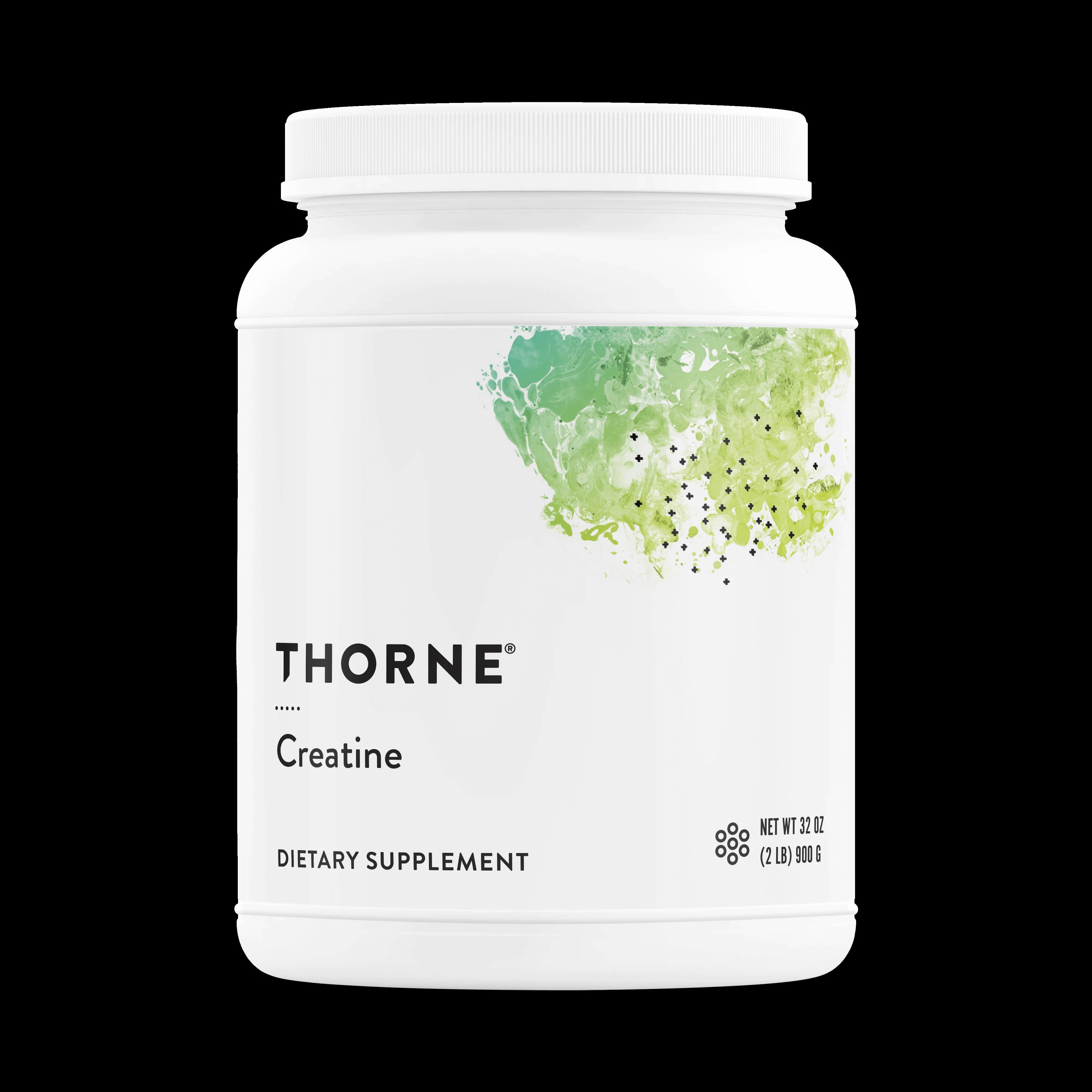
- Creatine monohydrate: 3–5g/day. Not 1g, not 750mg. If your creatine capsule gives you 1g per serving, you need 3–5 capsules daily.
- Magnesium: 200–400mg elemental. Note: “500mg magnesium glycinate” contains about 70mg actual magnesium. The rest is glycine.
- Omega-3: 1,000–2,000mg combined EPA+DHA. Not “1,000mg fish oil” — a 1,000mg fish oil capsule might contain only 300mg of actual EPA+DHA.
- Ashwagandha (KSM-66): 600mg/day. Many products use 300mg or less.
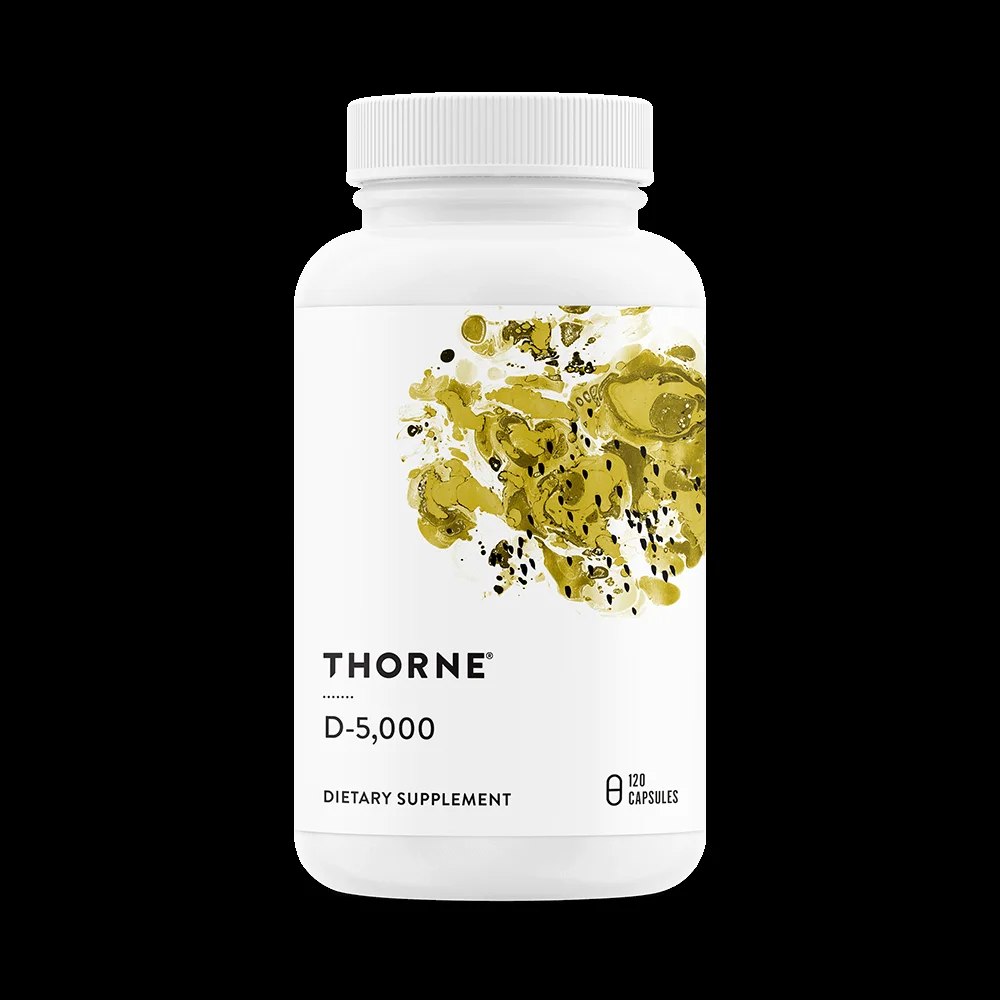
- Vitamin D3: 1,000–5,000 IU depending on your blood levels.
- L-theanine: 200mg. Many products contain 100mg.
Step 3: Check the Form (Bioavailability Is Not Optional)
The same vitamin or mineral can come in forms that your body absorbs completely differently. This is one of the biggest knowledge gaps for regular consumers — and one of the biggest cost-saving opportunities for manufacturers.
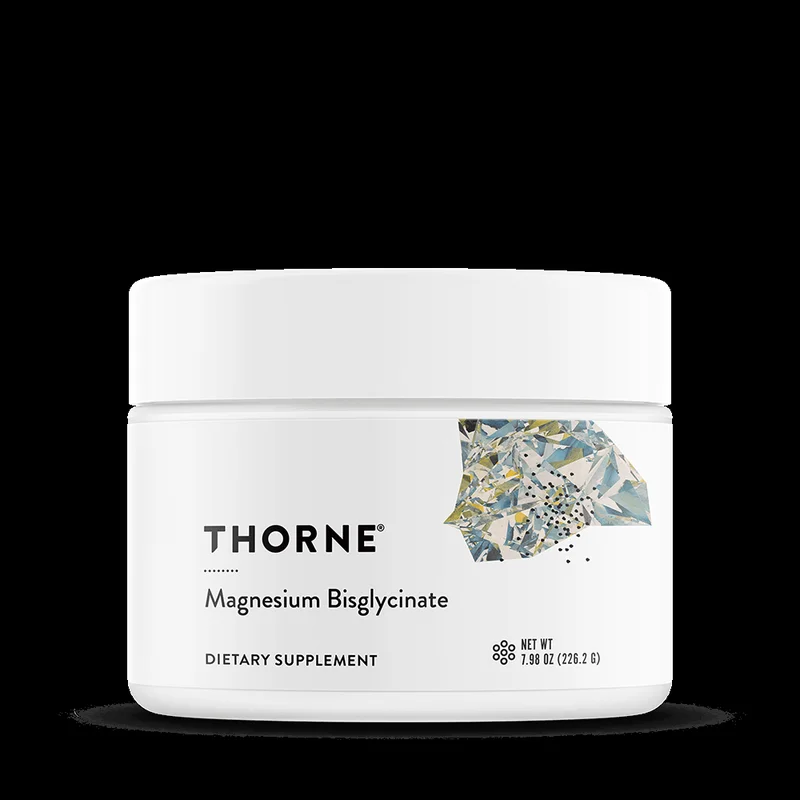
- Magnesium oxide vs. glycinate: Oxide is the cheapest form and absorbs at roughly 4%. Glycinate absorbs significantly better and is gentler on the stomach. If your magnesium says “oxide” on the back, you’re basically buying a laxative, not a magnesium supplement. (More in our magnesium deficiency guide.)
- Vitamin D2 vs. D3: D3 (cholecalciferol) is significantly more effective at raising and maintaining blood levels than D2 (ergocalciferol). A 2012 meta-analysis in the American Journal of Clinical Nutrition confirmed D3’s superiority.
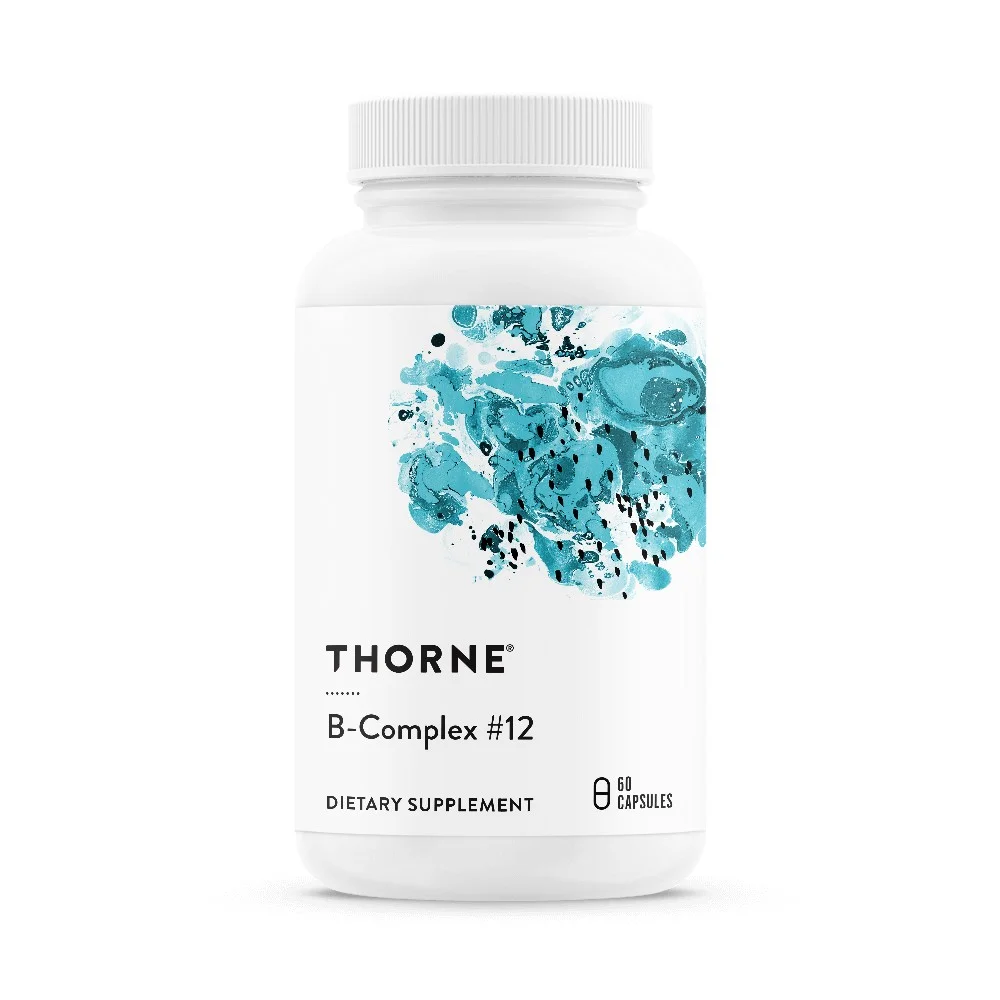
- Folic acid vs. methylfolate (5-MTHF): This one’s genetic. Up to 40% of people carry MTHFR variants that impair conversion of folic acid to its active form. Methylfolate bypasses this entirely. If you’re taking a prenatal or B-complex with “folic acid” instead of “methylfolate” or “5-MTHF,” you might not be getting full value.
- Cyanocobalamin vs. methylcobalamin (B12): Both work, but methylcobalamin is the biologically active form your body uses directly. Cyanocobalamin requires conversion and contains a tiny amount of cyanide (safe, but unnecessary when better options exist).
- CoQ10 ubiquinone vs. ubiquinol: Ubiquinol is the reduced, ready-to-use form. Especially important for people over 40, as the ability to convert ubiquinone to ubiquinol declines with age.
Step 4: Spot Proprietary Blends (The Biggest Red Flag)
If a supplement label includes a proprietary blend, treat it as a red flag until proven otherwise. Here’s what one looks like:
“Neuro Focus Matrix™ (800mg): L-Tyrosine, Alpha-GPC, Bacopa Monnieri, Lion’s Mane Extract, Huperzine A”
Notice what’s missing? Individual amounts. You know the blend totals 800mg, but you have no idea how much of each ingredient is inside. It could be 790mg of the cheapest ingredient (L-Tyrosine) and 2mg of everything else. This is legal under FDA regulations, and it’s how companies make underdosed products look impressive.
The rule: If a product won’t tell you exactly how much of each ingredient it contains, they’re hiding something. Every reputable brand fully discloses individual ingredient amounts. If they’re proud of their formula, they show the numbers.
Step 5: Scan “Other Ingredients” (What’s Actually in the Capsule)
Below the Supplement Facts panel is a section called Other Ingredients. These are the inactive ingredients — capsule materials, fillers, flow agents, coatings.
Generally fine (don’t worry about these):
- Cellulose / hypromellose — vegetarian capsule material
- Rice flour / rice concentrate — flow agent, prevents clumping
- Magnesium stearate — lubricant for manufacturing. Despite what health blogs say, it’s safe at supplement doses. The amount in a capsule is smaller than what you’d get from eating a handful of almonds.
- Silicon dioxide — anti-caking agent, inert
Worth questioning:
- Artificial colors (Red 40, Yellow 5, Blue 1) — purely cosmetic, unnecessary, and some people react to them. There’s no reason for a supplement to contain food coloring.
- Titanium dioxide — a whitening agent used in capsule coatings. Banned in food products in the EU since 2022 due to concerns about nanoparticle toxicity.
- Hydrogenated oils — occasionally used as fillers. No reason for these in a supplement.
- Very long additive lists — a quality supplement typically has 3–5 other ingredients. If the list is longer than the active ingredients, ask why.
Step 6: Look for Third-Party Testing Certifications
Here’s the uncomfortable reality: the FDA does not pre-approve supplements. They don’t test them before they go on shelves. Supplements are regulated under DSHEA (1994), which puts the burden on the FDA to prove a product is unsafe rather than requiring the manufacturer to prove it’s effective.
Third-party certifications are the closest thing to independent quality verification. Here’s what they mean, ranked by rigor:
- USP Verified — the gold standard. Tests for potency (does it contain what it claims), purity (is it free of contaminants), dissolution (does it break down properly), and manufacturing practices. The blue-and-yellow USP seal is the most trustworthy mark on a supplement bottle.
- NSF Certified for Sport — specifically tests for banned substances in addition to label accuracy. Required by many professional sports organizations. If you’re an athlete subject to drug testing, this is non-negotiable.
- Informed Sport — similar to NSF, focused on banned substance testing. Common in performance brands. Strong certification.
- ConsumerLab Approved — independent lab that buys products off shelves and tests them. Good signal, though it’s not manufacturer-initiated.
- GMP Certified — Good Manufacturing Practices. Sounds impressive, but this is actually an FDA requirement for all supplement manufacturers. It’s a baseline, not a differentiator. If a brand touts “GMP Certified” as their primary quality claim, that’s like a restaurant advertising “We Wash Our Hands.”
Step 7: Calculate the Real Cost
Never compare supplement bottles by sticker price. A $30 bottle might be a better deal than a $15 bottle, or vice versa. The only number that matters is cost per clinically effective serving.
The formula:
Price ÷ servings per container = cost per serving
But there’s a critical step most people skip: verify that one serving actually delivers a clinical dose. A bottle might claim 120 servings, but if each serving is half the effective dose, you actually get 60 effective servings — and your real cost per serving just doubled.
Three Real Labels, Decoded
Here’s what the math looks like when you actually apply this framework. These are composite examples of labels you’ll see on shelves — not specific brands — but the patterns are real.
Example 1: The “Premium” Multivitamin
Label claims: 90 tablets, $40, “high-potency daily essentials with superfoods.”
Serving size: 3 tablets. So you get 30 servings, not 90. True cost: $1.33/day.
Dose check: Vitamin D 1,000 IU (below the 2,000–4,000 IU that most adults actually need). Magnesium oxide 100 mg (the poorly-absorbed form, at a fraction of the studied dose). B12 as cyanocobalamin 200 mcg (cheap form, adequate dose).
Red flags: “Superfood blend 500 mg” as a proprietary blend — could be mostly rice powder. Three tablets per day is common to pad the supplement facts panel and make doses look larger than they are.
Real value: You’re paying $1.33/day for one useful dose of B12, under-dosed vitamin D, and ineffective magnesium. You’d get more for less with a $0.15/day D3 + $0.20/daymagnesium glycinate + skipping the multi.
Example 2: The “Clean” Omega-3
Label claims: 60 softgels, $25, “triple-strength” 1,400 mg fish oil.
Serving size: 2 softgels. So 30 servings.
Dose check: Per serving: EPA 540 mg + DHA 360 mg = 900 mg combined EPA+DHA. The “1,400 mg” on the front is total fish oil weight, not EPA+DHA. This distinction is where most consumers get misled. The 900 mg combined figure is what actually matters and is close to the 1,000–2,000 mg target for general health.
Quality signal: Oxidation values (TOTOX) listed on the certificate of analysis, not just “tested for purity.”
Real value: $0.83/day for a clinical dose of EPA+DHA in triglyceride form. Reasonable.
Example 3: The Hidden Winner
Label claims: 100 capsules, $12, magnesium glycinate 200 mg elemental.
Serving size: 1 capsule. So 100 servings at a common 300–400 mg target means 1.5–2 caps per day = 50–66 servings.
Dose check: 200 mg elemental magnesium per cap — this is the honest way to report, since magnesium compounds are much heavier than the active mineral. Glycinate form = high bioavailability, low GI distress.
Real value: $0.18–$0.24 per day for a well-dosed magnesium in the best-absorbed form. The $12 bottle is objectively better than the $30 “premium” magnesium that uses oxide in a fancier box.
Ignore the Front Label (Seriously)
FDA rules allow structure/function claims on supplement labels — things like “supports bone health” or “promotes immune function.” These require a general scientific basis but do not require clinical evidence for the specific product.
So a vitamin C gummy can say “supports immune health” even if the dose is 50mg (clinically irrelevant for immune outcomes). The claim is technically about vitamin C as a compound, not about whether this specific product delivers enough to do anything.
That’s why every supplement carries this disclaimer:
“These statements have not been evaluated by the Food and Drug Administration. This product is not intended to diagnose, treat, cure, or prevent any disease.”
The front label is marketing. The Supplement Facts panel is data. Train yourself to flip the bottle over first.
The 60-Second Checklist
Next time you’re evaluating a supplement — in a store or online — run through this:
- Is the serving size reasonable (1–2 capsules, 1 scoop)?
- Are active ingredients at clinical doses for their claimed purpose?
- Are bioavailable forms used (glycinate, not oxide; D3, not D2; methylfolate, not folic acid)?
- Are all ingredient amounts individually disclosed (no proprietary blends)?
- Is the “Other Ingredients” list short and free of artificial colors?
- Does it have USP, NSF, or Informed Sport certification?
- Is the cost per effective serving competitive?
If a product clears all seven, it’s worth considering. If it fails on proprietary blends, underdosing, or cheap forms, move on. There are too many good products out there to settle for mediocre ones.
Drug-Supplement Interactions: The Step Nobody Mentions
Checking for drug-supplement interactions should happen before you buy anything — not after you've been taking it for three months. This is the most consequential step in reading a supplement label, and almost no one does it. The label itself won't warn you. The cashier won't warn you. You have to check proactively.
Here are the interactions that send people to the ER or silently undermine their medications:
Fish oil + anticoagulants (warfarin, apixaban, aspirin): Omega-3s at supplemental doses (above ~2,000 mg EPA+DHA) can potentiate antiplatelet effects, increasing bleeding risk. A 2018 review by Begtrup et al. in the Danish Medical Journal confirmed clinically relevant prolongation of bleeding time at higher doses. Moderate evidence
Vitamin K + warfarin: Vitamin K directly opposes warfarin's mechanism. Even modest fluctuations in K1 intake — from a new multivitamin or switching greens powders — can destabilize your INR. This isn't subtle; it's pharmacological antagonism.
Magnesium + antibiotics/bisphosphonates: Magnesium chelates tetracyclines, fluoroquinolones, and bisphosphonates like alendronate, dramatically reducing their absorption. If you take these, separate dosing by at least 2–4 hours. Your magnesium form won't fix this — the mineral itself is the problem.
St. John's Wort + SSRIs, statins, and birth control: St. John's Wort induces CYP3A4 and P-glycoprotein, accelerating the metabolism of dozens of drugs. Combined with SSRIs, it risks serotonin syndrome. It can reduce oral contraceptive efficacy enough to cause unintended pregnancy and cut statin blood levels by up to 50% (Markowitz et al., 2003). Strong evidence
How to Find a Product's Certificate of Analysis (COA)
A certificate of analysis is the actual lab report behind any quality claim a supplement brand makes. It's the document that shows whether the product was tested for potency, contaminants, and microbial safety — and what the results were. Without verifying the COA, you're taking the brand's word for everything. Here's how to actually find and read one.
Step 1: Check the Brand's Website
Most transparent brands host COAs on their product pages — look for links labeled "Lab Results," "Testing," "Transparency," or "COA." Some use QR codes on the physical bottle that link to batch-specific reports. If you can't find one after 60 seconds of looking, email their support team and ask directly. A company that won't produce a COA on request is a company you should skip.
Step 2: Know What You're Reading
A legitimate COA includes three critical panels. Potency verification confirms the product contains the amount of each active ingredient claimed on the label — look for results within 90–110% of the stated dose. The heavy metals panel tests for lead, arsenic, mercury, and cadmium, with results reported in parts per million (ppm). California's Prop 65 thresholds (e.g., 0.5 mcg/day lead) are a useful reference point. Microbial testing checks for yeast, mold, E. coli, and salmonella — results should read "not detected" or fall below USP limits.
Step 3: Verify Certifications Are Real
A third-party certification logo on a bottle means nothing until you confirm it in the certifier's own database. Brands have been caught printing USP and NSF logos without authorization. Verify directly:
USP: Search the USP Verified database at verify.usp.org — enter the brand or product name. If it's not listed, the seal is fraudulent. NSF Certified for Sport: Use nsfsport.com and search by product or brand. Every certified product and specific SKU is listed. Informed Sport: Search at informed-sport.com by product name or batch number.
This takes about two minutes per product. Do it once when you first buy a supplement, and you'll know whether you're dealing with a brand that backs up its label — or one that's hoping you never check. Moderate evidence
Calculating Elemental Mineral Content from a Label
Knowing how to calculate elemental mineral content from a supplement label is what separates informed buyers from everyone else. When a label says "magnesium glycinate 500mg," that 500mg is the weight of the entire compound — the magnesium atom bonded to glycine molecules. The actual magnesium you absorb is a fraction of that number.
Every mineral compound has a fixed elemental percentage based on its molecular weight. Here are the most common forms you'll encounter:
Magnesium: Glycinate ~14.1% elemental, citrate ~16.2%, oxide ~60.3%, taurate ~8.9%, threonate ~7.2%, malate ~15.5%. Zinc: Gluconate ~14.3%, picolinate ~21%, citrate ~34%, oxide ~80%. Calcium: Carbonate ~40%, citrate ~21%, gluconate ~9.3%. Iron: Bisglycinate ~20%, sulfate ~20%, fumarate ~33%.
Notice something counterintuitive: magnesium oxide has the highest elemental percentage (~60%), which is why cheap products love it. But as covered in our magnesium guide, oxide absorbs at roughly 4% in the gut (Firoz & Graber, 2001), so the high elemental number is misleading. You want to weigh elemental content and bioavailability together.
The formula is simple: compound weight x elemental percentage = elemental dose. Bookmark the percentages above and you'll never overpay for a mineral supplement that looks generous on the label but delivers a fraction of what you need.
Special Considerations: Pregnancy, Medications, and Age
Reading supplement labels requires extra scrutiny if you're pregnant, taking prescription medications, or over 65. The general dose ranges and forms discussed throughout this guide assume a healthy adult baseline — and that baseline shifts meaningfully for these three groups.
Pregnant or Trying to Conceive
Preformed vitamin A (retinol) is teratogenic above roughly 10,000 IU/day, and some standalone vitamin A supplements hit that in a single capsule. When scanning a supplement label during pregnancy, verify the vitamin A source — beta-carotene is safer than retinyl palmitate. Iron, folate (as methylfolate, not folic acid), iodine, and choline all have pregnancy-specific targets that differ from standard DVs. Consult your OB or midwife before relying on any doses listed in general guides like this one.
Anyone on Daily Prescriptions
Supplement-drug interactions are more common than most people realize. Moderate evidence Fish oil and vitamin E potentiate blood thinners. Calcium and iron interfere with levothyroxine absorption when taken within four hours. St. John's Wort reduces the efficacy of oral contraceptives, SSRIs, and immunosuppressants. No supplement label is required to list these interactions. Bring your full supplement list — including anything you're considering — to your prescriber before adding a new product.
Adults 65 and Older
Age-related declines in stomach acid (hypochlorhydria affects an estimated 10–30% of older adults) reduce absorption of vitamin B12 and calcium from food. The crystalline B12 in supplements bypasses this issue, but dose targets shift — many clinicians recommend 500–1,000 mcg/day of methylcobalamin rather than the standard 2.4 mcg RDA designed for younger adults with normal absorption. Vitamin D requirements also trend higher; the Endocrine Society has suggested 1,500–2,000 IU/day for adults over 65, above the general 600 IU RDA. Meanwhile, higher medication burden in this age group multiplies interaction risk. Every new supplement deserves a conversation with your provider.
Who Should Talk to a Doctor First
This guide is written for generally healthy adults evaluating supplement labels. Several populations face specific risks — from drug interactions to altered absorption to dosing thresholds that differ from the general ranges listed above — and should get clinical input before acting on any of this.
None of the above is medical advice. Bring your full supplement list — including what you're considering — to your next provider visit.
Frequently Asked Questions
Are Amazon supplement reviews reliable?
Be cautious. Supplement reviews on Amazon are heavily incentivized — many companies offer free product in exchange for reviews, and fake review farms are well-documented in the supplement category. Reviews can tell you about taste, capsule size, and shipping experience. They cannot tell you whether the product is properly dosed, uses quality forms, or actually contains what’s on the label. That’s what third-party testing and label reading are for.
Is “organic” or “non-GMO” important for supplements?
It depends on the product. For whole-food-based supplements (herbal extracts, greens powders), organic can mean lower pesticide residues. For isolated compounds like creatine, magnesium glycinate, or fish oil, the organic/non-GMO label is meaningless — these are purified molecules. Don’t pay a premium for “organic creatine” (creatine is synthesized, not grown).
Should I worry about magnesium stearate?
No. This is one of the most persistent myths in supplement culture. Magnesium stearate is a flow agent used in manufacturing to prevent ingredients from sticking to machinery. The amount in a supplement capsule is tiny. Stearic acid (the main component) is found naturally in cocoa butter, olive oil, and almonds. You consume far more of it from food than from supplements.
What if a supplement has no third-party certification?
It doesn’t automatically mean it’s bad — many small, reputable brands don’t pursue certification due to cost. But it does mean you’re trusting the manufacturer’s word entirely. For critical supplements (things you take daily long-term), lean toward certified products when possible. For well-known brands with long track records and transparent testing documentation, the absence of a seal is less concerning.
What does '% Daily Value' actually mean?
It's the percentage of the reference daily intake (RDI) that one serving provides. The RDI was set in 1968 to prevent deficiency, not to support optimal function. Many supplements are usefully dosed at 200–1000% DV. High %DV isn't inherently bad — what matters is whether the total daily dose is evidence-based.
Why do some supplements list 'Proprietary Blend'?
A proprietary blend discloses total weight but hides individual ingredient doses. This is almost always a red flag — it means the brand can use pixie-dust amounts of the expensive actives while leaning on cheap fillers. Choose products that disclose every ingredient dose individually.
What third-party testing certifications actually matter?
NSF Certified for Sport, Informed Sport, USP Verified, and ConsumerLab are the four that carry real weight. They test for label accuracy, contamination, and banned substances. 'GMP certified' alone is manufacturing hygiene — useful but a much lower bar. If a brand claims 'third-party tested' without naming the lab, assume it's marketing.
What is a clinical dose for ashwagandha — does it matter which extract type (KSM-66 vs. Sensoril vs. generic)?
Yes, extract type matters significantly. The guide cites 600mg/day for KSM-66, a root-only extract standardized to ≥5% withanolides. Sensoril uses root-and-leaf extract with higher withanolide concentration, so its clinical dose is lower — typically 125–250mg/day in published research. Generic ashwagandha powder often has no standardization at all, making dose comparisons unreliable. Always check which extract is listed and match the dose to that specific extract's studied range, not a generic ashwagandha number.
How do I check if a supplement actually passed third-party testing — where do I find the certificate of analysis?
The guide explains what certifications mean but not how to verify them. For USP, check the USP Verified Products Database at usp.org. For NSF, search NSF's certified products list at nsf.org. For Informed Sport, use their public registry at informed.sport. For brands without a certification seal, contact them directly and request a current Certificate of Analysis (COA) from their third-party lab — reputable brands provide this without hesitation. A COA that's missing potency or contaminant test results is a red flag.
Are supplement label rules the same in Canada, the UK, and the EU?
The guide is US-specific. In the US, DSHEA (1994) is unusually permissive — products reach shelves without pre-market approval. Canada (Health Canada's Natural Health Products Regulations) and the EU (Food Supplements Directive, EFSA oversight) require pre-market authorization, stricter manufacturing evidence, and more limited health claims. UK rules post-Brexit largely mirror EU standards. If you're outside the US, this guide's FDA-centric framework doesn't fully apply — check your local regulatory authority for applicable rules.
Can I take too much of a fat-soluble vitamin by combining a multivitamin with individual supplements?
Yes — this is a real stacking risk the guide doesn't address directly. Fat-soluble vitamins (A, D, E, K) accumulate in body fat rather than being excreted like water-soluble vitamins. If you follow the guide's suggestion to add individual D3 to a multivitamin, check the D3 amount in your multi first and add both doses together. Chronic vitamin A excess in particular carries toxicity risk. For personalized upper limits and stacking guidance, consult a physician or registered dietitian — this isn't a calculation to estimate casually.
What does 'elemental' magnesium mean and how do I calculate it from compound weight?
Elemental magnesium is the actual mineral content — the portion your body absorbs. Supplement labels often list the compound weight (e.g., magnesium glycinate 1,000mg), not the elemental amount. To calculate: multiply compound weight by the elemental fraction. Magnesium glycinate is roughly 14% elemental magnesium, so 1,000mg glycinate ≈ 140mg elemental. Magnesium citrate is ~16%; oxide is ~60% (though poorly absorbed). When a label says '200mg elemental magnesium' like the guide's Example 3, that's the honest, directly usable number — no calculation needed.
Is it safe to take supplements while on prescription medications?
The guide doesn't cover this, and it's a genuine safety gap. Drug-nutrient interactions are common and clinically significant — fish oil can potentiate blood thinners, magnesium can impair absorption of certain antibiotics, and St. John's Wort interacts with dozens of medications including antidepressants and birth control. Before adding any supplement to a prescription regimen, consult your prescribing physician or a pharmacist. This isn't a label-reading problem — it requires individualized medical review.
The Bottom Line
Reading a supplement label is a skill that takes 60 seconds to apply and protects you for life. Check the serving size, verify clinical doses, look for bioavailable forms, reject proprietary blends, and calculate cost per effective serving. The supplement industry relies on consumers not knowing how to do this. Now you do.
Supplements that support this
Turn this into your stack
Answer two questions and we'll build an evidence-graded starter stack — every ingredient with its dose, timing, and interaction checks.
Free · no account needed to start
Read next
Supplement Safety in 2026: What the FDA Doesn't Check
The FDA doesn't verify supplements for safety before sale. Here's the regulatory gap, the 3 failure modes, and how third-party certifications and interaction checks close the risk.
Third-Party Tested Supplements: USP vs NSF vs Informed Sport
Only ~1% of supplements carry USP Verified. This guide explains what each third-party certification tests, how to verify a mark is legitimate, and what to do when a product isn't certified.
Are Supplements HSA/FSA Eligible? The Honest 2026 Guide
Most supplements aren't HSA/FSA-eligible by default — but a Letter of Medical Necessity makes the right ones qualify, for ~30% in pre-tax savings. The real rules, no hype.
Free, university-grade courses on longevity science — from cellular biology to building an evidence-based stack.
Evidence-based supplement guides, no spam
We send a short digest when new guides drop — nothing else. No affiliate pushes, no sponsored content, unsubscribe anytime.