Zinc Supplement Guide 2026: Evidence-Based & Ranked
Learn which zinc forms actually shorten colds, how dosing affects testosterone and copper balance, and who faces the highest deficiency risk.
- Zinc lozenges reduce cold duration by ~33% — but only if started within 24 hours of symptoms
- High-dose zinc (40mg+/day) depletes copper — always pair with 1–2mg copper for daily use
- Zinc picolinate or bisglycinate are the best-absorbed forms; avoid zinc oxide
- 15–30mg/day with food for maintenance; take with food to avoid nausea
Zinc is an essential mineral involved in over 300 enzymatic reactions that directly supports immune function, testosterone production, and wound healing. According to the WHO, roughly 2 billion people worldwide are zinc deficient, and in the U.S. up to 40% of older adults don’t consume enough from food alone. Getting the form, dose, and timing right — and understanding zinc’s critical relationship with copper — determines whether supplementation actually works.
Zinc and Immunity: The Evidence Is Real
Let’s start with the headline claim, because it’s the reason most people first pick up a zinc supplement. A 2013 Cochrane systematic review (Singh & Das, Cochrane Database of Systematic Reviews) analyzed 18 randomized controlled trials and found that zinc lozenges or syrup reduced the duration of the common cold by approximately 33% — but only when taken within 24 hours of symptom onset. Wait two days and the benefit largely disappears. Strong evidence
A more recent 2017 meta-analysis published in JRSM Open by Hemilä confirmed that zinc acetate lozenges providing 80–92mg of zinc per day shortened colds by an average of 2.7 days. The mechanism is straightforward: zinc ions interfere with rhinovirus replication in the nasal mucosa and modulate the inflammatory response. Strong evidence
The catch? It has to be the right form. Zinc lozenges work because they release ionic zinc directly into the throat and nasal passages. Swallowing a zinc capsule doesn’t deliver zinc to the same tissue in the same way. For acute cold-fighting, lozenges are the move. For everything else zinc does, capsules are fine.
Beyond colds, zinc is critical for broader immune function. It’s required for the development and activation of T-lymphocytes — the cells that hunt down infected or cancerous cells. A landmark 2008 paper in Molecular Medicine (Prasad) established that even mild zinc deficiency impairs T-cell function, reduces natural killer cell activity, and increases susceptibility to infections. This is why older adults with low zinc status tend to get sicker more often and recover more slowly. Strong evidence
Zinc and Testosterone: Separating Hype From Reality
Search “zinc testosterone” on the internet and you’ll find a lot of breathless articles suggesting zinc is basically a natural steroid. The reality is more nuanced — and worth understanding clearly if this is why you’re here.
The foundational study is Prasad et al. (1996), published in Nutrition. Researchers took young men and deliberately restricted their zinc intake for 20 weeks. Serum testosterone dropped significantly. When zinc was restored, testosterone came back up. A separate arm of the study found that zinc supplementation in marginally deficient elderly men increased testosterone. Moderate evidence
Here’s the key takeaway: zinc supplementation raises testosterone in people who are zinc deficient. If you’re already zinc-sufficient, adding more zinc will not push your testosterone above its natural set point. Your body doesn’t work that way. Zinc isn’t a testosterone booster — it’s a testosterone normalizer. If you’re low, it brings you back. If you’re fine, it does nothing.
That said, a lot of people are mildly deficient without knowing it — especially athletes, vegetarians, and anyone who sweats heavily (more on that below). So if you’ve noticed low energy, reduced drive, or slower recovery alongside a diet that’s light on red meat and shellfish, it’s worth investigating.
The Copper Connection You Can’t Ignore
This is the most important section of this guide, and the one that most zinc supplement labels conveniently leave out.
High-dose zinc depletes copper. This isn’t theoretical — it’s well-documented biochemistry. Zinc induces the production of metallothionein in intestinal cells, a protein that binds copper and prevents it from being absorbed into the bloodstream. At normal zinc intakes, this is fine. At 40mg/day or above, taken consistently over weeks to months, you can tip into genuine copper deficiency. Strong evidence
Copper deficiency is not something you want. The symptoms include:
- Anemia that doesn’t respond to ironsupplementation (because copper is needed to mobilize iron stores)
- Neutropenia — dangerously low white blood cell count, which ironically wrecks the immune function you were trying to support with zinc
- Fatigue and weakness that seems out of proportion to your lifestyle
- Neurological symptoms — numbness, tingling, and in severe cases, gait disturbance resembling B12 deficiency
A 1998 study in the American Journal of Clinical Nutrition (Yadrick et al.) demonstrated that 50mg/day of zinc for 10 weeks significantly reduced copper status markers in healthy adults. Case reports have documented full copper deficiency myelopathy in people taking high-dose zinc for months to years without copper co-supplementation. Strong evidence
The fix is simple: if you take zinc daily, pair it with 1–2mg of copper. Many quality zinc supplements already include copper for this reason — check the label. If yours doesn’t, add a standalone copper supplement. For help decoding what’s actually in your supplement, see our guide to reading supplement labels.
The standard ratio recommended by most practitioners is 15:1 zinc to copper. So 30mg zinc would pair with 2mg copper. Don’t overdo the copper either — it’s a narrow therapeutic window.
Which Form of Zinc Actually Works?
Like magnesium, the form of zinc you choose dramatically affects how much you actually absorb. Not all zinc is created equal, and cheap formulations can leave you getting a fraction of what the label promises.
- Zinc picolinate — Consistently shows the highest absorption rates in comparative studies. A 1987 study in Agents and Actions (Barrie et al.) found zinc picolinate was absorbed significantly better than zinc gluconate or zinc citrate. This is the gold standard for daily supplementation. Moderate evidence
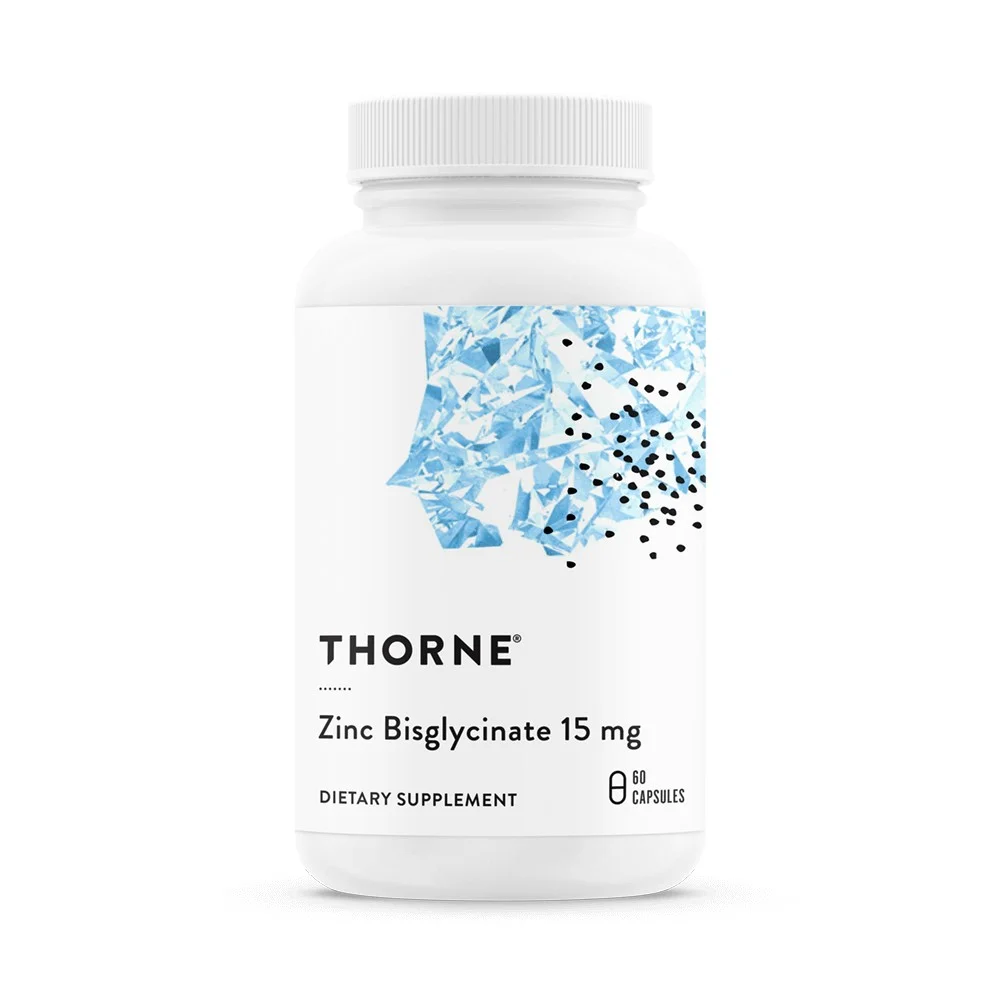
- Zinc bisglycinate (glycinate) — Chelated to glycine, which protects it from phytate interference in the gut and is very gentle on the stomach. Excellent choice if zinc capsules tend to make you nauseous.
- Zinc gluconate — Decent absorption, widely available, and the form most commonly used in lozenges. A solid middle-ground option.
- Zinc citrate — Comparable to gluconate. Fine but nothing special.
- Zinc oxide — The one to avoid. Absorption is roughly 50% lower than picolinate or bisglycinate. It’s the cheapest form, which is why it shows up in so many budget supplements and multivitamins. If your zinc supplement uses zinc oxide, you’re paying for a mineral your body can barely use. Same story as magnesium oxide — cheap for the manufacturer, useless for you.
Who’s Most at Risk for Deficiency?
Zinc deficiency doesn’t always announce itself with obvious symptoms. It often looks like vaguely feeling “off” — getting sick more often, cuts healing slowly, low energy, reduced appetite, skin issues. Here are the groups most likely to be running low:
- Vegetarians and vegans. This is the big one. Plant foods contain phytates (phytic acid) that bind zinc and reduce absorption by up to 50%. The RDA for vegetarians is actually set 50% higher than for omnivores (12mg vs 8mg for women, 16.5mg vs 11mg for men) for this exact reason. If you don’t eat red meat or shellfish, supplementation is worth serious consideration.
- Athletes and heavy sweaters. You lose zinc through sweat — roughly 0.5mg per liter of sweat. High-intensity training sessions can deplete 2–3mg per workout. Over weeks and months of consistent training, this adds up. Multiple studies have found lower zinc status in endurance athletes compared to sedentary controls.
- Older adults (60+). Zinc absorption decreases with age, dietary intake tends to drop, and many medications common in older adults (diuretics, ACE inhibitors, PPIs) further impair zinc status. This partially explains the higher infection rates seen in aging populations.
- People with GI conditions. Crohn’s disease, ulcerative colitis, celiac disease, and other conditions affecting intestinal absorption significantly reduce zinc uptake.
- Heavy alcohol consumers. Alcohol reduces zinc absorption and increases urinary zinc excretion. Chronic heavy drinking is one of the fastest routes to zinc depletion.
Dosing, Timing, and Practical Tips
Here’s the actionable part:
- General health maintenance: 15–30mg/day of elemental zinc (picolinate or bisglycinate form). This comfortably covers the RDA (11mg for men, 8mg for women) plus accounts for imperfect absorption and individual variation.
- Immune support during a cold: 75–92mg/day as zinc acetate or gluconate lozenges, dissolved slowly in the mouth, starting within 24 hours of first symptoms. Continue for the duration of the cold (typically 5–7 days). This is a short-term therapeutic dose, not a daily maintenance dose.
- Absolute ceiling for daily supplementation: 40mg/day. This is the Tolerable Upper Intake Level set by the NIH. Going above this chronically increases the risk of copper depletion, GI distress, and ironically, immune suppression. Don’t exceed this without medical supervision.
Timing
Take zinc with food. On an empty stomach, zinc commonly causes nausea — sometimes intensely. A light meal or snack is enough to prevent this. Avoid taking zinc at the same time as high-dose calcium or iron supplements, as they compete for the same absorption pathways. Spacing them 2 hours apart eliminates the conflict. For a full breakdown of what to take when, see our supplement timing guide.
One more practical note: if you’re already taking a multivitamin, check how much zinc it contains before adding a standalone zinc supplement. Many multis include 10–15mg, which may be enough if your diet is decent. Doubling up without realizing it is how people accidentally end up at 50mg+ daily. Our multivitamin guide covers how to audit your existing stack for overlap.
The Zinc Taste Test Is Pseudoscience
You may have heard of the “zinc taste test” — where you swish liquid zinc sulfate in your mouth and your ability to taste it supposedly tells you whether you’re deficient. If it tastes like water, you’re deficient. If it tastes metallic, you’re fine.
There’s no credible scientific evidence supporting this test. A 2005 review published in the Journal of Alternative and Complementary Medicine (Gruner & Arthur) found no correlation between zinc taste test results and actual serum zinc levels. Taste perception is influenced by dozens of variables — hydration, what you ate recently, medications, even the time of day. It’s a parlor trick, not a diagnostic tool.
If you want to know your zinc status, get a serum zinc blood test. Unlike serum magnesium, serum zinc is actually a reasonable marker (though it drops during acute infections and inflammation, so test when you’re healthy). Optimal range is generally 80–120 mcg/dL.
Building Zinc Into a Broader Stack
Zinc doesn’t exist in isolation. If you’re thinking about foundational supplementation, it fits naturally alongside a few other basics:
- Zinc + copper (1–2mg copper per 15–30mg zinc) — non-negotiable for daily use, as discussed above
- Zinc + vitamin D — zinc is a cofactor in vitamin D receptor signaling; the two work synergistically for immune function
- Zinc + magnesium — the classic ZMA combination. Take at different times if doses are high (both are divalent cations and can compete at very high doses), but at standard supplemental doses the interaction is minimal
For a full framework on combining supplements intelligently, check out our beginner longevity supplement stack guide.
Zinc and Antibiotic Interactions: Space Them or Lose the Drug
Zinc and antibiotic interactions represent the highest-stakes drug-nutrient conflict for this mineral — and the one most likely to affect you, since people fighting bacterial infections are exactly the people reaching for zinc lozenges. The problem is simple chemistry: zinc ions chelate (bind to) certain antibiotics in your GI tract, forming insoluble complexes that your body can't absorb. The antibiotic passes through you without ever reaching therapeutic blood levels.
The two antibiotic classes most affected are fluoroquinolones (ciprofloxacin, levofloxacin, moxifloxacin) and tetracyclines (doxycycline, minocycline, tetracycline). A pharmacokinetic study by Polk et al. (1989) in Antimicrobial Agents and Chemotherapy demonstrated that co-administration of zinc with ciprofloxacin reduced the antibiotic's bioavailability by approximately 50%. Similar reductions — in the 30–50% range — have been documented for doxycycline when taken alongside divalent cations including zinc (Neuvonen, 1976). Strong evidence That's not a subtle efficiency loss. That's a potentially failed course of antibiotics, which means a longer infection and increased risk of antibiotic resistance.
This applies to all zinc sources: capsules, lozenges, ZMA formulas, and even fortified foods or multivitamins containing zinc. The chelation effect doesn't care about the form — it cares about the zinc ions being present in your gut at the same time as the drug. If you're running the 75–92mg/day lozenge protocol for a cold and simultaneously prescribed an antibiotic, managing this spacing becomes genuinely difficult. Talk to your prescriber about a dosing schedule that protects both the antibiotic's efficacy and your zinc regimen.
For a broader look at how to time supplements around medications, see our supplement timing guide.
Resolving the Dosing Contradiction: Cold Protocol vs. Daily Limit
If you've been reading carefully, you've noticed an apparent contradiction in the cold protocol vs. daily limit recommendations: this guide tells you to take 75–92mg/day of zinc lozenges for a cold, then tells you the Tolerable Upper Intake Level is 40mg/day. Those two numbers don't sit comfortably together — and they shouldn't, because they describe fundamentally different scenarios.
What the 40mg UL Actually Means
The NIH set the 40mg/day UL for chronic, ongoing intake — the amount you can take day after day, indefinitely, without meaningful risk of adverse effects like copper depletion or immune suppression. It's a guardrail for long-term behavior, not a single-dose toxicity threshold. The key studies underpinning it, including Yadrick et al. (1989), measured copper status changes over 10 weeks of sustained high-dose zinc intake.
Why the Cold Protocol Gets a Pass — With Caveats
The 75–92mg/day lozenge regimen from Hemilä's 2017 meta-analysis runs for 5–7 days, then stops. At that duration, the risk of clinically significant copper depletion is negligible. Your body can tolerate short bursts that would be harmful if sustained. This is the same logic behind short-course antibiotics or high-dose vitamin D loading protocols — duration changes the risk calculus entirely.
Think of it this way: 40mg/day is your daily speed limit; 75–92mg/day is the sprint you're allowed for less than a week when you're actually sick. Conflating the two — either by fearing the cold protocol or by treating the cold dose as a daily maintenance level — leads to bad decisions in both directions. Moderate evidence
Zinc During Pregnancy and Breastfeeding
Zinc supplement pregnancy safe is one of the most common searches we see — and the answer is nuanced. Zinc requirements genuinely increase during pregnancy and lactation because the mineral is essential for fetal cell division, DNA synthesis, and immune development. The RDA rises from 8mg to 11mg during pregnancy and 12mg during breastfeeding. But "more is needed" doesn't mean "more is better."
Deficiency during pregnancy is linked to serious outcomes. A meta-analysis by Ota et al. (2015, Cochrane Database of Systematic Reviews) examining 25 randomized trials found that zinc supplementation reduced preterm birth by approximately 14%. Moderate evidence Observational data consistently associates low maternal zinc status with fetal growth restriction, low birth weight, and prolonged labor — though intervention trials have shown mixed results on these specific endpoints.
Iron and zinc compete for the same intestinal transporters, and prenatal vitamins typically deliver 27mg of iron. Taking additional zinc alongside that dose can reduce absorption of both minerals. If your provider determines you need extra zinc — common in vegetarian pregnancies or those with hyperemesis — they'll likely recommend specific timing to separate it from your prenatal.
During breastfeeding, zinc is secreted in breast milk at roughly 1–2mg/day during the first six months. Your body prioritizes the infant, which means your own stores can deplete faster than you'd expect, especially if your dietary intake is marginal. Shellfish, red meat, and zinc-rich foods remain the safest first-line strategy; supplementation beyond your prenatal should be guided by serum zinc testing and your provider's recommendation.
Bottom line: zinc is essential during pregnancy and lactation, and deficiency carries real risks. But this is not the time for self-experimentation with doses. Consult your healthcare provider before supplementing beyond what your prenatal vitamin already provides.
Lozenge Formulation Matters: What to Look for on the Label
Not all zinc lozenges are therapeutically equivalent, even at the same dose. The lozenge formulation — specifically the inactive ingredients used for flavoring and texture — can neutralize the very ionic zinc that makes lozenges work against colds in the first place. If you're buying lozenges based on the cold-shortening evidence above, this is where most people unknowingly waste their money.
The problem is chelation. Ingredients like citric acid, mannitol, and sorbitol — common in flavored lozenges — bind free zinc ions in your saliva before they can contact the nasal and pharyngeal mucosa where rhinovirus replicates. Hemilä's 2017 subgroup analysis in JRSM Open found that lozenges containing these chelating agents showed significantly smaller cold-duration reductions than lozenges without them. The zinc is technically present, but biochemically unavailable.
Zinc Acetate vs. Zinc Gluconate in Lozenges
Hemilä's analysis also found that zinc acetate lozenges shortened colds by 40%, compared to 28% for zinc gluconate — likely because acetate releases 100% of its zinc as ionic zinc at physiological pH, while gluconate releases roughly 72% (Eby, 2004). If you can find zinc acetate lozenges with clean excipients, that's the ideal formulation.
This is one of those cases where a more expensive, worse-tasting lozenge is actually the better product. The pleasant-tasting options typically achieve that flavor by loading up on the exact acids that inactivate ionic zinc. When it comes to zinc lozenges for colds, bland is better. For more on decoding what's actually in your supplements, see our guide to reading supplement labels.
Who Should Talk to a Doctor First
At the 15–30mg/day maintenance range, zinc is well-studied and well-tolerated in healthy adults. But several populations face meaningful interactions or altered risk-benefit profiles that warrant a conversation with a clinician before starting — or before following the higher-dose cold protocol described above.
None of the above is medical advice. Bring your full supplement list — including what you're considering — to your next provider visit.
Frequently Asked Questions
Can zinc supplements cause nausea?
Yes, and this is the most common side effect. Zinc taken on an empty stomach triggers nausea in a significant percentage of people, sometimes severe enough to cause vomiting. The fix is simple: always take zinc with food. If you still experience discomfort, switch to zinc bisglycinate, which is the gentlest chelated form on the stomach. Starting at 15mg and working up to your target dose over a week also helps.
Is it safe to take zinc every day long-term?
At doses of 15–30mg/day, zinc is safe for indefinite daily use — provided you also supplement with 1–2mg of copper to prevent the copper depletion effect described above. Stay at or below 40mg/day from all sources (supplements plus food), and get a serum zinc and copper panel annually if you’re supplementing long-term. The risk of chronic high-dose zinc without copper co-supplementation is real and well-documented — don’t skip the copper.
Does zinc really help with acne?
There’s moderate evidence. A 2014 meta-analysis in Dermatology Research and Practice found that oral zinc supplementation (typically 30–45mg/day of elemental zinc) reduced inflammatory acne lesion counts, though less effectively than antibiotics. Zinc’s anti-inflammatory and antimicrobial properties are the likely mechanisms. It’s not a miracle cure, but for people with mild to moderate acne who are also zinc deficient, it can meaningfully help — and it has far fewer side effects than long-term antibiotic use. Moderate evidence
Should I take zinc if I’m already eating red meat regularly?
Maybe not. A 6oz serving of beef provides about 7mg of zinc in a highly bioavailable form (no phytate interference). If you eat red meat or shellfish several times per week and don’t have any of the risk factors listed above (heavy exercise, GI issues, heavy sweating), you may be getting enough from food. The best way to know is to track your intake for a week using any nutrition app, or get a serum zinc test. Supplementation makes the most difference for people whose dietary intake is genuinely low.
Is it safe to take 80mg zinc lozenges when the daily limit is 40mg?
Yes, in this specific context — but the two numbers refer to different situations. The 40mg NIH Tolerable Upper Intake Level applies to chronic daily supplementation. The 75–92mg/day lozenge protocol is a short-term therapeutic dose used only for the duration of a cold (typically 5–7 days). At acute lozenge doses, GI side effects — nausea, stomach upset — are common and worth expecting. Do not use 80–92mg/day as a maintenance dose. Once the cold resolves, return to 15–30mg/day or stop entirely.
What does zinc deficiency look like on a blood test?
A standard serum zinc panel is what your doctor orders — it's a routine blood draw. The guide cites an optimal range of 80–120 mcg/dL. A result below 80 mcg/dL suggests deficiency; results in the 60–79 mcg/dL range are typically considered borderline low. One caveat: serum zinc drops during active infection or inflammation, so test when you're healthy for an accurate baseline. For interpreting your specific result or determining whether treatment is warranted, consult your physician.
Can I take zinc with my prescription medication?
The guide doesn't cover drug-supplement interactions directly, and this is a genuine patient-safety gap. What is well-established outside this guide: zinc significantly reduces absorption of quinolone and tetracycline antibiotics (it chelates them), and may interact with penicillamine and immunosuppressants. If you take any prescription medication, consult your prescribing physician or pharmacist before adding zinc supplementation. This is especially important if zinc is being taken at therapeutic doses.
What should I look for — and avoid — on a zinc lozenge ingredient label?
The guide recommends zinc acetate or zinc gluconate for cold lozenges, since both release ionic zinc effectively in the throat. What the guide doesn't address: formulation additives. Research outside this guide suggests citric acid and sorbitol may reduce ionic zinc availability, potentially blunting efficacy. When evaluating lozenges, prioritize zinc acetate as the active form, check for minimal sweeteners, and confirm the elemental zinc dose per lozenge so you can track your daily total against the 75–92mg therapeutic target.
Can children take zinc supplements?
The guide doesn't cover pediatric use. Zinc Upper Intake Levels and safe doses differ substantially by age — for example, the NIH UL for children aged 4–8 is just 12mg/day, far below the adult 40mg ceiling. Parents should not extrapolate adult dosing to children. Consult a pediatrician before giving any child zinc supplements, particularly for cold treatment, where the lozenge protocols described in this guide are based on adult studies.
Does zinc interact with copper supplements — can I take them together?
The guide recommends pairing zinc with 1–2mg of copper daily but doesn't address timing. The depletion mechanism — zinc inducing intestinal metallothionein, which binds copper and blocks its absorption — means the two compete at the intestinal level. To minimize this competition, spacing zinc and copper at least 2 hours apart is a reasonable precaution, consistent with the guide's advice to space competing minerals. At minimum, do not skip the copper: the guide is explicit that chronic zinc at 40mg/day or above without copper co-supplementation carries documented deficiency risk.
The Bottom Line
Zinc is one of those minerals that does a lot of quiet, essential work behind the scenes. When you have enough, you don’t think about it. When you don’t, things start subtly breaking — your immune system gets sluggish, wounds heal slowly, your energy dips, and if you’re male, your hormonal profile may shift.
The supplementation strategy is straightforward: 15–30mg/day of zinc picolinate or bisglycinate, taken with food, paired with 1–2mg of copper. Don’t exceed 40mg daily without a reason and a doctor’s sign-off. Skip zinc oxide. And for acute colds, keep zinc acetate lozenges on hand and start them within the first 24 hours.
Simple, evidence-backed, and — provided you remember the copper — very safe for long-term use.
Supplements that support this
Turn this into your stack
Answer two questions and we'll build an evidence-graded starter stack — every ingredient with its dose, timing, and interaction checks.
Free · no account needed to start
Interactions to know
How these pair with other supplements and medications
- Warningzinc+copper
Zinc depletes copper over time
- Cautionzinc+iron
Zinc and iron compete for absorption
- Cautioncalcium+zinc
Calcium may reduce zinc absorption
- Cautionfiber+minerals
Fiber can reduce mineral absorption
- Synergyzinc+quercetin
Quercetin acts as zinc ionophore
- Synergyzinc+vitamin a
Zinc needed for vitamin A metabolism
- Infomagnesium+zinc
High-dose magnesium may slightly reduce zinc absorption
Check your full stack in the free interaction checker.
Read next
Magnesium Glycinate vs Citrate vs Oxide: Which Form Actually Absorbs?
Glycinate (80% absorbed) vs citrate (50%) vs oxide (4%) — with elemental-dose math, side effects, and picks for sleep, constipation, and cognition.
Zinc for Immune Support: Timing and Form Matter More Than Dose
Zinc genuinely shortens colds, but only when taken correctly. Lozenges within 24 hours of first symptoms — not pills, not after you're already sick.
Iron Supplements Guide 2026: Evidence-Based & Ranked
Learn who needs iron supplements, what bloodwork to get, and which forms won’t wreck your stomach. Covers dosing science most doctors skip.
The real science of food and health — macro- and micronutrients, and how diet shapes aging.
Evidence-based supplement guides, no spam
We send a short digest when new guides drop — nothing else. No affiliate pushes, no sponsored content, unsubscribe anytime.