Zinc for Immune Support: Timing and Form Matter More Than Dose
Zinc genuinely shortens colds, but only when taken correctly. Lozenges within 24 hours of first symptoms — not pills, not after you're already sick.
- Zinc lozenges shorten colds by ~33% — but only when started within 24 hours of first symptoms
- Form is critical: zinc acetate or zinc gluconate lozenges work; zinc oxide and citrate do not
- Swallowed zinc pills don't shorten colds — the mechanism requires direct contact with throat tissue
- Protocol: 13–23 mg elemental zinc per lozenge, every 2–3 hours while awake, for 3–5 days
- Chronic immune support (15–30 mg/day with copper) is a completely different use case than the cold protocol
- Zinc nasal sprays have been linked to permanent loss of smell — avoid them entirely
Zinc for immune support is one of the few supplement claims with genuinely strong clinical evidence behind it — but the details matter enormously. Zinc lozenges, dissolved slowly in the mouth within 24 hours of your first cold symptoms, can cut the duration of a cold by roughly a third. Take the wrong form, swallow a pill instead, or start too late, and the effect largely disappears.
What Zinc Lozenges Actually Do
The common cold is caused by rhinoviruses that replicate primarily in the pharyngeal and nasal tissues — the back of your throat and inside your nose. Ionic zinc (Zn²⁺) released from a lozenge as it dissolves in your mouth directly contacts these tissues, where it appears to interfere with the virus’s ability to bind to cellular receptors and replicate.
This isn’t about boosting your immune system in some vague, systemic way. It’s a topical antiviral effect. The zinc ions need to physically reach the tissue where the virus is active. That’s why the delivery method — a slowly dissolving lozenge — is non-negotiable.
Hemilä et al. (2017) conducted a meta-analysis of randomized controlled trials, published in the Journal of the Royal Society of Medicine, and found that zinc lozenges providing 80–92 mg/day of elemental zinc shortened cold duration by approximately 33% when started within 24 hours of symptom onset. That’s roughly 2–3 fewer days of symptoms in a typical cold. (Singh et al. (2013) in the Cochrane Database of Systematic Reviews are more conservative, noting high heterogeneity across trials and the near-impossibility of blinding participants to zinc’s strong metallic taste — but the direction of effect is consistent. Moderate evidence) Few over-the-counter remedies come close to that effect size.
Form Matters: Acetate and Gluconate Only
Not all zinc compounds release ionic zinc effectively in saliva. This single detail explains why so many zinc products fail in practice despite containing adequate amounts of elemental zinc.
Ineffective for colds: Zinc oxide, zinc citrate, and zinc sulfate either don’t release ionic zinc efficiently in the oral environment or bind it in ways that prevent tissue contact. Zinc gluconate-citrate combinations also fail — the citric acid chelates the zinc ions before they can act.
Hemilä et al.’s analysis specifically noted that trials using zinc acetate lozenges showed the most consistent results. Strong evidence Zinc gluconate lozenges also worked, provided they didn’t contain additives like citric acid, tartaric acid, or mannitol that bind the free zinc ions. Many commercial lozenges add these for taste — and in doing so, neutralize the active mechanism.
If you’re shopping for zinc lozenges specifically for cold use, check the ingredient list carefully. The lozenge should contain zinc acetate or zinc gluconate and should not list citric acid, tartaric acid, sorbitol, or mannitol as additives. You can browse zinc products in the Formulate catalog to compare forms and additive profiles. For a broader overview of zinc forms and their uses beyond colds, see our full zinc guide.
Timing: The 24-Hour Window
Evidence consistently shows that zinc lozenges must be started within 24 hours of the first symptom — that initial throat tickle, the first sneeze, the slight scratchiness. Waiting even 48 hours dramatically reduces the effect. Eby et al. (1984), in a landmark trial published in the Journal of Antimicrobial Agents and Chemotherapy, first demonstrated this time-dependent effect. Moderate evidence
This makes biological sense. During the first 24 hours, viral replication is ramping up but hasn’t yet peaked. Ionic zinc at the tissue surface can interfere with this ramp-up phase. Once the virus has fully established itself and your immune response has shifted into full inflammatory mode, topical zinc interference is too little, too late.
Why Pills Don’t Work for Colds
This is the single most common mistake people make with zinc and colds. Swallowing a zinc capsule or tablet does nothing for cold duration. The zinc gets absorbed in your small intestine, enters systemic circulation, and never contacts the pharyngeal tissue where rhinoviruses replicate.
Trials using oral zinc supplements (swallowed, not dissolved) show no meaningful reduction in cold duration. Strong evidence The mechanism is topical, not systemic. Think of it less like “taking a supplement” and more like applying an antiviral directly to the infection site.
This distinction also means that your daily zinc multivitamin or standalone zinc pill, while potentially useful for other reasons (immune cell function, wound healing, preventing deficiency), is not a cold-shortening intervention.
Protocol: Dose and Frequency
Based on the successful trial protocols compiled in Hemilä’s meta-analysis, the effective cold protocol looks like this:
- Lozenge strength: 13–23 mg elemental zinc per lozenge (zinc acetate or zinc gluconate)
- Frequency: One lozenge every 2–3 hours while awake
- Daily total: Approximately 75–92 mg elemental zinc per day (5–6 lozenges)
- Start: Within 24 hours of first symptoms
- Duration: Continue until symptoms resolve, typically 3–5 days
- Dissolve slowly: Let the lozenge dissolve in your mouth over 20–30 minutes — don’t chew or swallow it
Side Effects and Tolerability
Zinc lozenges aren’t pleasant. The most common side effects in trials include a strong metallic or astringent taste, mild nausea (especially if dissolved too quickly or on an empty stomach), and temporary changes in taste perception. Some people also report dry mouth.
These side effects are annoying but generally harmless and resolve once you stop taking the lozenges. The taste issue is sometimes severe enough that participants drop out of trials, which gives you a sense of what to expect. Zinc acetate lozenges tend to taste worse than zinc gluconate, but may release ionic zinc more efficiently.
Nausea can be minimized by not taking lozenges on a completely empty stomach and by dissolving them slowly rather than letting a large dose hit your throat at once.
Acute Cold vs. Chronic Immune Support
The cold-shortening lozenge protocol and daily zinc supplementation for general immune function are fundamentally different use cases, and conflating them is a common source of confusion.
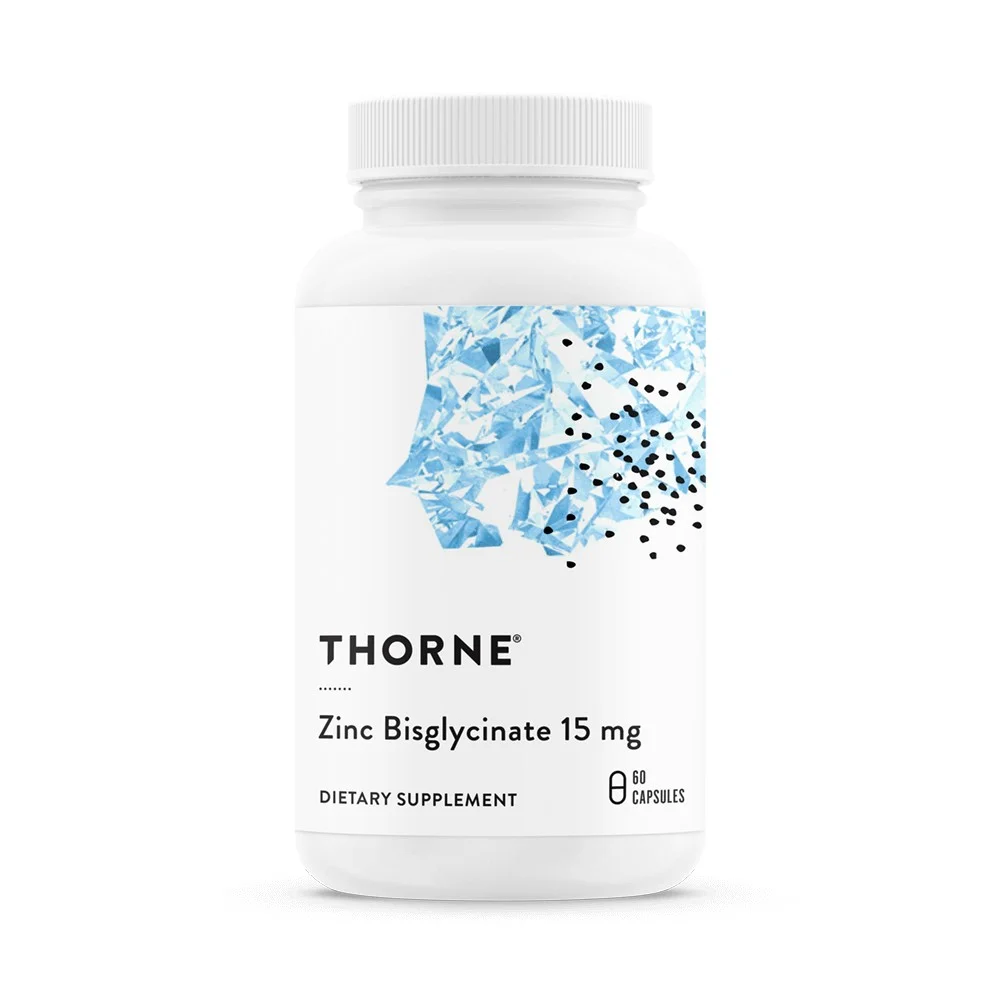
For chronic immune support and deficiency prevention: 15–30 mg/day of elemental zinc (any well-absorbed form — picolinate, bisglycinate, gluconate, acetate) is the standard range. Prasad et al. (2007), published in the Journal of Molecular Medicine, demonstrated that mild zinc deficiency impairs T-cell function and cytokine production in healthy adults. Moderate evidence If you supplement zinc daily at doses above 15 mg for more than a few weeks, pair it with 1–2 mg of copper, because chronic zinc intake can deplete copper over time.
For acute colds: The lozenge protocol described above. Higher dose, specific form, specific delivery, short duration.
As for prevention — taking zinc regularly to avoid getting colds in the first place — the evidence is limited. Some studies in zinc-deficient populations show reduced infection rates, but in people with adequate zinc status, prophylactic supplementation shows modest effects at best. Emerging evidence You’re better off pairing adequate zinc intake with vitamin D optimization and a quality probiotic for year-round immune resilience.
What About Zinc Nasal Sprays?
Common Product Mistakes
Most zinc products marketed “for immune support” won’t shorten a cold. Here’s what goes wrong:
- Wrong form: Zinc oxide tablets, zinc citrate capsules, and multivitamins with zinc are all swallowed — no pharyngeal contact
- Lozenges with chelating additives: Citric acid, tartaric acid, glycine, and mannitol bind free zinc ions and prevent them from reaching tissue. Many “zinc lozenges” at the pharmacy contain these
- Too low a dose per lozenge: Some products contain only 5 mg per lozenge, requiring impractical numbers of lozenges per day to reach effective doses
- Started too late: Buying zinc lozenges on day 3 of a cold is largely a waste
- Zinc-infused herbal cough drops: These typically have trivial amounts of zinc in a sugar base with numerous chelating ingredients
Frequently Asked Questions
Does zinc actually shorten colds, or is this overhyped?
It genuinely shortens colds — this is one of the better-supported supplement claims. Hemilä’s 2017 meta-analysis found a ~33% reduction in cold duration with zinc acetate lozenges providing 80+ mg/day, started within 24 hours. The catch is that most people use the wrong form or start too late, then conclude zinc doesn’t work. When the protocol is followed correctly, the evidence is strong.
Can I just take extra zinc pills when I feel a cold coming on?
No. Swallowed zinc pills do not shorten colds. The mechanism is topical — ionic zinc must contact the pharyngeal tissue where the virus replicates. A swallowed pill gets absorbed in the small intestine and never reaches the right tissue. You need lozenges that dissolve slowly in your mouth.
Zinc acetate vs. zinc gluconate lozenges — which is better?
Both work. Zinc acetate releases ionic zinc more efficiently in saliva, and Hemilä’s analysis found slightly more consistent results with acetate. However, zinc gluconate lozenges also shorten colds effectively, provided they don’t contain citric acid or other chelating additives. Zinc acetate lozenges tend to taste more metallic, which is a tolerability trade-off.
Should I take zinc lozenges every day during cold season to prevent colds?
The evidence for zinc as a preventive measure in people with adequate zinc levels is weak. Daily high-dose lozenges for weeks or months would also cause side effects including nausea, copper depletion, and taste disturbances. A better strategy: keep lozenges on hand and deploy them within 24 hours of your first symptoms. For general prevention, maintain adequate daily zinc intake (15–30 mg) through diet or a standard supplement.
Is zinc safe during pregnancy?
Standard zinc supplementation at dietary levels (8–12 mg/day) is generally considered safe during pregnancy. However, the high-dose acute cold protocol (75–92 mg/day) has not been adequately studied in pregnant individuals. If you’re pregnant or breastfeeding and considering zinc lozenges for a cold, consult your healthcare provider before using doses above the standard recommended intake.
What zinc lozenges actually meet these criteria — no citric acid, zinc acetate or gluconate?
The guide doesn’t name specific brands. To evaluate any product yourself: check the Supplement Facts panel for zinc acetate or zinc gluconate as the zinc source, then scan the inactive ingredients for citric acid, tartaric acid, sorbitol, or mannitol — if any appear, skip it. Also confirm each lozenge delivers 13–23 mg elemental zinc. Applying this label-reading framework at the pharmacy or online filters out most products that would otherwise neutralize the active zinc ions before they reach your throat.
Can I give zinc lozenges to my child?
The guide doesn’t address pediatric use — it covers healthy adults only. Do not extrapolate the adult protocol (75–92 mg/day) to children; zinc toxicity thresholds are lower in children, and appropriate doses, lozenge formulations, and age cutoffs differ. Consult your child’s pediatrician before using any zinc lozenge protocol for a child.
I already took zinc pills on day 1 — should I switch to lozenges now on day 2?
The guide doesn’t address mixed or partial protocol scenarios directly. What it does make clear is that the 24-hour window is critical and that pills provide no cold-shortening benefit regardless of timing. Whether lozenges started on day 2 still deliver partial benefit isn’t something the guide covers. Based on the underlying mechanism — lozenges work by contacting pharyngeal tissue during early viral replication — starting later is likely less effective, but the guide doesn’t quantify that trade-off.
How long can I store zinc lozenges before they lose potency?
The guide doesn’t address shelf life or storage conditions. Generally, follow the expiration date printed on the packaging and store lozenges in a cool, dry location away from humidity, which can degrade lozenge integrity. If a lozenge has visibly degraded — crumbled, discolored, or tacky — don’t rely on it. When stocking up before cold season as the guide recommends, check expiration dates at purchase to ensure you’ll have viable product when you need it.
Does zinc interact with my blood pressure medication / thyroid medication / proton pump inhibitor?
The guide only covers interactions with antibiotics and immunosuppressants. It does not address ACE inhibitors, thiazide diuretics, thyroid medications, or proton pump inhibitors — all common in adults over 50. Clinically relevant interactions exist with these drug classes. If you take any of them, consult your prescriber or pharmacist before using the high-dose acute zinc lozenge protocol.
Can I take zinc lozenges and NyQuil / DayQuil / other OTC cold medicine at the same time?
The guide doesn’t address combination use with OTC cold remedies. Some combination products contain vitamin C formulations or acidic inactive ingredients that could theoretically chelate zinc ions — the same mechanism the guide warns about with citric acid in lozenges themselves. Because the guide is silent on this scenario, check the inactive ingredients of any OTC remedy for chelating additives and, if uncertain, ask a pharmacist before combining.
Who Should Talk to a Doctor First
Zinc lozenges are generally well-tolerated for short-term use in healthy adults, but certain populations should exercise caution.
None of the above is medical advice — consult your healthcare provider before starting any new supplement protocol. Bring your full supplement list to your next provider visit.
The Bottom Line
Zinc lozenges for colds represent something rare in the supplement world: a genuinely effective intervention backed by strong clinical evidence. The ~33% reduction in cold duration found in meta-analyses is a meaningful effect that rivals or exceeds most over-the-counter cold remedies.
But the details are everything. You need zinc acetate or zinc gluconate lozenges without chelating additives. You need to start within 24 hours of your first symptoms. You need to dissolve them slowly in your mouth, not swallow them. And you need to take one every 2–3 hours while awake for the duration of your cold. Get any of these details wrong and you’re essentially taking an expensive placebo.
The biggest practical barrier is preparation. You can’t benefit from a 24-hour window if you don’t have the right lozenges already in your medicine cabinet when symptoms hit. Stock up before cold season. Read the ingredient label. Skip anything with citric acid in the inactive ingredients.
For daily immune support — separate from the acute cold protocol — 15–30 mg of zinc from any well-absorbed form, paired with 1–2 mg of copper if supplementing long-term, is a reasonable baseline. Combine this with adequate vitamin D and a well-chosen probiotic strain for a practical, evidence-informed immune support stack. But don’t confuse daily supplementation with the cold protocol. They’re different tools for different situations.
Zinc isn’t magic and it won’t prevent colds. What it can do, when used correctly, is take a seven-day cold and turn it into a four-or-five-day cold. That’s a meaningful difference — and one of the few supplement benefits you can actually feel in real time.
Supplements that support this
Turn this into your stack
Answer two questions and we'll build an evidence-graded starter stack — every ingredient with its dose, timing, and interaction checks.
Free · no account needed to start
Interactions to know
How these pair with other supplements and medications
- Warningzinc+copper
Zinc depletes copper over time
- Cautionzinc+iron
Zinc and iron compete for absorption
- Cautioncalcium+zinc
Calcium may reduce zinc absorption
- Synergyzinc+quercetin
Quercetin acts as zinc ionophore
- Synergyzinc+vitamin a
Zinc needed for vitamin A metabolism
- Infomagnesium+zinc
High-dose magnesium may slightly reduce zinc absorption
Check your full stack in the free interaction checker.
Read next
Zinc Supplement Guide 2026: Evidence-Based & Ranked
Learn which zinc forms actually shorten colds, how dosing affects testosterone and copper balance, and who faces the highest deficiency risk.
Best Vitamin C Supplements 2026: Form, Dose, and What Actually Works
Ascorbic acid, buffered, liposomal, or whole-food? Dose by goal (daily health, acute illness, iron absorption, collagen). What the Linus Pauling megadose narrative got wrong.
Cold Plunge Benefits and Risks: What the Evidence Shows
Cold shock and drowning risk, what cold water does for mood and soreness, why plunging after lifting can blunt muscle growth, and who should avoid it.
The real science of food and health — macro- and micronutrients, and how diet shapes aging.
Evidence-based supplement guides, no spam
We send a short digest when new guides drop — nothing else. No affiliate pushes, no sponsored content, unsubscribe anytime.