Do You Need a Multivitamin? Clinical Evidence 2026
Most adults take multivitamins as nutritional insurance — but 700,000-person studies show near-zero mortality benefit. Learn when one helps and when to target instead.
- A 2024 JAMA meta-analysis of 700,000+ participants found no significant mortality reduction from multivitamins
- The format forces underdosing — you can't fit clinical doses of 25+ nutrients into 1-2 pills
- Targeted supplementation of your actual gaps (usually vitamin D, magnesium, omega-3) is more effective at the same cost
- Multivitamins still make sense for restricted diets, pregnancy, older adults, or people who won't take multiple bottles
Most people don’t need a multivitamin if they eat a reasonably varied diet. The clinical evidence on multivitamins is surprisingly mixed, in part because cramming 25+ nutrients into one or two small pills guarantees most are underdosed. One in three American adults takes one daily, but a targeted approach — supplementing specific documented gaps like vitamin D, magnesium, and omega-3 — is more effective for most people.
What the Largest Studies Actually Found
The multivitamin has been studied extensively. The results are … underwhelming:
- The Physicians’ Health Study II (2012): 14,641 male physicians, followed for over a decade. Daily multivitamin use showed a modest 8% reduction in total cancer incidence. No significant effect on cardiovascular disease, stroke, or cognitive decline. An 8% cancer reduction sounds good until you realize the absolute risk reduction was tiny — about 1 fewer cancer per 1,000 men per year. Strong evidence
- COSMOS-Mind (2022): A substudy found that daily multivitamin use was associated with slowed cognitive aging — roughly 1.8 years of preserved memory function over 3 years. This was legitimately interesting, but it was a secondary endpoint in a larger trial, and the effect needs replication. Moderate evidence
- JAMA Network Open meta-analysis (2024): Pooled data from 20 studies and over 700,000 participants. Result: no significant reduction in all-cause mortality from multivitamin use. Zero. Strong evidence
Why the Format Itself Is the Problem
The issue isn’t that multivitamins are bad. It’s that the concept has unavoidable physics and chemistry limitations:
Problem 1: Everything Is Underdosed
A single capsule can hold roughly 500–800mg of material. Now try to fit 25+ ingredients in there at clinical doses:
- Magnesium alone needs 300–400mg for a therapeutic dose
- Calcium needs 500–1,000mg
- Fish oil needs 1,000–2,000mg
Check the supplement label guide for how to spot underdosed ingredients.
Problem 2: Minerals Fight Each Other
Calcium reduces iron absorption by up to 60%. Zinc and copper compete. Magnesium and calcium interfere at high doses. Putting all these minerals in one pill and swallowing them together is like shipping two rival packages in the same box and hoping they both arrive intact.
This is why our timing guide recommends separating competing minerals — something a multivitamin structurally cannot do.
Problem 3: Cheapest Forms to Cut Costs
To keep the per-bottle price competitive, many multivitamins use the cheapest forms of each nutrient: magnesium oxide (4% absorption), cyanocobalamin (synthetic B12), folic acid (can’t be converted by 40% of people), vitamin D2 (less effective than D3).
You’re paying for the ingredient on the label, but your body may only absorb a fraction of it.
Problem 4: One Size Fits Nobody
A 25-year-old female distance runner and a 60-year-old sedentary man have radically different nutritional needs. She probably needs more iron and folate. He probably doesn’t need iron at all (excess iron is harmful for men and postmenopausal women). Yet they’re buying the same generic multivitamin.
What the Deficiency Numbers Actually Look Like
NHANES (the CDC’s National Health and Nutrition Examination Survey) tracks US nutrient intake across decades. When people argue for multivitamins, they cite the population-level gaps. When people argue against, they cite the same data. Here’s what the numbers show, and why both sides are partly right:
- Vitamin D: Roughly 40% of US adults have serum 25(OH)D below 20 ng/mL (deficient). Closer to 70% are below 30 ng/mL (insufficient). This is the single most common fixable micronutrient gap in the US.
- Magnesium: Roughly 48% of Americans consume below the EAR (estimated average requirement) from food. Subclinical deficiency is common and correlates with poor sleep, cramping, and glucose dysregulation.
- Vitamin B12: ~6% of adults under 60 are deficient; ~20% of adults over 60 are at least marginally deficient due to age-related reductions in intrinsic factor.
- Iron: ~10% of premenopausal women are iron-deficient; ~4% have iron-deficiency anemia. Negligible in men and postmenopausal women.
- Folate, riboflavin, thiamine, vitamin A, vitamin C:Frank deficiency is rare in the US outside of alcohol use disorder, bariatric surgery, or severely restrictive diets. Food fortification handles most of these.
The pattern: a handful of nutrients are common gaps; most aren’t. A multivitamin covers all of them generically, which means you’re paying to fix things that weren’t broken. Targeted supplementation of the 3–4 that actually matter for your profile is cheaper and more effective.
When a Multivitamin Actually Makes Sense
Despite everything above, there are real scenarios where a daily multivitamin is the right call:
- Restricted diets. If you’re vegan, vegetarian, or have significant food allergies, you likely have multiple nutrient gaps (B12, iron, zinc, omega-3). A quality multi partially fills those gaps. It’s not optimal, but it’s better than nothing.
- Pregnancy. Prenatal vitamins are a specific type of multivitamin with real clinical evidence. Adequate folate, iron, DHA, and choline during pregnancy is non-negotiable, and a well-formulated prenatal delivers these.
- Older adults. B12 absorption decreases with age. Vitamin D requirements increase. Appetite often decreases. A senior-specific multi addresses age-related gaps that food alone may not cover.
- People who won’t take multiple supplements. This is the most honest reason. If the alternative to a multivitamin is nothing — because you won’t take 5 separate bottles — then a multi at suboptimal doses beats 5 optimal supplements collecting dust. Compliance always wins.
- Food insecurity or consistently poor diet. If someone rarely eats fruits, vegetables, or whole foods, a multivitamin provides a minimal nutritional floor. It’s not a replacement for food quality, but it’s a harm reduction measure.
The Better Alternative: Targeted Supplementation
For most people with a reasonably varied diet, the smarter approach is identifying your specific gaps and supplementing those individually at clinical doses:
Step 1: Track What You Actually Eat
Use a food tracker for one week. Most people discover they’re short on 2–4 specific nutrients, not all 25. The most common gaps in American diets: vitamin D, magnesium, omega-3, and sometimes B12 (especially for people over 50 or on plant-based diets).
Step 2: Get Bloodwork
Four tests that reveal the most actionable information:
- Vitamin D (25-hydroxyvitamin D): Optimal range is 40–60 ng/mL. About 42% of Americans are below 20 ng/mL.
- B12: Especially important if you’re over 50, vegetarian/vegan, or on metformin.
- Ferritin (iron stores): Critical for menstruating women. Can be depleted even when hemoglobin looks normal.
- RBC Magnesium: The intracellular test, not serum magnesium. You may need to specifically request this one.
Step 3: Supplement the Gaps
Buy individual supplements at clinical doses in bioavailable forms. Separate competing minerals by timing. This approach costs about the same as a quality multivitamin ($30–50/month) but delivers far more effective dosing of the nutrients your body actually needs.
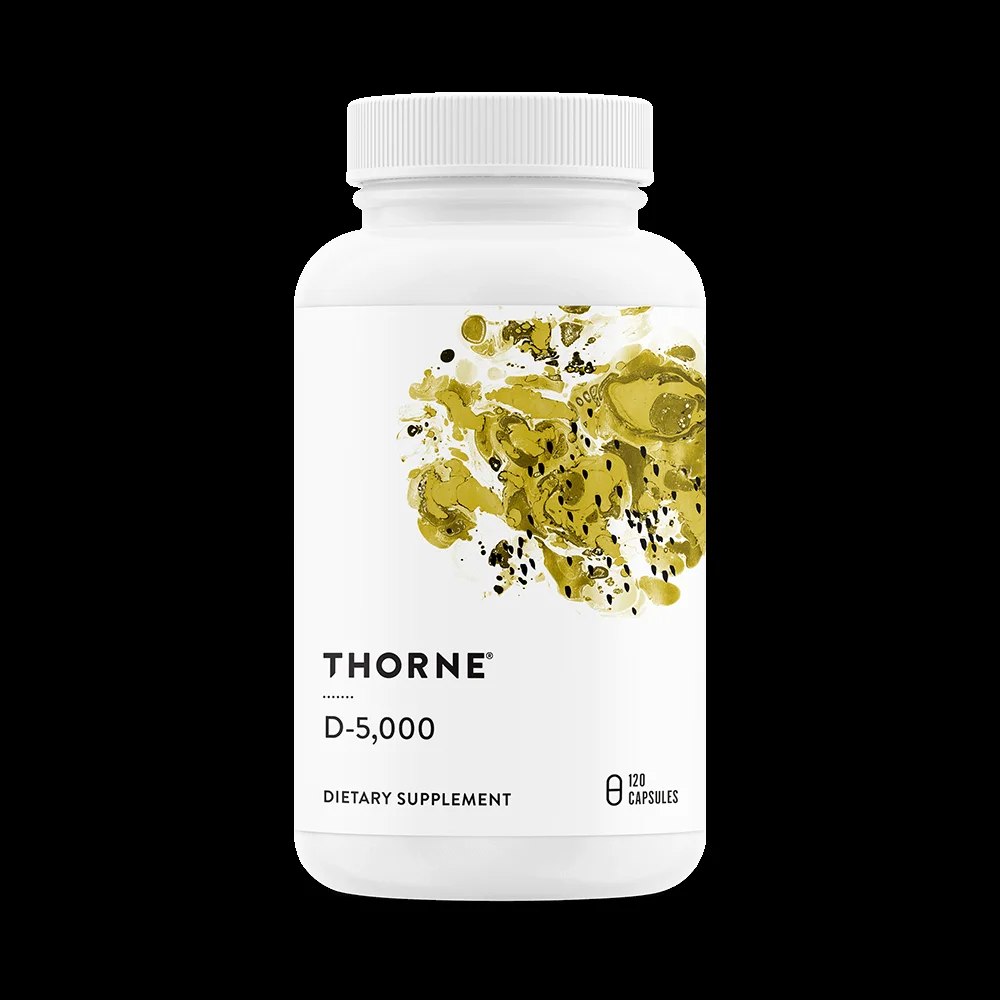
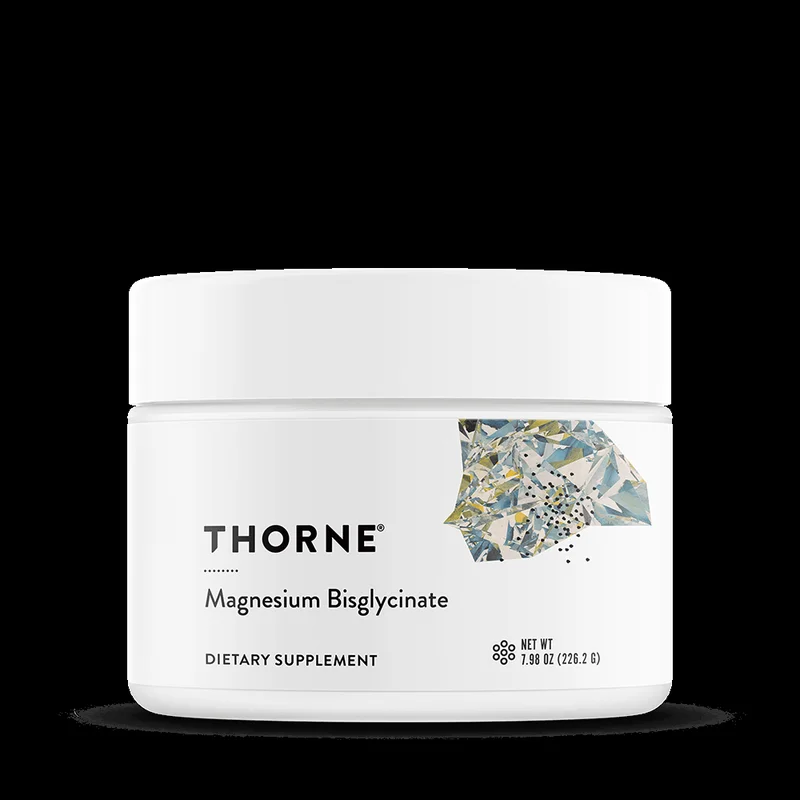
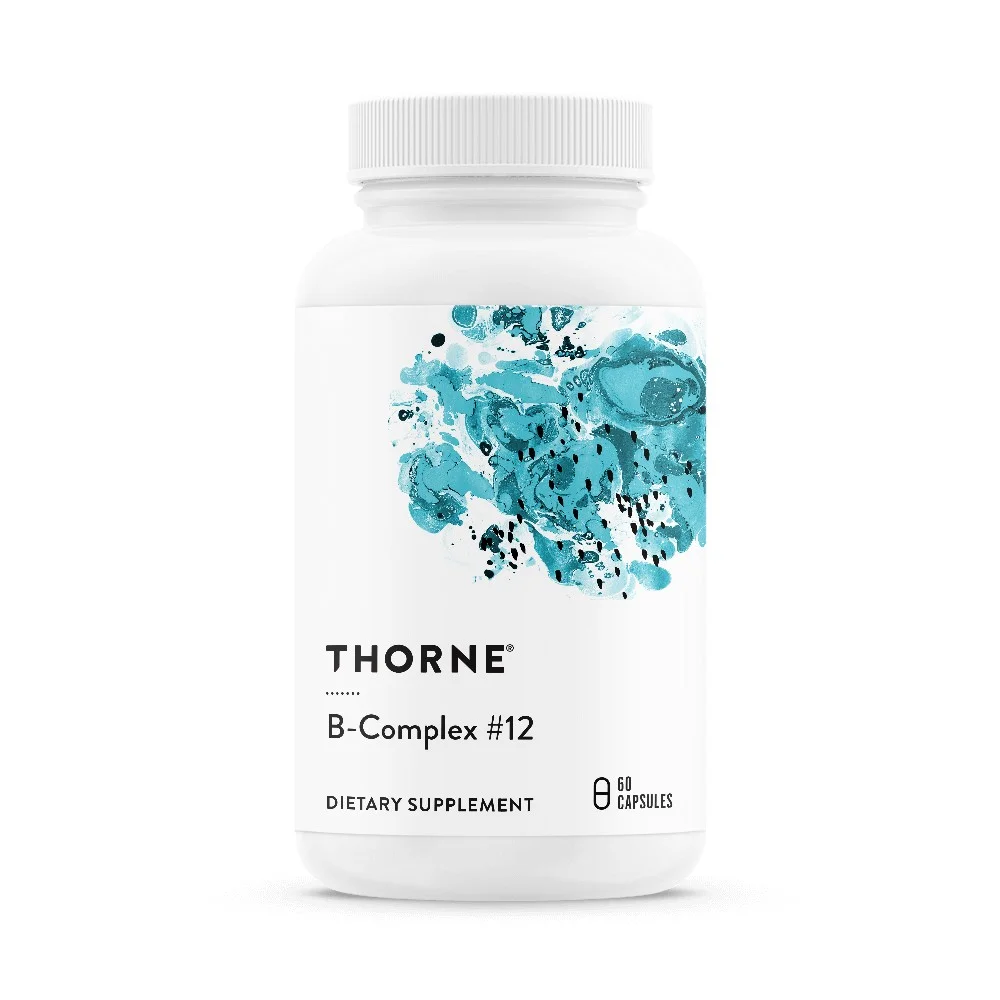
For most people, the targeted stack ends up being surprisingly simple: vitamin D3 + K2, magnesium glycinate, and omega-3. MaybeB12 if bloodwork shows low levels. That’s it. Three to four supplements at proper doses instead of 25 at token doses. (See our longevity stack guide for a complete starter protocol.)
If You Do Choose a Multivitamin: What to Look For
Not all multis are created equal. The difference between a good one and a waste of money:
- Methylated B vitamins: Methylcobalamin (B12), methylfolate (folate), pyridoxal-5-phosphate (B6). Not their cheap synthetic counterparts.
- Vitamin D3, not D2: D3 raises blood levels meaningfully more effectively.
- Chelated minerals: Glycinate, citrate, or malate forms instead of oxides and carbonates. Yes, they cost more. Yes, you absorb them.
- No iron (unless you specifically need it): Iron is one of the few supplements that’s harmful in excess. Most men and postmenopausal women get enough from diet. Iron should only be supplemented based on bloodwork — never blindly.
- Third-party tested: USP, NSF, or Informed Sport certification means someone independent verified the contents.
- Realistic serving size: A quality multi that delivers meaningful doses will likely require 2–4 capsules per serving. A one-pill-a-day multivitamin is almost certainly underdosed. If one capsule claims to contain everything you need, the physics don’t add up.
Drug-Nutrient Interactions: When Your Multivitamin Conflicts With Your Medication
Drug-nutrient interactions are one of the most overlooked safety issues in supplement use, and they affect a huge portion of multivitamin buyers. Nearly 66% of US adults over 40 take at least one prescription medication (CDC/NCHS, 2024). If that's you, your multivitamin may be quietly interfering with your treatment — or your medication may be creating nutrient depletions that a generic multi doesn't adequately address.
Common Medications and the Nutrients They Deplete or Disrupt
Metformin and B12: Long-term metformin use depletes vitamin B12 in roughly 10–30% of users (Aroda et al., 2016). The mechanism involves reduced intrinsic factor–mediated absorption in the ileum. Most multivitamins contain B12, but often as cyanocobalamin at doses too low to offset this depletion. If you're on metformin, ask your provider to monitor serum B12 and methylmalonic acid annually.
PPIs (omeprazole, pantoprazole) and B12 + magnesium: Proton pump inhibitors suppress stomach acid, which you need to absorb both B12 and magnesium. Evidence suggests prolonged PPI use (12+ months) significantly increases risk of hypomagnesemia (Cheungpasitporn et al., 2015) and B12 deficiency (Lam et al., 2013). Moderate evidence A standard multivitamin won't compensate — the absorption pathway itself is impaired.
Warfarin and vitamin K: This is the most dangerous interaction on this list. Vitamin K directly opposes warfarin's anticoagulant mechanism. Even small, inconsistent doses of vitamin K — including the amounts found in many multivitamins — can destabilize your INR and increase clotting or bleeding risk. Strong evidence If you're on warfarin, check whether your multivitamin contains vitamin K and discuss any changes with your prescriber before starting or stopping.
Statins and CoQ10: Statins inhibit HMG-CoA reductase, which sits upstream of CoQ10 synthesis. Muscle pain — the most common statin side effect — may be partly related to CoQ10 depletion, though trial results are mixed (Banach et al., 2015). Most multivitamins include only token CoQ10 doses (10–25mg), well below the 100–200mg used in clinical studies. Emerging evidence
Oral contraceptives and folate + B6: OCPs are associated with reduced serum levels of folate, B6, B12, and zinc (Palmery et al., 2013). This is especially relevant for women who discontinue OCPs and become pregnant shortly after — folate status at conception is critical for neural tube development. A multivitamin may partially help here, but methylfolate at adequate doses is more reliable than the folic acid found in most formulas.
The broader point: medications can both create nutrient needs and make certain supplements dangerous. A generic multivitamin doesn't account for either scenario well. If you're on any of these medications, a targeted approach — guided by bloodwork and your prescriber — is safer and more effective than hoping your one-a-day covers it. See our timing guide for how to separate competing nutrients and medications.
The Targeted Supplement Stack: A Practical Daily Schedule
Building a targeted supplement stack is straightforward once you know the timing logic. Fat-soluble vitamins need dietary fat for absorption (Dawson-Hughes et al., 2015 showed 50% greater vitamin D absorption with a fat-containing meal). Magnesium has mild sedative properties. Omega-3s can cause reflux if taken on an empty stomach. Work with these realities, not against them.
Morning (With Breakfast Containing Fat)
Vitamin D3 + K2: Take 2,000–5,000 IU of D3 paired with 100–200 mcg of K2 (MK-7 form) alongside eggs, avocado, or anything with a few grams of fat. K2 directs calcium into bones and away from arteries — it's the missing partner most people skip. A 90-day supply runs $12–$20 for a combined D3/K2 softgel.
Dinner (With Your Fattiest Meal)
Omega-3 (EPA/DHA): Aim for a combined 1,000–2,000 mg of EPA and DHA — not total fish oil, but the active fatty acids listed on the back label. Taking it with dinner fat maximizes absorption and minimizes fishy burps. Expect to pay $15–$30/month for a quality triglyceride-form product.
Before Bed
Magnesium glycinate: 300–400 mg elemental magnesium. Glycinate is preferred over oxide for its superior bioavailability and calming effect on the nervous system — Abbasi et al. (2012) found magnesium supplementation significantly improved subjective sleep quality in elderly subjects. Cost: $10–$18/month. See our magnesium forms guide for a full comparison.
For third-party tested options, look for USP, NSF International, or IFOS (specifically for fish oil) certification on the label. ConsumerLab and the supplement label guide can help you verify what's actually in the bottle versus what's claimed.
Recommended Multivitamins (If You Choose That Route)
If you've decided a recommended multivitamin fits your situation — restricted diet, compliance reasons, or a nutritional floor while you sort out bloodwork — here are options that actually meet the criteria outlined above: methylated B vitamins, D3, chelated minerals, no iron, third-party testing, and a multi-capsule serving size that allows meaningful doses.
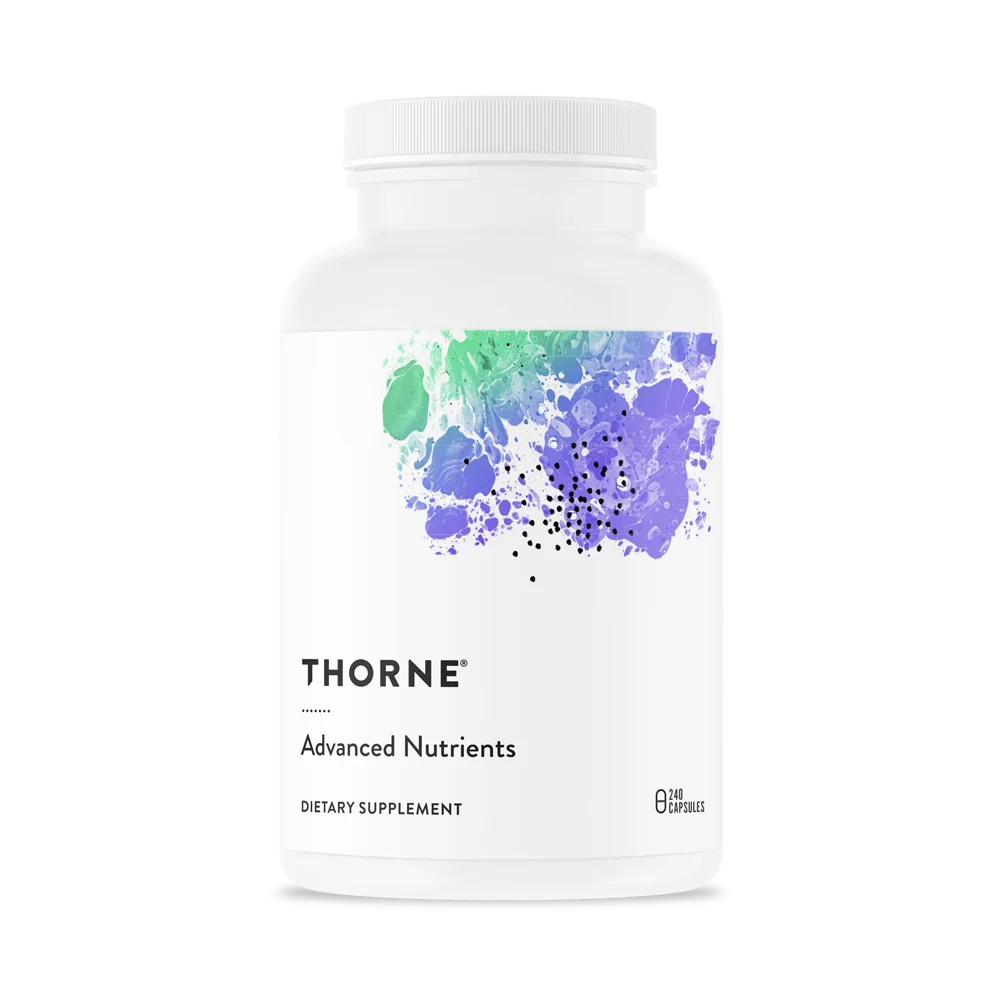
Thorne Basic Nutrients 2/Day
Two-capsule serving. Methylfolate, methylcobalamin, P5P, D3 at 2,000 IU, chelated zinc and copper. NSF Certified for Sport. No iron. The doses aren't heroic — magnesium is only 80mg — but nothing is in a junk form. A solid default for most people. Roughly $25–30/month, making this the budget pick on the list.
Pure Encapsulations ONE Multivitamin
Despite the "one" name, this uses a large capsule with methylated Bs, D3 at 2,000 IU, and chelated minerals. No iron. Third-party tested (Emerson Ecologics). Magnesium is token (45mg citrate), so you'd still want a standalone magnesium supplement. Around $30–35/month.
Seeking Health Optimal Multivitamin Minus One
The "Minus One" means no iron — exactly what most people want. Four-capsule serving allows more generous dosing: 400mcg methylfolate, active B6, MTHF-friendly forms throughout. Includes 200mg chelated magnesium, which is better than most. No major third-party seal, but the company publishes COAs on request. About $35–40/month.
Naturelo One Daily Multivitamin (Men's or Women's)
Plant-based capsule with methylcobalamin, methylfolate, D3 from lichen, and chelated minerals. The men's formula is iron-free; the women's includes iron, so choose the men's version unless bloodwork shows you need iron. Third-party tested. Four-capsule serving. Roughly $30/month. Slightly lower B-vitamin doses than Seeking Health but more accessible at mainstream retailers.
Special Populations: Vegan and Vegetarian Nutrient Gaps Explained
If you follow a plant-based diet, vegan and vegetarian nutrient gaps aren't hypothetical — they're mechanistically guaranteed by what plant foods can and can't provide. The general advice above about targeting 3–4 gaps applies doubly here, because your gap list is longer and more predictable than the average omnivore's.
B12: The Non-Negotiable
Vitamin B12 is synthesized exclusively by bacteria and archaea. No plant food produces it. Fermented foods and algae like spirulina contain B12 analogues that can actually block true B12 absorption (Watanabe et al., 2014). Without supplementation or fortified foods, deficiency is a matter of when, not if. Roughly 52% of vegans and 7% of vegetarians have serum B12 below adequate levels (Pawlak et al., 2013). Methylcobalamin or hydroxocobalamin at 1,000 mcg daily, or 2,500 mcg twice weekly, is the standard recommendation for vegans. Sublingual forms bypass any intrinsic factor limitations.
Iron: Absorption Math Works Against You
Plants contain only non-heme iron, which has an absorption rate of 2–13% compared to heme iron's 15–35% (Hunt, 2003). Phytates in legumes, grains, and nuts bind non-heme iron further, reducing what little you absorb. You can partly offset this by pairing iron-rich foods with vitamin C — ascorbic acid can increase non-heme absorption up to sixfold. But if your ferritin drops below 30 ng/mL on bloodwork, supplementation with iron bisglycinate (gentler on the gut) is worth discussing with your provider.
Omega-3s: The ALA Conversion Problem
Flaxseed and walnuts give you ALA, but your body converts only about 5–10% of ALA to EPA and less than 1% to DHA (Burdge & Calder, 2005). Strong evidence That's not a rounding error — it's a near-total bottleneck. Algae-based DHA/EPA supplements bypass the conversion entirely and are the only direct vegan source. Aim for at least 250–500 mg combined DHA/EPA daily, which mirrors the dosing in our omega-3 guide.
Zinc and Iodine: The Quiet Gaps
Phytates strike again with zinc — they can reduce zinc absorption by up to 50% (Foster et al., 2012). Vegans may need up to 50% more zinc than the RDA to compensate. If you've also dropped dairy and seafood, iodine becomes a real concern. Iodized salt is inconsistently used, and plant foods are unreliable sources. A modest 150 mcg iodine supplement (from kelp or potassium iodide) covers the gap without overdoing it.
A Targeted Vegan Stack
Rather than relying on a generic vegan multivitamin that underdoses everything, evidence suggests this targeted approach covers the mechanistic gaps specific to plant-based eating: B12 (1,000 mcg methylcobalamin daily), algae-based omega-3 (250–500 mg DHA/EPA), vitamin D3 from lichen (2,000 IU — see our vitamin D guide), zinc (15–30 mg as zinc picolinate or citrate, taken away from iron), and iodine (150 mcg if you don't use iodized salt). Add iron only if bloodwork confirms low ferritin.
Who Should Talk to a Doctor First
Whether you stick with a multivitamin or move to a targeted stack, certain populations face drug interactions, absorption issues, or shifting nutrient needs that generic advice can't safely address. If any of the following apply to you, get clinical input before changing your supplement routine.
None of the above is medical advice. Bring your full supplement list — including what you're considering — to your next provider visit.
Frequently Asked Questions
Can a multivitamin hurt me?
Unlikely at standard doses. The main risk is unnecessary iron intake for people who don’t need it (men, postmenopausal women), and excessive vitamin A (retinol) in some formulas. Fat-soluble vitamins (A, D, E, K) can accumulate, but this is rarely an issue at multivitamin doses. If you take other supplements alongside a multi, check for overlap to avoid exceeding tolerable upper limits.
Should kids take a multivitamin?
The AAP doesn’t recommend routine multivitamins for children with balanced diets. For picky eaters, a children’s multi can fill gaps. The most common pediatric deficiency worth supplementing is vitamin D — the AAP recommends 400 IU/day for infants and 600 IU for children, and most kids don’t get this from food alone.
What about prenatal vitamins?
Different category entirely. Prenatals have specific evidence for folate (neural tube defect prevention), iron (increased blood volume), DHA (fetal brain development), and choline (often underdosed even in prenatals). If you’re pregnant or planning pregnancy, a quality prenatal is recommended by every major medical organization.
I feel better when I take my multivitamin. Isn’t that evidence enough?
It might be. If you have genuine nutritional deficiencies (common), even suboptimal doses can make a noticeable difference. It could also be placebo, which isn’t nothing — the placebo effect is real and measurable. The question isn’t whether you feel better, but whether targeted supplementation would make you feel even better at the same or lower cost.
Is a multivitamin actually worth taking?
For most people, a quality multivitamin is a cheap insurance policy — not a game-changer. It fills small gaps but can't correct significant deficiencies. If your diet is varied and you're not on restrictive eating, targeted supplementation (D3, magnesium, omega-3) typically outperforms a generic multi.
What's wrong with cheap drugstore multivitamins?
Most use the lowest-cost forms: cyanocobalamin instead of methylcobalamin for B12, folic acid instead of L-methylfolate, magnesium oxide instead of glycinate. Some nutrients (iron, calcium) are dosed at levels that compete with each other for absorption. Quality multis cost more because the forms actually work.
Should men and women take different multivitamins?
Yes, usually. Menstruating women need more iron than men do; postmenopausal women need less. Men generally benefit from zinc; women often need more magnesium and calcium. Gender-specific multis address this, though the simpler answer is to skip the multi and supplement the 2–3 nutrients you actually need.
which multivitamin brands are actually third-party tested and use methylated forms
The guide doesn't name specific brands, but it gives clear criteria: look for USP, NSF, or Informed Sport certification (third-party testing), methylcobalamin and methylfolate (not cyanocobalamin or folic acid), D3 not D2, and a 2–4 capsule serving size. One-pill-a-day formulas are almost certainly underdosed by physics alone. For vetted product comparisons, check the Formulate supplement catalog linked at the bottom of this guide.
how much vitamin D should I actually take daily
The guide identifies vitamin D as the most common fixable micronutrient gap in the US and cites an optimal serum range of 40–60 ng/mL, but it does not recommend a specific supplemental dose. Appropriate dosing depends on your baseline blood level, which varies widely. The guide recommends getting a 25-hydroxyvitamin D test first. For a dose recommendation based on your result, consult a healthcare provider.
can I take magnesium glycinate and vitamin D at the same time
The guide recommends vitamin D3 + K2, magnesium glycinate, and omega-3 as its core targeted stack, but doesn't provide a specific daily schedule. It does warn that calcium and magnesium compete at high doses and recommends timing separation for competing minerals. Magnesium glycinate and vitamin D3 are not flagged as competing — both are fat-soluble or mineral-based and are commonly taken together. For a full timing protocol, see the guide's linked timing resource.
do multivitamins interact with my medication
The guide doesn't cover drug-nutrient interactions in meaningful depth — it briefly notes metformin can deplete B12, but doesn't address warfarin, thyroid medications, SSRIs, or other common combinations. If you take prescription medications, this is a significant gap the guide acknowledges it cannot fill. Consult a pharmacist or physician before starting any supplement regimen, as interactions vary widely by drug class and individual health status.
what prenatal vitamin should I take and does it need extra choline
The guide confirms choline is 'often underdosed even in prenatals' and lists it as a non-negotiable nutrient during pregnancy alongside folate, iron, and DHA — but doesn't specify adequate choline amounts, name any prenatal products, or advise whether a separate choline supplement is needed. This is a gap the guide doesn't resolve. Given the stakes, consult your OB or midwife for prenatal-specific dosing guidance.
is it worth taking a multivitamin if I already eat pretty healthy
Probably not as your primary strategy. The guide's position is that most people with a reasonably varied diet have gaps in only 2–4 nutrients — typically vitamin D, magnesium, and omega-3 — not all 25 in a multivitamin. You'd be paying to cover deficiencies you likely don't have. The smarter move: track food for one week, get targeted bloodwork, and supplement only confirmed gaps at clinical doses. It costs roughly the same and works better.
can I get a vitamin D test through my doctor or do I need to order it myself
The guide recommends getting a 25-hydroxyvitamin D test but doesn't address how to obtain one, insurance coverage, or direct-to-consumer options. In practice, you can request it from your primary care physician — it's a standard blood draw. Coverage varies by insurer and whether deficiency risk factors are documented. Direct-to-consumer lab services (e.g., LabCorp, Quest walk-in) also offer it without a physician order, typically for $30–60 out of pocket.
The Bottom Line
Multivitamins aren’t bad. They’re just not what most people think they are. The format forces compromises that make nearly every ingredient either underdosed, poorly absorbed, or in competition with something else in the same pill.
For most people, the better play is simple: get bloodwork, identify your actual gaps (usually vitamin D, magnesium, omega-3), and supplement those individually at proper doses. It’s more effective, roughly the same cost, and you’re not paying for 20 ingredients your body doesn’t need.
If you value simplicity above optimization and the alternative is taking nothing, a quality multivitamin is still a reasonable choice. Just don’t mistake it for comprehensive coverage.
Explore individually scored supplements in the Formulate catalog →
Supplements that support this
Turn this into your stack
Answer two questions and we'll build an evidence-graded starter stack — every ingredient with its dose, timing, and interaction checks.
Free · no account needed to start
Read next
How to Build a Supplement Stack (2026) — Evidence-Based
Skip the influencer hauls. Learn a step-by-step, evidence-based method to build a supplement stack that fits your goals — without wasting money.
Are Supplements HSA/FSA Eligible? The Honest 2026 Guide
Most supplements aren't HSA/FSA-eligible by default — but a Letter of Medical Necessity makes the right ones qualify, for ~30% in pre-tax savings. The real rules, no hype.
Protein: How Much, Which Form, and When to Supplement
1.6-2.2 g/kg for muscle, 25-40g per meal ceiling, complete vs incomplete myth. Evidence-based protein guide covering animal and plant sources, supplement forms, and the debunked anabolic window.
The real science of food and health — macro- and micronutrients, and how diet shapes aging.
Evidence-based supplement guides, no spam
We send a short digest when new guides drop — nothing else. No affiliate pushes, no sponsored content, unsubscribe anytime.