Vitamin D3 vs D2: The Science Behind the 87% Gap
D3 raises blood levels 87% more effectively than D2 — and your prescription vitamin D might be the inferior form. Here's what to know.
- D3 (cholecalciferol) raises blood levels ~87% more effectively than D2 (ergocalciferol), per a 2012 meta-analysis of randomized controlled trials.
- D2 clears your bloodstream in 6–8 hours; D3 lasts roughly 24 hours and binds more efficiently to vitamin D binding protein.
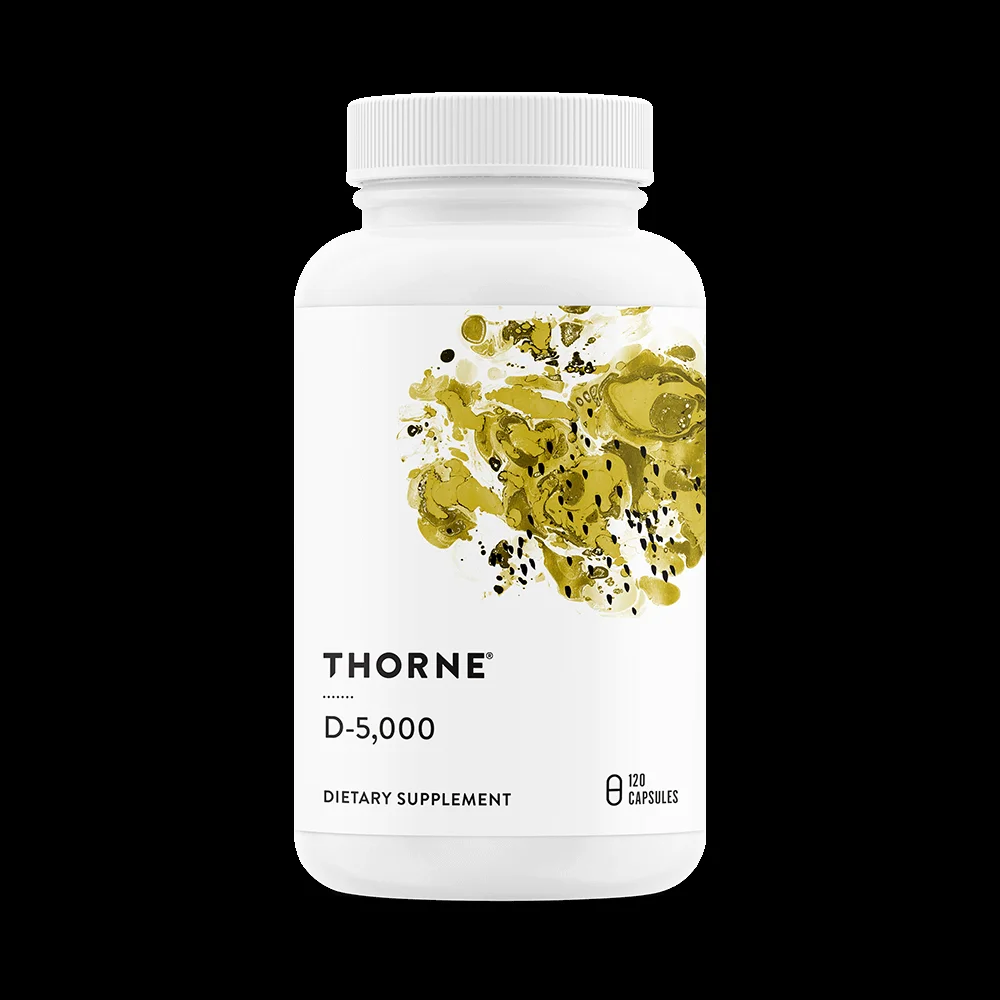
- Most prescription 50,000 IU weekly pills are D2 — ask your doctor about switching to daily D3.
- Vegans no longer need D2: lichen-sourced D3 is widely available and equally effective.
- Take D3 with a fat-containing meal for up to 50% better absorption, and pair with K2 (MK-7) at doses above 2,000 IU/day.
Vitamin D3 vs D2 isn’t a close contest. A landmark meta-analysis found D3 raises serum 25(OH)D levels roughly 87% more effectively than D2 at equivalent doses. Yet millions of people still take prescription D2 without knowing a superior form sits on every pharmacy shelf for a fraction of the price.
What D3 and D2 Actually Are
Both D3 and D2 are secosteroid hormones your liver converts into 25-hydroxyvitamin D — the form measured in blood tests. But they come from different biological kingdoms and behave differently once inside your body.
Vitamin D3 (cholecalciferol) is the form your skin synthesizes when UVB radiation hits 7-dehydrocholesterol in your epidermis. It’s found in fatty fish, egg yolks, and lanolin-based supplements. It’s what most over-the-counter supplements contain.
Vitamin D2 (ergocalciferol) comes from UVB-irradiated yeast and fungi. It’s cheaper to produce at pharmaceutical-grade concentrations, which is why it became the default prescription form decades ago. Most 50,000 IU weekly prescriptions are D2.
The Tripkovic 2012 Meta-Analysis: 87% More Effective
The most cited comparison comes from Tripkovic et al. (2012), published in the American Journal of Clinical Nutrition. The researchers pooled data from randomized controlled trials directly comparing D3 and D2 at equivalent doses and found D3 was approximately 87% more effective at raising and maintaining serum 25(OH)D concentrations.
That’s not a marginal difference. It means taking 1,000 IU of D2 gives you roughly the blood-level bump of just 535 IU of D3. If you’re trying to correct a deficiency, the form you choose matters as much as the dose on the bottle.
Why D3 Outperforms D2: The Mechanism
Three pharmacokinetic differences explain the gap:
1. Binding protein affinity. D3 binds more tightly to vitamin D binding protein (DBP) in your bloodstream, the taxi that carries vitamin D to your liver for activation. Weaker DBP binding means D2 gets cleared faster before it can be used.
2. Half-life of the parent compound. Unhydroxylated D3 has a circulating half-life of approximately 24 hours, while D2’s is closer to 6–8 hours. That shorter window reduces the total amount converted to the storage form, 25(OH)D, in your liver. (Note: the clinically measured storage form 25(OH)D has a much longer half-life of 2–3 weeks regardless of whether it came from D2 or D3 — it’s the initial conversion step where D3’s longer half-life gives it the advantage.)
3. Hepatic conversion efficiency. The liver enzyme CYP2R1, responsible for hydroxylating vitamin D into 25(OH)D, appears to have a preference for D3’s side chain structure. D2’s different side chain (a double bond at C22 and a methyl group at C24) makes it a less efficient substrate.
Why Is D2 Still Prescribed?
If D3 is clearly better, why do doctors still prescribe D2? The answer is mostly institutional inertia and economics.
D2 was the first commercially available form and the first to receive a prescription-grade formulation in the United States. High-dose D3 prescription products didn’t exist when 50,000 IU weekly protocols were standardized. Many electronic health records still default to D2 when a clinician orders “vitamin D, 50,000 IU.”
Additionally, D2 is significantly cheaper to manufacture at pharmaceutical scale. Insurance formularies favor it. And while the Endocrine Society guidelines (Holick et al. 2011) initially suggested D2 and D3 were “equivalent,” subsequent evidence — including the Tripkovic meta-analysis — has shifted the consensus.
Vegan D3: The Lichen Option
For years, D2 was the only vegan-friendly vitamin D because D3 supplements came exclusively from lanolin (sheep’s wool oil) or fish liver oil. That’s no longer true.
Lichen-sourced D3 — extracted from species like Cladina rangiferina — is now widely available in capsules, softgels, and sprays. It’s chemically identical to lanolin-derived D3 and behaves identically in your body. Studies using lichen D3 show the same 25(OH)D response curves as animal-sourced D3.
If you’re vegan and currently taking D2, switching to lichen-sourced D3 could nearly double the blood-level benefit at the same dose. Check our ranking of the best vitamin D supplements for lichen-based options.
What to Do If Your Doctor Prescribed D2
Don’t stop a prescription without talking to your provider. But you can have an informed conversation. Here’s a practical framework:
Step 1: Check your latest 25(OH)D blood level. If you’re at or above your provider’s target (typically 30–50 ng/mL), the current regimen is working regardless of form.
Step 2: If your levels are stubbornly low despite adherence, ask your clinician: “Would switching to daily D3 be appropriate?” Many providers are receptive once they see the Tripkovic data.
Step 3: If you switch, don’t just halve the D2 dose. Use the conversion guidance below and recheck levels in 8–12 weeks.
Dose Equivalence: How to Convert
Based on the Tripkovic meta-analysis, a rough conversion is:
1 IU of D3 ≈ 1.87 IU of D2 in raising serum 25(OH)D.
| Regimen | Weekly D2 dose | Approximate daily D3 equivalent |
|---|---|---|
| Standard weekly repletion | 50,000 IU once weekly | ~3,800 IU daily* |
| Daily maintenance equivalent | N/A | ~4,000–5,000 IU daily |
*50,000 IU D2 ÷ 7 days = ~7,143 IU D2/day. Divide by 1.87 = ~3,820 IU D3. Many clinicians round to 4,000–5,000 IU daily D3 for repletion. This is not medical advice — confirm with your provider.
Take It Right: Fat, K2, and Magnesium Cofactors
The form of vitamin D you choose is only half the equation. How and when you take it matters significantly.
Take with fat. Vitamin D is fat-soluble. Dawson-Hughes et al. (2015) found that taking vitamin D with a fat-containing meal increased absorption by up to 50% compared to taking it on an empty stomach. A tablespoon of olive oil, avocado, or a handful of nuts is sufficient. For more on optimizing timing, see our supplement timing guide.
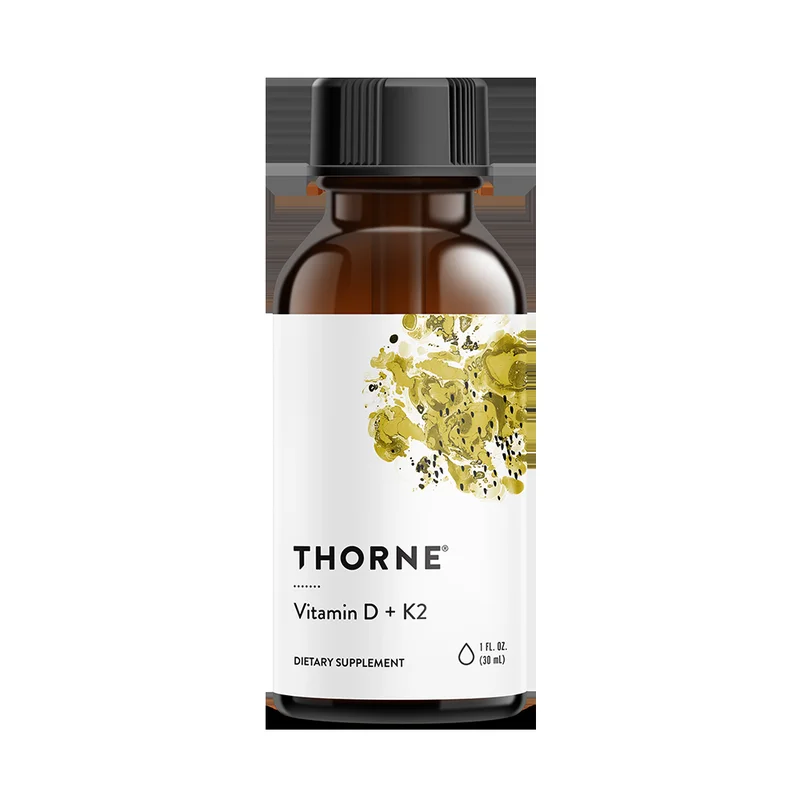
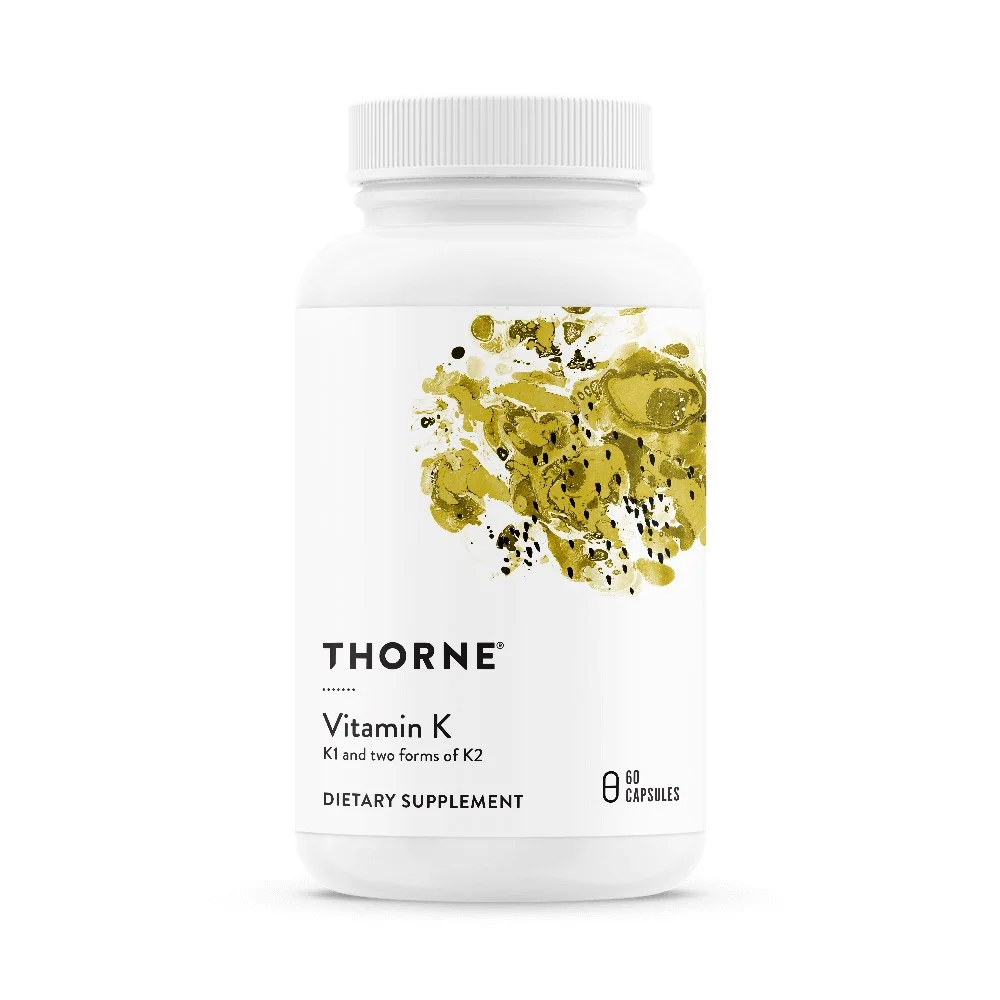
Add K2 (MK-7) at higher doses. If you take more than 2,000 IU/day of D3, pairing with vitamin K2 (specifically the MK-7 form) helps direct calcium into bones rather than soft tissues. Knapen et al. (2017) demonstrated improved osteocalcin carboxylation with MK-7 supplementation alongside D3.
Don’t forget magnesium. Magnesium is a required cofactor for both the hepatic and renal enzymes that activate vitamin D. Subclinical magnesium deficiency is common (estimated in 50% of Americans) and can blunt your response to supplementation regardless of form.
Frequently Asked Questions
Is 50,000 IU vitamin D2 the same as 50,000 IU vitamin D3?
No. While the IU number is identical, D3 at 50,000 IU would raise your blood levels roughly 87% more than D2 at the same dose. The IU measurement reflects biological activity based on an older assay, not the actual effect on serum 25(OH)D. In practice, 50,000 IU D3 is a much larger effective dose — and should only be used under medical supervision.
Does my multivitamin have D2 or D3?
Most modern multivitamins use D3, but not all. Check the ingredient list for “cholecalciferol” (D3) or “ergocalciferol” (D2). Budget multivitamins are more likely to use D2 because it’s cheaper. If the label just says “vitamin D” without specifying the form, contact the manufacturer or choose a different product.
Can I get enough vitamin D from sunlight instead?
Your skin produces D3 (not D2) from UVB exposure. Theoretically, 10–20 minutes of midday sun on bare arms and legs can produce 10,000–20,000 IU. However, this varies enormously by latitude, season, skin tone, age, and sunscreen use. Above the 37th parallel (roughly San Francisco to Richmond, VA), UVB intensity is insufficient for D3 synthesis from roughly November through February.
Is D2 dangerous?
D2 is not dangerous at standard doses. It simply raises blood levels less efficiently than D3. Some older studies raised concerns about large bolus doses of D2 causing more erratic blood level fluctuations, but at typical supplemental doses (1,000–5,000 IU daily or 50,000 IU weekly), D2 has an established safety profile.
How long does it take D3 to raise my blood levels?
Most people see a meaningful change in serum 25(OH)D within 4–6 weeks of consistent daily D3 supplementation. Full steady-state levels typically take 8–12 weeks. If you’re severely deficient (below 20 ng/mL), your provider may start with a higher loading dose before transitioning to a maintenance regimen.
Who Should Talk to a Doctor First
Vitamin D3 is one of the safest supplements available, but certain populations should consult a healthcare provider before starting or switching forms.
None of the above is medical advice. Bring your full supplement list to your next provider visit.
The Bottom Line
The vitamin D3 vs D2 debate is one of the clearest cases in supplement science where the evidence overwhelmingly favors one form. D3 raises blood levels approximately 87% more effectively than D2 at the same IU dose, maintains higher levels for longer thanks to its 24-hour half-life and stronger binding protein affinity, and is now available in vegan-friendly lichen-sourced options that eliminate the last practical argument for D2.
If you’re currently taking an over-the-counter vitamin D supplement, you’re almost certainly already on D3 — good. If your doctor prescribed 50,000 IU weekly and you’re not hitting target blood levels, the D2 form may be the reason. Have a conversation about switching to daily D3 at an equivalent dose (roughly 4,000–5,000 IU/day for repletion).
Regardless of form, remember the three things that determine whether your vitamin D actually works: take it with fat, ensure adequate magnesium intake, and add K2 (MK-7) if you’re dosing above 2,000 IU daily. The 87% efficacy gap between D3 and D2 is real, but a perfectly chosen form taken on an empty stomach without cofactors will still underperform.
Get your 25(OH)D tested, pick D3, take it with dinner, and recheck in 8–12 weeks. That’s the evidence-based playbook.
Supplements that support this
Turn this into your stack
Answer two questions and we'll build an evidence-graded starter stack — every ingredient with its dose, timing, and interaction checks.
Free · no account needed to start
Interactions to know
How these pair with other supplements and medications
- Synergyvitamin d+vitamin k2
Vitamin D and K2 work synergistically
- Synergyvitamin d+calcium
Vitamin D enhances calcium absorption
- Synergymagnesium+vitamin d
Magnesium needed for vitamin D activation
- Synergyvitamin d+omega-3
Fat improves vitamin D absorption
- Synergyboron+vitamin d
Boron extends vitamin D half-life
Check your full stack in the free interaction checker.
Read next
Alpha-GPC vs Citicoline: Which Choline Source Actually Works?
Two of the most effective nootropics, both precursors to acetylcholine. We break down the evidence, dosing, bioavailability, and which one fits which goal.
Berberine vs Metformin: The Evidence Behind 'Nature's Metformin'
Berberine is marketed as natural metformin, but the comparison is more nuanced. Here's how the mechanisms, evidence, and safety profiles actually stack up.
Methylcobalamin vs Cyanocobalamin: Which B12 Form Actually Works
Most B12 supplements use cyanocobalamin — but methylcobalamin is the bioactive form. Here's when the difference matters and when it doesn't.
The real science of food and health — macro- and micronutrients, and how diet shapes aging.
Evidence-based supplement guides, no spam
We send a short digest when new guides drop — nothing else. No affiliate pushes, no sponsored content, unsubscribe anytime.