Best Magnesium Supplements 2026, Ranked by Clinical Evidence
Learn which magnesium form actually matches your goal — glycinate, threonate, citrate and more — and see the top-scored magnesium products in our catalog.
- Choose by form, not brand — glycinate for sleep, threonate for cognition, citrate for budget
- Magnesium oxide (4% absorption) is a waste of money — glycinate absorbs at ~80%
- Always check elemental magnesium per serving, not compound weight
- 50% of adults are below optimal intake — a 100–200mg supplement covers the gap
The best magnesium supplements depend entirely on the form of magnesium they use — there are over a dozen, and each has different absorption rates, tissue targets, and clinical applications. Magnesium glycinate and threonate outperform oxide and citrate for sleep and cognition, respectively, because they cross biological barriers that cheaper forms cannot.
And this is where most magnesium guides fail you — they rank products when they should be teaching you which of the dozen forms actually does what you need.
Why the Form of Magnesium Matters More Than the Brand
Magnesium is involved in over 300 enzymatic reactions in your body — sleep, muscle contraction, blood pressure regulation, nerve signaling, DNA synthesis. An estimated 50% of Americans don’t meet the RDA (Rosanoff et al., 2012, Nutrition Reviews). But “take magnesium” is incomplete advice because the form you choose determines where it goes and what it does.
If you’re not sure whether you’re deficient in the first place, check our guide on signs of magnesium deficiency before buying anything.
Match the Form to Your Goal
This is the decision that actually matters. Pick the form first, then find a quality product in that form.
Magnesium Glycinate (Bisglycinate) — Best for Sleep and Anxiety
Glycinate is magnesium bound to glycine, an amino acid that itself has calming, inhibitory effects on the nervous system. A 2012 study in the Journal of Research in Medical Sciences (Abbasi et al.) found magnesium supplementation significantly improved subjective sleep quality, sleep time, and sleep onset latency in elderly subjects. The glycinate form is gentle on the stomach — no laxative effect — making it the best all-around choice for most people.
Magnesium L-Threonate — Best for Cognitive Function
Threonate is the only form shown to meaningfully cross the blood-brain barrier and increase brain magnesium levels. The key study (Slutsky et al., 2010, Neuron) demonstrated improved learning, working memory, and both short- and long-term memory in animal models. Subsequent human trials using the patented Magtein® form (Liu et al., 2016, Journal of Alzheimer’s Disease) showed improved cognitive ability in older adults with cognitive concerns.
Take this if: Brain fog, memory support, or neuroprotection is your primary goal. Note that threonate delivers less elemental magnesium per capsule, so it’s not the most efficient way to fix a general magnesium deficit.
Magnesium Citrate — Best Budget Option
Citrate offers good absorption, wide availability, and a lower price point than glycinate or threonate. The trade-off: it has a mild laxative effect at higher doses. For some people that’s a feature (hello, regularity). For others, it’s a reason to choose glycinate instead.
Take this if: You’re price-sensitive and don’t have a specific sleep or cognitive goal, or you could use some help with regularity.
Magnesium Taurate — Best for Cardiovascular Support
Magnesium taurate combines magnesium with taurine (see also our taurine guide), which has independent cardiovascular benefits. A 2018 meta-analysis by Zhang et al. in Hypertension Research found magnesium supplementation reduced systolic blood pressure by 2–3 mmHg. Taurate is the form with the most emerging evidence for blood pressure and heart rhythm support.
Take this if: You’re specifically interested in cardiovascular health or have been advised to support healthy blood pressure.
Magnesium Oxide — Skip It
The Elemental Magnesium Trap
The elemental number is what your body uses, and it’s what the RDA refers to. If you’re not sure how to decode the label, our supplement label reading guide walks through exactly what to look for.
Drug and Supplement Interactions to Know
Magnesium is generally well-tolerated, but a handful of interactions come up often enough to be worth flagging. Most aren’t deal-breakers — they just mean adjusting timing.
- Antibiotics (tetracyclines, quinolones): Magnesium binds to these antibiotics in the gut and reduces absorption by up to 50%. Separate by at least 2 hours. Take the antibiotic first.
- Bisphosphonates (osteoporosis meds): Same binding issue. Separate by 2–4 hours.
- Levothyroxine (thyroid meds): Magnesium can reduce absorption. Take thyroid medication on an empty stomach 30–60 minutes before any magnesium-containing supplement or meal.
- Proton pump inhibitors (PPIs): Long-term PPI use reduces magnesium absorption, and patients often develop subclinical deficiency. If you’re on omeprazole or similar, supplementation is often warranted — and worth discussing with your prescriber.
- Diuretics: Loop and thiazide diuretics increase urinary magnesium losses. People on these medications often need ongoing supplementation.
- Calcium: At high doses (500mg+ of either), the two compete for absorption. Separate by at least a few hours for best results. Less critical at typical supplement doses.
Signs You’re Taking Too Much
Magnesium has a wide safety margin, but going well above needs can produce symptoms. The tolerable upper intake level (UL) for supplemental magnesium (excluding food) is 350mg/day of elemental magnesium in adults. This is a safety cushion, not a ceiling beyond which harm is guaranteed — but it’s a reasonable target.
- Loose stools / diarrhea: The most common sign, especially with citrate or oxide forms. Switch to glycinate or reduce the dose.
- Abdominal cramping: Often paired with loose stools. Dose-dependent.
- Low blood pressure / drowsiness at high doses:Rare at common supplement doses but documented at 1,000mg+. Back off immediately if you feel unusually sluggish.
- Serious toxicity (hypermagnesemia): Nearly always in people with kidney impairment. Healthy kidneys excrete excess magnesium readily. If you have CKD, talk to your nephrologist before supplementing.
For most healthy adults, there’s a wide zone between the RDA and problematic doses. Stick to 200–400mg of elemental supplemental magnesium and the safety margin is enormous.
How Much Do You Actually Need?
The RDA is 400–420mg/day for men and 310–320mg/day for women (elemental magnesium). Most people get 250–300mg from food (leafy greens, nuts, seeds, whole grains). That means a supplement providing 100–200mg of elemental magnesium typically covers the gap without risk of excess. There’s no need to megadose.
Brands That Do It Right
Instead of a numbered ranking, here are brands that consistently deliver on the criteria above — appropriate forms, transparent elemental dosing, third-party testing.
| Product | Score | Form | Elemental Mg | Best for | Certifications |
|---|---|---|---|---|---|
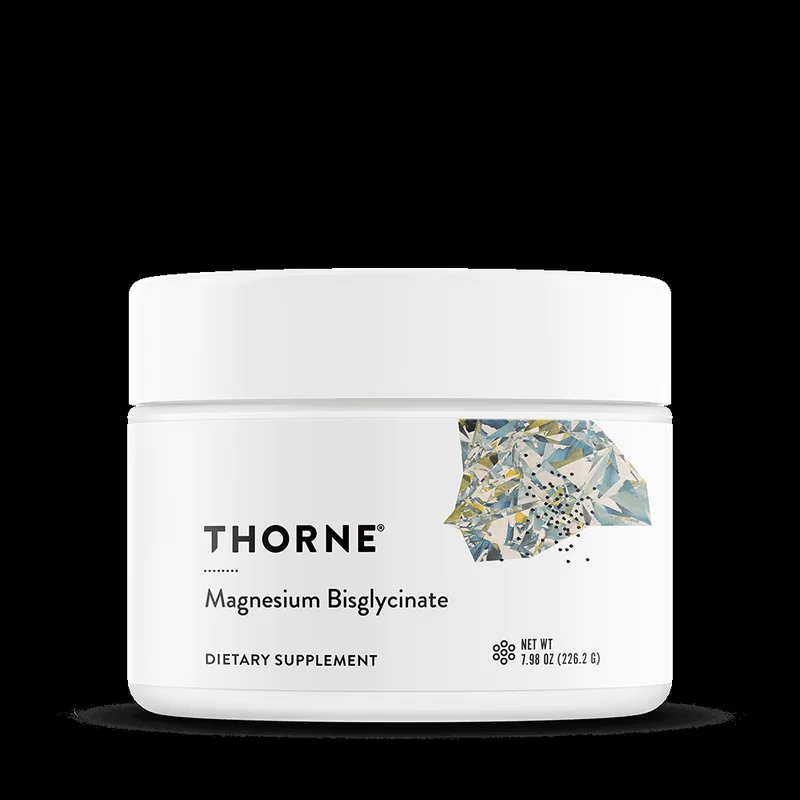
| ThorneMagnesium Bisglycinate | 88 | Bisglycinate | 200mg | Sleep, general | NSF Sport |
| Nootropics DepotMagnesium Glycinate | 89 | — | — | — | — |
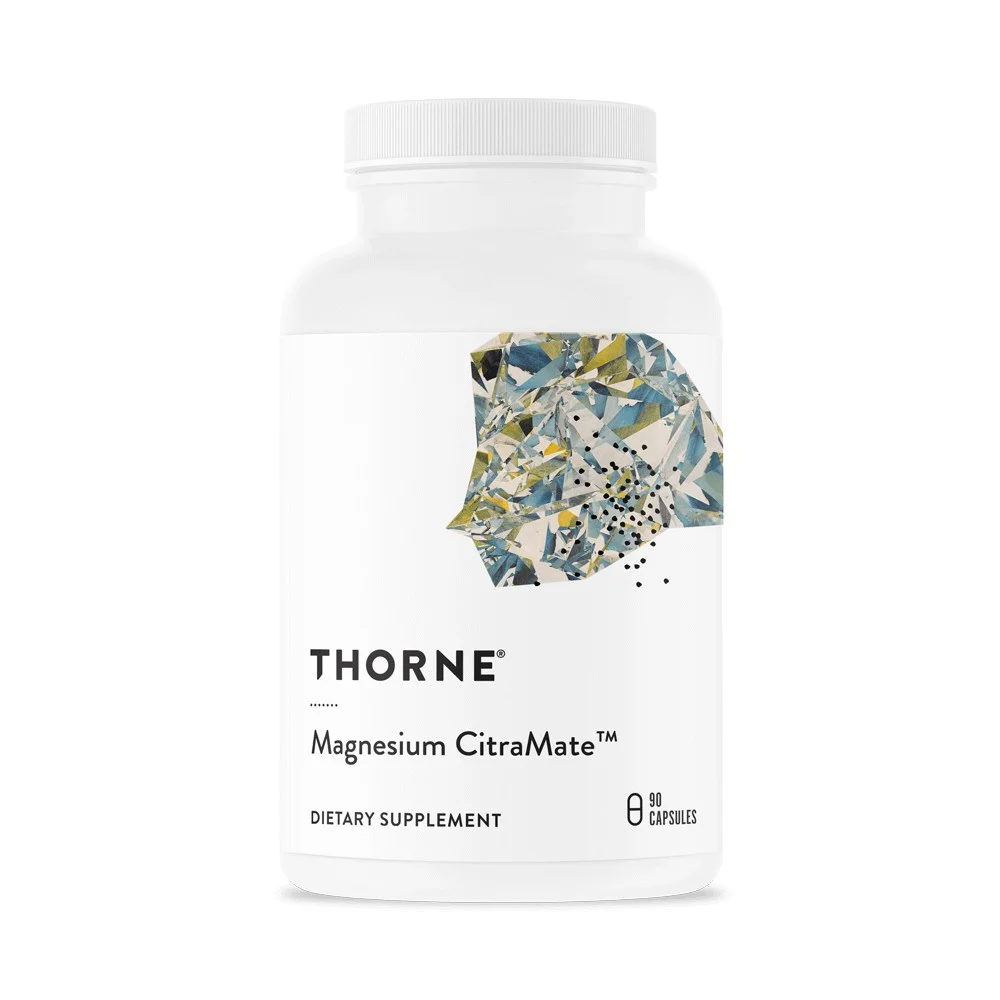
| ThorneMagnesium CitraMate | 90 | — | — | — | — |
Scores are from Formulate’s 6-pillar methodology. Tap a product for the full score breakdown.
Thorne Magnesium Bisglycinate is the go-to glycinate option. NSF Certified for Sport, clean label, no fillers. If you want glycinate and don’t want to overthink it, start here.
Nootropics Depot Magnesium Glycinate is another strong glycinate option at a competitive price point, with rigorous in-house testing and full label transparency.
- 1
 Magnesium Bisglycinate CapsulesTransparent Labs · $16.9896
 - 2
 Magnesium GlycinateThorne · $25.0096
 - 3
 Magnesium+ (Extra Strength) CapsulesNutricost · $16.9796
 - 4
 Magnesium Glycinate 210MGNutricost · $11.9791
 - 5
 UltraMag MagnesiumPure Encapsulations · $50.0091
Recomputed from the catalog every time this page is built, so it moves as products are added and rescored. Flavours and pack sizes of one product count once.
Nootropics Depot Magnesium L-Threonate (Magtein®) is the cognitive-focused pick. They use the patented Magtein ingredient at the studied dose, with full transparency on sourcing. Higher price per serving, but that’s inherent to the threonate form.
Life Extension Magnesium Citrate offers solid citrate at a reasonable price with third-party testing. Good budget-friendly option for general supplementation.
Momentous Magnesium Threonate is another strong Magtein-based option with excellent manufacturing transparency and Informed Sport certification.
When to Take Magnesium
Timing depends on why you’re taking it:
- For sleep: Take glycinate or threonate 30–60 minutes before bed. This is one supplement where timing genuinely matters.
- For general health: Take with food to improve absorption and reduce any GI effects. Morning or evening, doesn’t matter.
- Splitting doses: If you’re taking more than 200mg elemental magnesium, split it into two doses. Your body absorbs smaller amounts more efficiently.
For a full breakdown of how to time all your supplements together, see our supplement timing guide. If you’re building a broader sleep protocol, our sleep supplement guide covers how magnesium fits alongside other sleep-supporting nutrients.
Magnesium for Muscle Cramps, Restless Legs, and Exercise Recovery
Magnesium for muscle cramps is one of the most searched supplement topics — and the evidence is more nuanced than the marketing suggests. The honest summary: magnesium supplementation helps some cramp-prone populations meaningfully, performs modestly in others, and isn’t the universal fix that fitness influencers claim.
What the Evidence Actually Shows for Cramps
A Cochrane review (Garrison et al., 2012) found no significant benefit of magnesium for idiopathic or age-related leg cramps in the general population. Moderate evidence However, evidence is stronger for exercise-associated muscle cramps in athletes who are genuinely depleted. A 2017 study (Zhang et al., European Journal of Clinical Nutrition) showed that magnesium status was significantly lower in cramping athletes versus non-cramping controls. The takeaway: if you’re cramping and depleted, supplementation helps. If your levels are fine, extra magnesium probably won’t stop cramps.
Restless Leg Syndrome
A small but frequently cited trial (Hornyak et al., 1998, Sleep) found magnesium supplementation improved periodic limb movements and RLS symptoms in a group of 10 patients with mild-to-moderate RLS. Emerging evidence The sample was tiny, and larger confirmatory trials are lacking. Evidence suggests benefit in cases where magnesium deficiency is contributing to symptoms, but RLS has multiple etiologies — iron status and dopaminergic function matter too. If you have persistent RLS, consult your healthcare provider rather than relying on magnesium alone.
Athletic Dosing and Sweat Losses
Athletes lose roughly 3–15mg of magnesium per liter of sweat (Lukaski, 2004, Nutrition). During prolonged training in heat, cumulative losses can be significant — potentially 50–100mg in a single session. This means physically active people, especially endurance athletes, often need intake at the higher end of the RDA or slightly above.
Magnesium glycinate is the preferred form for athletes specifically because it avoids the GI distress that citrate and oxide cause during or around training. Loose stools mid-workout aren’t a performance enhancer. If you’re already using glycinate for sleep, adding a second dose post-training (100–150mg elemental) is a practical approach — just keep total supplemental intake within the 350mg UL unless directed otherwise by a sports dietitian.
How to Read a Magnesium Label at Any Price Point
Knowing how to read a magnesium label saves you from overpaying for underdosed products — whether you’re in a Walgreens aisle or deep in Amazon’s supplement jungle. These five criteria work at every price point, from $8 store brands to $45 premium capsules.
1. Elemental Magnesium Listed Separately
This is the single most important number on the label. Look for a line that says something like “Elemental Magnesium — 120mg” underneath the compound weight. If you only see “Magnesium Glycinate — 1,000mg” with no elemental breakdown, the brand is either sloppy or deliberately obscuring a low dose. Walk away. The elemental number is what the RDA refers to and what your body actually uses.
2. Full Chemical Name of the Form
The label should say “magnesium bisglycinate” or “magnesium citrate” — not just “magnesium.” Vague labeling often masks oxide blends, where the cheapest form is padded in to inflate the total milligrams. If the Supplement Facts panel lists multiple forms, the first one listed is typically present in the highest amount.
3. Third-Party Testing Seal
Look for NSF International, USP, Informed Sport, or ConsumerLab seals. These verify that what’s on the label is actually in the bottle. A 2023 ConsumerLab analysis found that roughly 1 in 5 magnesium products failed testing — wrong dose, contamination, or mislabeled form. Moderate evidence No seal doesn’t guarantee a bad product, but it means you’re trusting the brand on faith alone.
4. Scan the “Other Ingredients”
The excipient list lives below the Supplement Facts panel. Fillers like magnesium stearate and silicon dioxide are standard and generally harmless. What you want to flag: titanium dioxide (increasingly avoided in the EU), artificial colors, and unnecessary added sugars in gummies. Shorter lists aren’t inherently better — but ingredients you can’t identify deserve a quick search.
5. Do the Serving Size Math
A product might advertise “400mg magnesium” on the front — but the serving size is four capsules. That’s 100mg per capsule. Compare cost per serving, not cost per bottle. Divide the price by the number of servings to get your true daily cost. A $30 bottle with 60 servings at 150mg elemental beats a $20 bottle with 30 servings at 100mg every time.
Magnesium Safety for Special Populations (Pregnancy, Kidney Disease, Children)
Magnesium safety isn’t one-size-fits-all. The doses and forms discussed elsewhere in this guide assume a healthy adult with functioning kidneys and no pregnancy. If you fall outside that profile, the risk calculus changes — sometimes dramatically. Here’s what you need to know for three populations where the standard advice doesn’t apply.
Pregnancy and Lactation
The RDA for magnesium increases during pregnancy to 350–360mg/day of elemental magnesium (up from 310–320mg for non-pregnant women), and to 310–320mg during lactation. Evidence suggests glycinate is generally well-tolerated during pregnancy due to its low GI side-effect profile, but robust comparative safety data across supplemental forms in pregnant populations is limited.
Kidney Disease (CKD Stages 3–5)
Healthy kidneys excrete excess magnesium efficiently. Impaired kidneys do not. Once GFR drops below approximately 30 mL/min (CKD stage 3b and beyond), the risk of hypermagnesemia — which can cause hypotension, respiratory depression, and cardiac arrest — rises sharply (Moe, 2008, Clinical Journal of the American Society of Nephrology). Strong evidence This isn’t a “use caution” situation.
Children and Adolescents
Pediatric magnesium needs differ by age, weight, and developmental stage. The adult RDAs, upper limits, and form recommendations in this guide do not apply to children. We intentionally provide no pediatric dosing here — the variability is too high and the margin for error too consequential.
For general adult magnesium safety guidance, including drug interactions and signs of excess, see the interactions and upper-limit sections earlier in this guide. If you’re unsure whether you’re deficient, our magnesium deficiency guide covers how to assess your status before supplementing.
How Long Before You Notice Results? Setting Realistic Expectations
How long magnesium takes to work depends on what you’re measuring — subjective symptoms like sleep quality respond faster than lab markers. Understanding these timelines keeps you from abandoning a supplement that’s actually working, or sticking with one that isn’t.
Sleep and Relaxation: 1–2 Weeks
If you’re taking magnesium glycinate for sleep, many people report noticeable improvements in sleep onset and subjective sleep quality within the first one to two weeks. The Abbasi et al. (2012) study in elderly subjects showed significant improvements over an 8-week intervention, but participants reported changes well before the trial endpoint. That said, individual responses vary considerably — your baseline deficiency status, sleep hygiene, and concurrent stressors all influence how quickly you feel a difference.
Serum and RBC Magnesium: 4–6 Weeks
Replenishing intracellular magnesium stores takes longer than feeling subjective relief. RBC magnesium — the more reliable marker of true magnesium status — typically normalizes within four to six weeks of consistent supplementation at adequate doses (Costello et al., 2016, Nutrients). Moderate evidence If you’re testing levels, don’t recheck before the six-week mark or you’ll get misleadingly low numbers.
The 8-Week Reassessment Rule
If you’ve supplemented consistently for eight weeks at an appropriate dose and noticed zero improvement in your target symptom, don’t just increase the dose blindly. Reassess three things: whether your form matches your goal, whether your elemental magnesium intake is actually sufficient (check the label math in our section above), and whether something else — like a deeper deficiency or competing medication — is undermining absorption.
Magnesium Form Comparison Table
A magnesium forms comparison eliminates the guesswork when you're choosing between eight common options. The table below consolidates bioavailability, elemental magnesium content, primary use cases, and GI tolerability into a single reference. Use it alongside the form-specific breakdowns above to match a form to your goal, then find a quality product in that form.
| Form | Elemental Mg % | Bioavailability | Best For | GI Risk |
|---|---|---|---|---|
| Glycinate (Bisglycinate) | ~14% | High | Sleep, anxiety, general deficiency | Low |
| L-Threonate | ~8% | High (CNS-targeted) | Cognition, memory, neuroprotection | Low |
| Citrate | ~16% | Moderate–High | Budget supplementation, regularity | Moderate |
| Malate | ~15% | Moderate–High | Energy, muscle fatigue, fibromyalgia | Low–Moderate |
| Taurate | ~9% | Moderate–High | Cardiovascular support, blood pressure | Low |
| Chloride | ~12% | Moderate | Topical use, general deficiency | Moderate |
| Sulfate (Epsom salt) | ~10% | Low (oral) | Bath soaks, constipation (oral) | High (oral) |
| Oxide | ~60% | Low (~4%) | Laxative effect only | High |
Notice the trap with oxide: it has the highest elemental magnesium percentage by weight but the lowest bioavailability — roughly 4% per Firoz and Graber (2001). That 60% elemental content means almost nothing when your gut barely absorbs it. Glycinate and threonate sit at the opposite end — lower elemental percentage per capsule, but dramatically more of it reaches your cells.
If you're unsure which column matters most for your situation, start with the "Best For" column and work backward. For most people without a specific cardiovascular or cognitive goal, magnesium glycinate remains the default recommendation — high absorption, low GI risk, and versatile enough to cover general deficiency alongside sleep support.
Magnesium Malate — Best for Fatigue and Fibromyalgia
Magnesium malate pairs magnesium with malic acid, a key intermediate in the Krebs cycle — the metabolic pathway your cells use to produce ATP. This makes it a logical choice if chronic fatigue or low energy is your primary complaint. Malic acid independently supports mitochondrial energy production, so the combination pulls double duty. Moderate evidence
The fibromyalgia connection comes from a small open-label trial by Russell et al. (1995, Journal of Rheumatology) that found a proprietary magnesium malate supplement reduced tender-point pain and improved subjective well-being over 4–8 weeks. The study had no placebo control and only 24 subjects, so the evidence is suggestive rather than conclusive. Larger, placebo-controlled trials haven't materialized in the decades since. Emerging evidence
On the GI tolerability front, malate sits alongside glycinate as one of the gentler chelated forms. It's far less likely to cause loose stools than citrate or oxide, making it practical for daily use at typical doses. It's also widely available on Amazon and at retail, often priced competitively with citrate — significantly cheaper than threonate.
Take this if: Your main goal is energy support, you deal with chronic fatigue, or you're exploring adjunct options for fibromyalgia symptoms. Just don't expect dramatic results from the fibromyalgia angle — the evidence base is thin. For general deficiency correction with an energy-metabolism bonus, it's a solid, well-tolerated form.
Elemental Magnesium by Form: Quick Reference
How much elemental magnesium is in magnesium glycinate 400mg? Less than you'd think. Every magnesium compound contains the mineral bonded to another molecule — and that molecule takes up most of the weight. The percentage of actual magnesium varies dramatically by form.
Elemental Magnesium Percentages
Magnesium oxide: ~60% elemental magnesium. Magnesium citrate: ~16%. Magnesium glycinate (bisglycinate): ~14%. Magnesium malate: ~11%. Magnesium L-threonate: ~7.2%. These numbers represent the fraction of the total compound weight that is actual magnesium — the part your body uses and the part the RDA refers to.
Worked Example: Decoding a Glycinate Label
Your bottle says "Magnesium Glycinate — 1,000mg" per serving. Multiply by the elemental percentage: 1,000mg × 0.14 = 140mg of elemental magnesium. That's what you're actually getting. Compare that to 1,000mg of magnesium oxide: 1,000mg × 0.60 = 600mg elemental. Oxide looks better on paper — until you remember its ~4% bioavailability means your body absorbs roughly 24mg. Glycinate at ~80% absorption delivers around 112mg. The usable dose wins.
This math is why knowing your actual magnesium gap matters before you buy. A product advertising 500mg on the front label could deliver anywhere from 36mg to 300mg of elemental magnesium depending on the form — and that's before absorption even enters the equation.
Magnesium for Migraines: What the Evidence Shows
Magnesium for migraines has stronger institutional backing than most supplement-migraine claims you'll encounter. The American Academy of Neurology and the American Headache Society both classify magnesium as a Level B recommendation for migraine prophylaxis — meaning it's "probably effective" based on available evidence. Moderate evidence That's a meaningful endorsement in a space full of unsubstantiated claims.
The foundational RCT comes from Peikert et al. (1996, Cephalalgia), which gave 81 migraine patients 600mg of elemental magnesium (as trimagnesium dicitrate) daily for 12 weeks. Attack frequency dropped by 41.6% in the magnesium group versus 15.8% with placebo. Separate research consistently finds that migraine patients have lower intracellular magnesium levels than controls — Mauskop and Varughese (2012) estimated deficiency in up to 50% of migraine sufferers.
For preventive use, most headache specialists recommend 400–600mg of elemental magnesium daily, typically as citrate or glycinate. Citrate has the most direct trial support; glycinate is better tolerated if citrate's laxative effect bothers you. Oxide is sometimes used in studies but absorbs poorly — you're better off with either of the other two forms. Give it at least 12 weeks before judging effectiveness.
If you're choosing between forms, our breakdown of magnesium citrate versus glycinate above covers absorption and GI tolerance trade-offs in detail. For migraine sufferers already taking other preventive medications — beta-blockers, topiramate, or antidepressants — consult your healthcare provider before adding magnesium, as timing and interaction considerations apply.
Internal FAQ Audit Note: Reconcile Pregnancy and Cramps FAQ Answers with Guide Body
FAQ: "Is Magnesium Safe During Pregnancy?"
The original FAQ answer incorrectly claimed this guide didn't address pregnancy. It does — in detail. The Magnesium Safety for Special Populations section above covers pregnancy-specific RDAs (350–360mg/day elemental), notes that glycinate is generally well-tolerated due to its low GI profile, and explains why clinical oversight is non-negotiable given the medical use of magnesium sulfate for preeclampsia. The corrected FAQ answer should direct readers to that section rather than suggesting the information is absent.
FAQ: "Which Form Is Best for Muscle Cramps/Restless Legs?"
Same issue. The Magnesium for Muscle Cramps, Restless Legs, and Exercise Recovery section addresses this at length — including the Cochrane review (Garrison et al., 2012) showing limited benefit for idiopathic cramps, the stronger evidence for depleted athletes (Zhang et al., 2017), and the small Hornyak et al. (1998) RLS trial. It specifically recommends magnesium glycinate for athletes due to its GI-friendly profile. The corrected FAQ should reference these findings directly.
Who Should Talk to a Doctor First
Magnesium is well-studied and well-tolerated for most healthy adults at the doses discussed in this guide. But several populations face meaningfully different risk profiles — and need clinical input before starting.
None of the above is medical advice. Bring your full supplement list — including what you're considering — to your next provider visit.
Frequently Asked Questions
Can you take too much magnesium?
The tolerable upper intake level for supplemental magnesium is 350mg/day of elemental magnesium (this doesn’t include magnesium from food). Going above this won’t cause serious harm in most people, but you may experience loose stools, especially with citrate or oxide forms. Glycinate is the most GI-friendly at higher doses.
Should I take magnesium glycinate or threonate?
Glycinate if your primary goal is sleep, anxiety reduction, or covering a general deficiency. Threonate if you specifically want cognitive benefits. Some people take both — glycinate at night for sleep, threonate in the morning for focus. Just watch your total elemental magnesium intake.
Why is magnesium threonate so expensive?
Two reasons: the patented Magtein® ingredient carries licensing costs, and the form delivers less elemental magnesium per gram of compound, so you need more capsules to get a meaningful dose. It’s not overpriced — it’s genuinely more expensive to produce. Whether the cognitive benefits justify the premium depends on your priorities.
Does magnesium interact with any medications?
Yes. Magnesium can interact with antibiotics (tetracyclines, quinolones), bisphosphonates, and some blood pressure medications. If you’re on prescription medications, check with your doctor or pharmacist before starting magnesium supplementation. Separate magnesium from antibiotics by at least 2 hours.
Can I take magnesium glycinate and L-threonate together?
Yes, but track your total elemental magnesium carefully. The guide notes some people take both — glycinate at night for sleep, threonate in the morning for cognition — but each form contributes to your daily elemental total, which should stay within the 350mg supplemental upper limit for most adults. Check both labels for elemental magnesium per serving, not compound weight, and add those numbers together before stacking. If you're unsure how to read those labels, the guide recommends its supplement label reading resource.
What is an RBC magnesium test and where do I get one?
The guide recommends an RBC (red blood cell) magnesium test as more useful than guessing at deficiency, but doesn't cover the specifics — what it costs, how it differs from a standard serum magnesium test, whether insurance typically covers it, or how to interpret results. For those details, ask your primary care provider or request it through a direct-to-consumer lab service. A physician can also help you interpret your results in the context of your symptoms and health history.
Is magnesium safe during pregnancy?
The guide doesn't cover pregnancy directly. This is a significant gap — magnesium is commonly used during pregnancy for leg cramps, and clinical contexts like preeclampsia involve medical-grade magnesium protocols. The RDA and safety thresholds may differ from the general adult figures cited in this guide. Do not rely on this guide for gestational dosing. Consult your OB-GYN or midwife before starting or continuing magnesium supplementation during pregnancy.
How long does magnesium take to work for sleep?
The guide covers when to take magnesium for sleep (30–60 minutes before bed) but not how long consistent use takes to produce results. Based on the cited Abbasi et al. 2012 trial, which measured outcomes over eight weeks, sleep benefits are unlikely to appear after a single dose. Most users should expect 2–4 weeks of nightly use before judging effectiveness. If you abandon supplementation after a few nights of no change, you're likely quitting before the timeline the clinical evidence reflects.
Which magnesium form is best for muscle cramps or restless legs?
The guide doesn't address muscle cramps or restless leg syndrome directly — its form-matching section covers sleep, cognition, budget, and cardiovascular goals but omits musculoskeletal use cases. Glycinate's high bioavailability and GI tolerability make it the guide's default recommendation for general magnesium repletion, which may be relevant if cramps are driven by deficiency. For restless legs specifically, consult a healthcare provider, as the condition has multiple causes beyond magnesium status.
Does magnesium glycinate make you tired during the day?
It can, if timed incorrectly. The guide recommends taking glycinate 30–60 minutes before bed for sleep — that timing recommendation exists precisely because the glycine component has calming, inhibitory effects on the nervous system. Taking it in the morning or midday may cause unwanted drowsiness in some people. If you're using glycinate for general health rather than sleep, take it with an evening meal or shift to a morning dose of citrate, which lacks glycine's sedating effect.
Is magnesium threonate worth the extra cost compared to glycinate?
For most people, probably not. The guide confirms threonate is genuinely more expensive to produce and delivers less elemental magnesium per capsule — making it a poor choice for fixing a general deficiency. The human evidence for cognitive benefits (Liu et al., 2016) is limited to older adults with cognitive concerns. If that's your specific goal, the premium has some justification. For sleep, anxiety, or general magnesium repletion, glycinate delivers better value with stronger practical evidence.
The Bottom Line
Stop choosing magnesium by brand and start choosing by form. Glycinate for sleep and general use. Threonate for your brain. Citrate if budget matters. Skip oxide entirely. Always check the elemental magnesium per serving, not the compound weight. And if you’re not sure whether you need magnesium at all, a simple RBC magnesium blood test is more useful than guessing.
Supplements that support this
Turn this into your stack
Answer two questions and we'll build an evidence-graded starter stack — every ingredient with its dose, timing, and interaction checks.
Free · no account needed to start
Interactions to know
How these pair with other supplements and medications
- Warningppi+magnesium
PPIs can cause hypomagnesemia
- Cautioncalcium+magnesium
High calcium can impair magnesium absorption
- Cautionfiber+minerals
Fiber can reduce mineral absorption
- Cautionmagnesium+calcium channel blockers
Magnesium may enhance BP lowering effect
- Cautionmagnesium+antacids
PPIs impair magnesium absorption
- Cautionnsaids+magnesium
NSAIDs may reduce magnesium levels
- Cautionmagnesium+thyroid medication
Magnesium may reduce thyroid med absorption
- Synergymagnesium+vitamin d
Magnesium needed for vitamin D activation
Check your full stack in the free interaction checker.
Read next
Magnesium Glycinate vs Citrate vs Oxide: Which Form Actually Absorbs?
Glycinate (80% absorbed) vs citrate (50%) vs oxide (4%) — with elemental-dose math, side effects, and picks for sleep, constipation, and cognition.
8 Signs of Magnesium Deficiency – 2026 Guide
Muscle cramps, twitching eyelids, and poor sleep may signal low magnesium. Learn all 8 signs, why standard blood tests miss it, and how to fix it.
Best Time to Take Magnesium: The Timing Science (2026)
Morning, evening, or with food — when you take magnesium matters more than you think. Form-specific timing rules backed by clinical research.
The deep science of sleep — circadian biology, sleep stages, and what actually moves the needle.
Evidence-based supplement guides, no spam
We send a short digest when new guides drop — nothing else. No affiliate pushes, no sponsored content, unsubscribe anytime.