Nootropics Guide 2026: Ranked by Clinical Evidence
Learn which nootropics actually work for focus and cognition. Tiered by human RCT data — from caffeine + L-theanine to lion’s mane — with doses, red flags, and stack advice.
- Caffeine + L-theanine is the most evidence-backed nootropic stack — simple, cheap, effective
- Creatine improves short-term memory and reasoning under stress, not just muscle performance
- Bacopa and lion's mane need 8–12 weeks of daily use before cognitive benefits emerge
- If a product uses a proprietary blend or promises "10x focus," it's selling hype, not science
Nootropics are compounds that enhance cognition without significant side effects — a term coined in 1972 by Romanian psychologist Corneliu Giurgea with a conservative, specific definition. Today the category has been stretched to cover everything from caffeine to prescription stimulants to unregulated research chemicals, making it nearly impossible to navigate without tiering substances by the strength of their human evidence. The most evidence-backed nootropics in this guide are L-theanine, creatine, lion’s mane, and bacopa.
The Foundation You Can’t Supplement Around
A 2017 meta-analysis in Sleep Medicine Reviews (Lowe et al.) found that even one night of partial sleep restriction reduced working memory, attention, and processing speed by 15–25%. Strong evidence No supplement reverses that. Regular aerobic exercise increases BDNF (brain-derived neurotrophic factor) more reliably than any nootropic studied to date (Szuhany et al., 2015, Journal of Psychiatric Research). Strong evidence
Think of nootropics as the last 5–10% of cognitive optimization. If sleep, exercise, nutrition, and stress management are the engine, nootropics are the fuel additive. Useful, but only once the engine is running properly. If the focus problem you’re trying to solve is specifically ADHD rather than general cognitive performance, our best supplements for ADHD and focus guide covers the evidence-backed stack that complements (rather than replaces) stimulant medication.
Tier 1: Strong Human Evidence
These compounds have robust, replicated data from randomized controlled trials in healthy humans. They work. They’re safe. Start here.
Caffeine + L-Theanine (The Original Nootropic Stack)
If you drink coffee, you’re already using the world’s most popular nootropic. Caffeine blocks adenosine receptors, reducing the perception of fatigue and increasing alertness. That much is obvious. What’s less obvious is that caffeine alone tends to increase anxiety, jitteriness, and an unfocused “wired” feeling — especially at higher doses.
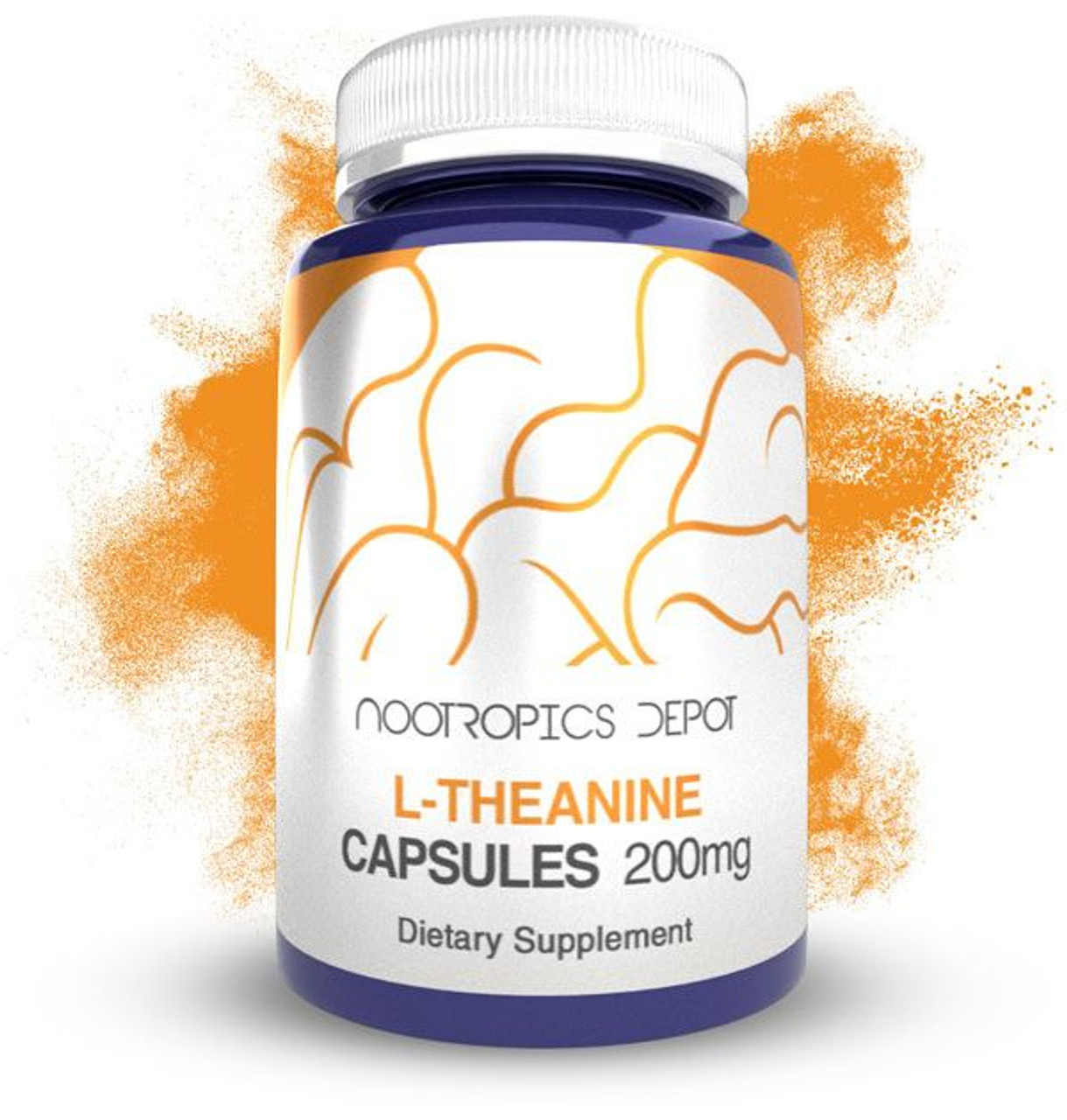
L-theanine, an amino acid found naturally in tea leaves, preserves caffeine’s alertness benefits while smoothing out the anxiety and jitteriness.
Creatine (Not Just for Muscles)
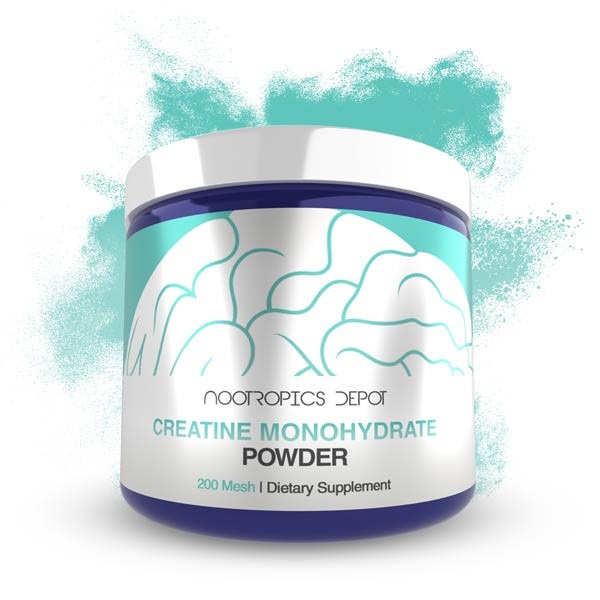
Most people associate creatine with gym bros and bicep curls. Fair enough — it’s the most evidence-backed sports supplement in existence. But creatine is fundamentally an energy molecule, and your brain uses a surprising amount of energy — roughly 20% of your total metabolic output despite being 2% of your body weight. The brain relies on phosphocreatine to buffer ATP during periods of high demand, which is exactly why cognitive benefits emerge under stress.
Dose: 3–5g creatine monohydrate daily. No loading phase necessary for cognitive benefits — it saturates brain stores over 4–8 weeks of consistent use. Vegetarians and vegans may see the most pronounced cognitive effects. Creatine monohydrate is the only form with strong evidence; skip the fancy variants.
- 1
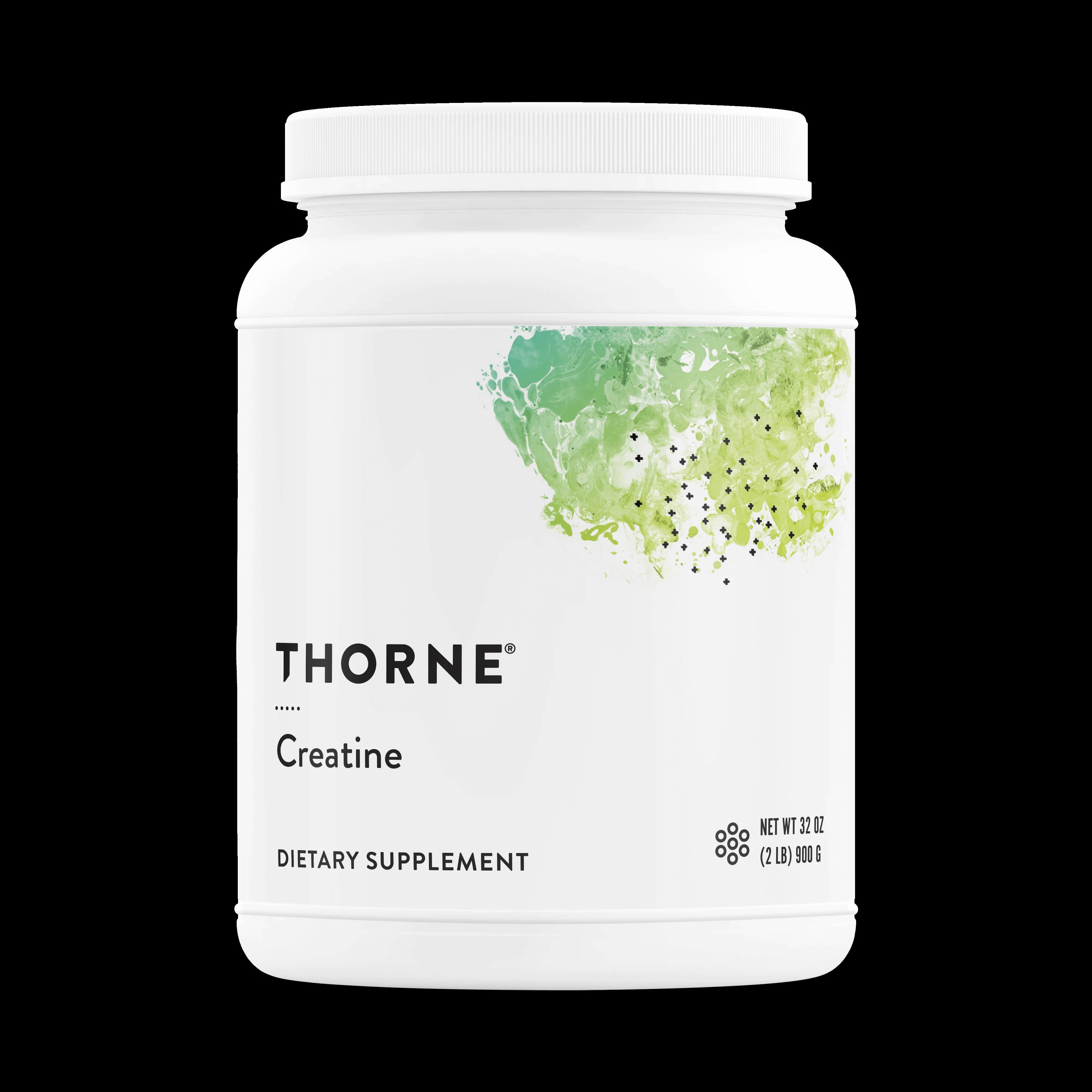
 CreatineThorne · $44.0098
 - 2
 Creatine Monohydrate PowderNootropics Depot · $34.9996
 - 3
 Liposomal Creatine CapsulesCodeage · $39.9990
Recomputed from the catalog every time this page is built, so it moves as products are added and rescored. Flavours and pack sizes of one product count once.
Omega-3 DHA (Structural Brain Support)
DHA (docosahexaenoic acid) isn’t a fast-acting focus pill. It’s a structural component of your brain — DHA comprises roughly 40% of the polyunsaturated fatty acids in the cerebral cortex. Low DHA status is consistently associated with accelerated cognitive decline, and supplementation appears most beneficial for people with low baseline intake (i.e., those who don’t eat fatty fish regularly).
Dose: 1–2g combined EPA/DHA daily, with at least 500mg from DHA specifically. Take with a fat-containing meal for absorption. This is a long-game supplement — think months and years, not days.
Tier 2: Moderate Evidence (Worth Considering)
These have promising human trial data but either fewer replication studies, smaller sample sizes, or effects that take weeks to manifest. They’re reasonable additions after you’ve established a Tier 1 foundation.
Lion’s Mane (Hericium erinaceus)
Lion’s mane stands out in the mushroom-supplement world because it has a plausible and well-studied mechanism: it stimulates production of nerve growth factor (NGF), a protein critical for neuron maintenance and growth. Mori et al. (2009, Phytotherapy Research) conducted a double-blind, placebo-controlled trial showing that 3g/day of lion’s mane for 16 weeks significantly improved cognitive function scores in older adults with mild cognitive impairment. Moderate evidence Benefits disappeared four weeks after stopping supplementation, suggesting an ongoing mechanism rather than a permanent structural change.
Bacopa Monnieri
Bacopa is an Ayurvedic herb with genuinely interesting memory data. A 2014 meta-analysis by Kongkeaw et al. in the Journal of Ethnopharmacology pooled nine RCTs and concluded that bacopa significantly improved attention, cognitive processing speed, and working memory in healthy subjects. Moderate evidence The catch? Effects typically require 8–12 weeks of consistent use to emerge. This isn’t a take-it-and-feel-it supplement — it’s a slow-building cognitive support.
The proposed mechanism involves modulation of acetylcholine, serotonin, and dopamine, along with antioxidant activity in the hippocampus. Stough et al. (2001, Psychopharmacology) found that 300mg of a standardized extract (KeenMind®, 55% bacosides) improved the speed of visual information processing, learning rate, and memory consolidation in healthy adults over 12 weeks. Moderate evidence
Dose: 300–600mg daily of an extract standardized to 50%+ bacosides. Take with a fat-containing meal (bacosides are fat-soluble). Common side effect: mild GI discomfort, which usually resolves by taking it with food. Some people report mild lethargy, so evening dosing may work better initially.
Alpha-GPC
Alpha-GPC (alpha-glycerophosphocholine) is a choline source that crosses the blood-brain barrier efficiently and serves as a precursor to acetylcholine — the neurotransmitter most directly associated with learning, memory, and attention. It’s also the form used in most clinical research on choline and cognition.
A 2003 clinical trial by De Jesus Moreno Moreno in Clinical Therapeutics found that 1,200mg/day of alpha-GPC improved cognitive scores in patients with mild to moderate Alzheimer’s dementia over 180 days. Moderate evidence In healthy adults, the evidence is thinner but directionally positive, particularly for people with low dietary choline intake (eggs and liver are the primary food sources, and many people under-consume both).
Dose: 300–600mg daily. Higher doses (1,200mg) are used in clinical settings for cognitive decline. Alpha-GPC is hygroscopic (absorbs moisture), so store it sealed and in a cool place.
Tier 3: Emerging or Mixed Evidence
These appear frequently in nootropic discussions but have significant caveats — limited human data, regulatory restrictions, or effect sizes that don’t clearly justify the cost and risk.
Racetams (Piracetam, Aniracetam, Phenylpiracetam)
Piracetam is technically the original nootropic — it’s the compound Giurgea coined the term for in 1972. The racetam family modulates glutamate and acetylcholine signaling, and there is some evidence for cognitive benefits in elderly populations with cognitive decline (Waegemans et al., 2002, Dementia and Geriatric Cognitive Disorders). Emerging evidence However, evidence in healthy young adults is weak and inconsistent. Racetams are prescription medications in many European countries and exist in a regulatory gray zone in the US — not FDA-approved, not clearly a dietary supplement. If you’re considering them, understand that you’re in self-experimentation territory.
Modafinil
Including it here because it appears constantly in nootropic communities and the distinction matters. Battleday & Brem (2015, European Neuropsychopharmacology) conducted a systematic review finding that modafinil did enhance attention and executive function in non-sleep-deprived individuals. Moderate evidence
Noopept
A synthetic peptide developed in Russia, often grouped with racetams but structurally distinct. Noopept has shown neuroprotective effects in animal models and some preliminary human data in cognitively impaired populations (Neznamov & Teleshova, 2009, Neuroscience and Behavioral Physiology). Emerging evidence It’s potent at very low doses (10–30mg) but lacks robust human RCT data in healthy adults. Another self-experimentation compound.
Red Flags in Nootropic Marketing
- Proprietary blends. If a product lists “Cognitive Enhancement Matrix” followed by a total weight but no individual ingredient doses, you have no idea what you’re taking. Most proprietary blends are built around cheap caffeine with pixie-dust amounts of expensive ingredients. Our label reading guide teaches you to spot these instantly.
- “10x focus” or “unlock your brain’s potential.” No supplement produces 10x anything. The best-studied nootropics produce modest, measurable improvements in specific cognitive domains. If the marketing sounds like a movie trailer, the product is selling an experience, not a mechanism.
- Citing rat studies as human evidence. Many nootropic ingredients show dramatic effects in rodent models that don’t translate to humans. If a product page only references animal research, that’s a yellow flag.
- Kitchen-sink formulas. Products with 15+ active ingredients at undisclosed doses. More ingredients doesn’t mean more effect — it usually means none of them are at a clinically relevant dose.
How to Build a Cognitive Supplement Stack
Start simple. Add one thing at a time. Give each addition 2–4 weeks before evaluating. This is the only way to know what’s actually working for you.
- Step 1: Caffeine + L-theanine (100mg + 200mg). If you already drink coffee, just add L-theanine. This alone handles most people’s “I want better focus” needs.
- Step 2: Creatine monohydrate (5g daily). Benefits accumulate over weeks. Virtually no downside at this dose.
- Step 3: Omega-3 (DHA-dominant, 1–2g daily). Long-game cognitive preservation. Also supports cardiovascular health.
- Step 4: Choose one Tier 2 compound based on your specific goal — lion’s mane for neuroprotection and NGF support, bacopa for memory, or alpha-GPC if you suspect low choline intake. Run it for 8–12 weeks before evaluating.
For a broader framework on combining supplements across multiple health goals, see our guide to building a supplement stack. And if you’re interested in nootropics as part of a longevity-oriented protocol, our beginner longevity stack guide covers where cognitive supplements fit alongside the core longevity compounds.
The Role of Adaptogens
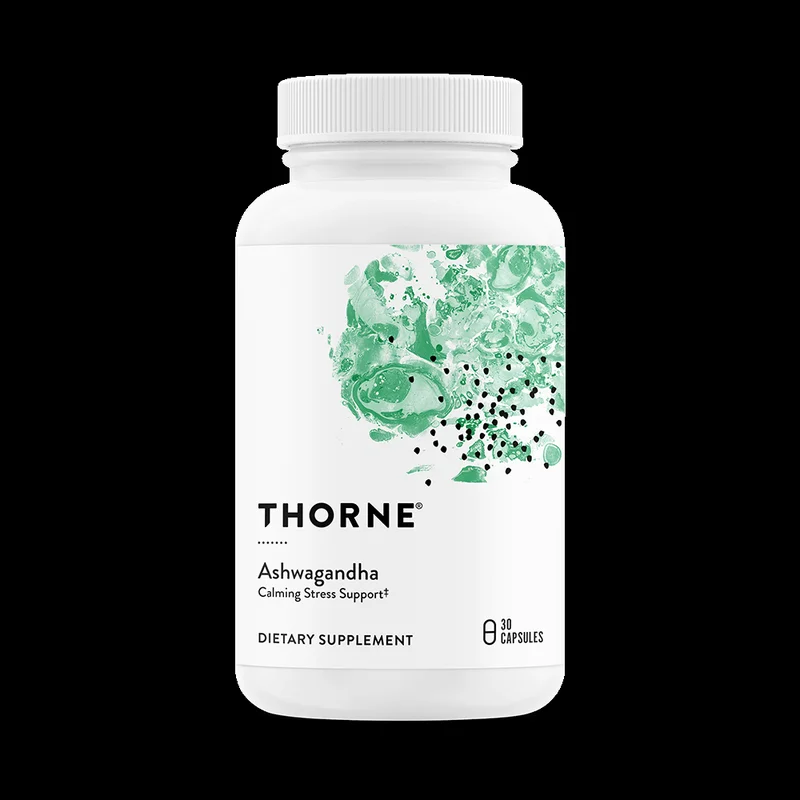
Adaptogens like ashwagandha and rhodiola aren’t classical nootropics, but they appear frequently in cognitive supplement stacks because chronic stress is one of the biggest cognitive performance killers. Cortisol impairs hippocampal function (memory consolidation), reduces prefrontal cortex activity (executive function), and fragments attention.
Ashwagandha in particular has solid human data for reducing perceived stress and anxiety (Chandrasekhar et al., 2012, Indian Journal of Psychological Medicine). It won’t make you “smarter,” but it may remove the stress-induced cognitive ceiling that no amount of caffeine or lion’s mane can fix.
Drug Interactions and Medical Contraindications
Drug interactions with nootropics are poorly tracked because most of these compounds aren't regulated as pharmaceuticals — meaning interaction data comes from case reports, pharmacological reasoning, and limited clinical trials rather than the systematic post-market surveillance applied to prescription drugs. That gap makes this section more important, not less.
Compound-Specific Interactions
Bacopa monnieri may potentiate thyroid medications (it has shown thyroid-stimulating effects in animal models — Kar et al., 2002, Journal of Ethnopharmacology) and could theoretically compete with anticholinergic drugs by raising acetylcholine activity. It may also slow heart rate, compounding effects of beta-blockers or calcium channel blockers. If you take thyroid or cardiovascular medication, consult your prescriber before adding bacopa.
Omega-3 (EPA/DHA) at doses above 2g/day can inhibit platelet aggregation, increasing bleeding risk. This is clinically relevant if you're on warfarin, aspirin, clopidogrel, or other anticoagulants/antiplatelets (Buckley et al., 2004, Atherosclerosis). Moderate evidence Discuss timing and dosing with your doctor before combining.
Alpha-GPC raises acetylcholine levels, which means it can interact with cholinesterase inhibitors (donepezil, rivastigmine) used in dementia treatment — potentially causing cholinergic excess (nausea, bradycardia, excessive salivation). It may also interact with scopolamine and atropine by opposing their mechanism.
Caffeine has the longest interaction list of anything in this guide. It's metabolized by CYP1A2, meaning drugs that inhibit that enzyme — fluvoxamine, ciprofloxacin, oral contraceptives — can dramatically increase caffeine's half-life and side effects. Caffeine also interacts with MAOIs, lithium (by increasing renal clearance), and adenosine-based cardiac drugs. If you're on any psychiatric or cardiovascular medication, verify caffeine safety with your provider.
How to Verify Supplement Quality (Third-Party Testing)
Knowing how to verify supplement quality is the difference between trusting a label and trusting evidence. The FDA doesn't approve dietary supplements for safety or efficacy before they hit shelves — it only intervenes after problems surface. That means the burden of verification falls entirely on you. Fortunately, three certification programs do the heavy lifting if you know what to look for.
The Three Certifications That Matter
NSF Certified for Sport tests for label accuracy, contaminant screening (heavy metals, pesticides), and over 270 banned substances. It's the gold standard for athletes but equally useful for anyone who wants proof that what's on the label is what's in the capsule. USP Verified confirms potency, purity, and manufacturing quality through facility audits and product testing. Informed Sport focuses on banned-substance screening and is widely recognized in professional and Olympic athletics.
None of these certifications evaluate whether a supplement works — they verify that it contains what it claims, at the stated dose, without dangerous contaminants. That's the baseline, and most nootropic products don't clear it.
Why Proprietary Blends Fail Here
Even a third-party tested product is useless if you can't verify individual ingredient doses. Proprietary blends — the "Cognitive Enhancement Matrix" formulas called out in our label reading guide — make it impossible to confirm whether any single ingredient reaches a clinically relevant amount. A certified proprietary blend is still a black box. Certification plus full label transparency is the combination you need.
Your 3-Step Verification Checklist
Step 1: Look for a certification mark. Check the product packaging or manufacturer's website for NSF Certified for Sport, USP Verified, or Informed Sport logos. No mark? Move to Step 2 with higher skepticism.
Step 2: Request or find the Certificate of Analysis (COA). A COA is a document from an independent lab confirming the product's identity, potency, and contaminant levels for a specific batch. Reputable brands publish COAs on their website or provide them on request. If a company won't share a COA, treat that as a disqualifying red flag.
Step 3: Cross-check the COA details. Verify that the batch number matches your product, the testing lab is ISO 17025 accredited, and the results confirm the label's claimed doses. A COA from an unaccredited lab or with a mismatched batch number is theater, not transparency.
If you're building a supplement stack with multiple products, apply this checklist to each one. Quality failures compound just like the supplements do — except in the wrong direction.
Caffeine Genetics: Why the Same Dose Affects People Differently
Caffeine genetics explain why your coworker drinks three espressos and sleeps like a rock while you're wired until 2 AM from a single cup. The difference isn't tolerance or willpower — it's largely determined by two genes that govern how your body processes and responds to caffeine.
The first is CYP1A2, which codes for the liver enzyme responsible for metabolizing roughly 95% of ingested caffeine. About half the population carries a variant (CYP1A2*1F) that makes them slow metabolizers — caffeine lingers in their system significantly longer. Sachse et al. (1999, British Journal of Clinical Pharmacology) identified this polymorphism, and subsequent research by Cornelis et al. (2006, JAMA) linked slow-metabolizer status to increased cardiovascular risk from coffee, suggesting the extended exposure window has real physiological consequences.
The second gene is ADORA2A, which encodes the adenosine A2A receptor — the very receptor caffeine blocks. Certain ADORA2A variants make you substantially more prone to caffeine-induced anxiety. Alsene et al. (2003, Neuropsychopharmacology) found that individuals with the 1976T/T genotype reported significantly higher anxiety after 150mg of caffeine compared to other genotypes. Moderate evidence If caffeine makes you jittery or anxious even at low doses, this variant is a likely culprit — and L-theanine can only partially compensate.
You can get CYP1A2 and ADORA2A genotyping through consumer DNA services or pharmacogenomic panels. But honestly, your own response history is a decent proxy — if you've always been "sensitive to caffeine," act accordingly rather than forcing a standard dose. The caffeine + L-theanine recommendation in this guide still applies, but the dose that works for you may be half of what works for a fast metabolizer.
Who Should Talk to a Doctor First
The Tier 1 and Tier 2 compounds in this guide are well-studied in healthy, unmedicated adults. But "well-studied in healthy adults" is not the same as "safe for everyone." If any of the following apply to you, get clinical input before starting — or stacking — these supplements.
None of the above is medical advice. Bring your full supplement list — including what you're considering — to your next provider visit.
Frequently Asked Questions
Do nootropics actually make you smarter?
Not in the way movies portray it. No supplement will raise your IQ or give you abilities you don’t already have. What the evidence-backed nootropics can do is improve specific cognitive domains — attention, working memory, processing speed, mental endurance under fatigue — by modest but meaningful margins. Think of it as reducing friction rather than adding horsepower. A well-rested, well-fed brain on caffeine + L-theanine is sharper than the same brain without them, but it’s still the same brain.
Is it safe to stack multiple nootropics together?
Generally yes, if you’re sticking to Tier 1 and Tier 2 compounds at recommended doses. Caffeine, L-theanine, creatine, omega-3, and lion’s mane can all be taken together without known negative interactions. The risk increases when you start combining multiple compounds that affect the same neurotransmitter system — for example, stacking alpha-GPC with another cholinergic compound could theoretically cause excess acetylcholine (headache, jaw tension, brain fog). The rule: add one new compound at a time, run it for 2–4 weeks, assess, then decide whether to add another.
How long do nootropics take to work?
It depends entirely on the compound. Caffeine and L-theanine work within 30–60 minutes. Creatine takes 2–4 weeks to saturate brain stores (you won’t feel a single dose). Bacopa requires 8–12 weeks of daily use before cognitive improvements emerge. Lion’s mane typically needs 4–8 weeks. DHA is a structural investment measured in months. If a product claims you’ll “feel it instantly,” it either contains caffeine or stimulants (check the label) or is overselling its effects. Our label reading guide can help you identify what’s actually inside.
What about microdosing psychedelics as nootropics?
This topic generates enormous interest online, but the controlled research to date has been underwhelming. A 2022 double-blind RCT by Marschall et al. in Translational Psychiatry found that microdosing psilocybin did not improve cognitive performance, emotional processing, or creativity compared to placebo over four weeks. Emerging evidence Positive reports from open-label and anecdotal sources likely reflect expectation effects. Psychedelics also carry legal risk in most jurisdictions. We won’t say “never,” but the evidence doesn’t currently support microdosing as a reliable cognitive enhancer.
Do nootropics actually work?
Some do; most don't. Caffeine + L-theanine has solid evidence for focus and reduced jitter. Creatine modestly improves cognitive performance under sleep deprivation. Lion's mane has some early evidence for nerve growth factor. Most branded 'nootropic stacks' overpromise and underdeliver — the ingredients that work are all cheap and available individually.
Are nootropics safe to take daily?
The evidence-supported ones (caffeine, L-theanine, creatine, lion's mane) are well-tolerated long-term at standard doses. Racetams, modafinil, and other prescription-grade options have more caveats and aren't recommended without clinical supervision. Avoid proprietary blends where you can't see individual doses.
What's the best nootropic for focus?
Caffeine (100–200 mg) plus L-theanine (200 mg) is the most replicated stack for focus and reaction time with minimal downside. It takes effect in 30–60 minutes and lasts 4–6 hours. For sustained focus across multiple hours, pair it with adequate sleep, consistent meal timing, and a low-distraction environment — no supplement fixes those.
Can I take nootropics if I'm on antidepressants / SSRIs?
The guide doesn't cover drug interactions directly. This is a legitimate concern: bacopa monnieri, covered in Tier 2, is noted in the guide as modulating serotonin pathways — combining it with SSRIs or SNRIs could theoretically affect serotonin signaling. Caffeine and L-theanine interactions with antidepressants also vary by medication. Do not add any nootropic to a psychiatric medication regimen without first consulting your prescribing physician or a pharmacist.
Are nootropics safe during pregnancy or breastfeeding?
The guide doesn't address pregnancy or breastfeeding at all. This is a significant gap: several compounds covered here — including high-dose caffeine and bacopa — have either known contraindications or insufficient safety data for pregnant and breastfeeding women. Do not use nootropics during pregnancy or while breastfeeding without explicit guidance from your OB or midwife. This applies even to Tier 1 compounds.
What is the best nootropic for ADHD (without medication)?
The guide doesn't distinguish ADHD-related focus deficits from general fatigue-driven brain fog, and that distinction matters. The compounds covered here — caffeine, creatine, bacopa — are studied in neurotypical populations; their effects in ADHD brains can differ meaningfully. Caffeine in particular behaves differently in people with ADHD. Nothing in this guide should be treated as a substitute for an evidence-based ADHD treatment plan. Consult a physician before using nootropics alongside or instead of prescribed ADHD management.
Which nootropic supplements are safe for teenagers?
The guide provides no age-based guidance, and the absence of that caveat is worth flagging directly. Developing brains respond differently to compounds that affect cholinergic signaling, stimulant activity, and neuroplasticity. The doses and populations referenced in the guide's cited studies are adults. Parents should not apply this guide's recommendations to teenagers without consulting a pediatrician or adolescent medicine specialist.
How do I know if my lion's mane supplement is actually potent or not fake?
The guide flags the fruiting body vs. mycelium-on-grain distinction — fruiting body extracts are higher potency — and recommends products standardized for beta-glucans and hericenones. Beyond that, the guide doesn't cover verification methods. For a reliable product, look for third-party testing certifications (NSF, USP, or Informed Sport), a disclosed beta-glucan percentage on the label, and the specific fruiting body designation. The guide's complete lion's mane article covers product selection in more depth.
Do nootropics work for anxiety-driven brain fog specifically?
Possibly — but not the standard starting stack. The guide explicitly notes that if your cognitive fog is stress- and anxiety-driven, adaptogens like ashwagandha may do more than traditional nootropics by removing the cortisol-related cognitive ceiling. Critically, the guide's default starting point — caffeine + L-theanine — may worsen anxiety in some people despite L-theanine's smoothing effect. If anxiety is your primary driver, the guide suggests addressing that first through adaptogens before adding stimulants.
Can I cycle nootropics or do I need to take them every day?
The guide doesn't address cycling protocols directly. What it does clarify is mechanism: lion's mane benefits disappeared four weeks after stopping supplementation in the cited trial, indicating an ongoing mechanism that requires continued use. Bacopa requires 8–12 weeks of daily use to produce cognitive improvements. For caffeine, tolerance is a known issue not covered in the guide — cycling is a reasonable practical consideration. The guide recommends evaluating each compound over 2–4 weeks of consistent daily use before drawing conclusions about effectiveness.
The Bottom Line
The “limitless pill” doesn’t exist. What does exist is a small set of well-studied compounds that can meaningfully improve specific aspects of cognitive performance — provided your sleep, exercise, and nutrition foundations are solid. The gap between what the marketing promises and what the science delivers is wide, but within that gap there are genuinely useful tools.
Start with caffeine + L-theanine. Add creatine. Get your omega-3 intake up. Then, if you want more, explore lion’s mane or bacopa with realistic expectations and an 8-week evaluation window. That’s it. That’s the evidence-based nootropic stack for someone who wants to think more clearly without getting scammed.
Supplements that support this
Turn this into your stack
Answer two questions and we'll build an evidence-graded starter stack — every ingredient with its dose, timing, and interaction checks.
Free · no account needed to start
Interactions to know
How these pair with other supplements and medications
- Cautioncreatine+caffeine
Caffeine may blunt some creatine effects
- Synergyl-theanine+caffeine
L-theanine smooths caffeine's effects
- Synergycreatine+beta-alanine
Creatine and beta-alanine stack well for power + endurance
- Synergycreatine+hmb
HMB + creatine synergy for strength and lean mass
Check your full stack in the free interaction checker.
Read next
Lion’s Mane Mushroom: Evidence-Based Guide 2026
Discover how lion’s mane stimulates NGF and BDNF to support cognition. Human trial data, fruiting body vs mycelium, dosing, and quality markers — all explained.
Creatine for Women: The Complete Evidence-Based Guide (2026)
Women's creatine research through menopause, training, body composition, and mood. No bloating myths, no men's-magazine claims — just the evidence.
Creatine for Endurance Athletes: The Overlooked Performance Tool
Creatine is labeled a 'strength supplement' but endurance athletes from cyclists to triathletes benefit in surprising ways. Here's what the evidence actually shows.
The neuroscience of memory, focus, and neuroplasticity — and how to protect cognition as you age.
Evidence-based supplement guides, no spam
We send a short digest when new guides drop — nothing else. No affiliate pushes, no sponsored content, unsubscribe anytime.