Creatine for Women: The Complete Evidence-Based Guide (2026)
Women's creatine research through menopause, training, body composition, and mood. No bloating myths, no men's-magazine claims — just the evidence.
- Women start with ~70–80% lower muscle creatine stores than men, meaning supplementation may produce a proportionally larger response.
- 3–5 g of creatine monohydrate daily is the evidence-backed dose — no gender-specific adjustment needed.
- Postmenopausal women using creatine + resistance training showed reduced bone mineral density loss (Chilibeck et al. 2017).
- Creatine-related weight gain (1–2 lbs) is intracellular water inside muscle cells — not subcutaneous bloating or fat.
- Emerging evidence links creatine to improved mood and reduced depression symptoms in women (Gordon et al. 2018).
- Pregnancy and breastfeeding data is limited to animal models — consult your OB-GYN before supplementing.
Creatine for women is supported by a growing body of research showing benefits for strength, bone health, body composition, and even mood — yet most creatine content is still written for men. Women actually start with lower baseline creatine stores, which means supplementation may be more impactful, not less. Here’s what the evidence actually says.
Why Women Respond Differently to Creatine
Your body makes creatine in the liver and kidneys, and you get more from dietary meat and fish. But women tend to have substantially lower intramuscular creatine concentrations than men. Early biopsy data (Forsberg et al., 1991) suggested a 70–80% gap, though this was a small study and more recent work indicates the difference varies widely by muscle group, training status, and diet. Emerging evidence Several factors contribute: lower average muscle mass, lower dietary meat intake, and endogenous synthesis differences related to hormonal milieu.
This lower baseline is actually good news. Creatine supplementation works by saturating your phosphocreatine stores. When you start further from the saturation ceiling, you have more room to fill — meaning the relative improvement in high-intensity exercise capacity can be proportionally greater than what a man with already-higher stores would experience.
What the Research Actually Shows
A comprehensive 2021 narrative review by Smith-Ryan et al. in Nutrients synthesized the female-specific creatine literature across the lifespan. The key findings: creatine supplementation in women supports strength gains when paired with resistance training, may improve body composition, supports bone mineral density in postmenopausal populations, and shows preliminary promise for mood and cognitive function.
The International Society of Sports Nutrition (ISSN) position stand (Kreider et al., 2017) also affirms creatine monohydrate as safe and effective for both sexes, calling it the most well-studied ergogenic supplement available. Importantly, no credible research has identified female-specific adverse effects at standard doses.
On cognition, a meta-analysis by Avgerinos et al. (2018) found creatine improved short-term memory and reasoning, with effects potentially more pronounced in stressed or sleep-deprived individuals — a finding relevant to many women juggling high-demand schedules.
Body Composition: Does Creatine Make Women “Bulky”?
No. This concern persists because of a misunderstanding about what creatine does to the scale. When you saturate your muscles with creatine, each cell pulls in additional water. This is intracellular hydration — water inside the muscle fiber, not beneath your skin. You may see the scale move up 1–2 lbs in the first week or two. That isn’t fat, and it isn’t the kind of water retention that creates visible puffiness.
What the lean mass data shows
If anything, the research shows creatine paired with resistance training tends to improve body composition: a 2023 systematic review (Forbes et al.) of 22 randomized controlled trials found women gained an average 1.1 kg more lean mass over 4–12 weeks versus placebo. Strong evidence Women have roughly 1/15th the circulating testosterone of men. You are not going to “accidentally” get bulky from a supplement that helps you squeeze out two more reps on a squat set.
Creatine for Menopause and Postmenopausal Bone Health
Declining estrogen during perimenopause and menopause accelerates bone mineral density (BMD) loss and shifts body composition toward higher fat mass and lower lean mass. Creatine addresses both concerns indirectly through enhanced resistance training capacity, and possibly through direct cellular mechanisms.
Chilibeck et al. (2017) published a key randomized controlled trial in Medicine & Science in Sports & Exercise showing that postmenopausal women who combined creatine supplementation with resistance training over 12 months had significantly less BMD loss at the femoral neck compared to placebo + training. Moderate evidence This is notable because the femoral neck is a primary fracture site in osteoporotic women.
If you’re over 40 and concerned about bone health, creatine is worth discussing alongside vitamin D, magnesium, calcium, and weight-bearing exercise. It’s not a replacement for any of those, but the data suggests it’s a useful addition to the toolkit.
Creatine and Mood / Depression in Women
The brain is a heavy ATP consumer, and creatine plays the same phosphocreatine-shuttle role in neural tissue as it does in muscle. Gordon et al. (2018) found that women with major depressive disorder who added creatine (5 g/day) to their SSRI regimen showed faster and greater improvements in depression scores compared to SSRI + placebo. Emerging evidence
This is a single trial and the evidence is not yet strong enough to recommend creatine as a standalone mood intervention. But it’s a compelling signal, especially given creatine’s strong safety profile. If you’re already taking creatine for training, any mood benefit is a welcome bonus. If you’re considering it specifically for depression, talk to your prescriber first.
How to Take It: Dose, Timing, and Forms
Dosing by Body Weight
The standard protocol is 3–5 g daily for most women. A more precise approach uses 0.07–0.1 g/kg of body weight: a 60 kg (132 lb) woman would take 4.2–6 g per day, while a 50 kg (110 lb) woman sits comfortably at 3.5–5 g. In practice, 3 g daily is sufficient for women under 60 kg, and 5 g daily covers virtually everyone up to 80 kg.
A loading phase (20 g/day split into 4 × 5 g doses for 5–7 days) speeds saturation but isn’t necessary — daily dosing at 3–5 g reaches the same saturation point within about 3–4 weeks. For a detailed look at loading protocols, see our creatine loading phase guide.
Timing and Form
Timing doesn’t matter much. Take it morning or evening — with breakfast, post-workout, or at bedtime — whatever helps you dose daily without missing days. A 2013 study (Antonio & Ciccone) found a slight advantage for post-exercise intake with a carb/protein meal, but the effect size was small compared to daily consistency. Emerging evidence
Form: Creatine monohydrate is the only form with decades of safety and efficacy data behind it. Creatine HCl, buffered creatine, and liquid formulations have not been shown to be superior, and some have less evidence backing them. Check our ranking of the best creatine supplements for specific product recommendations.
Week-by-Week Protocol for Women Starting Creatine
Here is a practical timeline for what to expect when you begin supplementing with creatine monohydrate at a daily maintenance dose:
- Week 1–2 (adaptation): Take 3–5 g daily with food, morning or evening. Expect 1–2 lbs of intracellular water gain. GI sensitivity is most common in this window — if it occurs, split into two 1.5–2.5 g doses.
- Week 3–4 (approaching saturation): Muscle phosphocreatine stores reach approximately 95% saturation by day 28 at 3–5 g/day (Hultman et al., 1996). Training capacity should begin improving — most women report 1–2 extra reps on compound lifts. Strong evidence
- Month 2–3 (measurable changes): A 2003 meta-analysis (Branch, 2003) found an average 8% increase in upper-body strength and 14% increase in lower-body strength after 8–12 weeks of creatine + resistance training. Reassess your protocol at the 3-month mark: confirm dose, check body composition trends, and decide whether to continue.
- Ongoing (daily, no cycling needed): Continue 3–5 g daily indefinitely. The ISSN confirms no benefit to cycling on and off. If you stop, stores return to baseline over 4–6 weeks.
Common Concerns: Bloating, Water Weight, and Hair Loss
Bloating
As covered above, creatine-driven water retention is intracellular. It doesn’t cause the subcutaneous “puffy” look associated with high sodium intake or hormonal fluctuations. If you experience GI bloating (stomach discomfort, gas), it’s usually from taking too large a dose at once. Split your dose or take it with food.
Water weight and the scale
Expect the scale to increase 1–2 lbs in the first 1–2 weeks as muscles hydrate. This is not fat gain. If you’re tracking body composition for a specific goal, use a body-fat measurement method (DEXA, calipers, progress photos) rather than relying solely on the scale.
Hair loss
A single 2009 study in college-age male rugby players (van der Merwe et al.) found an increase in DHT after creatine loading. This study has never been replicated, was done exclusively in men, and did not actually measure hair loss — only a hormonal marker. Subsequent reviews, including the ISSN position stand, have not identified a credible link between creatine and hair loss. Emerging evidence If you have a diagnosed androgen-sensitive condition, consult your dermatologist. For the general female population, the concern is not supported by the evidence.
Frequently Asked Questions
Is creatine safe during pregnancy or breastfeeding?
There is no robust human safety data for creatine supplementation during pregnancy or lactation. Animal studies (Dickinson et al., 2014) suggest creatine may offer fetal neuroprotective benefits, but this research is preclinical and not clinically actionable. The prudent approach is to stop supplementation when trying to conceive and consult your OB-GYN before resuming at any point during pregnancy or breastfeeding.
Does creatine affect PCOS or hormonal balance?
No published research links creatine supplementation to worsening of PCOS symptoms or clinically meaningful changes in female sex hormones at standard doses (3–5 g/day). That said, PCOS involves complex androgen dynamics, and if you’re concerned, discuss it with your endocrinologist. Creatine does not contain hormones and does not directly stimulate androgen production.
Can I take creatine while trying to lose weight?
Yes. Creatine itself has zero calories and does not promote fat gain. The 1–2 lb scale increase from intracellular water can be psychologically frustrating during a cut, but your actual fat-loss trajectory is unaffected. In fact, creatine may help preserve lean mass during a calorie deficit by maintaining training intensity — which is exactly what you want during weight loss.
Should I cycle creatine or take breaks?
No cycling is necessary. The ISSN position stand supports continuous daily use. Your body doesn’t build a tolerance to creatine the way it might with caffeine. When you stop supplementing, muscle creatine levels return to baseline over about 4–6 weeks. There’s no rebound or withdrawal effect.
Does creatine need to be timed with my menstrual cycle?
No. There is currently no evidence that creatine efficacy varies across menstrual cycle phases. Some researchers have hypothesized that the luteal phase (higher progesterone) might affect creatine kinetics, but this has not been demonstrated in controlled trials. Take 3–5 g daily regardless of cycle phase.
Can creatine help with perimenopause brain fog?
Possibly. Creatine supports brain ATP availability, and the Avgerinos et al. (2018) meta-analysis found cognitive benefits particularly under conditions of stress or sleep deprivation. Many perimenopausal women report both. However, no trial has specifically tested creatine for perimenopause-related cognitive complaints. It’s a reasonable hypothesis, not a proven treatment.
Who Should Talk to a Doctor First
Creatine monohydrate has an excellent safety record in healthy adults, but certain populations should check with a healthcare provider before starting.
None of the above is medical advice. Bring your full supplement list to your next provider visit.
- 1
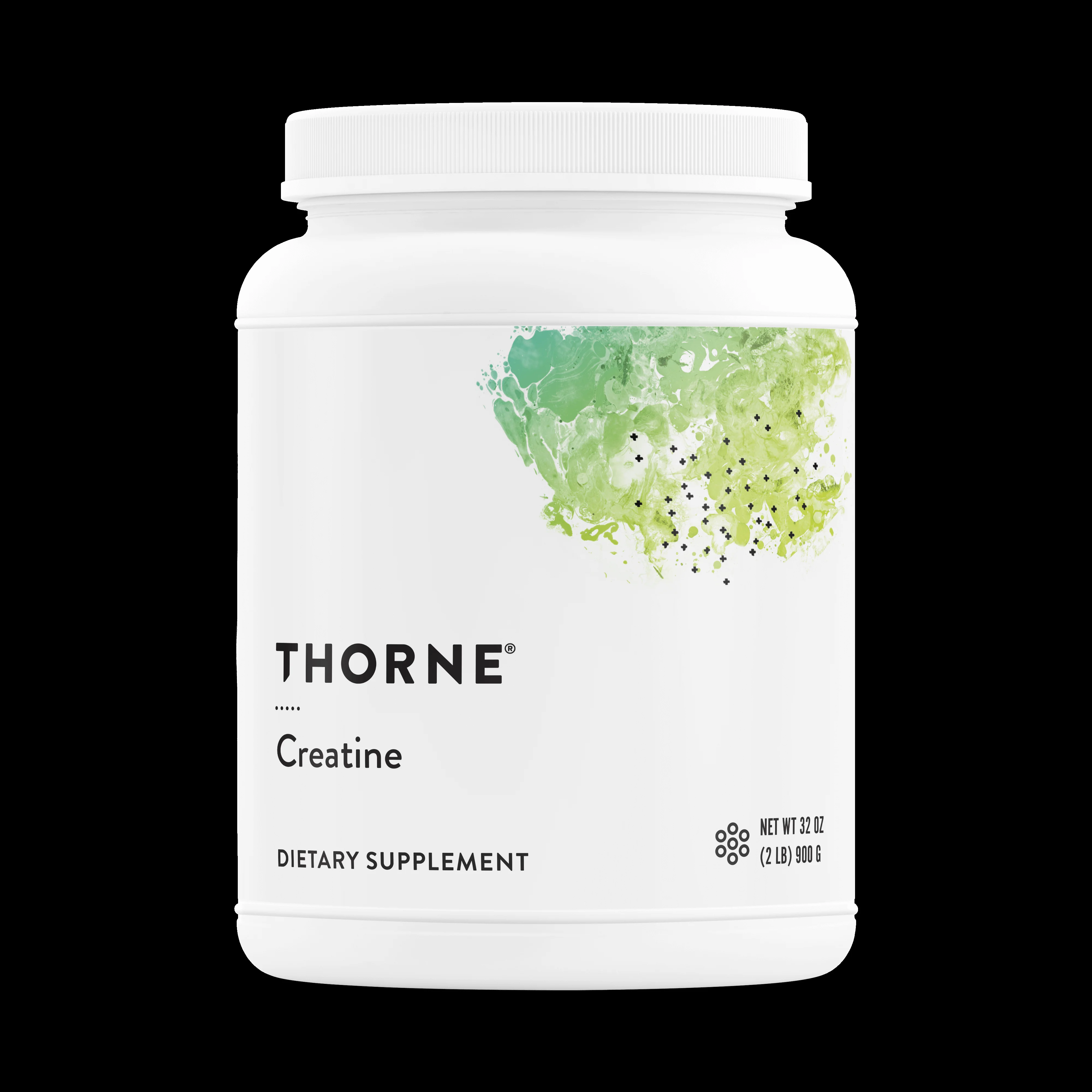
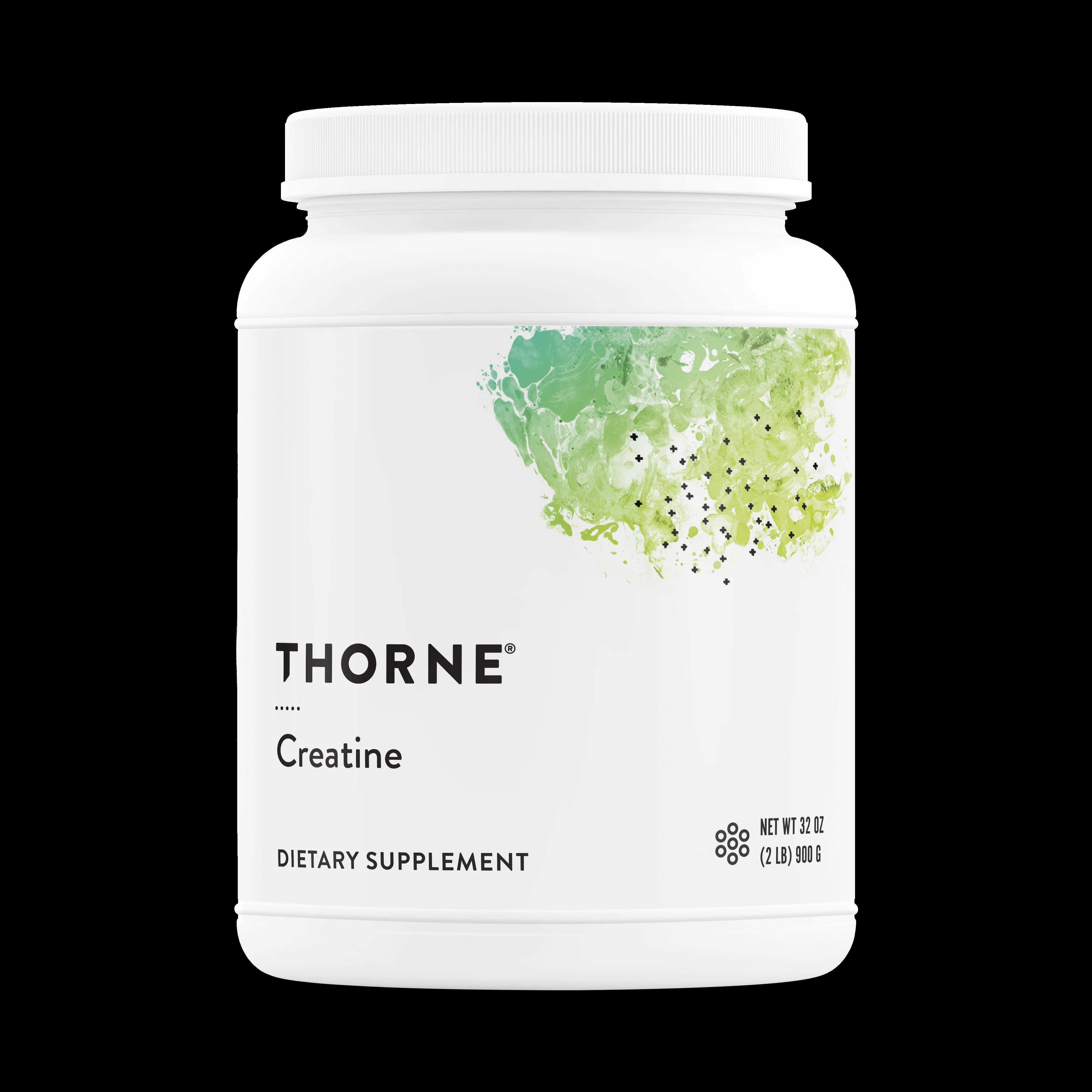 CreatineThorne · $44.0098
 - 2
 Creatine - 90 ServingsMomentous · $42.9998
 - 3
 Creatine Monohydrate CapsulesNutricost · $36.9798
 - 4
 Micronized Creatine Capsules, 1,250 mgOptimum Nutrition · $56.1998
 - 5
 Creatine MonohydrateNOW Foods · $12.5997
Recomputed from the catalog every time this page is built, so it moves as products are added and rescored. Flavours and pack sizes of one product count once.
The Bottom Line
Creatine monohydrate is one of the most thoroughly researched supplements in sports science, and the evidence supporting its use in women is growing rapidly. Women start with lower baseline muscle creatine stores, which means supplementation fills a larger gap. Combined with resistance training, creatine helps women build strength, improve body composition, and — in postmenopausal populations — may slow bone mineral density loss at fracture-prone sites.
The common fears are largely unfounded. The “bloating” is intracellular water that makes muscles function better, not subcutaneous puffiness. The “bulky” concern ignores basic endocrinology. The hair-loss worry traces back to a single unreplicated study in male rugby players that didn’t even measure hair loss. At 3–5 g per day, creatine monohydrate is safe, cheap, and backed by hundreds of studies spanning decades.
What’s genuinely exciting is the newer research frontier: mood, cognition, and neuroprotection. Creatine’s role in brain energy metabolism is well-established biochemically, and early clinical trials in depression (Gordon et al., 2018) and cognitive performance (Avgerinos et al., 2018) suggest meaningful benefits. These areas need more female-specific investigation, but the safety profile makes creatine a low-risk bet while we wait for that data.
If you’re a woman who resistance trains, creatine is one of the few supplements where the evidence clearly justifies daily use. If you’re over 40 and concerned about bone health or cognitive decline, the emerging data makes it worth considering alongside foundational nutrients in a beginner longevity stack. And if you’re simply tired of supplement marketing that either ignores women or patronizes them with pink packaging and half-doses — the science is clear: take the same dose as the men, expect the same (or better) results, and move on.
Supplements that support this
Turn this into your stack
Answer two questions and we'll build an evidence-graded starter stack — every ingredient with its dose, timing, and interaction checks.
Free · no account needed to start
Interactions to know
How these pair with other supplements and medications
- Cautioncreatine+caffeine
Caffeine may blunt some creatine effects
- Synergycreatine+beta-alanine
Creatine and beta-alanine stack well for power + endurance
- Synergycreatine+hmb
HMB + creatine synergy for strength and lean mass
Check your full stack in the free interaction checker.
Read next
Creatine Loading Phase: Evidence-Based Guide 2026
Find out if creatine loading is worth it. We break down the saturation science, compare both protocols, and tell you which fits your timeline.
Best Creatine Supplements 2026, Ranked by Evidence
What actually matters in a creatine supplement — dose, form, purity and testing — and the top-scored monohydrate products in our catalog right now.
Best Pre-Workout Protocol 2026: Clinical Evidence Stack
Build a pre-workout stack that actually works. Learn the 4 clinically validated ingredients — creatine, citrulline, beta-alanine, caffeine — at doses that deliver results.
How exercise works — energy systems, aerobic vs. strength adaptation, and recovery.
Evidence-based supplement guides, no spam
We send a short digest when new guides drop — nothing else. No affiliate pushes, no sponsored content, unsubscribe anytime.