Best Pre-Workout Protocol 2026: Clinical Evidence Stack
Build a pre-workout stack that actually works. Learn the 4 clinically validated ingredients — creatine, citrulline, beta-alanine, caffeine — at doses that deliver results.
- Only 4 ingredients have strong evidence: creatine (5g), citrulline (6–8g), beta-alanine (3.2g), caffeine (3–6mg/kg)
- Creatine and beta-alanine work through daily loading — timing doesn't matter for these
- Most commercial pre-workouts underdose the active ingredients and hide behind proprietary blends
- Building your own costs ~$0.30–0.60/workout vs $1.50–2.50 for branded tubs
The best pre-workout supplement protocol uses four well-studied ingredients purchased individually rather than as a proprietary blend: creatine, citrulline, beta-alanine, and caffeine paired with L-theanine. This approach costs roughly a third of branded pre-workout tubs and ensures each ingredient hits its effective dose — something most proprietary blends obscure by hiding individual amounts behind a single combined number on the label.
The Four Ingredients That Actually Work
These are the compounds with the deepest evidence base for exercise performance. Everything else is either unproven, underdosed in commercial products, or both.
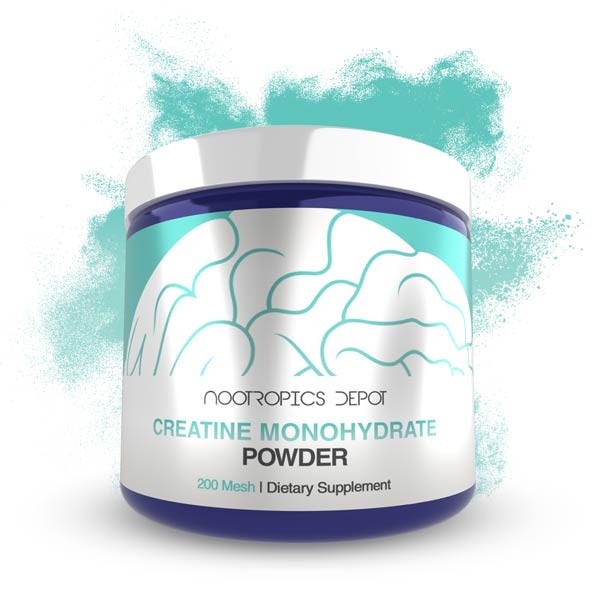
Creatine Monohydrate — 5g Daily (Timing Doesn’t Matter)
Creatine is the most studied ergogenic supplement in existence — over 500 peer-reviewed papers and counting. It replenishes phosphocreatine stores in muscle, which fuel short-burst, high-intensity efforts: heavy lifts, sprints, HIIT intervals. Strong evidence The performance benefits are consistent and well-documented: increased strength, improved power output, faster recovery between sets.
Stick with creatine monohydrate — not HCl, not buffered, not ethyl ester. The monohydrate form is what the research used, and fancier forms haven’t demonstrated any advantage despite costing 3–5x more. For a deeper dive on dosing protocol (including whether you need a loading phase), see our creatine loading guide.
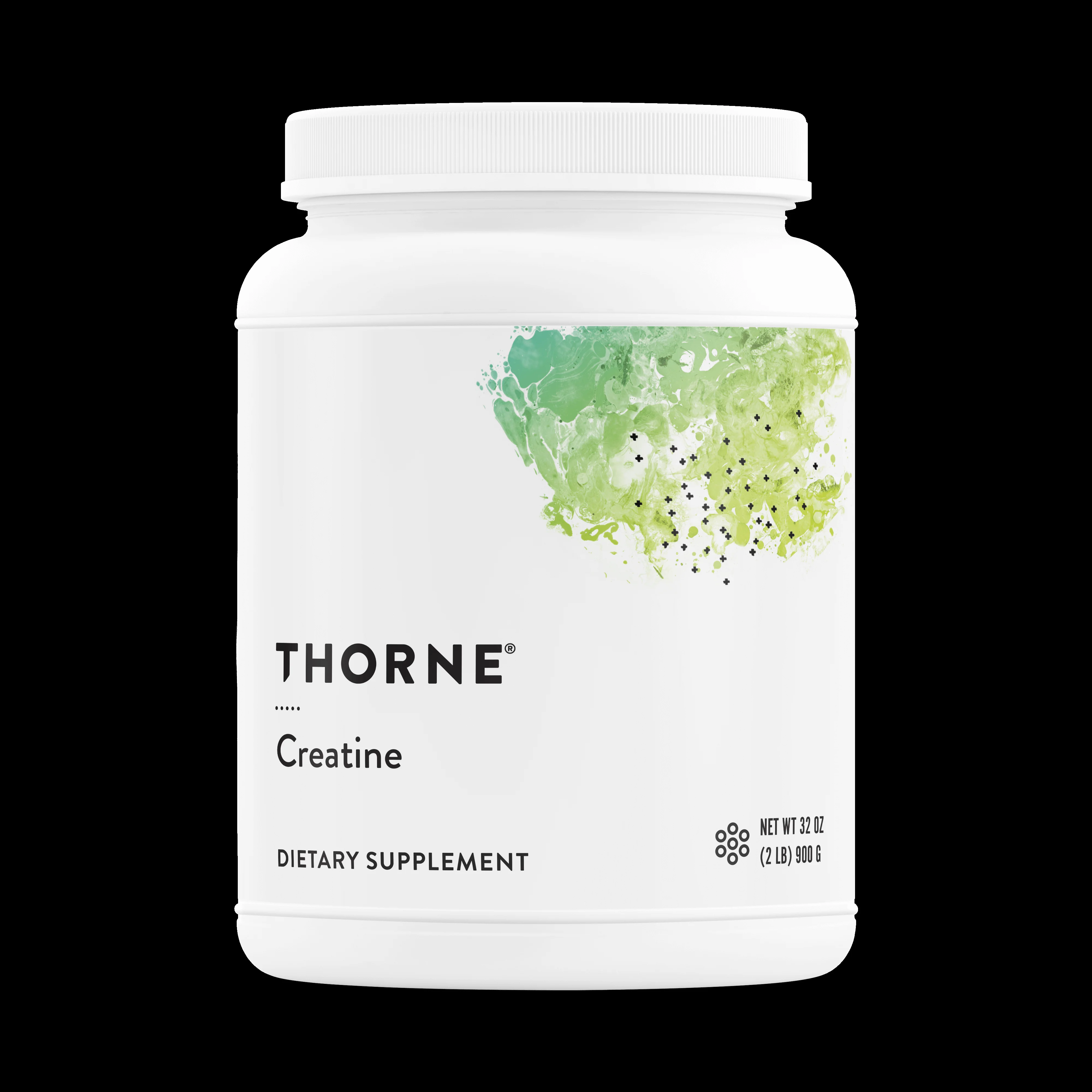
L-Citrulline — 6–8g (30–60 Min Before Training)
Citrulline gets converted to arginine in the kidneys, which boosts nitric oxide production and increases blood flow to working muscles. More blood flow means better oxygen delivery, improved nutrient transport, and the “pump” that people chase with pre-workouts — except this one is backed by data.
Citrulline vs. citrulline malate: Citrulline malate is citrulline bonded to malic acid, typically in a 2:1 ratio. If a product says “8g citrulline malate (2:1),” you’re getting about 5.3g of actual citrulline. Pure L-citrulline at 6g delivers more active ingredient with less powder. Either works — just check the math.
Beta-Alanine — 3.2–6.4g Daily (Timing Flexible)
Beta-alanine increases muscle carnosine levels, which act as a pH buffer during intense exercise. When you’re in the “burn” zone — hard sets of 8–15 reps, 400m sprints, rowing intervals, circuit training — carnosine buffers the hydrogen ions that cause that burning sensation and force you to stop. More carnosine means more reps before failure in the 1–4 minute effort range.
Like creatine, beta-alanine works through chronic loading, not acute dosing. You need 3–4 weeks of daily use to fully elevate muscle carnosine. Taking it pre-workout is fine, but it’s not doing anything at that moment — the benefit is from the accumulated carnosine in your muscles.
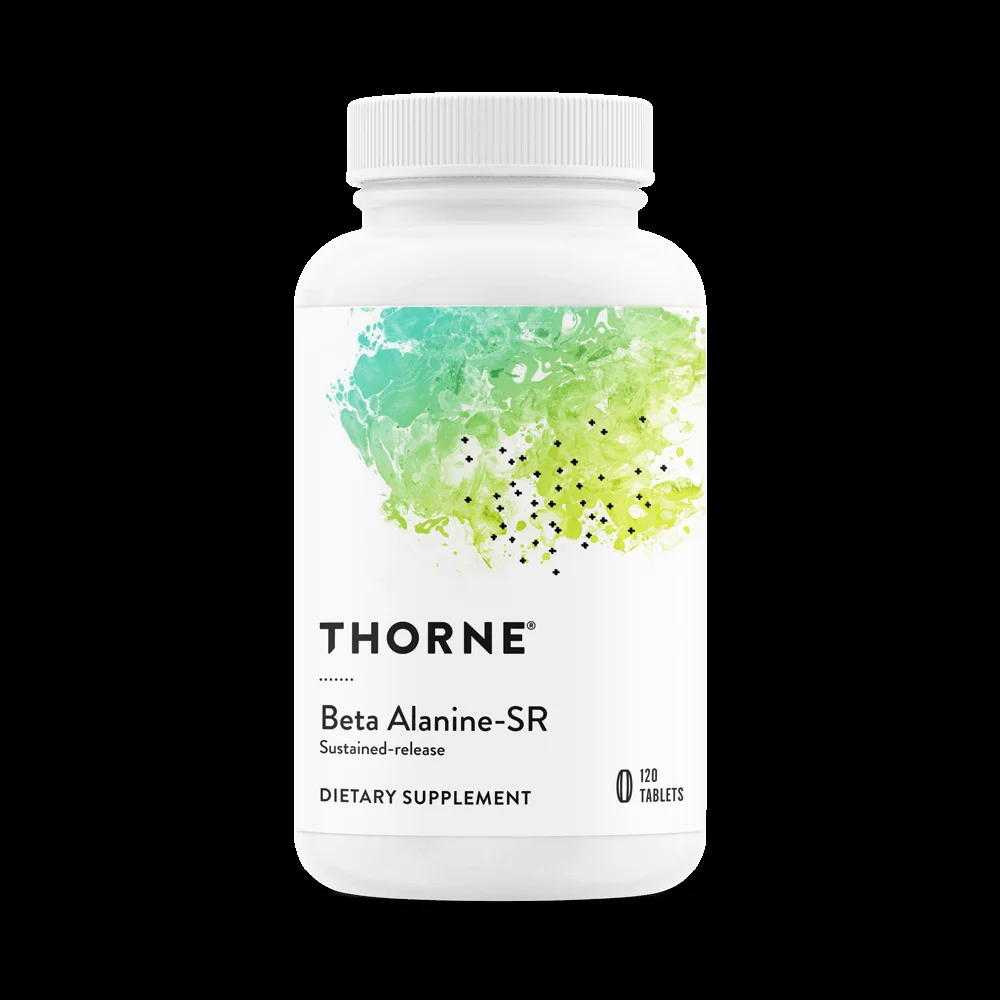
Caffeine — 3–6mg/kg Bodyweight (30 Min Before Training)
Caffeine is the most reliable acute performance enhancer we have. The mechanisms are well-understood: it blocks adenosine receptors (reducing perceived fatigue), increases catecholamine release (improving alertness and reaction time), and enhances calcium release in muscle fibers (directly improving force output).
Tolerance and dosing strategy: Caffeine tolerance is real and determines how much you need. If you’re a regular coffee drinker (3+ cups/day), your adenosine receptors have upregulated — you’ll need the higher end (5–6mg/kg) and even then the boost may be blunted. If you rarely consume caffeine, start low (2–3mg/kg). The performance benefits will be more pronounced, and you’ll avoid the jitters, anxiety, and GI distress that hit caffeine-naive people at full dose.
Will you build tolerance over time? Yes, but the speed depends on frequency. Daily caffeine use builds meaningful tolerance within 1–3 weeks. If you only use caffeine 3–4 times per week for training, tolerance builds more slowly. To maintain sensitivity long-term, consider cycling off caffeine entirely for 7–14 days every 2–3 months. The withdrawal is unpleasant (headaches and fatigue for 2–5 days), but resensitization is rapid and the ergogenic effects come back stronger. If you don’t drink coffee or tea at all, you likely won’t need to cycle — your baseline sensitivity stays high as long as you’re only using caffeine a few times per week pre-training.
For more on caffeine and supplement interactions, see our supplement timing guide. For the full sleep protocol, see our sleep supplement guide.
Optional Additions (Emerging Evidence)
Beetroot Powder / Dietary Nitrate — 400mg Nitrate (60–90 Min Before)
Dietary nitrate from beetroot converts to nitric oxide via a different pathway than citrulline, improving oxygen efficiency during aerobic exercise. A 2017 systematic review in Nutrients found consistent improvements in time-trial performance and time to exhaustion in endurance activities. Moderate evidence Less relevant for pure strength training, but a solid addition if your training includes significant cardio or conditioning work.
Alpha-GPC — 300–600mg (30 Min Before)
A choline source that may increase acetylcholine availability and acute growth hormone output. A 2008 study in the Journal of the International Society of Sports Nutrition found 600mg Alpha-GPC increased bench press power output by 14%. Emerging evidence The evidence is promising but limited to a handful of small studies. Consider it experimental rather than foundational.
What to Skip (and Why)
L-Arginine
As mentioned above, oral arginine gets destroyed in first-pass liver metabolism. Citrulline is the objectively better route to raising arginine levels. Arginine in a pre-workout is filler, not function.
Proprietary “Pump” and “Focus” Blends
Ingredients like agmatine sulfate, huperzine A, and various plant extracts with aggressive marketing names (“NeuroDrive Complex”) either lack clinical evidence at the doses used in commercial products or have evidence so preliminary that recommending them is premature. If you can’t find the ingredient studied at that dose in a peer-reviewed journal, it’s marketing. Our label reading guide covers how to spot this pattern.
Why Building Your Own Is Better
- You control the doses. Most commercial pre-workouts contain 1–2g of citrulline when the clinical dose is 6–8g. They include 1.5g of creatine when you need 5g. They’re selling you label decoration at clinical price points.
- You skip the junk. No artificial dyes (Red 40, Blue 1), no sucralose, no mysterious proprietary blends. Just the active ingredients.
- It’s cheaper. Individual bulk ingredients cost roughly $0.30–$0.60 per workout at full clinical doses. A name-brand pre-workout runs $1.50–$2.50 per scoop at sub-clinical doses. You’re paying more for less.
- You can customize. Train in the evening? Skip the caffeine. Already take creatine separately? Leave it out. Building your own means every ingredient is there for a reason.
The Protocol: Putting It All Together
The Protocol: Full Stack at a Glance (Timing Table)
Here's your complete pre-workout supplement protocol in one reference table. Screenshot it, print it, save it to your phone — this is the "just tell me what to do" version of everything covered above.
| Ingredient | Dose | When to Take | Rest Days? | ~Cost/Dose |
|---|---|---|---|---|
| Creatine Monohydrate | 5 g | Any time (chronic loading) | Yes — daily | $0.05–$0.10 |
| L-Citrulline | 6–8 g | 30–60 min pre-training | No | $0.15–$0.25 |
| Beta-Alanine | 3.2–6.4 g | Any time (chronic loading) | Yes — daily | $0.08–$0.15 |
| Caffeine | 3–6 mg/kg BW | 30 min pre-training | No (or at baseline intake) | $0.02–$0.08 |
Total cost per training day: roughly $0.30–$0.58. On rest days you're only taking creatine and beta-alanine, so about $0.13–$0.25. Compare that to $1.50–$2.50 per scoop for a branded pre-workout that likely underdoses at least two of these ingredients.
If you train in the evening and need to protect sleep, drop the caffeine entirely. The remaining three ingredients carry independent, well-documented benefits — you're not gutting the protocol, you're just removing the stimulant. Our sleep supplement guide covers how to manage that tradeoff.
Who Should NOT Use This Stack (Contraindications)
Pre-workout supplement contraindications exist for good reason — several ingredients in this protocol interact with medical conditions and medications in ways that go beyond "check with your doctor" boilerplate. If you fall into any of these categories, you need to modify or skip specific components entirely.
Pregnant or Nursing Women
The American College of Obstetricians and Gynecologists recommends capping caffeine at 200mg/day during pregnancy. The performance doses in this protocol (210–420mg) exceed that ceiling outright. Beyond caffeine, safety data for supplemental L-citrulline, beta-alanine, and beetroot extract during pregnancy and lactation is essentially nonexistent — not "probably fine," but unstudied. Consult your OB-GYN before using any component of this stack.
People on Antihypertensives or Nitrates
Both citrulline and beetroot powder lower blood pressure through nitric oxide–mediated vasodilation. If you're taking ACE inhibitors, ARBs, calcium channel blockers, or especially nitrate medications (nitroglycerin, isosorbide), stacking additional NO precursors risks symptomatic hypotension — dizziness, fainting, or worse. Talk to your prescribing physician before adding either ingredient. This is not theoretical; the vasodilatory mechanisms are well-established. Strong evidence
Adolescents Under 18
None of the performance dosing in this protocol has been validated in minors. Caffeine at 3–6mg/kg poses cardiovascular and neurodevelopmental concerns in adolescents, and the long-term effects of chronic beta-alanine and citrulline supplementation in developing bodies are simply unknown. The full protocol is designed for healthy adults.
Anxiety Disorders
Caffeine is a well-documented anxiogenic at the doses discussed here. A 2022 review by Temple et al. in Frontiers in Psychiatry confirmed dose-dependent increases in anxiety symptoms, particularly in individuals with generalized anxiety or panic disorder. If you're on SSRIs, SNRIs, or benzodiazepines, adding 200–400mg of caffeine complicates the picture considerably. You can still use citrulline, creatine, and beta-alanine — just drop the caffeine or work with your provider on a tolerable dose.
If You Can Only Start With One Ingredient
If you can only start with one ingredient, make it creatine monohydrate. It has the largest effect size of any sports supplement ever studied, costs roughly $0.05–$0.10 per day at the full 5g dose, and requires zero timing precision — take it whenever you remember. Strong evidence A 2003 meta-analysis by Branch found creatine increased strength performance by roughly 8% and power output by 14% across 96 studies. No other legal supplement comes close to that magnitude.
Once creatine is locked in, add caffeine — but only if you tolerate it well. It's the strongest acute performance enhancer in this stack, and you already know if your body handles it (you drink coffee or you don't). A 200mg caffeine tablet costs less than a cent. If you're caffeine-sensitive or train at night, skip it entirely and move to step three.
Third priority: L-citrulline. The blood flow and endurance-to-failure benefits are meaningful, especially for higher-rep training. But at 6–8g per session, the powder goes faster and costs more than creatine. It's worth adding once your budget stabilizes.
Last: beta-alanine. The Hobson et al. (2012) meta-analysis showed a real but modest ~2.85% improvement in exercise capacity for efforts lasting 60–240 seconds. That's statistically significant but the smallest effect size of the four. It also takes 3–4 weeks of daily loading before you see anything. If you're on a tight budget, this is the one that can wait.
Kidney Disease, Creatine, and Renal Contraindications
Creatine and kidney disease is one of the most searched safety questions in sports nutrition — and for good reason. Creatine supplementation reliably raises serum creatinine levels by 20–30%, because creatinine is a direct metabolic byproduct of creatine breakdown in muscle. Serum creatinine is also the standard biomarker clinicians use to estimate kidney function (eGFR). This creates a diagnostic collision: your lab work may look like kidney impairment when your kidneys are actually fine.
In healthy adults, long-term creatine use at standard doses does not appear to impair renal function. A 2018 systematic review by de Souza e Silva et al. in the Journal of Renal Nutrition found no adverse effects on kidney function across studies lasting up to five years in individuals with normal baseline renal health. Strong evidence That said, the evidence base is almost entirely drawn from people with two functioning kidneys and no pre-existing renal pathology.
If you have chronic kidney disease (any stage), a single kidney, or a history of kidney stones, the calculus changes entirely. Creatine increases the metabolic load your kidneys must clear. Evidence in these populations is too limited to confirm safety, and nephrologists generally advise against supplementation as a precaution. A 2019 position statement from the National Kidney Foundation explicitly flagged creatine as a supplement warranting clinical discussion for anyone with compromised renal function.
For everyone else: get baseline blood work before you start, mention creatine use at every lab draw, and don't panic if your creatinine ticks up modestly. That's pharmacokinetics, not pathology. For more on integrating creatine into your protocol safely, see our creatine loading guide.
Total Daily Caffeine Intake: Adding It All Up
Your total daily caffeine intake matters more than your pre-workout dose in isolation. The 3–6 mg/kg recommendation above (210–420 mg for a 70 kg person) assumes that dose is essentially your only meaningful caffeine source for the day. For many people, it won't be.
An 8 oz cup of brewed coffee contains roughly 80–100 mg of caffeine. A large coffee-shop pour can hit 200–300 mg on its own. Black tea runs 40–70 mg per cup. An afternoon energy drink adds another 80–200 mg. If you drink two cups of coffee in the morning and then take 300 mg of caffeine before an afternoon session, you're already at 500–600 mg — and that's a conservative scenario.
To stay within that ceiling while still using caffeine as an ergogenic aid, you have two practical options. First, audit your background intake — track every caffeinated beverage for a few days and get an honest baseline number. Most people underestimate by 30–50%. Second, subtract that baseline from 400 mg to find your available pre-workout budget. If you drink 200 mg worth of coffee before noon, your pre-workout caffeine should cap at roughly 200 mg — not the 5–6 mg/kg dose suggested for high-tolerance users.
If the math leaves you with less than 2 mg/kg for training, the ergogenic benefit becomes marginal. At that point, you're better off either cycling off daily coffee for a resensitization period (see the caffeine tolerance section above) or dropping the pre-workout caffeine entirely. The remaining three ingredients in this protocol — creatine, citrulline, and beta-alanine — don't depend on caffeine to work. For more on managing caffeine around sleep, see our sleep supplement guide.
Creatine and Water Retention: What to Expect in the First Two Weeks
Creatine and water retention go hand in hand — and it's the number one reason people quit the most effective supplement in this protocol before it has a chance to work. Here's what's actually happening so you don't panic when the scale moves.
Creatine is an osmolyte. When your muscles accumulate it, water follows via osmotic gradient into the intracellular space. This isn't bloating and it isn't fat gain — it's your muscle cells becoming more hydrated. A 2003 study by Powers et al. in the Journal of Athletic Training measured a mean body mass increase of roughly 1.0–2.0 kg within the first 5–7 days of supplementation at 20g/day (loading) and similar gains over 2 weeks at the standard 5g/day dose. Strong evidence
This intracellular hydration is the intended mechanism, not a side effect. Cell swelling triggers anabolic signaling pathways — evidence suggests it upregulates protein synthesis and inhibits proteolysis (Häussinger et al., 1993). In practical terms, fuller muscle cells are stronger muscle cells. The "water weight" is doing something useful.
If you're tracking body composition, use waist measurements or skinfold calipers alongside the scale during weeks one and two. The scale alone will mislead you. And if you're cutting, don't reduce calories to "compensate" — the water is intramuscular and temporary in its rate of change, not a signal that your diet is off.
For more on the loading phase and how quickly saturation occurs, see our creatine loading guide.
What to Buy: Quality Standards and Trusted Vendors
Quality standards for pre-workout supplements matter more than most people realize. A 2018 study by Labdoor found that 52% of supplement products tested had measurable discrepancies between label claims and actual contents. Some contained contaminants — heavy metals, undeclared stimulants, or banned substances — that never appeared on the label. If you're a drug-tested athlete, a single contaminated batch can end your career. If you're not, you still deserve to know what you're swallowing.
Third-Party Certifications Worth Trusting
NSF Certified for Sport is the gold standard. Products bearing this mark are tested for over 270 banned substances, verified for label accuracy, and subject to unannounced facility audits. The NFL, MLB, and NCAA all recognize it. Informed Sport runs a similar program with batch-specific testing — every production run gets screened before release. Either certification dramatically reduces your contamination risk. Strong evidence
For creatine specifically, look for Creapure® — a pharmaceutical-grade creatine monohydrate manufactured by AlzChem in Germany. It's produced via chemical synthesis rather than extracted from animal byproducts, which means fewer impurities (specifically lower levels of creatinine, dicyandiamide, and dihydrotriazine). Most reputable bulk creatine brands source from Creapure and say so on the label.
Where to Actually Buy
For bulk individual ingredients at clinical doses, Nutricost, BulkSupplements, and NOW Sports consistently offer transparent labeling, third-party testing documentation, and reasonable pricing. Nutricost's creatine monohydrate is Creapure-sourced. NOW Sports carries NSF Certified for Sport options across several lines. All three are available on Amazon and direct.
Who Should Talk to a Doctor First
The four core ingredients in this protocol are well-studied in healthy adults, but several populations face specific risks that the general dosing guidance above doesn't cover. If any of the following apply to you, get clinical input before starting.
None of the above is medical advice. Bring your full supplement list — including what you're considering — to your next provider visit.
Frequently Asked Questions
Can I just buy a pre-workout that has these ingredients at the right doses?
You can, and some products do get the formulation right — full clinical doses, transparent labels, no proprietary blends. They exist, but they’re the minority. The key is checking that citrulline is at 6g+, creatine at 5g, and beta-alanine at 3.2g+. If any of those are missing or underdosed, you’re paying a premium for an incomplete product. Use the Formulate catalog to compare products by actual ingredient doses, not marketing claims.
Should I take pre-workout on rest days?
The chronic-loading ingredients (creatine and beta-alanine) should be taken daily, including rest days — they work through sustained tissue saturation. Citrulline and caffeine are acute-effect compounds and only need to be taken before training sessions. So on rest days, just take your creatine and beta-alanine whenever is convenient.
Is caffeine necessary, or can I skip it?
Caffeine provides the most noticeable acute performance boost, but it’s entirely optional. If you’re caffeine-sensitive, train late in the day, or simply prefer not to use stimulants, the other three ingredients carry their own independent benefits. You’re not “missing out” in any meaningful way — you’re just skipping the stimulant component.
How long does it take to notice the effects?
Caffeine and citrulline work acutely — you’ll feel caffeine within 30 minutes, and citrulline’s blood flow effects peak around 60 minutes. Creatine and beta-alanine require 3–4 weeks of daily loading before performance benefits emerge. If you “don’t feel anything” after one workout with creatine and beta-alanine, that’s expected — stay consistent.
Do I need a pre-workout supplement?
No. For most trainees, creatine, caffeine, and adequate carbs cover 90% of the performance benefit a pre-workout delivers. Dedicated pre-workouts add convenience and extras like beta-alanine and citrulline — useful but not essential. If you're new to lifting, a simple cup of coffee 30–60 minutes before training is a reasonable starting protocol.
How much caffeine is effective before training?
3–6 mg per kg of bodyweight, taken 30–60 minutes before training. That's roughly 200–400 mg for most adults. Above 6 mg/kg, side effects (jitters, GI distress, elevated heart rate) rise without additional performance benefit. Regular caffeine consumers may need the higher end of this range due to tolerance.
What does citrulline actually do?
L-citrulline raises plasma arginine, which supports nitric oxide production and vasodilation. Effective doses are 6–8g of L-citrulline or 8g of citrulline malate. Meta-analyses show small but measurable increases in reps-to-failure and reductions in perceived exertion. Most commercial pre-workouts underdose it — check for at least 6g per serving.
is pre-workout safe during pregnancy
The guide doesn't cover pregnancy or prenatal contraindications. This is a meaningful gap: the caffeine doses recommended here (3–6mg/kg, or 210–420mg for a 70kg person) far exceed the 200mg/day ceiling widely cited for pregnancy. Do not follow this protocol while pregnant without explicit medical clearance. Consult your OB or midwife before using any pre-workout supplement, including individual ingredients like caffeine and creatine.
does creatine cause hair loss
The guide doesn't address this concern. The hypothesis comes from a single 2009 study showing creatine supplementation raised DHT (a hormone linked to androgenic hair loss) in rugby players — but no study has directly measured creatine's effect on hair loss. Current evidence is insufficient to confirm a causal link. If you have a personal or family history of androgenic alopecia and are concerned, discuss creatine use with a dermatologist or physician before starting.
pre-workout supplement interactions with SSRIs / antidepressants
The guide doesn't cover drug interactions. This is a real concern: caffeine interacts with MAOIs (a class of antidepressants) and can potentiate cardiovascular side effects. High-dose citrulline may amplify the blood-pressure-lowering effects of certain medications, including PDE5 inhibitors. If you take any prescription medication — including antidepressants — consult your prescribing physician or pharmacist before adding high-dose caffeine or citrulline to your routine.
best pre-workout for women
The guide's dosing examples use a 70kg reference, but the principles apply to any bodyweight — caffeine is dosed per kilogram, so a 60kg woman would use 180–360mg rather than 210–420mg. The guide doesn't address sex-specific differences in caffeine sensitivity or creatine response rates. Women tend to have smaller absolute muscle mass, which can affect creatine saturation timelines. The core stack (creatine, citrulline, beta-alanine, optional caffeine) has evidence across sexes; adjust all weight-based doses to your actual bodyweight.
how to mix creatine and citrulline together — do they interact
The guide doesn't address mixing compatibility directly. There is no known chemical interaction between creatine monohydrate, L-citrulline, and beta-alanine that would reduce their efficacy when combined in one shaker. Practically, creatine monohydrate dissolves best in warm water and may clump in cold liquid; citrulline and beta-alanine dissolve readily. Mixing all four ingredients in a single serving is standard practice and the guide explicitly recommends it for convenience — no special sequencing or separation is required.
citrulline malate vs L-citrulline which to buy
Buy whichever form delivers 6–8g of actual citrulline at the lowest cost per dose. The guide explains the math clearly: citrulline malate (2:1) is roughly 67% citrulline by weight, so you need ~9–12g of the bonded form to match 6–8g of pure L-citrulline. Pure L-citrulline typically requires less powder per effective dose and is often cheaper per gram of active ingredient. Check the label math on any product before buying — the form matters less than hitting the clinical dose.
pre-workout without caffeine — does it actually work
Yes, with realistic expectations. The guide notes caffeine is optional, and the remaining three ingredients carry independent, well-documented benefits: creatine increases strength and power output, beta-alanine improves capacity in the 60–240 second effort range, and citrulline increased reps to failure by 52.9% in a key bench press study. You won't get the acute alertness or perceived-fatigue reduction that caffeine provides, but the structural performance benefits from a stimulant-free stack are real — they just require 3–4 weeks of consistent loading to fully emerge.
Build This Stack in Formulate
Add each ingredient to your stack in the Formulate app to track your doses, see evidence scores, and calculate your real per-day cost. The app scores every product on clinical dose alignment, label transparency, and third-party testing so you can compare brands objectively rather than by marketing.
Supplements that support this
Turn this into your stack
Answer two questions and we'll build an evidence-graded starter stack — every ingredient with its dose, timing, and interaction checks.
Free · no account needed to start
Interactions to know
How these pair with other supplements and medications
- Cautioncreatine+caffeine
Caffeine may blunt some creatine effects
- Synergycreatine+beta-alanine
Creatine and beta-alanine stack well for power + endurance
- Synergycreatine+hmb
HMB + creatine synergy for strength and lean mass
Check your full stack in the free interaction checker.
Read next
Beta-Alanine: Who It Helps, Dose, and the Tingling Explained
Beta-Alanine boosts performance in 1-4 minute efforts by raising muscle carnosine. Dose, split-strategy to avoid paresthesia, when it helps and when Creatine beats it.
Creatine for Women: The Complete Evidence-Based Guide (2026)
Women's creatine research through menopause, training, body composition, and mood. No bloating myths, no men's-magazine claims — just the evidence.
Creatine Loading Phase: Evidence-Based Guide 2026
Find out if creatine loading is worth it. We break down the saturation science, compare both protocols, and tell you which fits your timeline.
How exercise works — energy systems, aerobic vs. strength adaptation, and recovery.
Evidence-based supplement guides, no spam
We send a short digest when new guides drop — nothing else. No affiliate pushes, no sponsored content, unsubscribe anytime.