Taurine for Longevity: Clinical Evidence & Guide 2026
Taurine deficiency accelerates aging — a 2023 Science study showed 10–12% lifespan extension in mice. Explore dosing, cardiovascular benefits, and the energy drink paradox.
- Taurine is a calming compound, not a stimulant — despite its association with energy drinks
- A landmark 2023 Science study linked taurine deficiency to accelerated aging, with supplementation extending mouse lifespan by 10-12%
- Human blood taurine levels decline by ~80% between childhood and old age
- 1-3g daily for general health; 3-6g for longevity focus — with one of the cleanest safety profiles of any supplement
Taurine is an inhibitory neuromodulator — functionally closer to GABA than to caffeine — that emerged as a serious longevity compound after a 2023 study showed taurine supplementation extended mouse lifespan by 10–12%. Despite its reputation as an energy drink stimulant, taurine actually smooths out caffeine jitters rather than adding to them.
And in 2023, taurine went from “that thing in energy drinks” to one of the most talked-about molecules in longevity science, thanks to a landmark study that showed taurine-deficient mice aged faster and taurine supplementation extended their lifespan by 10–12%. Suddenly, the humble amino acid had a very different reputation.
What Taurine Actually Is
Taurine is the most abundant free amino acid in the human body. It’s found in high concentrations in the brain, heart, retina, skeletal muscle, and immune cells. Unlike most amino acids, taurine is not incorporated into proteins — it floats freely in tissues and performs a wide range of regulatory functions.
Your body synthesizes taurine from cysteine and methionine in the liver, but the rate of synthesis is limited and declines with age. Dietary sources include meat, fish, and shellfish — vegans and vegetarians have consistently lower plasma taurine levels, as documented by Laidlaw et al. (1988) in the American Journal of Clinical Nutrition. Moderate evidence
What does taurine actually do? The list is surprisingly long:
- Bile acid conjugation: taurine pairs with bile acids to form taurocholic acid, which is essential for fat digestion and cholesterol metabolism.
- Cell membrane stabilization: taurine acts as an osmolyte, regulating cell volume and protecting against osmotic stress. This is why it’s concentrated in tissues with high electrical activity (brain, heart, retina).
- Antioxidant defense: taurine doesn’t scavenge free radicals directly like vitamin C, but it stabilizes mitochondrial membranes and reduces oxidative damage at the source — arguably a more effective strategy.
- Calcium signaling: taurine modulates intracellular calcium, which influences muscle contraction, heart rhythm, and neurotransmitter release.
- Osmoregulation: taurine helps cells maintain proper fluid balance, which is critical during exercise, dehydration, and temperature extremes.
The Longevity Bombshell: Singh et al. (2023)
This wasn’t a small pilot study or an in-vitro experiment — it was a massive, multi-species investigation that made a bold claim: taurine deficiency doesn’t just correlate with aging, it drives it.
The key findings:
- Blood taurine levels decline significantly with age in mice, monkeys, and humans. By age 60, human taurine levels are roughly one-third of what they were at age 5.
- Taurine supplementation in middle-aged mice increased median lifespan by 10–12% and improved healthspan markers including bone density, muscle strength, immune function, and glucose tolerance.
- In monkeys, taurine supplementation improved body weight, bone density, fasting glucose, and markers of liver and immune function.
- Taurine-deficient mice showed accelerated hallmarks of aging: increased DNA damage, telomere shortening, impaired mitochondrial function, cellular senescence, and chronic inflammation.
But the breadth of the study — spanning multiple species, multiple aging hallmarks, and multiple organ systems — is why it generated so much attention. It’s one of the strongest pieces of evidence linking any single nutrient to the aging process.
If you’re building a longevity-focused supplement regimen, taurine now has a legitimate place in the conversation alongside better-known candidates. Our beginner longevity stack guide covers how to prioritize and layer these interventions.
Cardiovascular Evidence
Taurine’s cardiovascular benefits have the most robust human evidence outside of the longevity data. A 2018 meta-analysis by Waldron et al. published in Sports Medicine reviewed 17 studies and found that taurine supplementation significantly reduced systolic and diastolic blood pressure, with effects comparable to some first-line antihypertensive medications at doses of 1–6g per day.
The mechanism appears to involve multiple pathways: taurine increases nitric oxide production (improving endothelial function and vasodilation), reduces angiotensin II signaling (lowering vascular resistance), and has anti-inflammatory effects on blood vessel walls. A 2012 study by Sun et al. in the Journal of Biomedical Science demonstrated that taurine supplementation at 1.6g/day for 12 weeks improved arterial stiffness and endothelial function in young overweight adults. Moderate evidence
For anyone managing blood pressure or concerned about cardiovascular health, taurine at 1–3g daily is one of the better-supported natural interventions — with a safety profile that makes it easy to justify adding to an existing regimen.
Exercise Performance
The same Waldron et al. (2018) meta-analysis also examined taurine’s effects on exercise, analyzing 10 studies on endurance and time-to-exhaustion protocols. The findings: taurine supplementation at 1–6g doses, taken 1–3 hours before exercise, significantly improved endurance performance. The proposed mechanisms include enhanced fat oxidation during exercise, improved calcium handling in skeletal muscle (leading to stronger contractions), and reduced exercise-induced oxidative damage.
A 2013 study by Zhang et al. in Amino Acids found that 1g of taurine taken 2 hours before a time trial improved 3km running performance by approximately 1.7% in trained athletes — a meaningful margin in competitive contexts. If you’re already optimizing your pre-workout protocol, taurine slots in naturally alongside caffeine, creatine, and citrulline.
Interestingly, taurine may also counteract some of caffeine’s negative effects. While caffeine stimulates the nervous system, taurine modulates it — potentially smoothing out the jitteriness and anxiety that high caffeine doses can cause. This may explain why energy drink formulations include both, even if the original rationale was more marketing than science.
Taurine Levels Decline With Age
One of the most compelling arguments for taurine supplementation isn’t any single study — it’s the consistent observation that taurine levels drop dramatically as we age. The Singh et al. data showed that human blood taurine concentrations decline by roughly 80% between childhood and old age. This decline parallels the age-related reduction in many of the functions taurine supports: mitochondrial efficiency, immune competence, cardiovascular resilience, and muscle mass.
Whether this decline is a cause of aging (as Singh et al. argue) or a consequence of it remains an open question. But the argument for maintaining youthful taurine levels through supplementation — especially given taurine’s exceptional safety profile — is stronger than for most anti-aging supplements on the market.
Dosing, Forms, and Practical Advice
- General health dose: 1–3g per day. This range covers cardiovascular benefits, antioxidant support, and basic replenishment of declining levels.
- Exercise performance dose: 1–3g taken 1–3 hours before training. Can be combined with your existing pre-workout stack.
- Longevity-oriented dose: 3–6g per day, based on allometric scaling from the Singh et al. mouse data. Split into 2–3 doses throughout the day.
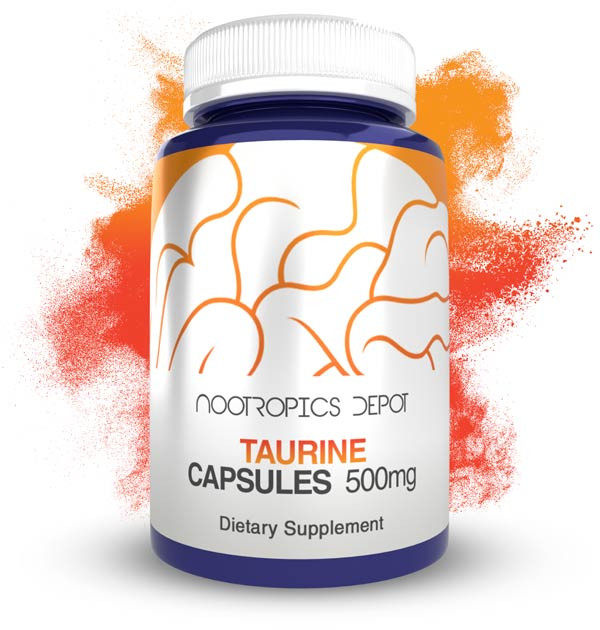
- Form: taurine is sold as a standalone powder or capsule. The powder is unflavored and dissolves easily in water, making it one of the most convenient supplements to take. Capsules work fine but you’ll need multiple pills to reach higher doses.
- Timing: taurine is water-soluble and absorbs well with or without food. For exercise, take it 1–3 hours before training. For general health, timing doesn’t matter much — consistency matters more. See our supplement timing guide for how to fit taurine into a broader daily schedule.
Magnesium Taurate: A Two-for-One Option
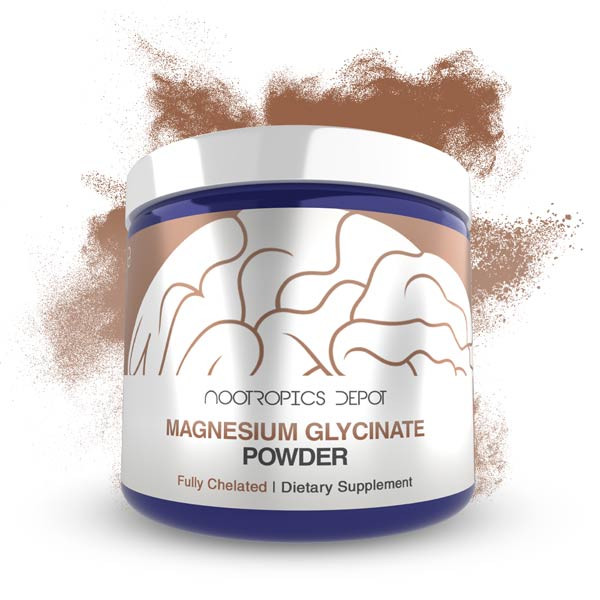
If you’re already supplementing magnesium (and given that roughly half of Americans are deficient, you probably should be), consider magnesium taurate — a chelated form where magnesium is bonded to taurine. You get both minerals in a single supplement, with the added benefit that the taurine component may support cardiovascular function independently of the magnesium.
A 2018 study by McCarty in Medical Hypotheses proposed that magnesium taurate may be particularly beneficial for cardiovascular health because both magnesium and taurine independently support endothelial function, blood pressure regulation, and anti-inflammatory pathways. The synergy is logical, though head-to-head trials comparing magnesium taurate to other magnesium forms are still limited. Emerging evidence
For a deeper dive on choosing between magnesium forms, see our magnesium supplement roundup.
Safety: Remarkably Clean
Taurine has one of the best safety profiles of any supplement on the market. The European Food Safety Authority (EFSA) reviewed taurine safety in 2012 and concluded that supplemental taurine up to 6g per day showed no adverse effects in clinical studies. A 2008 review by Shao & Hathcock in Regulatory Toxicology and Pharmacology established an Observed Safe Level (OSL) of 3g per day based on the available clinical trial data at the time, with no identified upper limit of toxicity. Strong evidence
Side effects at normal supplemental doses (1–6g) are essentially nonexistent in the published literature. No significant drug interactions have been identified. The most commonly reported “side effect” is mild GI discomfort at very high doses on an empty stomach, easily avoided by taking taurine with food or splitting the dose.
This safety profile is one of taurine’s strongest practical arguments. Many supplements with promising evidence carry meaningful side effect risks or drug interactions. Taurine doesn’t. The downside risk is essentially zero, which changes the cost-benefit calculation considerably.
Who Benefits Most
- Adults over 40: taurine levels decline significantly with age, and the age-related drop correlates with declining cardiovascular, immune, and mitochondrial function. Supplementation helps maintain levels your body can no longer produce adequately on its own.
- Vegans and vegetarians: taurine is found almost exclusively in animal products. Plant-based eaters have measurably lower plasma taurine and stand to benefit most from supplementation.
- Endurance athletes: the exercise performance data is most compelling for endurance activities — running, cycling, swimming — where taurine’s effects on fat oxidation and calcium handling translate to measurable improvements.
- Anyone managing blood pressure: the cardiovascular evidence is strong enough that taurine at 1–3g daily is a reasonable addition to a blood pressure management strategy (alongside, not replacing, medication if prescribed).
- Longevity-focused individuals: if you’re already taking NAD+ precursors, omega-3s, or other longevity-oriented supplements, taurine’s evidence base and safety profile make it an easy addition to the stack.
How Much Taurine Is in Food? (And Do You Actually Need to Supplement?)
Taurine in food varies dramatically depending on your protein sources. Shellfish and dark-meat fish top the list, while plant foods contain essentially zero. Here's what common servings actually deliver:
| Food | Serving Size | Taurine (mg) |
|---|---|---|
| Scallops | 100g (3.5 oz) | ~827 |
| Mussels | 100g (3.5 oz) | ~655 |
| Clams | 100g (3.5 oz) | ~520 |
| Dark-meat turkey | 100g (3.5 oz) | ~306 |
| Beef | 100g (3.5 oz) | ~36–77 |
| Chicken (dark meat) | 100g (3.5 oz) | ~170 |
| Chicken (breast) | 100g (3.5 oz) | ~18 |
| Salmon | 100g (3.5 oz) | ~94 |
| Tuna | 100g (3.5 oz) | ~70 |
Data drawn primarily from Laidlaw et al. (1988) and the Pasantes-Morales (2023) review of taurine content in animal tissues. Cooking reduces taurine content modestly — roughly 10–20% depending on method — so these are approximate values for prepared food.
If you're an omnivore eating seafood two to three times per week with regular meat intake, you're likely getting 200–400mg of taurine daily from diet alone. That's enough to prevent outright deficiency, but it falls well short of the 1,000–3,000mg range associated with cardiovascular and general health benefits in clinical studies — and far below the 3–6g longevity-oriented dose scaled from Singh et al. (2023).
If you're vegan or vegetarian, your dietary taurine intake is effectively zero. Laidlaw et al. (1988) confirmed that vegans have significantly lower plasma taurine than omnivores. Your body does synthesize taurine from cysteine and methionine, but endogenous production is limited — especially as you age.
The math is straightforward: even the most taurine-rich diet rarely exceeds 500mg/day, and the evidence-backed target for health benefits starts at 1,000mg. For most people — and virtually all plant-based eaters — the gap between food and effective dose makes supplementing taurine a practical necessity, not a luxury.
Taurine and Medications: What to Know Before You Start
Taurine and medications deserve more careful discussion than most supplement guides provide. Taurine's safety profile in healthy adults is genuinely impressive — but "healthy adults not taking medications" describes a shrinking percentage of the population, especially over 40. If you take prescription drugs, here's what actually matters.
Blood Pressure Medications
The Waldron et al. (2018) meta-analysis confirmed that taurine at 1–6g/day meaningfully lowers both systolic and diastolic blood pressure. If you're already on ACE inhibitors, ARBs, calcium channel blockers, or diuretics, the effect is additive — not dangerous per se, but enough to cause symptomatic hypotension (dizziness, lightheadedness) if your medication dose isn't adjusted. Inform your prescriber and monitor your blood pressure at home for the first few weeks.
Diabetes Medications
Singh et al. (2023) documented improved fasting glucose in taurine-supplemented monkeys, and smaller human studies suggest taurine enhances insulin sensitivity. That's beneficial in isolation — but stacked on top of metformin, sulfonylureas, or exogenous insulin, the theoretical risk of hypoglycemia increases. Emerging evidence The evidence here is less direct than for blood pressure, but the consequence of getting it wrong is acute. Check with your provider.
Psychiatric Medications
Taurine acts as an inhibitory neuromodulator with GABAergic activity. If you take benzodiazepines, lithium, anticonvulsants, or other neuropsychiatric medications that modulate GABA or calcium signaling, adding a GABAergic compound at multi-gram doses warrants a conversation with your prescriber — even if direct interaction data is sparse. Emerging evidence Absence of evidence isn't evidence of absence.
Kidney Disease
Taurine is cleared renally. Healthy kidneys handle supplemental doses without issue, but impaired renal function alters excretion kinetics in ways that haven't been well-studied for taurine specifically. If you have CKD at any stage, talk to your nephrologist before supplementing.
What the Singh et al. Study Actually Proves (And What It Doesn't)
The Singh et al. (2023) paper is genuinely impressive in scope — multi-species, multi-organ, multi-biomarker. But impressive scope doesn't mean the longevity headline translates directly to humans. Before you dose taurine expecting extra decades, you need an honest look at what this study can and can't tell us.
What IS Well-Supported
The correlation between declining taurine levels and aging biomarkers is real and consistent across mice, monkeys, and humans. Moderate evidence That age-related decline — roughly 80% between childhood and old age — tracks with deterioration in mitochondrial function, immune competence, and cardiovascular health. Whether taurine deficiency drives aging or merely accompanies it remains unresolved, but the pattern is robust enough to take seriously.
The honest framing: taurine has stronger mechanistic and animal evidence than most longevity supplements, a validated age-related decline, and a near-zero risk profile. That's a reasonable basis for supplementation. It is not a basis for claiming it will extend your lifespan. If you're building a longevity-focused stack, our beginner longevity stack guide covers how to weigh this kind of evidence against alternatives.
Taurine for Pregnant and Breastfeeding Women
Taurine is considered conditionally essential during fetal and neonatal development. The fetus cannot synthesize adequate taurine on its own, relying instead on placental transfer from the mother. After birth, breast milk provides a concentrated supply — human colostrum contains roughly 30–50 mg/dL of taurine (Sturman, 1993), and infant formula manufacturers add synthetic taurine specifically because its absence was linked to retinal and neurodevelopmental concerns in preterm infants during the 1980s.
This biological importance doesn't translate into a green light for supplementation. No human randomized controlled trial has tested supplemental taurine in pregnant or breastfeeding women at doses above normal dietary intake. Emerging evidence The animal data is suggestive — taurine deficiency in pregnant cats and primates led to offspring with visual and neurological impairments (Sturman, 1988) — but animal models of fetal nutrition don't reliably predict human outcomes or safe dosing thresholds.
Dietary taurine from food sources like meat, fish, and shellfish is generally considered safe during pregnancy and is part of a normal omnivorous diet. The question mark surrounds supplemental doses — particularly the 1–6g range discussed elsewhere in this guide — where no pregnancy-specific safety data exists.
Who Should Talk to a Doctor First
Taurine's safety profile is well-documented in healthy adults at doses up to 6g/day. But "healthy adults" is doing a lot of work in that sentence. Several populations need clinical input before adding taurine — particularly because the guide's own evidence highlights blood pressure, glucose, and neuromodulatory effects that interact with common medications.
None of the above is medical advice. Bring your full supplement list — including what you're considering — to your next provider visit.
Frequently Asked Questions
Does taurine give you energy like caffeine?
No. Despite its association with energy drinks, taurine is not a stimulant. It’s actually an inhibitory neuromodulator — functionally closer to a calming compound than an energizing one. The “energy” in energy drinks comes from caffeine and sugar. Taurine may support cellular energy production at the mitochondrial level over time, but you won’t feel a buzz or a jolt from taking it. If anything, some people report feeling slightly calmer.
Can I get enough taurine from energy drinks?
A standard Red Bull contains about 1,000mg of taurine — which is actually within the effective supplemental range. But you’re also getting 80mg of caffeine, 27g of sugar (in the regular version), and paying $3+ per can. A standalone taurine supplement delivers the same 1,000mg for roughly $0.05–$0.10 per serving, without the sugar, caffeine, or cost. If you’re taking taurine for health benefits, energy drinks are the most expensive and counterproductive delivery vehicle available.
Is taurine safe to take with other supplements?
Yes. Taurine has no known significant interactions with common supplements. It pairs well with magnesium (as discussed above),omega-3 fatty acids, and pre-workout ingredients like caffeine, creatine, and citrulline. The one theoretical consideration: if you’re taking blood pressure medication, the additive blood-pressure-lowering effect of taurine is worth mentioning to your doctor — not because it’s dangerous, but because your medication dose might need adjustment.
How long does it take to notice benefits from taurine?
Exercise performance benefits can be acute — a single dose 1–3 hours before training has been shown to improve endurance in studies. Cardiovascular benefits (blood pressure reduction, endothelial function) typically take 2–4 weeks of consistent daily dosing to become measurable. Longevity benefits, by their nature, are not something you’ll “feel” — they’re about maintaining cellular function over years and decades. Take taurine for the documented, measurable benefits; any subjective improvements in energy or well-being are a bonus, not the primary endpoint.
Is taurine the same as caffeine?
No. Taurine is a sulfur-containing amino acid with no stimulant effect on its own — it often appears alongside caffeine in energy drinks but acts very differently. Taurine itself is mildly calming and is studied for cardiovascular and metabolic effects, not stimulation.
Does the lifespan research on taurine apply to humans?
The 2023 mouse study showing 10–12% lifespan extension with taurine got major press, but human data is much thinner. The paper's human cohort data was correlational, not causal. Taurine is safe at 1–3g/day and has modest evidence for cardiovascular markers, but claims of human longevity extension are speculative.
How much taurine should I take?
1–3g per day is the range most research uses. Higher doses (up to 6g) have been tested for specific conditions without clear harm. Taurine has an excellent safety profile even at high doses. Take with or without food — absorption is not strongly food-dependent.
does taurine affect kidney function or is it safe with kidney disease
The guide doesn't cover this directly. Taurine is renally excreted, which is relevant for anyone with chronic kidney disease (CKD) or impaired kidney function — conditions that alter amino acid metabolism and excretion. The guide's 'essentially zero downside risk' characterization applies to healthy adults in the reviewed clinical trials, not to populations with renal impairment. If you have CKD or any kidney condition, consult a nephrologist before supplementing.
can I take taurine while pregnant or breastfeeding
The guide doesn't address pregnancy or breastfeeding. This is a meaningful gap — taurine is naturally present in breast milk and added to infant formula, suggesting physiological relevance during these periods, but the guide provides no guidance on supplemental doses for pregnant or nursing individuals. Given the YMYL stakes, consult your OB or midwife before adding taurine supplementation during pregnancy or lactation.
taurine and diabetes — does it affect blood sugar
The guide notes that taurine supplementation improved glucose tolerance in mice and monkeys in the Singh et al. (2023) study — a potential benefit for metabolic health. However, the guide doesn't address implications for people with type 2 diabetes on medication. If you take metformin, insulin, or other glucose-lowering drugs, an additive blood-sugar-lowering effect is plausible. Discuss with your physician before supplementing, as medication adjustments may be warranted.
what should I look for when buying a taurine supplement
The guide recommends standalone taurine powder or capsules but names no brands. When evaluating products, prioritize third-party testing certifications — NSF Certified for Sport, Informed Sport, or USP verification — which confirm label accuracy and screen for contaminants. Taurine powder is unflavored, inexpensive (roughly $0.05–$0.10 per gram), and widely available as a single-ingredient product, making it straightforward to source without proprietary blends that obscure actual dosing.
can children take taurine supplements
The guide doesn't address supplementation in children or teenagers. It does note that taurine levels are highest in childhood and decline with age — suggesting children are not deficient under normal circumstances. The guide's dosing and safety data apply to adults. Separately, taurine is present in energy drinks heavily marketed near teens; those products carry caffeine and sugar risks the guide explicitly flags. Consult a pediatrician before giving taurine supplements to anyone under 18.
taurine vs. glycine for longevity — which is better
The guide doesn't compare taurine to glycine. Both amino acids have attracted longevity interest from recent research, and the comparison is common in longevity communities, but the guide focuses exclusively on taurine. It would be speculative to rank them based on this content alone. If you're building a longevity stack, consult primary literature on glycine separately — the guide's longevity case for taurine rests specifically on the Singh et al. (2023) Science study.
how much taurine is in food — can I get enough from diet alone
The guide confirms that meat, fish, and shellfish are the primary dietary sources and that vegans and vegetarians have measurably lower plasma taurine levels, but it doesn't quantify food amounts. Without those figures, it's difficult to assess whether diet alone is sufficient. What the guide does establish: taurine levels decline roughly 80% between childhood and old age regardless of diet, and the supplemental doses with documented benefits (1–6g/day) likely exceed what most omnivores consume through food.
The Bottom Line
Taurine went from overlooked energy drink ingredient to serious longevity candidate in the span of a single Science publication. The 2023 Singh et al. study doesn’t prove taurine will extend human lifespan — no supplement study can make that claim yet — but it provides the strongest mechanistic and animal evidence linking any single nutrient to the fundamental drivers of aging.
Combine that with solid human evidence for cardiovascular benefits, exercise performance improvements, an age-related decline that supplementation can reverse, and one of the cleanest safety profiles in the supplement world, and taurine earns its spot in a thoughtful supplement stack. Start at 1–3g daily. It’s cheap, it dissolves in water, and the downside risk is essentially zero. That’s a rare combination.
Supplements that support this
Turn this into your stack
Answer two questions and we'll build an evidence-graded starter stack — every ingredient with its dose, timing, and interaction checks.
Free · no account needed to start
Interactions to know
How these pair with other supplements and medications
Check your full stack in the free interaction checker.
Read next
Longevity Supplement Stack for Beginners 2026
Learn which longevity supplements are actually backed by human evidence. We tier NAD+, omega-3s, and more by clinical strength — no hype, no wasted money.
Berberine 2026: Blood Sugar Benefits, Clinical Evidence
Learn how berberine activates AMPK, matches metformin in 3 clinical trials, cuts triglycerides 35%, and who actually benefits — dosing and drug interactions included.
Best Supplement Tracker Apps 2026, Compared Honestly
We compare Formulate, SuppCo, Examine, ConsumerLab, Labdoor, Cronometer & biomarker platforms by the job each one does best — scoring, logging, lab-testing, or blood panels. No sponsorships.
How exercise works — energy systems, aerobic vs. strength adaptation, and recovery.
Evidence-based supplement guides, no spam
We send a short digest when new guides drop — nothing else. No affiliate pushes, no sponsored content, unsubscribe anytime.