Best Creatine Supplements 2026, Ranked by Evidence
What actually matters in a creatine supplement — dose, form, purity and testing — and the top-scored monohydrate products in our catalog right now.
- Creatine monohydrate is the only form backed by 500+ studies — every alternative is marketing
- You need 3–5g per day (powder format) — most capsule products are underdosed
- Look for Creapure sourcing and NSF/Informed Sport certification
- Creatine works through daily saturation — timing doesn't matter, consistency does
The best creatine supplement is plain creatine monohydrate — the most-studied sports supplement in human history, effective at roughly three cents per serving. Fancy variations like HCl, buffered alkalyn, and “rapid uptake” micronized formulas offer no clinical advantage; every one is marketing wrapped around the same molecule.
The Only Form That Matters: Creatine Monohydrate
Let’s get this out of the way immediately. Creatine monohydrate is the only form backed by a serious evidence base. Over 500 peer-reviewed studies — including a landmark 2017 position stand by the International Society of Sports Nutrition (Kreider et al.) — confirm its benefits for strength, power output, lean mass, and even cognitive function. Every other form (HCl, ethyl ester, buffered, liquid) is riding on monohydrate’s coattails.
What Actually Matters When Choosing Creatine
Since the molecule is the same across products, your decision comes down to a few practical factors. Here’s what to look for — and what to ignore.
1. The Dose Has to Be Right: 3–5 Grams Per Serving
The clinical literature consistently uses 3–5g daily for maintenance. This is the dose that saturates your muscles over about four weeks and maintains intracellular creatine stores. Products that deliver less than 3g per serving are underdosed — and this is shockingly common in capsule formats.
If you want to learn more about decoding what’s actually in your supplement, our guide to reading supplement labels breaks it down.
2. Creapure® Sourcing Is a Quality Signal
Creapure is creatine monohydrate manufactured by AlzChem in Germany under strict pharmaceutical-grade purity standards. Independent testing consistently shows Creapure products have fewer impurities (creatinine, dicyandiamide, dihydrotriazine) than generic Chinese-sourced creatine. Is it required? No. Is it a reliable marker of a manufacturer that cares about quality? Yes.
3. Third-Party Testing: NSF or Informed Sport
NSF Certified for Sport and Informed Sport are the two certifications that actually mean something. They test for banned substances, heavy metals, and label accuracy. If you’re a competitive athlete, these are non-negotiable. If you’re not, they’re still a strong signal that the company invests in quality control.
4. Nothing Else Should Be in There
Creatine monohydrate is a white, slightly gritty powder that dissolves in water. It doesn’t need artificial flavors, sweeteners, “absorption enhancers,” or proprietary blends. Every added ingredient is either increasing the cost or masking inferior creatine. The cleanest products have one ingredient on the label.
Brands Worth Considering
Rather than pretending we’ve ranked every creatine on the market, here are a few products that consistently check all the boxes above — clinical dose, monohydrate, third-party tested, clean label.
| Product | Score | Form | Dose | Certifications | Price/serving |
|---|---|---|---|---|---|
| ThorneCreatine Monohydrate | 98 | Monohydrate (Creapure) | 5g | NSF Sport | ~$0.60 |
| Nootropics DepotCreatine Monohydrate | 96 | — | — | — | — |
Scores are from Formulate’s 6-pillar methodology. Tap a product for the full score breakdown.
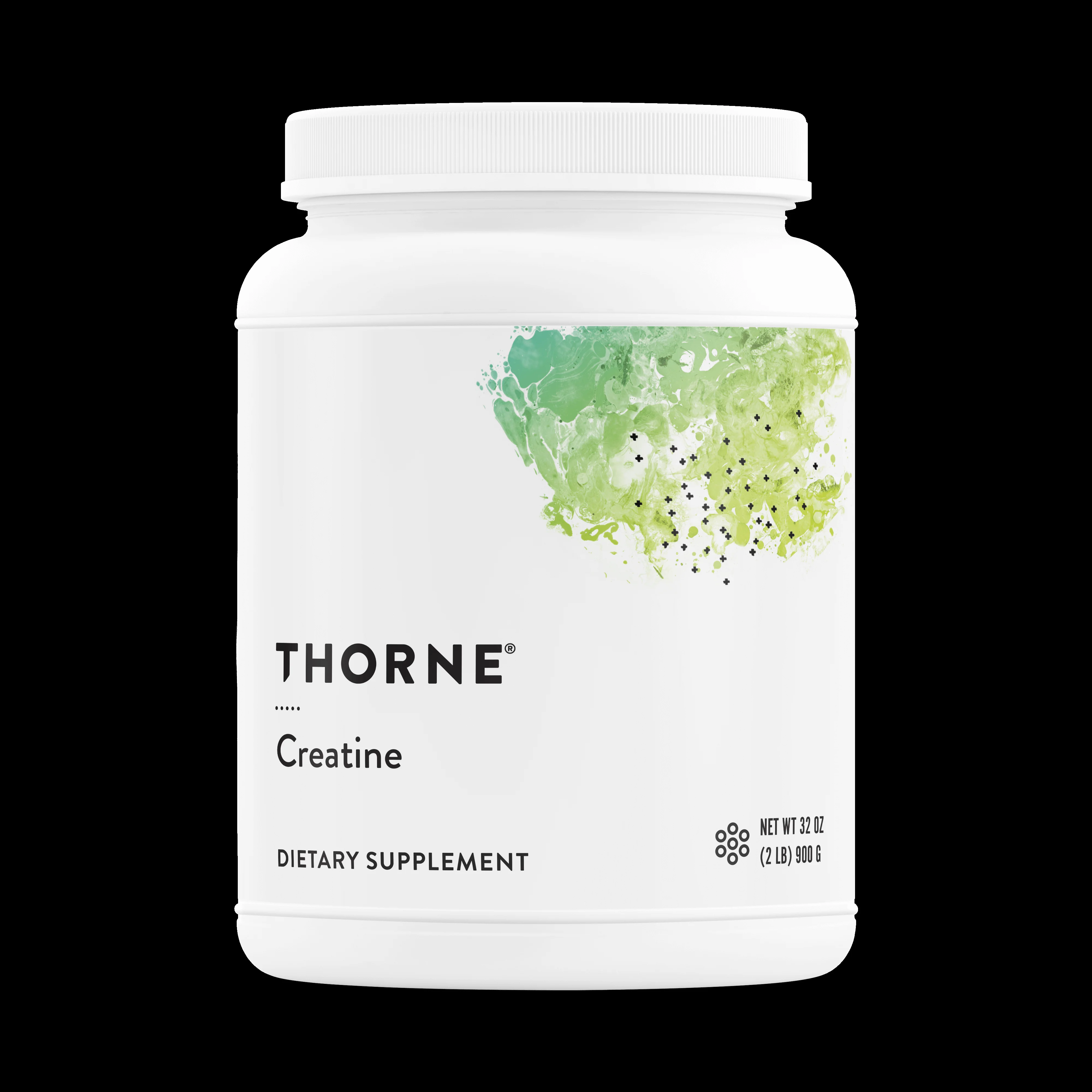
Thorne Creatine uses Creapure monohydrate at a full 5g dose, carries NSF Certified for Sport, and has no unnecessary fillers. It’s the supplement equivalent of buying a Honda Civic: not flashy, just reliable.
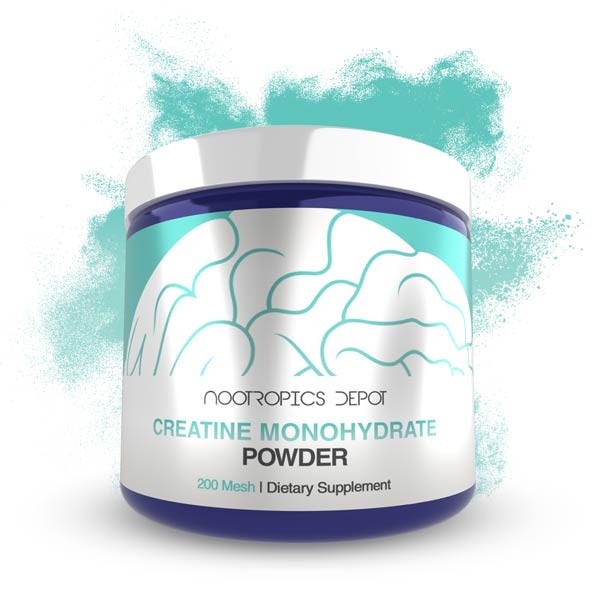
Nootropics Depot Creatine is another excellent option — pure monohydrate powder at clinical dose with rigorous in-house testing. Outstanding value per serving.
Momentous Creatine is another Creapure-based option with Informed Sport certification. Used by several professional sports teams, with strong manufacturing transparency. Slightly more expensive, but the testing pedigree is excellent.
Transparent Labs Creatine HMB is an interesting variation — 5g creatine monohydrate combined with HMB (beta-hydroxy beta-methylbutyrate) and vitamin D. HMB has modest evidence for reducing muscle protein breakdown (Wilson et al., 2013, European Journal of Applied Physiology), which makes this a reasonable combo product for strength-focused users. You will pay more for the extras.
Bulk unflavored creatine monohydrate from brands like NOW Foods or Nutricost also works perfectly well. If the product is third-party tested and delivers 5g of monohydrate, you’re getting the same molecule. Don’t overpay.
The Loading Phase: Helpful but Optional
You’ll hear about “loading” creatine — taking 20g/day split into four doses for 5–7 days to saturate your muscles faster. It works, but it’s not necessary. Taking 3–5g daily from day one gets you to the same saturation point in about 28 days, without the GI discomfort that large doses can cause.
We wrote an entire guide on the creatine loading phase if you want the full breakdown with protocols and timelines.
When to Take It (Spoiler: It Barely Matters)
Creatine works by accumulation, not acute timing. Take it whenever you’ll actually remember. A 2013 study by Antonio and Ciccone in the Journal of the International Society of Sports Nutrition found a slight advantage for post-workout supplementation, but the effect was small. Consistency beats timing every time. For a full breakdown of when to take all your supplements, check our beginner longevity stack guide.
Who Should Take Creatine?
Almost everyone, honestly. While creatine is best known for strength and power sports, the evidence extends well beyond the gym — including endurance athletes:
- Cognitive function: A 2018 meta-analysis by Avgerinos et al. in Experimental Gerontology found creatine supplementation improved short-term memory and reasoning, particularly under stress or sleep deprivation.
- Aging populations: Creatine supports muscle mass preservation in older adults. The ISSN position stand notes benefits for sarcopenia prevention when combined with resistance training.
- Vegetarians and vegans: Dietary creatine comes primarily from meat. People who don’t eat meat tend to have lower baseline creatine stores and often see more pronounced benefits from supplementation.
Responders and Non-Responders — the Muscle Biopsy Data
Roughly 20–30% of people are “non-responders”to creatine supplementation, meaning muscle creatine concentration barely rises on a standard protocol. This isn’t failure of compliance — it’s baseline physiology.
The mechanism: some people already sit near the physiological ceiling of muscle creatine storage (~150–160 mmol/kg dry muscle). If your baseline is already 140, you can only add 10–20 mmol/kg of “room.” If your baseline is 110, you can add 40–50 mmol/kg — and you’ll feel it. High-meat diets raise baseline, which is why vegetarians and vegans are disproportionately represented among strong responders.
Creatine in Special Populations
Women
Women respond to creatine the same way men do in terms of strength, lean mass, and cognitive effects — at the same 3–5g/day dose. The “creatine will make me bulky” concern comes from misunderstanding the initial 1–2 lb water-weight shift, which is intracellular (inside the muscle) rather than visible bloat. Recent research also suggests specific benefits around menopause: bone density, mood, and cognitive markers all show measurable improvement in peri- and postmenopausal women on creatine.
Vegetarians and Vegans
The largest responder group. Dietary creatine comes almost entirely from meat and fish (beef contains ~5g/kg; salmon ~4g/kg). A plant-based diet delivers near zero. Baseline muscle stores in long-term vegetarians run 15–30% below omnivores, which translates to larger performance gains on supplementation. If you’re plant-based and doing any kind of resistance training, creatine is the single highest-leverage supplement you can add.
Older Adults (60+)
Benefits are consistently larger in older adults than in young lifters. Meta-analyses show creatine combined with resistance training produces meaningfully greater gains in lean mass, strength, and functional capacity than resistance training alone. Doses of 3–5g/day appear sufficient; higher doses haven’t shown additional benefit in this age group. No kidney concerns in otherwise-healthy older adults.
Common Myths, Quickly Debunked
Creatine and Medications: What to Know Before You Start
Creatine and medications can interact in ways that matter — not because creatine itself is dangerous, but because certain drug classes already stress the same organ system creatine relies on: your kidneys. For healthy individuals with no active renal pathology, creatine monohydrate at 3–5g/day has an excellent safety record across hundreds of studies and up to five years of continuous use (Kreider et al., 2017). But “healthy” is doing real work in that sentence.
The concern isn’t that creatine is nephrotoxic — it isn’t, in people with normal kidney function. The concern is additive renal load. Creatine increases serum creatinine levels as a normal byproduct of metabolism, which can both mask declining kidney function on blood tests and compound stress from drugs that are already taxing your kidneys.
Drug Classes That Warrant a Physician Conversation
Diuretics (furosemide, hydrochlorothiazide): These alter fluid balance and electrolyte handling. Combining them with creatine’s water-retention effects creates an unpredictable hydration picture. NSAIDs (ibuprofen, naproxen) used chronically — not the occasional headache pill — reduce renal blood flow and are a well-documented cause of acute kidney injury on their own. Nephrotoxic antibiotics (gentamicin, vancomycin) carry direct kidney toxicity risk that you don’t want to complicate. Immunosuppressants post-transplant (cyclosporine, tacrolimus) are inherently nephrotoxic, and transplant recipients already have compromised renal reserve.
If you’re over 40, on multiple medications, or have any history of kidney issues, get a baseline renal panel before you start. Creatine is one of the safest supplements available — but “safe for healthy people” is not the same as “safe for everyone without checking.” For more on building a supplement routine that accounts for your full health picture, see our beginner longevity stack guide.
Creatine During Pregnancy and Breastfeeding
Creatine during pregnancy is one of the most commonly searched topics we haven’t addressed yet — and the honest answer is that the science is promising but nowhere near actionable without medical supervision.
Animal research is genuinely interesting here. A series of studies from Dickinson et al. (2014) and Ellery et al. (2016) at Monash University demonstrated that maternal creatine supplementation in spiny mice reduced fetal brain injury during birth asphyxia and improved organ function in oxygen-deprived pups. The proposed mechanism is straightforward: creatine acts as an intracellular energy buffer, and a fetus with higher phosphocreatine reserves may better tolerate hypoxic stress during delivery. Emerging evidence
But here’s the critical gap: no randomized controlled trial has established safety or efficacy of creatine supplementation in pregnant humans. A Phase I clinical trial (the CRE-FEND study, Ellery et al., 2022) is underway in Australia to evaluate tolerability in the third trimester, but results are not yet published. Until human data exists, any dose recommendation would be irresponsible speculation.
Creatine breastfeeding data is even thinner. Creatine is naturally present in breast milk, and maternal diet influences its concentration — but no study has evaluated whether supplemental creatine at 3–5g/day alters breast milk composition or affects infant outcomes. The data simply doesn’t exist yet. Emerging evidence
This is a space worth watching. The biological rationale for creatine as a neuroprotective agent in fetal development is sound, and active clinical trials suggest the research community takes it seriously. But “promising preclinical data” and “safe to take while pregnant” are very different statements. Consult your healthcare provider — this is one area where that advice isn’t a cliché.
How to Verify Creatine Purity Without Buying a Named Brand
You don’t need to stick to a short list of recommended brands to verify creatine purity. Three public databases let you check virtually any product — and a basic workflow takes about five minutes. Here’s how to actually do it.
The Three Databases Worth Using
Labdoor (labdoor.com) ranks supplements by measuring label accuracy, purity, and contaminant levels against independent lab results. Search for your specific creatine product — if it’s been tested, you’ll see a letter grade plus exact measured creatine content versus the label claim. Products scoring below 80 typically have meaningful discrepancies.
ConsumerLab (consumerlab.com) requires a paid subscription (~$50/year) but tests for heavy metals, solvent residues, and the specific impurities relevant to creatine: creatinine, dicyandiamide (DCD), and dihydrotriazine (DHT). Their reports flag products exceeding European Pharmacopoeia thresholds for these contaminants.
NSF’s Certified for Sport database (nsfsport.com) is free and searchable. If your product appears here, it’s been tested for banned substances, label accuracy, and GMP compliance. This is the gold standard for competitive athletes.
What Creapure Certification Actually Looks Like
Genuine Creapure products display a specific logo — a blue-and-white oval with “Creapure®” text — typically on the front label or near the supplement facts panel. Critically, legitimate Creapure products also carry a batch-traceable code printed on the container. You can verify this code directly with AlzChem’s Creapure website. If a brand claims Creapure sourcing but lacks the registered logo or a verifiable batch code, treat the claim skeptically. Moderate evidence
Your Five-Minute Verification Workflow
First, search NSF’s free database for your product. If it’s listed, you’re done — that’s the strongest signal available. Second, check Labdoor for an independent purity score. Third, if you have ConsumerLab access, look for contaminant-specific data. Finally, if the label claims Creapure, confirm the logo and cross-reference the batch code on AlzChem’s site. Any product that passes two of these checks is almost certainly delivering what it claims.
If you’re still building out your supplement routine and want to understand what other label details actually matter, our guide to reading supplement labels covers the broader framework.
Price-Per-Gram Comparison Table: What You’re Actually Paying
A creatine price-per-gram comparison reveals an uncomfortable truth: several products we recommend above blow past the “don’t pay more than $0.50 per serving” ceiling stated in our bottom line. That advice holds for commodity monohydrate — but the moment you add Creapure sourcing or NSF certification, you’re paying for supply-chain transparency, not a better molecule.
| Product | Serving Size | Approx. Retail Price | Servings | Cost per 5g Serving | Notes |
|---|---|---|---|---|---|
| Nutricost Creatine Monohydrate (500g) | 5g | ~$15 | 100 | $0.15 | Third-party tested; no Creapure |
| NOW Sports Creatine Monohydrate (1kg) | 5g | ~$22 | 200 | $0.11 | Informed Sport certified |
| Nootropics Depot Creatine (500g) | 5g | ~$20 | 100 | $0.20 | In-house purity testing |
| Thorne Creatine (450g) | 5g | ~$36 | 90 | $0.40 | Creapure; NSF Certified for Sport |
| Momentous Creatine (450g) | 5g | ~$50 | 90 | $0.56 | Creapure; Informed Sport |
| Transparent Labs Creatine HMB (750g) | 5g creatine + HMB + Vit D | ~$50 | 60 | $0.83 | Combo product — not apples-to-apples |
The premium brands aren’t scams — Creapure sourcing and NSF/Informed Sport testing cost real money to maintain. But you should know exactly what that markup buys you: verified purity and banned-substance screening, not better creatine. If you’re not a tested athlete, the budget options are functionally identical. Our guide on reading supplement labels can help you verify what’s actually inside.
Does Caffeine Interfere With Creatine? What the Evidence Actually Shows
Does caffeine interfere with creatine? This question traces back almost entirely to a single study — Vandenberghe et al. (1996) — and it's been misrepresented so aggressively across the internet that it deserves a careful look.
What Vandenberghe Actually Found
The study gave nine subjects a creatine loading protocol (0.5g/kg/day for six days), then measured knee extension torque. One group took creatine alone; another took creatine plus caffeine (5mg/kg/day). Both groups achieved identical increases in muscle phosphocreatine stores. But here's the twist: the caffeine group showed no improvement in dynamic torque production despite having fully loaded muscles. Moderate evidence
That's a genuinely interesting finding — but it's not "caffeine blocks creatine absorption," which is how it gets parroted everywhere. Muscle creatine levels were the same. The interference, if real, was at the performance output level, possibly related to caffeine's effect on muscle relaxation time conflicting with creatine's mechanism for rapid ATP regeneration.
Why One Study Isn't a Consensus
This was nine subjects, one protocol, one measure. A 2017 meta-analysis by Trexler and Smith-Ryan in the Journal of Strength and Conditioning Research found that co-ingestion of caffeine and creatine did not negate creatine's ergogenic effects across the broader literature. A later review by Kreider et al. (2017) in the ISSN position stand made no recommendation to separate the two.
What to Actually Do
Keep taking your 3–5g of creatine daily. Keep drinking coffee or using caffeinated pre-workout if that's your routine. If you're unusually cautious, separate them by an hour — but the evidence doesn't demand it. Consistency of creatine dosing matters far more than whether caffeine interferes with creatine on any given day. Don't overthink this one.
Creatine for Endurance Athletes: Worth It or Dead Weight?
Creatine for endurance athletes is one of the most polarizing topics in sports nutrition — and the honest answer lands somewhere between "probably not transformative" and "not the liability you think it is." If you're a runner, cyclist, or triathlete, here's what the evidence actually says. For the full endurance supplement picture — iron, electrolytes, caffeine, beetroot, and what to skip — see our best supplements for runners guide.
The Water-Weight Concern Is Real but Overstated
Creatine pulls water into muscle cells. On a standard 3–5g/day protocol, expect 1–2 lbs of intracellular water gain after saturation (~28 days). For a 150-lb runner, that's roughly a 1% bodyweight increase. Is that meaningful? In a sport where athletes obsess over gram-shaving on shoes, it's fair to ask. But a 2003 analysis by Hespel et al. in Journal of Sports Sciences found no measurable impairment in running economy or VO₂max from creatine-associated weight gain. Moderate evidence The weight is inside your working muscles, not sloshing around your midsection.
What the Aerobic Performance Data Actually Shows
Creatine's primary mechanism — replenishing phosphocreatine for short, high-intensity efforts — doesn't map neatly onto steady-state endurance work. A 2012 meta-analysis by Branch (in the International Journal of Sport Nutrition and Exercise Metabolism) found no significant benefit for continuous aerobic efforts lasting longer than ~150 seconds. Moderate evidence
Where it does get interesting is repeated high-intensity intervals. Evidence suggests creatine can improve performance in interval training, hill repeats, and finishing kicks — the anaerobic bursts within an endurance context. A study by Graef et al. (2009) found improved critical power and time to exhaustion during intermittent cycling in creatine-supplemented subjects. If your training includes structured intervals or you race with surges, there's a plausible mechanism.
The Honest Verdict: A Dose/Weight Tradeoff Framework
Creatine for endurance athletes isn't your highest-leverage supplement — that's likely adequate fueling, iron status, and possibly caffeine. But it's not dead weight either. If your events involve any anaerobic component (crits, XC mountain biking, middle-distance running), the interval-performance benefits may outweigh the modest weight gain. If you're a pure steady-state ultrarunner, the performance case is weak — though cognitive benefits during sleep-deprived events remain relevant.
Creatine and Caffeine: Can I Stack Them?
Creatine and caffeine is the most common stacking question we get — usually phrased as "can I mix creatine into my pre-workout?" The short answer: yes, you can take them together, and the supposed antagonism between the two is far less clear-cut than internet forums suggest.
The Antagonism Debate
The idea that caffeine "cancels out" creatine traces back to a single 1996 study by Vandenberghe et al. that found caffeine negated creatine's benefits on intermittent muscle relaxation time. But the protocol was unusual — subjects loaded creatine for six days, then added caffeine. Subsequent research has largely failed to confirm the effect. A 2017 meta-analysis by Trexler and Smith-Ryan found no consistent evidence that caffeine impairs creatine's ergogenic benefits on strength or power output when co-ingested. The conflict appears overstated.
Practical Stacking Guidance
Most pre-workouts contain 150–300mg of caffeine alongside 3–5g of creatine monohydrate. If your pre-workout includes a full clinical dose of creatine (check the label — many underdose it inside proprietary blends), that's a perfectly fine delivery vehicle. If it contains less than 3g, supplement the difference separately.
Mixing creatine with coffee works too. Creatine is heat-stable and won't degrade in a hot beverage. Protein powder plus creatine is similarly straightforward — no interaction concerns whatsoever.
The one practical consideration: both caffeine and creatine loading doses can cause GI distress independently. If you're in a loading phase (20g/day) and drinking strong pre-workout, your stomach may object. At maintenance doses of 3–5g, most people tolerate the combination without issue. For more on how to layer supplements without overcomplicating things, see our beginner longevity stack guide.
How to Tell If Creatine Is Working: A 6-Week Self-Assessment
How to tell if creatine is working comes down to tracking three concrete variables over six weeks — not guessing based on how your muscles feel in the mirror. Most people skip this step entirely, then either waste months on a supplement that isn't doing anything for them or abandon one that is.
What to Track and When
Bodyweight: Weigh yourself under identical conditions (morning, fasted, post-bathroom) on days 1, 14, and 42. Creatine increases intracellular water in muscle tissue. Expect a 1–2 lb increase within the first two to four weeks as stores saturate. If you loaded (20g/day for 5–7 days), this may appear within the first week. No weight change after four weeks of consistent 5g/day dosing is your first yellow flag.
Strength: Log 1–3 rep maxes on two to three compound lifts — bench press, squat, or deadlift work well — at weeks 0, 2, 4, and 6. A 2003 meta-analysis by Branch (Journal of Strength and Conditioning Research) found creatine users gained roughly 8% more strength and 14% more reps to failure compared to placebo over similar timeframes. Strong evidence You don't need to hit those exact numbers, but you should see measurable progress beyond what your training alone would explain.
Workout capacity: Note whether you're completing an extra rep or two on working sets, or recovering faster between sets. This is the most common early signal — it's subtle, but trackable if you log your sessions.
When to Conclude You're a Non-Responder
If after six weeks of verified 5g/day dosing you see zero bodyweight increase, no measurable strength gains beyond your training baseline, and no change in rep capacity, you're likely among the ~20–30% of people whose muscle creatine stores are already near the physiological ceiling (Greenhaff et al., 1994). Moderate evidence This doesn't mean creatine is useless — cognitive and bone-density benefits may still apply — but the performance payoff probably isn't there for you.
Frequently Asked Questions
Is creatine HCl better than monohydrate?
No. Creatine HCl dissolves more easily in water, which brands market as “better absorption.” But solubility and bioavailability are different things. No published study shows HCl produces superior muscle creatine levels compared to monohydrate, and it costs significantly more per effective gram.
Can women take creatine?
Absolutely. The “creatine is for bodybuilders” perception is outdated. A 2021 narrative review by Smith-Ryan et al. in Nutrients highlighted benefits for women including improved strength, body composition, bone health, and mood. Creatine does not cause “bulking” — the initial weight gain (1–2 lbs) is water drawn into muscle cells, not fat.
Does creatine cause bloating?
Creatine increases intracellular water retention in muscles, which is part of how it works. This is different from subcutaneous bloating. Most people don’t notice any visible bloating at maintenance doses (3–5g). Loading doses (20g/day) are more likely to cause temporary GI discomfort — another reason to skip the loading phase if you’re sensitive.
How long does creatine take to work?
At maintenance doses (3–5g/day), expect full muscle saturation in about 28 days. With a loading protocol, you can reach saturation in 5–7 days. Performance benefits become noticeable once stores are saturated. Be patient, and don’t quit after a week.
Can I take creatine while pregnant or breastfeeding?
The guide doesn't cover this directly. Creatine research in pregnancy is emerging but not yet sufficient to establish safety guidelines for supplementation. Because pregnancy and breastfeeding involve distinct physiological and fetal considerations, this is a decision that requires physician supervision — not a supplement guide. Consult your OB-GYN or midwife before adding creatine during pregnancy or lactation.
Can I take creatine with my medications? Does it interact with metformin, SSRIs, diuretics?
The guide doesn't address drug interactions. This matters: creatine affects kidney filtration markers, and combining it with nephrotoxic drugs (certain NSAIDs or antibiotics) or diuretics — which alter hydration status relevant to creatine's mechanism — introduces variables the guide doesn't account for. If you take any prescription medication, particularly those affecting kidney function or fluid balance, consult your prescribing physician before starting creatine.
Does creatine need to be cycled or will it stop working over time?
No cycling needed. The guide states clearly there is no evidence your body builds tolerance to creatine. Unlike stimulants or some hormonal compounds, creatine doesn't trigger receptor downregulation — it works by saturating intracellular phosphocreatine stores, a structural state that simply needs to be maintained. Taking 3–5g daily, indefinitely, keeps those stores topped off. Cycling off means letting saturation drop and restarting the 28-day buildup.
Should I take creatine on rest days?
Yes. Creatine works through accumulation, not acute dosing. The 3–5g daily recommendation applies every day — training days and rest days alike — because maintaining muscle saturation is the goal. Skipping rest days erodes the intracellular creatine stores built over roughly 28 days of consistent dosing. Inconsistent intake is one of the most common reasons people conclude creatine "isn't working" for them.
Does creatine break a fast or is it okay during intermittent fasting?
The guide doesn't address intermittent fasting specifically. Creatine monohydrate is calorie-free, so it doesn't break a fast in the caloric sense. The guide emphasizes that timing matters little — consistency beats timing. Whether fasted-state insulin dynamics meaningfully affect creatine uptake is a mechanistic question the guide doesn't resolve. For most users, taking creatine at any point during your eating window is a practical solution.
What happens if I have one kidney or existing kidney disease?
The guide's kidney safety assurances apply explicitly to "healthy individuals" and "otherwise-healthy older adults" — it does not address chronic kidney disease, solitary kidney, or transplant. Creatine raises serum creatinine, a standard kidney function marker, which complicates monitoring in people with compromised renal function. If you have any kidney condition, this is a physician conversation before starting supplementation, not a decision to make based on healthy-population research.
Which creatine is best for kids or teenagers?
The guide doesn't provide age-specific guidance for minors. Its "almost everyone" recommendation is grounded in adult clinical data. Major sports medicine organizations generally advise that youth athletes prioritize training, nutrition, and sleep before any supplementation, and that creatine use in adolescents should involve a physician and parental oversight. Do not extrapolate adult dosing protocols to children or teenagers without professional guidance.
The Bottom Line
Creatine is the rare supplement where the science is genuinely settled. Buy creatine monohydrate. Make sure it’s 3–5g per serving (powder format is easiest). Look for Creapure sourcing or third-party testing if you want extra confidence. Don’t pay more than $0.50 per serving. Take it every day. That’s it.
- 1
 CreatineThorne · $44.0098
 - 2
 Creatine Monohydrate PowderNootropics Depot · $34.9996
 - 3
 Liposomal Creatine CapsulesCodeage · $39.9990
Recomputed from the catalog every time this page is built, so it moves as products are added and rescored. Flavours and pack sizes of one product count once.
Supplements that support this
Turn this into your stack
Answer two questions and we'll build an evidence-graded starter stack — every ingredient with its dose, timing, and interaction checks.
Free · no account needed to start
Interactions to know
How these pair with other supplements and medications
- Cautioncreatine+caffeine
Caffeine may blunt some creatine effects
- Synergycreatine+beta-alanine
Creatine and beta-alanine stack well for power + endurance
- Synergycreatine+hmb
HMB + creatine synergy for strength and lean mass
Check your full stack in the free interaction checker.
Read next
Creatine for Women: The Complete Evidence-Based Guide (2026)
Women's creatine research through menopause, training, body composition, and mood. No bloating myths, no men's-magazine claims — just the evidence.
Creatine Loading Phase: Evidence-Based Guide 2026
Find out if creatine loading is worth it. We break down the saturation science, compare both protocols, and tell you which fits your timeline.
Best Pre-Workout Protocol 2026: Clinical Evidence Stack
Build a pre-workout stack that actually works. Learn the 4 clinically validated ingredients — creatine, citrulline, beta-alanine, caffeine — at doses that deliver results.
How exercise works — energy systems, aerobic vs. strength adaptation, and recovery.
Evidence-based supplement guides, no spam
We send a short digest when new guides drop — nothing else. No affiliate pushes, no sponsored content, unsubscribe anytime.