Longevity Supplement Stack for Beginners 2026
Learn which longevity supplements are actually backed by human evidence. We tier NAD+, omega-3s, and more by clinical strength — no hype, no wasted money.
- Tier 1 (omega-3, vitamin D + K2, magnesium) covers the most common deficiencies with the strongest longevity evidence
- Tier 2 (creatine, CoQ10, curcumin) adds evidence-based depth once your foundation is solid
- Tier 3 (NMN, resveratrol, spermidine) is exciting science but unproven in humans — skip until Tiers 1–2 are dialed in
- Exercise, sleep, and nutrition matter more than any supplement stack — build the foundation first
A beginner longevity supplement stack supported by human evidence starts with Tier 1 foundations: omega-3, vitamin D, and magnesium. Tier 2 adds creatine, CoQ10, and curcumin. Most “longevity supplements” run far ahead of the human evidence — many are expensive bets on mouse data. Start with Tier 1, get bloodwork, and add tiers only after months of consistency.
Here’s the uncomfortable reality: most “longevity supplements” are running far ahead of the human evidence.
How We Think About Evidence
Longevity is fundamentally hard to study. You can’t run a 30-year RCT and wait to see who dies later. So the field relies on proxy biomarkers: cardiovascular risk factors, insulin sensitivity, inflammatory markers, and more recently, biological aging clocks.
We’re tiering supplements based on:
- Tier 1 (Strong): Large human RCTs showing benefits on outcomes strongly linked to healthspan and mortality. These are foundational — not glamorous, but proven.
- Tier 2 (Moderate): Smaller human trials with positive results, backed by strong mechanistic understanding. Worth adding after your foundation is solid.
- Tier 3 (Emerging): Compelling animal data with plausible mechanisms, but human evidence is early or mixed. The “interesting bet” category.
Tier 1: The Boring Foundation That Actually Works
These aren’t on anyone’s “Top 10 Anti-Aging Supplements” YouTube video because they’re not exciting. They’re also the ones with the strongest evidence for keeping you alive and healthy longer. Start here.
Omega-3 Fatty Acids (EPA + DHA)
If you were going to take one supplement for the rest of your life, this would have the strongest argument.
The evidence: the VITAL trial (25,871 participants) found significant reductions in heart attacks. REDUCE-IT (8,179 patients) showed a 25% reduction in cardiovascular events with high-dose EPA. A 2021 umbrella review in the British Medical Journal confirmed benefits for cardiovascular mortality and coronary heart disease.
But the longevity angle goes beyond heart health. The Omega-3 Index — the percentage of EPA+DHA in your red blood cell membranes — is emerging as a standalone longevity biomarker. A 2018 study in the Journal of Clinical Lipidology found that people in the highest Omega-3 Index quartile lived an estimated 5 years longer than those in the lowest. That’s comparable to the mortality impact of smoking. Strong evidence
Vitamin D3 + K2
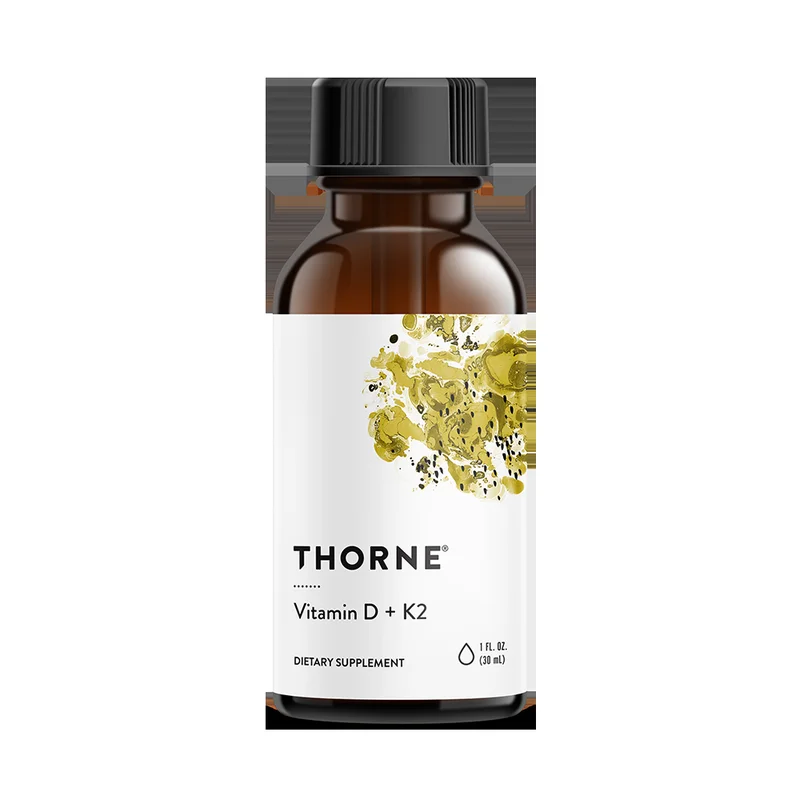
Vitamin D receptors exist in virtually every cell type in your body. It’s not really a “vitamin” — it functions more like a hormone, and low levels are associated with an impressive list of bad outcomes: increased all-cause mortality, cardiovascular disease, autoimmune conditions, type 2 diabetes, and cognitive decline.
The K2 part is critical and often skipped. Vitamin D increases calcium absorption, but K2 (specifically MK-7) directs that calcium into bones rather than arteries. Taking high-dose D3 without K2 is like flooding a highway with cars and removing all the road signs.
- 1
 Vitamin D + K2 LiquidThorne · $34.0096
 - 2
 Vegan Vitamin D3 5000 IU SupplementMomentous · $16.9595
 - 3
 Vitamin D3 + K2Sports Research · $23.9595
 - 4
 Vitamin D3 K2Transparent Labs · $29.9995
 - 5
 Vitamin D LiquidThorne · $20.0094
Recomputed from the catalog every time this page is built, so it moves as products are added and rescored. Flavours and pack sizes of one product count once.
Magnesium
Involved in 300+ enzymatic reactions including DNA repair, glucose metabolism, blood pressure regulation, and mitochondrial function. About 50% of Americans don’t meet the RDA.
From a longevity lens, magnesium’s importance is tied to its role in metabolic health (insulin sensitivity), cardiovascular function (blood pressure, heart rhythm), and inflammatory regulation. Low magnesium is independently associated with increased cardiovascular mortality and type 2 diabetes risk. Strong evidence
- 1
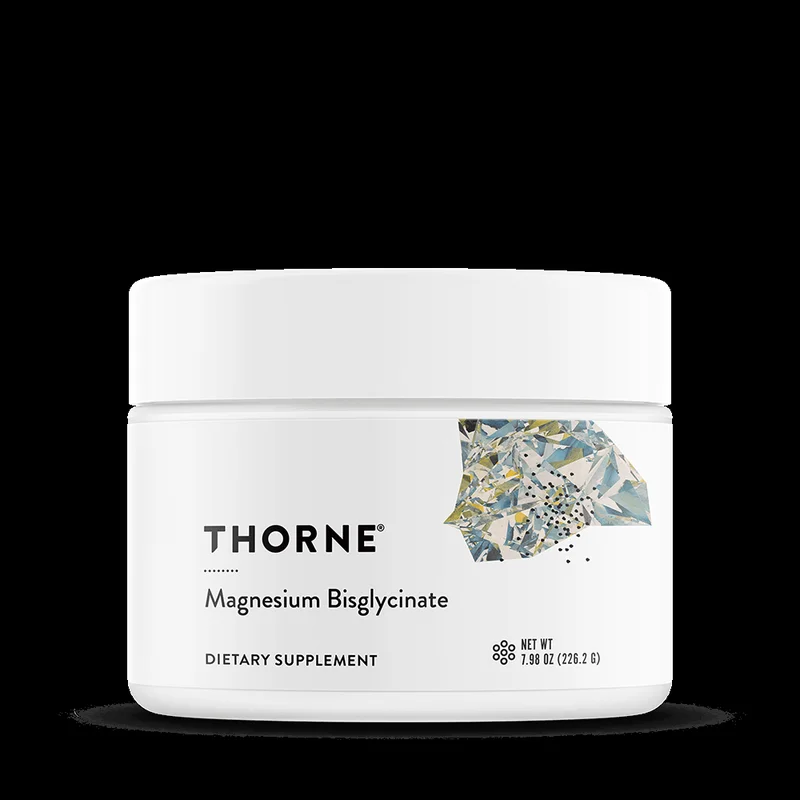
 Magnesium Bisglycinate CapsulesTransparent Labs · $16.9896
 - 2
 Magnesium GlycinateThorne · $25.0096
 - 3
 Magnesium+ (Extra Strength) CapsulesNutricost · $16.9796
 - 4
 Magnesium Glycinate 210MGNutricost · $11.9791
 - 5
 UltraMag MagnesiumPure Encapsulations · $50.0091
Recomputed from the catalog every time this page is built, so it moves as products are added and rescored. Flavours and pack sizes of one product count once.
Tier 2: Evidence-Based Additions
These have meaningful human evidence but smaller effect sizes or narrower applications. Worth adding once your Tier 1 foundation is solid.
Creatine
Wait — isn’t creatine a gym supplement? Yes. It’s also increasingly relevant for longevity, and here’s why:
Muscle mass is one of the strongest predictors of all-cause mortality in aging populations. Sarcopenia (age-related muscle loss) begins in your 30s and accelerates after 60. Creatine is the single most evidence-backed supplement for maintaining strength and lean mass.Strong evidence
Beyond muscle, creatine has emerging neuroprotective evidence. Preclinical data shows benefits for brain energy metabolism, and several human trials have demonstrated cognitive benefits, particularly under conditions of stress or sleep deprivation.Moderate evidence
- 1
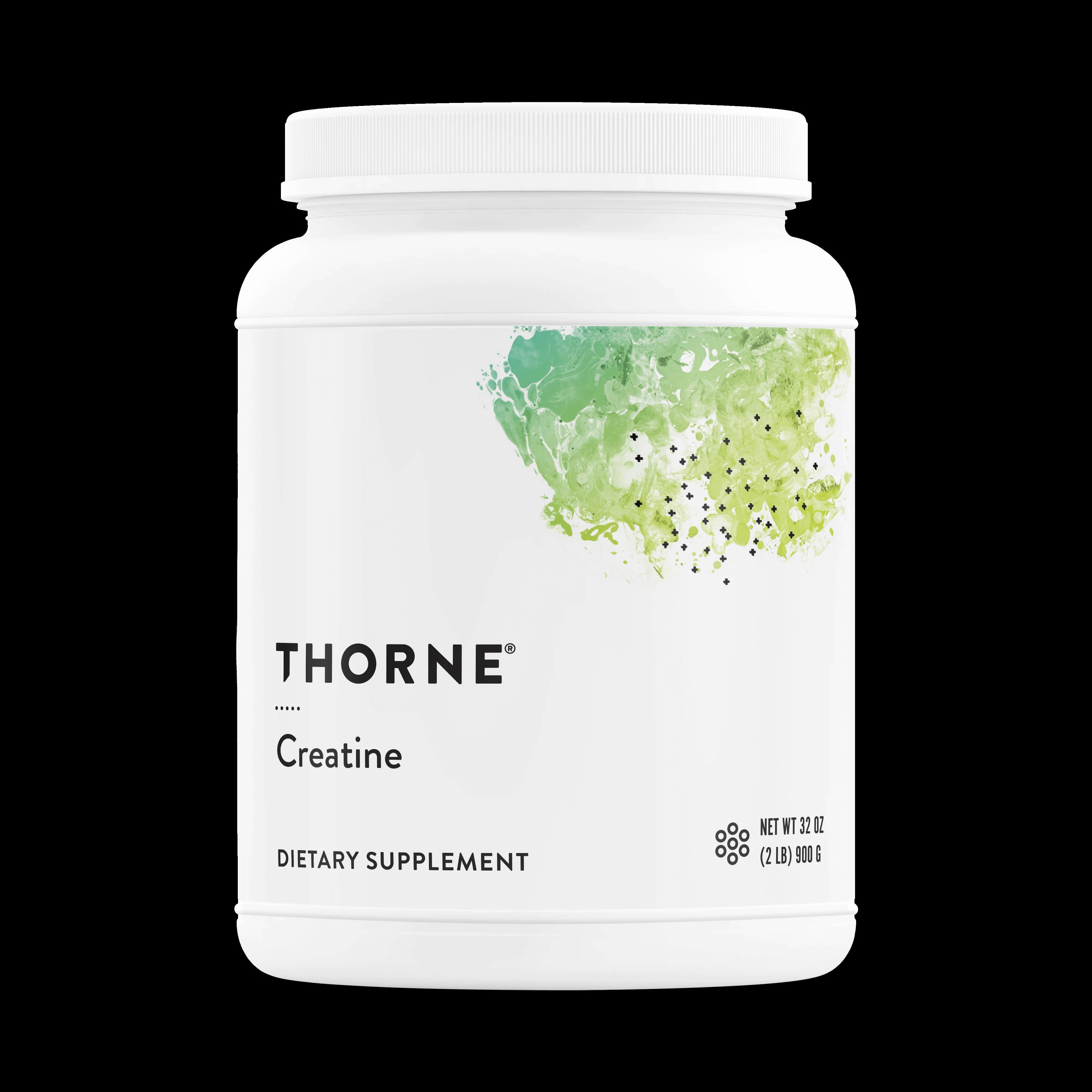
 CreatineThorne · $44.0098
 - 2
 Creatine Monohydrate PowderNootropics Depot · $34.9996
 - 3
 Liposomal Creatine CapsulesCodeage · $39.9990
Recomputed from the catalog every time this page is built, so it moves as products are added and rescored. Flavours and pack sizes of one product count once.
CoQ10 (Coenzyme Q10)
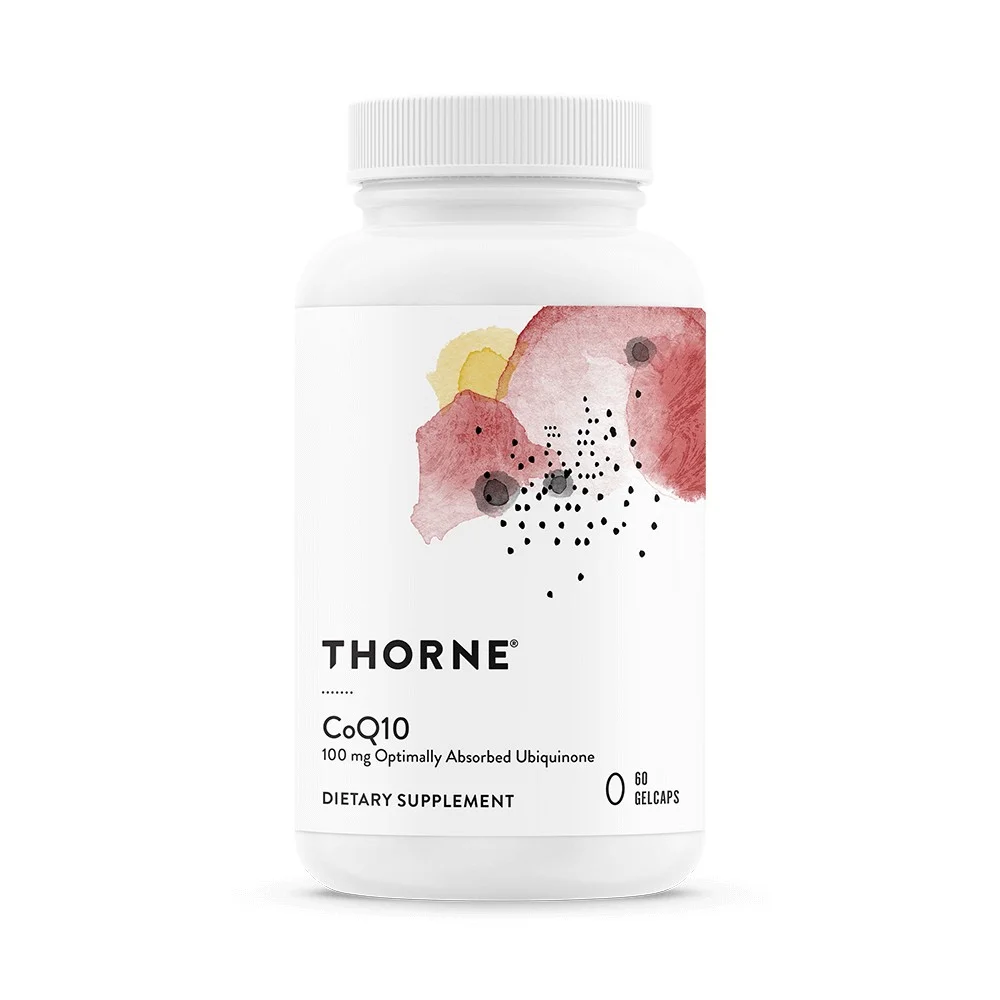
CoQ10 is essential for mitochondrial electron transport — literally the process that generates cellular energy. It’s also one of the body’s most important lipid-soluble antioxidants. Natural levels decline with age, and statins (taken by 25% of adults over 40) further deplete them.
What to look for: Ubiquinol (reduced form) is more bioavailable, especially over age 40 when the body’s ability to convert ubiquinone diminishes. 100–200mg daily with a fat-containing meal.
Curcumin
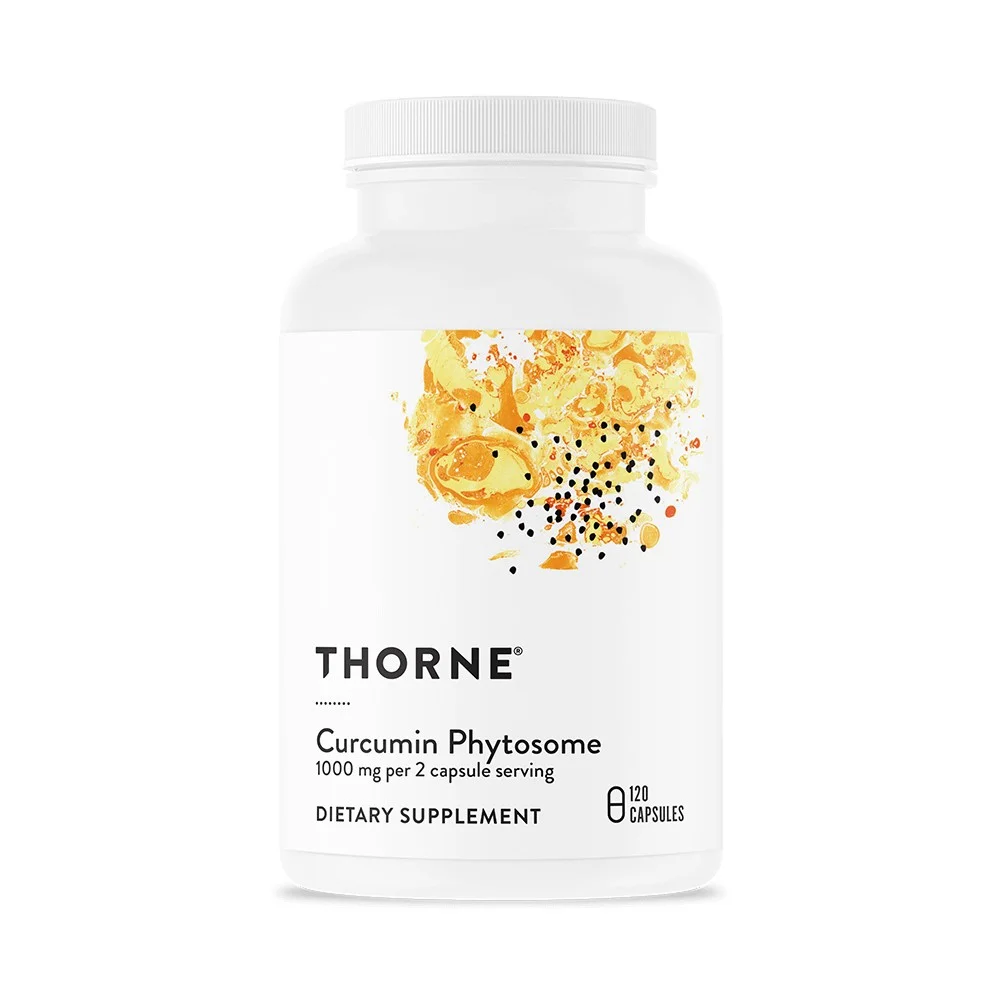
Chronic low-grade inflammation — sometimes called “inflammaging” — is one of the hallmarks of biological aging. It drives cardiovascular disease, neurodegeneration, metabolic dysfunction, and cancer progression. Curcumin is one of the most studied natural anti-inflammatory compounds, targeting NF-kB, COX-2, and multiple inflammatory cascades simultaneously.
Human trials show benefits for inflammatory markers (CRP, IL-6), joint health, and cardiovascular risk factors. Moderate evidence The catch: standard curcumin has terrible bioavailability — most passes through unabsorbed.
Tier 3: The Interesting Bets
This is where things get controversial. These supplements have compelling mechanisms, exciting animal data, and in some cases early human trials. They’re also expensive, and the evidence for meaningful longevity benefits in humans is not yet established. These are bets, not certainties.
NMN / NR (NAD+ Precursors)
NAD+ is a coenzyme involved in hundreds of cellular processes, including DNA repair, mitochondrial function, and sirtuin activation (the “longevity genes”). NAD+ levels decline with age — by roughly 50% between ages 40 and 60 in some tissues.
NMN (nicotinamide mononucleotide) and NR (nicotinamide riboside) are precursors that raise NAD+ levels. The animal data is remarkable: improved mitochondrial function, enhanced DNA repair, metabolic improvements, and in some studies, extended lifespan.Emerging evidence
Current verdict: Fascinating science. Unproven human benefit. If you have the budget and you’ve nailed Tiers 1 and 2, it’s a reasonable bet. If you’re choosing between NMN and a quality omega-3, buy the omega-3.
Resveratrol
The red wine compound. The darling of longevity research circa 2008–2015. Activates sirtuins, extends lifespan in yeast and mice, has beautiful in-vitro data.
Spermidine
A polyamine that induces autophagy — your body’s cellular recycling process. Autophagy declines with age and is a core mechanism in most theories of aging. Caloric restriction and fasting activate it. So does spermidine.
The most interesting data comes from the Bruneck study: a 20-year observational cohort that found higher dietary spermidine intake was associated with significantly reduced all-cause mortality. Moderate evidence Supplementation trials are ongoing, with early results showing improved memory in older adults.
Found naturally in aged cheese, wheat germ, soybeans, and mushrooms. Supplements are available but expensive and still early in the evidence curve.
The Practical Starter Stack
If you’re just starting, here’s the evidence-based foundation. Master this before adding anything from Tier 3:
- Omega-3 (EPA+DHA): 1–2g/day with meals
- Vitamin D3 + K2: 2,000–5,000 IU D3 + 100–200mcg K2 (MK-7), with fat
- Magnesium glycinate: 300–400mg, evening
- Creatine monohydrate: 3–5g/day, anytime
Total cost: roughly $40–60/month. This covers the most common deficiencies, addresses the strongest evidence for cardiovascular, metabolic, and muscular healthspan, and forms a foundation that Tier 2 and 3 additions can build on.
For help with timing this stack, see our supplement timing guide.
What Matters More Than Any Supplement
- Exercise. Resistance training preserves muscle mass (the strongest predictor of longevity in aging populations). Zone 2 cardio improves mitochondrial function and cardiovascular health. Together, they’re probably the single most impactful longevity intervention available to anyone. Nothing you can buy in a bottle comes close.
- Sleep. 7–9 hours. Non-negotiable. Sleep deprivation accelerates biological aging through every pathway we know how to measure: inflammation, insulin resistance, cortisol, DNA repair, immune function. Fix your sleep before you buy NMN. (See our sleep supplement protocol if sleep quality is an issue.)
- Nutrition. Whole foods, adequate protein (0.7–1g per pound of body weight), minimize ultra-processed food. The Mediterranean diet pattern has the strongest epidemiological evidence for longevity of any dietary approach.
- Stress management. Chronic psychological stress accelerates telomere shortening and epigenetic aging. It’s not soft science — it’s measurable and significant.
Supplements are the optimization layer. Exercise, sleep, nutrition, and stress management are the foundation. Build the foundation first.
Drug Interactions and Medical Conditions: What to Check Before Starting
Drug interactions with longevity supplements are common enough — and serious enough — that you need to audit your medication list before starting this stack. Several compounds in Tiers 1 and 2 alter how your body metabolizes prescription drugs, and the effects aren't always obvious until something goes wrong.
Omega-3s + Anticoagulants
EPA and DHA have antiplatelet effects that compound with blood thinners like warfarin, apixaban, and clopidogrel. A 2018 review by Begtrup et al. found that high-dose omega-3 (above 2g EPA+DHA) measurably increased bleeding time. If you're on any anticoagulant or antiplatelet therapy, your prescriber needs to know your exact omega-3 dose — not just that you "take fish oil."
Curcumin + Piperine and CYP3A4 Drugs
This is the interaction most people miss. Piperine inhibits CYP3A4 and P-glycoprotein — enzymes responsible for metabolizing roughly 50% of all prescription drugs. That includes statins (atorvastatin, simvastatin), immunosuppressants (cyclosporine, tacrolimus), SSRIs, calcium channel blockers, and many others. Inhibiting these enzymes effectively raises drug blood levels, sometimes dangerously. If you take any prescription medication, check whether it's CYP3A4-metabolized before adding curcumin with piperine.
CoQ10 + Blood Pressure Medications
Evidence suggests CoQ10 can lower systolic blood pressure by 11–17 mmHg in hypertensive patients (Rosenfeldt et al., 2007 meta-analysis). If you're already on antihypertensives, adding 100–200mg CoQ10 could push you into hypotensive territory — dizziness, fatigue, fainting. Monitor your blood pressure at home after starting.
Statins + CoQ10: A Separate Conversation
Statins inhibit the mevalonate pathway, which produces both cholesterol and CoQ10. Evidence suggests this contributes to statin-associated muscle symptoms in some patients (Banach et al., 2015). If you're on a statin, CoQ10 supplementation is worth discussing with your doctor — not as a replacement for your statin, but as a potential adjunct.
Vegan and Vegetarian Substitutions for Every Tier
Vegan substitutions for every tier of this stack exist, but they require more label scrutiny than most brands make obvious. Standard omega-3 capsules come from fish, D3 from lanolin, and K2 from animal-derived fermentation. Here's how to swap each one without compromising efficacy.
Tier 1 Swaps
Omega-3: Switch to algal-derived EPA+DHA — the same source fish get theirs from, just cutting out the middlefish. Aim for the same 1,000–2,000mg combined EPA+DHA. Don't rely on flaxseed or chia (ALA) as your omega-3 source: human conversion of ALA to EPA is roughly 5–10%, and to DHA under 1% (Burdge, 2006). Strong evidence ALA supplements are not a functional replacement.
Vitamin D3: Look for lichen-derived D3 (cholecalciferol). Mushroom-derived supplements typically contain D2 (ergocalciferol), which is less effective at raising and maintaining serum 25(OH)D levels (Tripkovic et al., 2012). Same dosing applies: 2,000–5,000 IU based on your bloodwork.
K2 (MK-7): Most MK-7 is produced via Bacillus subtilis natto fermentation, which is inherently vegan — but some brands add gelatin capsules or animal-derived flow agents. Verify "vegan" or "plant-based" on the label, not just the ingredient list. Fermentation-derived MK-7 is bioidentical to animal-sourced forms. Strong evidence
Magnesium: Already vegan in virtually all forms. No swap needed.
Tier 2 and Beyond
Creatine deserves special attention for this group. Vegans and vegetarians have lower baseline muscle and brain creatine stores because dietary creatine comes almost exclusively from meat. Evidence suggests the cognitive benefits of creatine supplementation may be proportionally larger for plant-based eaters — a meta-analysis by Avgerinos et al. (2018) found memory improvements with supplementation, and Benton & Donohoe (2011) specifically showed enhanced cognitive performance in vegetarians. Standard creatine monohydrate is synthesized, not animal-derived — it's already vegan.
CoQ10 (ubiquinol), curcumin, and Tier 3 compounds are typically vegan-compatible, but again — check capsule materials. If you're following this stack as a vegan, also consider screening B12 and zinc levels, since deficiencies in both are common in plant-based diets and interact with pathways this guide covers.
How to Read a Supplement Label: Elemental Dose vs. Compound Dose
Knowing how to read a supplement label is the difference between hitting a clinical dose and wasting your money. The most common mistake: confusing the compound dose (the total weight of the ingredient) with the elemental dose (the amount of the active mineral or nutrient your body actually uses). Every dosing recommendation in this guide refers to elemental doses — and most labels are designed to make that confusing.
The Magnesium Example
A capsule labeled "Magnesium Glycinate 400mg" often contains 400mg of the magnesium glycinate compound — not 400mg of elemental magnesium. Magnesium glycinate is roughly 14% magnesium by weight, so that 400mg capsule delivers only about 56mg of actual magnesium. To hit the 300–400mg elemental target from our magnesium guide, you'd need six or seven of those capsules. Some brands list elemental magnesium separately on the Supplement Facts panel; others bury the compound weight in the "Other Ingredients" or don't clarify at all.
The Omega-3 Example
Same principle, different math. A "1,000mg Fish Oil" softgel typically contains only 300–500mg of combined EPA+DHA — the fatty acids that actually drive the cardiovascular benefits from the VITAL and REDUCE-IT trials. The rest is other fats. To reach 1,000–2,000mg of EPA+DHA daily, you likely need two to four softgels depending on concentration. Always flip to the Supplement Facts panel and find the EPA and DHA lines specifically.
Budget Tier: If You Can Only Spend $20/Month
A budget longevity supplement stack doesn't mean a worse one — it means a ruthlessly prioritized one. At $20/month, you can cover the three Tier 1 supplements that carry the strongest human evidence. You just need to buy smart.
Force-Ranking by Impact Per Dollar
Vitamin D3 + K2 comes first — not because it outranks omega-3 in evidence, but because it's absurdly cheap. A year's supply of generic D3 (5,000 IU) runs $8–12. Add a standalone MK-7 bottle and you're looking at roughly $3–4/month total. That's your biggest bang-for-dollar supplement, period.
Magnesium glycinate is next. Store-brand magnesium glycinate at 400mg elemental runs about $5–7/month. Given that roughly half of Americans fall short of the RDA (Rosanoff et al., 2012), this fills a near-universal gap for pocket change.
Omega-3 rounds out the budget. A generic triglyceride-form fish oil delivering 1,000mg combined EPA+DHA costs roughly $8–12/month. Costco's Kirkland brand, for example, carries IFOS certification — the same purity standard as bottles costing three times more.
Where Creatine Fits
If you can stretch to $25/month, add creatine monohydrate. At roughly 3–5 cents per gram, it's among the cheapest supplements on the market — a full month at 5g/day costs under $4. Given its evidence for preserving lean mass and strength as you age, it's arguably the best $4 you'll spend. Strong evidence
The $20 budget longevity supplement stack: D3+K2, magnesium glycinate, omega-3. No Tier 3 experiments, no fancy formulations. Just the compounds with the strongest evidence at doses that actually work.
Who Should Talk to a Doctor First
The supplements in this guide are well-studied in generally healthy adults, but several carry meaningful interactions or unknowns for specific populations. If any of the following apply to you, get clinical input before starting — or changing — this stack.
None of the above is medical advice. Bring your full supplement list — including what you're considering — to your next provider visit.
Frequently Asked Questions
I’m in my 20s. Is it too early for a longevity stack?
No, but reframe it: you’re not “anti-aging” at 25. You’re building a foundation. The Tier 1 supplements (omega-3, vitamin D, magnesium) address common deficiencies that affect how you feel and perform right now, with the bonus of long-term cardiovascular and metabolic benefits. Skip Tier 3 unless you have money to burn.
How do I know if my stack is working?
Get baseline bloodwork before you start: vitamin D, omega-3 index (if your lab offers it), RBC magnesium, hs-CRP (inflammation), fasting glucose, and a lipid panel. Retest in 3–6 months. Subjective improvements (energy, sleep, mood) are real but hard to attribute. Biomarkers don’t lie.
Is it worth getting a biological age test?
Epigenetic clocks (like GrimAge or DunedinPACE) are the most promising biological aging measurements currently available. They measure DNA methylation patterns that correlate with mortality risk. However, their sensitivity to supplement interventions specifically is still being validated. They’re interesting for self-experimenters but not yet clinically actionable for most people.
Should I take all of these forever?
Tier 1 (omega-3, D3+K2, magnesium): yes, these address chronic nutritional gaps that don’t resolve on their own. Creatine: yes, the benefits require continuous supplementation. Tier 3: re-evaluate annually as new evidence emerges — the science is moving fast.
What's the minimum effective stack for a healthy beginner?
Vitamin D3 (2000–4000 IU/day), magnesium glycinate (300–400 mg/day), omega-3 (1–2g combined EPA+DHA), and creatine monohydrate (5g/day). These four cover the highest-evidence deficiencies and longevity adaptations most adults deal with, at a total cost of roughly $30–40/month.
Do I need bloodwork before starting a supplement stack?
No, not for the foundation stack — the risk of harm at standard doses is very low. But bloodwork transforms supplementation from guessing to precision. A basic panel (vitamin D, ferritin, B12, magnesium RBC) costs ~$100 and tells you exactly what to prioritize.
How long until I feel anything from a beginner stack?
Most stack benefits are slow and cumulative. Creatine: 2–4 weeks for strength effects. Vitamin D: 6–12 weeks to raise serum levels. Magnesium: 4–6 weeks for sleep/anxiety effects. Omega-3: 3+ months for cardiovascular markers. If you expected a noticeable day-one change, you're confusing supplements with stimulants.
Can I take these supplements if I'm on blood thinners / warfarin?
The guide doesn't cover drug interactions. This is a real safety concern: omega-3 at higher doses has antiplatelet effects, curcumin inhibits platelet aggregation, and vitamin K2 directly affects warfarin's mechanism of action. These aren't theoretical risks — they can alter your INR and bleeding profile. If you're on warfarin or any anticoagulant, consult your prescribing physician before starting any supplement in this stack.
What supplements in this stack should I avoid or adjust during pregnancy?
The guide doesn't address pregnancy. This is a meaningful gap: some supplements discussed here (high-dose fish oil, fat-soluble vitamins, and especially Tier 3 compounds like NMN and spermidine) have either known cautions or completely unknown safety profiles in pregnancy. Do not self-prescribe from this guide if you are pregnant or planning to conceive. Work with your OB or midwife on a pregnancy-appropriate supplement protocol.
Which of these supplements are vegan, or do any contain animal products?
The guide doesn't flag animal-derived ingredients, but the sourcing varies. Standard omega-3 (EPA+DHA) is fish-derived; algal omega-3 is the vegan alternative with equivalent EPA+DHA. D3 is typically derived from lanolin (sheep's wool); lichen-derived D3 is the vegan option. K2 MK-7 is usually fermentation-derived and generally vegan, but verify by brand. Creatine monohydrate is synthetically produced and vegan. Check individual product labels to confirm.
Does NMN vs. NR actually matter — which one should I buy?
The guide groups them as 'NAD+ precursors' without distinguishing them. Both raise blood NAD+ levels — confirmed in human trials — but the metabolic pathways differ, and NMN costs significantly more than NR. The guide's honest verdict applies to both equally: compelling mechanism, unproven human benefit, and expensive relative to Tier 1 options. If you're choosing between them specifically, the guide doesn't go there — and the science hasn't clearly settled it either. Prioritize Tiers 1 and 2 first.
Can I get too much vitamin D — what's the toxicity threshold?
Yes. Vitamin D toxicity (hypercalcemia) is real, though rare at standard doses. The guide recommends 2,000–5,000 IU daily but explicitly states dose should depend on blood levels — get tested first. The higher end of that range without baseline testing is where risk creeps in, particularly for people who are hypersensitive or already replete. Pairing D3 with K2 (as the guide recommends) helps direct calcium appropriately, but it doesn't eliminate the case for testing before dosing aggressively.
Which supplements in this stack interact with each other?
The guide identifies one positive interaction: D3 paired with K2 to direct calcium safely into bone rather than arteries. It doesn't address negative interactions. Notable gaps the guide doesn't cover: piperine (used in curcumin formulations to boost absorption) can alter the absorption of other supplements taken simultaneously; CoQ10 may have additive blood-pressure-lowering effects. If you're on medications, review potential interactions with a pharmacist before combining these.
Where can I actually get the omega-3 index test done?
The guide recommends testing your Omega-3 Index but notes 'if your lab offers it' — most standard clinical labs don't. OmegaQuant is the primary direct-to-consumer option; you order a kit, do a finger-prick blood spot at home, and mail it in. Some functional medicine providers also offer it. The guide correctly treats this as a meaningful longevity biomarker, so it's worth seeking out rather than skipping.
Should adults over 65 dose these supplements differently than younger adults?
The guide doesn't address age-specific dosing. This is a genuine gap: vitamin D metabolism, magnesium excretion, and renal function all change meaningfully with age, and creatine's evidence for sarcopenia is most relevant to adults over 60 — the exact population most likely reading a longevity guide. Adults 65+ should consult a physician before adopting this stack, particularly if kidney function is a concern or if multiple medications are involved.
The Bottom Line
The best longevity stack isn’t the most expensive one. It’s the one that addresses your actual deficiencies with evidence-backed compounds at clinical doses — and doesn’t distract you from the fundamentals (exercise, sleep, nutrition) that no supplement can replace.
Start with Tier 1. Get bloodwork. Add Tier 2 after 3 months. Consider Tier 3 only after everything else is dialed in and only if the evidence continues to develop. Resist the urge to buy everything Bryan Johnson takes. Your body isn’t his, and your budget probably isn’t either.
Supplements that support this
Turn this into your stack
Answer two questions and we'll build an evidence-graded starter stack — every ingredient with its dose, timing, and interaction checks.
Free · no account needed to start
Read next
Taurine for Longevity: Clinical Evidence & Guide 2026
Taurine deficiency accelerates aging — a 2023 Science study showed 10–12% lifespan extension in mice. Explore dosing, cardiovascular benefits, and the energy drink paradox.
Berberine 2026: Blood Sugar Benefits, Clinical Evidence
Learn how berberine activates AMPK, matches metformin in 3 clinical trials, cuts triglycerides 35%, and who actually benefits — dosing and drug interactions included.
Supplement Timing Guide 2026 — Backed by Science
Learn which supplement timing rules genuinely affect absorption — fat-soluble vitamins, mineral conflicts, and what disrupts sleep. A practical, evidence-based guide.
The frontier of longevity science — the intervention landscape, senolytics, and measuring what works.
Evidence-based supplement guides, no spam
We send a short digest when new guides drop — nothing else. No affiliate pushes, no sponsored content, unsubscribe anytime.