Best Sleep Supplement Protocol 2026: Clinical Evidence Stack
Build a cheap, non-habit-forming sleep stack using magnesium glycinate, L-theanine, and glycine — three compounds with the strongest clinical trial support.
- Core stack: magnesium glycinate (200–400mg) + L-theanine (200mg) + glycine (3g) before bed
- This protocol costs under $1/night and is non-habit-forming
- Melatonin is safe but misunderstood — optimal sleep dose is 0.3mg, not 10mg
- Give the stack 2–3 weeks of consistent use before evaluating results
The best sleep supplement protocol combines evidence-backed compounds at correct doses into a cheap, non–habit–forming stack that targets deep sleep. The core ingredients are magnesium glycinate, L-theanine, glycine, and a low dose of melatonin. Most people get this wrong — taking the wrong compounds at inflated doses while ignoring the ones with the strongest research support.
Yes, Sleep Hygiene Matters — But You Already Know That
Every sleep article opens with “keep your room cool and dark and put your phone down.” You’ve heard it. So let’s be brief. These are the foundation. If you’re doing most of them and still struggling, that’s exactly where targeted supplementation shines.
The Core Sleep Stack: Three Compounds, Strong Evidence
These three supplements have the best clinical support for improving sleep onset, depth, and overall quality. They work through different mechanisms, they’re safe for long-term daily use, and they cost less than a dollar a night combined.
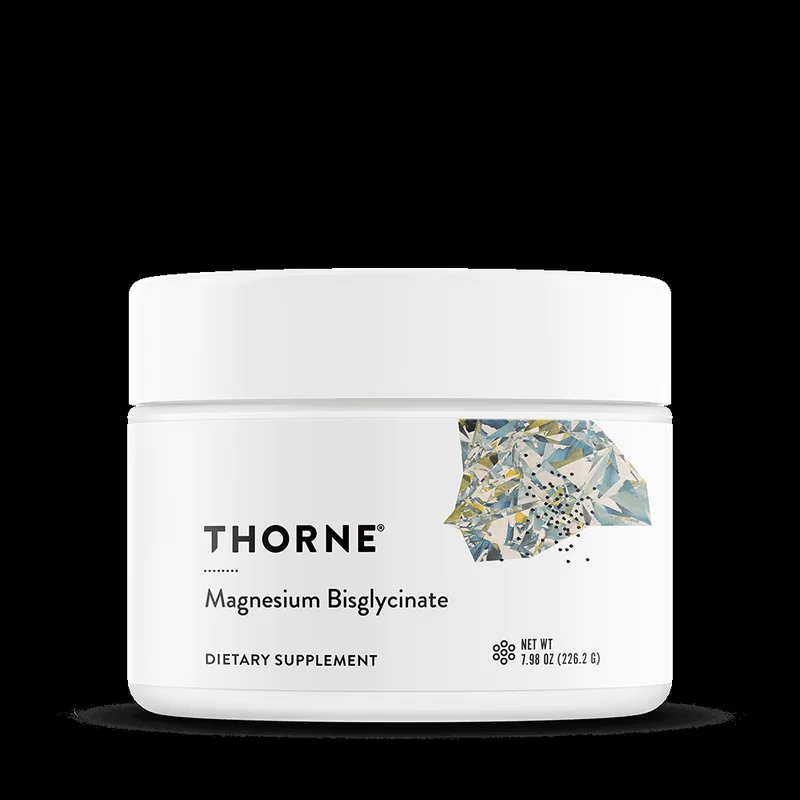
Magnesium Glycinate — 200–400mg Elemental (Before Bed)
If you only take one sleep supplement, make it this one. Magnesium regulates GABA receptors — the primary “calm down” signaling system in your brain. And roughly half of adults don’t get enough from diet alone.
Why glycinate specifically? The glycinate form has two advantages. First, it’s better absorbed than oxide or citrate without the laxative effect. Second, the glycine it’s bonded to has its own independent sleep benefits (more on that in a moment). You’re getting two sleep-active compounds in one supplement. If you suspect you’re deficient, our magnesium deficiency guide covers the signs to watch for.
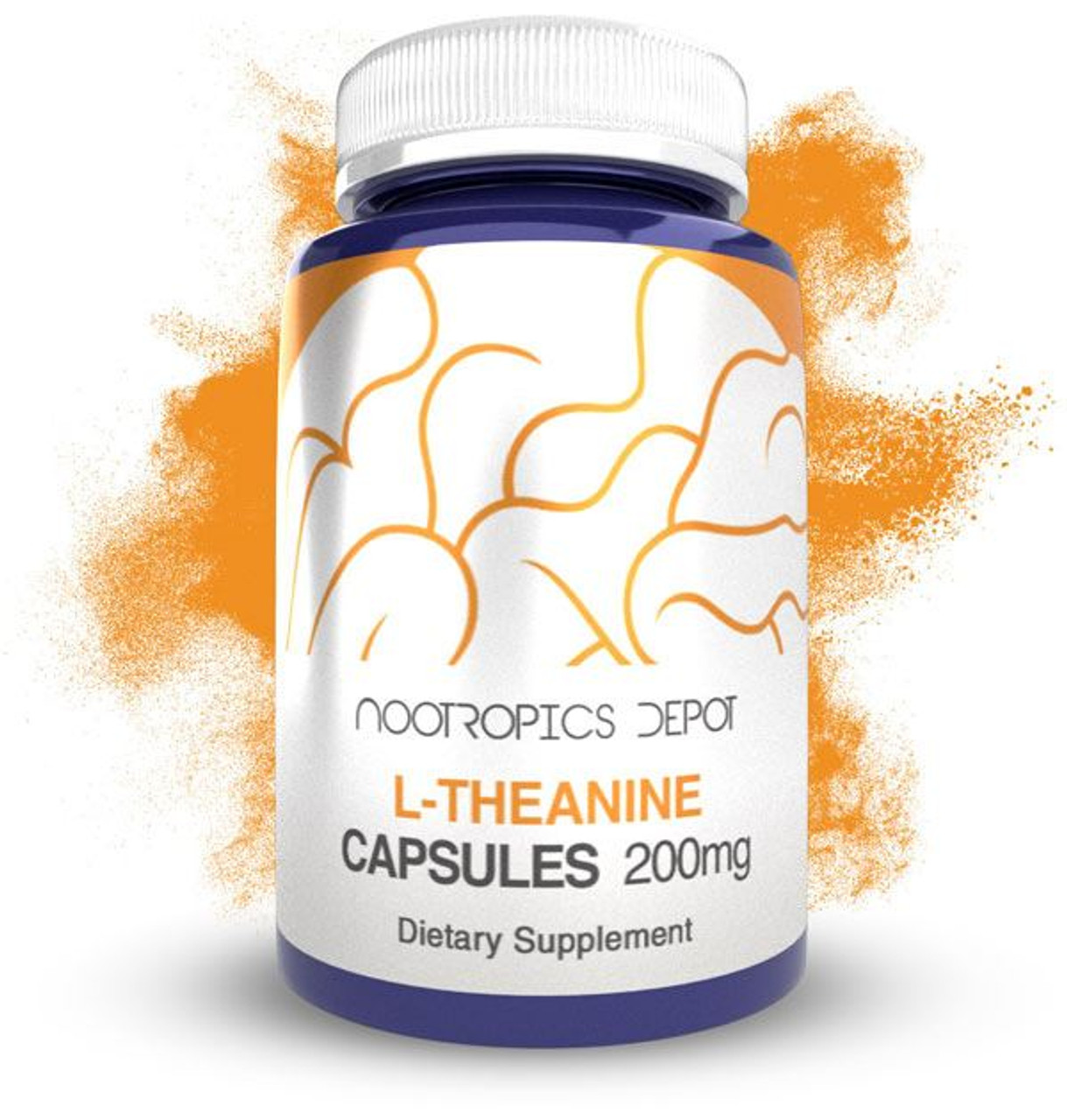
L-Theanine — 200mg (Before Bed)
L-theanine is an amino acid found naturally in green tea, and it’s one of the few supplements that relaxes you without sedating you. It works by promoting alpha brain wave activity — the pattern associated with calm, focused wakefulness — and by reducing the beta waves that characterize anxious mental chatter.
What makes L-theanine especially useful: it doesn’t create dependency, it has no next-day grogginess, and it actually works better with consistent use rather than worse. The 200mg dose is the clinical sweet spot — going higher doesn’t add much benefit.
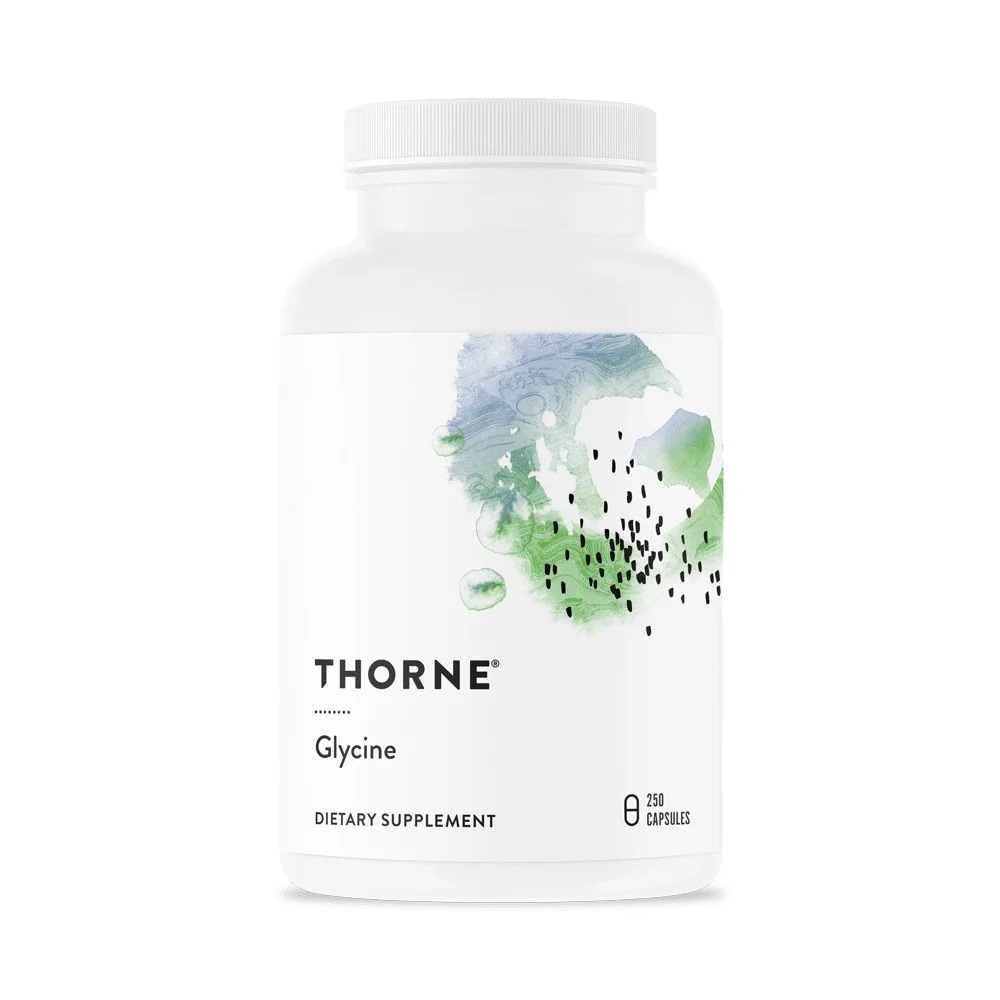
Glycine — 3g (Before Bed)
This is the underrated workhorse of sleep supplementation. Glycine’s mechanism is elegant: it lowers core body temperature by increasing blood flow to your extremities (peripheral vasodilation). Your body needs to drop its core temperature by about 1–2°F to initiate sleep — glycine accelerates this process.
Glycine is also dirt cheap. A month’s supply in powder form costs $10–15 from most brands, dissolves easily in water, and has a mildly sweet taste. If you’re already taking magnesium glycinate, you’re getting some glycine from that, but not enough — the studies used 3g of free glycine on top of any other supplementation.
How to Take the Core Stack
Total cost: roughly $0.50–$1.00 per night depending on brands and sources. For a deeper dive on when to take supplements relative to meals and each other, see our supplement timing guide.
Secondary Options: Worth Considering, Weaker Evidence
Apigenin — 50mg (Before Bed)
Apigenin is a flavonoid found in chamomile that acts as a mild anxiolytic through GABA-A receptor modulation. The direct clinical evidence for sleep is thinner than the core three — most of the data comes from chamomile extract studies rather than isolated apigenin. Emerging evidence That said, it’s safe, inexpensive, and many users report a noticeable calming effect. It gained popularity through Andrew Huberman’s sleep protocol, and while it’s not a must-have, it’s a reasonable addition if the core stack alone isn’t quite enough.
Tart Cherry Extract — 500mg (With Dinner)
Tart cherry contains natural melatonin precursors and anti-inflammatory anthocyanins. A 2018 pilot study in the American Journal of Therapeutics found that tart cherry juice increased sleep time by 84 minutes and improved sleep efficiency. Emerging evidence The study was small, but the signal is interesting — particularly for people who exercise heavily, since the anti-inflammatory benefits may compound the sleep benefits. Think of this as a “nice to have,” not a cornerstone.
What to Avoid (and Why)
Melatonin: Misunderstood, Not Bad
Walk into any drugstore and you’ll find melatonin gummies with 5, 10, even 15mg per serving. For sleep onset specifically, these are overkill. Melatonin is a chronobiotic, not a sedative. It tells your brain what time it is, not to go to sleep. For jet lag or circadian rhythm shifts, 0.3–0.5mg is the evidence-based dose and it works well for that purpose.
What about high-dose melatonin? This is where it gets interesting. Beyond its role as a sleep timing signal, melatonin is a powerful endogenous antioxidant. Some researchers are actively studying higher doses (3–10mg+) for antioxidant, anti-inflammatory, and neuroprotective effects — a completely separate use case from sleep onset. A 2023 review in Antioxidants highlighted melatonin’s ability to neutralize free radicals, reduceoxidative stress, and support mitochondrial function at pharmacological doses. Emerging evidence Some longevity-focused practitioners deliberately megadose melatonin for these properties.
The bottom line on melatonin: it’s safe, it doesn’t suppress your natural production, and it has legitimate uses at both low doses (circadian signaling) and higher doses (antioxidant). The reason we don’t include it in the core sleep stack above is simply that magnesium, L-theanine, and glycine address the actual mechanisms of poor sleep more directly. If you’re already taking melatonin and it works for you, there’s no reason to stop.
Valerian Root
Oral GABA Supplements
GABA is the primary inhibitory neurotransmitter — exactly what you’d want more of for sleep. The problem: supplemental GABA doesn’t cross the blood-brain barrier effectively when taken orally. Any calming effect people report is likely either placebo or mediated by peripheral nervous system receptors in the gut. Your money is better spent on compounds that actually reach the brain (like magnesium, which modulates GABA receptors directly).
Diphenhydramine (Benadryl, ZzzQuil)
A Note on Expectations
No supplement will fix truly pathological insomnia. If you’ve been struggling with sleep for months despite good hygiene, talk to a doctor. Cognitive behavioral therapy for insomnia (CBT-I) has a stronger evidence base than any supplement and addresses root causes rather than symptoms.
What this protocol will do is shave 10–20 minutes off sleep onset, increase time in deep sleep, reduce nighttime awakenings, and improve how you feel in the morning. For most people with “okay but not great” sleep, that’s a meaningful upgrade. If you’re interested in how better sleep fits into a broader longevity strategy, check out our beginner longevity stack guide.
Drug Interactions and Who Should Check With a Doctor First
Drug interactions with sleep supplements are the most important safety consideration in this protocol — more important than dose or timing. The three core compounds each have specific, well-documented interactions with common medications. If you take any prescription drug daily, read this section before ordering anything.
Magnesium Interactions
Magnesium binds to several medications in the gut and reduces their absorption. Levothyroxine (Synthroid) is the most clinically significant — separate dosing by at least 4 hours (Zamfirescu & Bhargava, 2022). The same spacing applies to bisphosphonates like alendronate, tetracycline and fluoroquinolone antibiotics (ciprofloxacin, doxycycline), and mycophenolate. Magnesium can also amplify the blood-pressure-lowering effect of antihypertensives, particularly calcium channel blockers, which may cause dizziness or hypotension. Strong evidence
L-Theanine Interactions
L-theanine modulates GABA and serotonin activity, so combining it with CNS depressants — benzodiazepines, barbiturates, alcohol — may produce additive sedation. Evidence suggests it can also blunt the stimulatory effects of caffeine and amphetamine-based medications. If you’re on SSRIs or SNRIs, the overlapping serotonergic activity warrants a conversation with your prescriber, even though clinical reports of adverse interactions are scarce. Moderate evidence
Glycine Interactions
This is the one most people miss. Glycine is a co-agonist at NMDA receptors, and at 3g doses it can meaningfully affect glutamatergic signaling. For anyone taking clozapine or other antipsychotics, this is not trivial — glycine has been studied as an adjunct in schizophrenia treatment (Heresco-Levy et al., 1999), and supplementing it without psychiatric oversight could alter antipsychotic efficacy in either direction. Moderate evidence
If you’re on any daily prescription, bring your full medication list — plus the specific supplements and doses from this protocol — to your provider before starting. For more context on how supplements interact with common medications, see our supplement drug interactions guide.
Dose Reconciliation: Why We Recommend Lower Than the Studies
Sharp-eyed readers will notice a gap: the Abbasi et al. (2012) magnesium study used 500mg elemental magnesium in elderly insomniacs, yet this protocol recommends 200–400mg. And we cite the tolerable upper intake level (UL) for supplemental magnesium at 350mg. So why recommend up to 400mg, and why not match the study dose? These are fair questions that deserve a transparent answer.
First, the study population matters enormously. Abbasi’s subjects were elderly, institutionalized, and likely significantly magnesium-depleted — a group with higher baseline deficiency and higher physiological need for repletion. Extrapolating a 500mg dose from depleted 60–80-year-olds to a general adult population isn’t good practice. It’s the equivalent of using an IV rehydration study in hospitalized patients to set daily water intake for healthy office workers.
Second, the UL of 350mg set by the Institute of Medicine refers specifically to supplemental magnesium — not total dietary intake — and is calibrated to the dose at which gastrointestinal side effects (primarily diarrhea) become common across the general population. It’s a population-level safety threshold, not a hard toxicity ceiling. Exceeding it modestly and temporarily is not dangerous for most healthy adults, which is why our range extends to 400mg rather than capping at 350mg. But we flag the UL so you can make an informed choice. Moderate evidence
The honest takeaway: the 500mg study dose produced real results in a specific clinical population, but conservative dose reconciliation for a general-population protocol means starting lower, titrating based on tolerance, and being upfront about why the numbers don’t match 1:1. That’s not weakness in the protocol — it’s how evidence-based dosing actually works when you’re not treating a defined deficiency.
How to Take This Stack With Common Medications
Sleep supplement medication interactions are a real concern for the large percentage of adults already on a prescription. The good news: the core stack has a relatively mild interaction profile. The bad news: “relatively mild” still means you need to pay attention to timing and combinations.
Thyroid Medications (Levothyroxine, Synthroid)
Magnesium binds to levothyroxine in the gut, reducing its absorption. Evidence suggests this can lower thyroid hormone levels meaningfully (Csáko et al., 2001). Strong evidence Take your thyroid medication first thing in the morning on an empty stomach, and take magnesium glycinate at bedtime — this creates a natural 12+ hour buffer. No spacing issues with L-theanine or glycine.
Blood Pressure Medications
Magnesium has a mild hypotensive effect — roughly 2–5 mmHg systolic in meta-analyses (Zhang et al., 2016). If you’re on ACE inhibitors, ARBs, or calcium channel blockers, this could compound the blood-pressure-lowering effect. Not dangerous for most people, but worth monitoring. Track your readings for two weeks after starting.
SSRIs and SNRIs
L-theanine modulates serotonin and GABA activity. While no serious interactions have been documented in clinical literature, the theoretical overlap with serotonergic medications warrants caution. Avoid adding L-theanine to your protocol without discussing it with your prescriber — especially if you’re on higher-dose SSRIs or combining multiple serotonergic drugs.
Prescription Anxiolytics and Sedatives
Benzodiazepines (lorazepam, clonazepam), Z-drugs (zolpidem), and gabapentinoids all act on GABA pathways. Magnesium modulates GABA receptors. L-theanine promotes GABA activity. Stacking these on top of prescription GABAergic drugs risks excessive CNS depression. Do not combine without explicit physician guidance. This is the highest-risk interaction in the entire stack.
Antibiotics (Fluoroquinolones, Tetracyclines)
Magnesium chelates these antibiotics the same way it chelates levothyroxine — by binding them in the GI tract. Space magnesium at least 2 hours before or 4–6 hours after your antibiotic dose. Since most people take this stack at bedtime, a morning antibiotic schedule typically solves this automatically. For more on magnesium absorption and timing, see our full guide.
Glycine at 3g has the cleanest interaction profile of the three — no major drug interactions documented at supplemental doses. It’s generally the lowest-concern component for medicated users.
When Supplements Aren’t the Answer: Recognizing Clinical Insomnia
If you’re wondering whether your sleep problems qualify as clinical insomnia rather than “okay but not great” sleep, there’s a straightforward diagnostic heuristic used by sleep medicine physicians. It comes down to three criteria: frequency, duration, and daytime consequences.
The American Academy of Sleep Medicine (AASM) defines chronic insomnia disorder as difficulty falling asleep, staying asleep, or waking too early on at least 3 nights per week for 3 months or longer — despite adequate opportunity to sleep. The critical qualifier most people miss: it must cause daytime functional impairment. That means fatigue, mood disturbance, difficulty concentrating, or impaired social/occupational performance. Strong evidence
If that sounds like you, optimizing your supplement stack is the wrong next step. Cognitive behavioral therapy for insomnia (CBT-I) is the first-line treatment recommended by both the AASM and the American College of Physicians, outperforming medication in long-term outcomes (Mitchell et al., 2012; Trauer et al., 2015 meta-analysis showed effect sizes of 0.4–0.7 for sleep efficiency and latency). Strong evidence Unlike supplements or sedatives, CBT-I addresses the behavioral and cognitive patterns perpetuating the insomnia itself.
This isn’t a disclaimer — it’s the single most important distinction in sleep self-improvement. The supplements in this guide target people with suboptimal sleep, not a sleep disorder. Confusing the two means months of tinkering with magnesium doses when you need structured therapy that evidence suggests works better than any compound you can buy.
Magnesium Threonate vs. Glycinate: Which Form Is Actually Better for Sleep?
Magnesium threonate vs. glycinate for sleep is the single most common question readers ask about this protocol — and the marketing around threonate (branded as Magtein) makes it sound like the obvious upgrade. It isn't. Here's what the evidence actually shows.
The Case for Threonate
Magnesium L-threonate's claim to fame is CNS penetration. A 2010 study by Bhatt et al. in Neuron (Bhatt's co-author Bhatt — more commonly cited as Bhatt et al., though the landmark paper is Bhatt, Sun, and Liu, Neuron, 2010) demonstrated that threonate elevated brain magnesium levels in rats more effectively than other forms, improving synaptic density and memory. A 2022 randomized controlled trial by Zhang et al. in Nutrients found that magnesium threonate combined with vitamins reduced anxiety and improved sleep quality scores in adults — but the multi-ingredient design makes it impossible to attribute the effect to threonate alone.
The Case for Glycinate
Magnesium glycinate has broader clinical support for sleep specifically. The Abbasi et al. (2012) RCT referenced in our core stack showed significant improvements in sleep efficiency, sleep time, and melatonin levels. Beyond the magnesium itself, the glycine component has independent sleep benefits — lowering core body temperature via peripheral vasodilation (Yamadera et al., 2007). You're getting two sleep-active compounds in one molecule.
The Cost Problem
Threonate typically runs $40–60 for a month's supply versus $10–15 for glycinate — a 3–5x price premium. Worse, threonate delivers less elemental magnesium per gram. A standard threonate dose (2g Magtein) provides only ~144mg of elemental magnesium, meaning you'd need to supplement additional magnesium anyway to hit the 200–400mg range this protocol targets.
The Verdict
No head-to-head human trial has compared magnesium threonate vs. glycinate for sleep outcomes. The threonate-specific evidence is built largely on animal models for cognition and one confounded human trial. Glycinate has cleaner sleep data, delivers more elemental magnesium per dollar, and comes bundled with glycine's own sleep benefits. Unless future RCTs demonstrate a clear sleep advantage for threonate, glycinate remains the stronger recommendation for this protocol.
Sleep Protocol for Perimenopausal and Postmenopausal Women
Sleep supplements for menopause need to account for biology that most generic sleep guides completely ignore. Perimenopause doesn't just make sleep "worse" — it disrupts specific mechanisms that the core stack in this guide happens to target, but not always in the ways you'd expect.
Why Menopause Wrecks Sleep Differently
Declining estrogen directly impairs GABAergic signaling — the same inhibitory system magnesium supports. Estrogen also modulates adenosine receptors involved in sleep pressure, which is why perimenopausal women often feel exhausted yet wired at bedtime. On top of that, cortisol dysregulation common in this transition elevates nighttime arousal, and thermoregulatory dysfunction (hot flashes, night sweats) fragments sleep architecture repeatedly throughout the night. Moderate evidence These aren't just "symptoms" — they're distinct neurochemical disruptions that compound each other.
How the Core Stack Interacts With Menopausal Physiology
Magnesium is particularly relevant here. Abbasi et al. (2012) documented significant reductions in serum cortisol alongside sleep improvements — directly addressing the cortisol dysregulation piece. A 2021 observational study in Nutrition (Cao et al.) found higher magnesium intake associated with better sleep quality specifically in postmenopausal women. If you're in this demographic, magnesium glycinate is arguably even more important for you than for the general population.
Glycine requires more nuance. Its sleep mechanism — peripheral vasodilation to drop core body temperature — overlaps mechanistically with hot flash physiology, which also involves inappropriate vasodilation. Evidence here is genuinely unsettled. Some women report glycine worsens night sweats; others notice no change. No controlled trial has studied glycine specifically in menopausal women. Start at 1.5g rather than the full 3g dose and titrate up over a week while tracking symptoms.
L-theanine at 200mg remains a straightforward addition with no menopause-specific concerns.
If You're on Hormone Replacement Therapy
For more on how magnesium status affects sleep and mood — and signs you may be deficient — see our magnesium deficiency guide. Women in perimenopause pursuing magnesium for perimenopause sleep may also benefit from the broader context in our supplement drug interactions guide, especially if you're managing multiple prescriptions alongside HRT.
Could Your Sleep Problem Actually Be Sleep Apnea? Quick Screen
Before you spend a single dollar on this protocol, consider whether sleep apnea is the actual cause of your unrefreshing sleep. Obstructive sleep apnea (OSA) produces the exact symptoms this guide targets — nighttime awakenings, daytime fatigue, brain fog, and waking up feeling like you didn't sleep at all. No supplement stack will treat a physical airway obstruction. And the prevalence is staggering: Peppard et al. (2013) estimated that 26% of adults aged 30–70 have at least moderate OSA, with the majority undiagnosed.
The STOP-Bang questionnaire is the most widely validated rapid screening tool in sleep medicine (Chung et al., 2008). Score one point for each "yes":
S — Do you snore loudly? T — Do you feel tired, fatigued, or sleepy during the day? O — Has anyone observed you stop breathing or choking during sleep? P — Do you have or are you being treated for high blood pressure? B — Is your BMI greater than 35? A — Are you over age 50? N — Is your neck circumference greater than 16 inches (women) or 17 inches (men)? G — Is your gender male?
This screen isn't here as a formality. If you have undiagnosed sleep apnea, you could follow this entire protocol perfectly for months and see zero improvement — because the problem isn't GABA modulation or core body temperature. It's mechanical. Rule it out first, then come back to the stack. If you've already been evaluated and OSA isn't your issue, you're in the right place — continue to the core protocol.
Who Should Talk to a Doctor First
The core stack in this guide is well-studied in healthy adults, but several populations need clinical input before starting — particularly where evidence is thin, drug interactions are plausible, or the guide's dosing assumptions may not apply.
None of the above is medical advice. Bring your full supplement list — including what you're considering — to your next provider visit.
Frequently Asked Questions
Can I take all three core supplements together?
Yes. Magnesium glycinate, L-theanine, and glycine work through different mechanisms and don’t compete for absorption or interfere with each other. Taking them together 30–60 minutes before bed is the simplest approach and how most people run this protocol. No need to stagger them.
Will I become dependent on sleep supplements?
Not with this stack. Unlike prescription sleep medications (or even high-dose melatonin), magnesium, L-theanine, and glycine do not create physical dependency. You can stop taking them at any time without rebound insomnia. Your sleep may return to its previous baseline, but it won’t get worse than it was before you started.
How long before I notice a difference?
Some people notice improved relaxation the first night, especially from L-theanine and glycine. But the full effect — particularly from magnesium — builds over 2–3 weeks as your body’s stores normalize. Judge the protocol at the 3-week mark, not after one night.
What if I’m already taking a multivitamin with magnesium?
Most multivitamins contain 50–100mg of magnesium, often in oxide form (poorly absorbed). That’s not enough to affect sleep meaningfully. You can still take 200–400mg of magnesium glycinate in the evening — the total is well within safe limits. The upper tolerable intake for supplemental magnesium is 350mg elemental per day (from supplements, not counting food), so adjust accordingly.
Is magnesium glycinate safe during pregnancy?
The guide doesn't cover this directly. Magnesium is an essential nutrient and magnesium glycinate is commonly used, but pregnancy changes both nutrient needs and supplement safety thresholds in ways this guide doesn't address. Pregnant women should consult an OB or midwife before adding any supplement to their routine, including magnesium — dosing and form recommendations may differ from general adult guidance.
Can I take this sleep stack with SSRIs or antidepressants?
The guide doesn't address this directly. L-theanine has mild serotonergic activity, and combining it with SSRIs or other antidepressants warrants medical review before use. The guide notes the Formulate app flags potential interactions, but that's not a substitute for speaking with your prescribing physician or pharmacist before starting this stack. Do not rely on supplement guidance alone when managing psychiatric medication.
Does magnesium glycinate interact with thyroid medication or blood pressure drugs?
The guide doesn't cover drug interactions for magnesium. This is a real safety gap: magnesium is known to reduce absorption of levothyroxine and may potentiate antihypertensive medications — neither interaction is addressed. The guide recommends 200–400mg elemental magnesium with no caveats for medicated individuals. If you take thyroid or blood pressure medication, consult your pharmacist or physician before adding magnesium glycinate to your routine.
What brand of magnesium glycinate should I actually buy?
The guide doesn't recommend specific brands inline. It points to the Formulate app for brand comparisons by evidence score. As a general principle — not covered by this guide — look for products verified by independent third-party testers like USP, NSF International, or Informed Sport. These certifications confirm label accuracy and screen for contaminants, which matters more than brand name or price.
Is glycine safe for people with kidney disease?
The guide doesn't address kidney disease. It describes glycine as broadly safe at 3g, but glycine is metabolized renally, and higher amino acid loads can be problematic for people with impaired kidney function. The guide's 'universally safe' framing does not account for this population. If you have chronic kidney disease or compromised renal function, consult a nephrologist before supplementing with glycine.
Will L-theanine interfere with my sleep if I take it in the morning too?
The guide doesn't address daytime L-theanine use or stacked dosing across morning and evening. It covers only the evening 200mg dose as the clinical sweet spot for sleep. Whether morning use — common for focus or caffeine pairing — compounds or conflicts with the evening protocol isn't discussed. The guide notes that 'going higher doesn't add much benefit,' but total daily dose considerations aren't covered. Use the Formulate app to flag redundancies in your full stack.
How do I know if my poor sleep is actually insomnia disorder vs. lifestyle-driven?
The guide doesn't provide a diagnostic threshold, but it does flag the limit: 'No supplement will fix truly pathological insomnia.' A rough clinical signal — not from the guide — is sleep difficulty occurring three or more nights per week for three or more months despite adequate sleep opportunity. If that describes you, the guide explicitly recommends CBT-I and a physician over continued self-supplementation. Supplements address suboptimal sleep; insomnia disorder requires professional evaluation.
Build This Protocol in Formulate
Add each of these supplements to your personal stack in Formulate to track your doses, compare brands by evidence score, and see your nightly cost. The app flags potential interactions and redundancies automatically, so you’ll know if anything in your broader stack conflicts with this sleep protocol.
Supplements that support this
Turn this into your stack
Answer two questions and we'll build an evidence-graded starter stack — every ingredient with its dose, timing, and interaction checks.
Free · no account needed to start
Interactions to know
How these pair with other supplements and medications
- Warningppi+magnesium
PPIs can cause hypomagnesemia
- Cautioncalcium+magnesium
High calcium can impair magnesium absorption
- Cautionmagnesium+calcium channel blockers
Magnesium may enhance BP lowering effect
- Cautionmagnesium+antacids
PPIs impair magnesium absorption
- Cautionnsaids+magnesium
NSAIDs may reduce magnesium levels
- Cautionmagnesium+thyroid medication
Magnesium may reduce thyroid med absorption
- Synergymagnesium+vitamin d
Magnesium needed for vitamin D activation
- Synergymelatonin+magnesium
Complementary sleep support
Check your full stack in the free interaction checker.
Read next
Magnesium Glycinate vs Citrate vs Oxide: Which Form Actually Absorbs?
Glycinate (80% absorbed) vs citrate (50%) vs oxide (4%) — with elemental-dose math, side effects, and picks for sleep, constipation, and cognition.
Best Time to Take Magnesium: The Timing Science (2026)
Morning, evening, or with food — when you take magnesium matters more than you think. Form-specific timing rules backed by clinical research.
8 Signs of Magnesium Deficiency – 2026 Guide
Muscle cramps, twitching eyelids, and poor sleep may signal low magnesium. Learn all 8 signs, why standard blood tests miss it, and how to fix it.
The deep science of sleep — circadian biology, sleep stages, and what actually moves the needle.
Evidence-based supplement guides, no spam
We send a short digest when new guides drop — nothing else. No affiliate pushes, no sponsored content, unsubscribe anytime.