Magnesium Glycinate vs Citrate vs Oxide: Which Form Actually Absorbs?
Glycinate (80% absorbed) vs citrate (50%) vs oxide (4%) — with elemental-dose math, side effects, and picks for sleep, constipation, and cognition.
- Glycinate (bisglycinate) is the default for sleep, anxiety, and general deficiency — ~80% absorbed, no GI side effects
- Citrate is second-best absorbed (~50%) and causes loose stools, making it useful specifically for constipation
- Oxide is cheap but only ~4% absorbed — most of it passes through. Skip it unless you need a laxative
- Threonate is the only form that reliably crosses the blood-brain barrier and is the better pick for cognition-specific goals (but 3-5x the cost)
- Malate is better than oxide but less studied than the other three — worth considering for fatigue and fibromyalgia
- Label dose matters less than elemental magnesium — a 400 mg magnesium oxide tablet delivers ~16 mg absorbed; a 400 mg bisglycinate delivers ~320 mg
The magnesium shelf is the single most confusing category in the supplement store. Every bottle says “magnesium” and every brand claims “high absorption.” The real differences between magnesium forms are measured, documented, and usually ignored by marketing copy. This guide compares the three most common forms head-to-head — glycinate, citrate, and oxide — and tells you which one is actually right for your goal.
The Short Version: Pick Your Form by Goal
Before the deep dive, here’s the decision tree that fits 90% of people:
| Your goal | Best form | Dose | Why |
|---|---|---|---|
| Sleep, anxiety, general deficiency | Glycinate / Bisglycinate | 200–400 mg elemental | ~80% absorbed, calming glycine, zero GI upset |
| Constipation | Citrate | 200–400 mg elemental | Osmotic laxative effect pulls water into colon |
| Muscle cramps, exercise recovery | Glycinate or Malate | 200–400 mg elemental | Bioavailable + supports ATP production |
| Memory, cognition, brain fog | Threonate (L-threonate) | 1,500–2,000 mg compound | Only form that reliably crosses the blood–brain barrier |
| Cheap daily insurance | Citrate | 200 mg elemental | Better absorbed than oxide at similar price |
| Heartburn / acid reflux | Oxide (short-term) | 400 mg as antacid | Works as an antacid — just not as a supplement |
How to Read a Magnesium Label
Every comparison that follows depends on one concept: the difference between compound weight and elemental magnesium. The label “400 mg magnesium oxide” does not mean 400 mg of magnesium. It means 400 mg of the oxide compound, which is roughly 60% magnesium by weight — so ~240 mg elemental. Of that 240 mg, only ~4% gets absorbed. You end up with ~9.6 mg of actual magnesium in your blood.
A similarly-labeled “400 mg magnesium bisglycinate” is only ~14% magnesium by weight (the rest is glycine), so the elemental dose is ~56 mg. But ~80% of that gets absorbed, giving you ~45 mg actual magnesium.
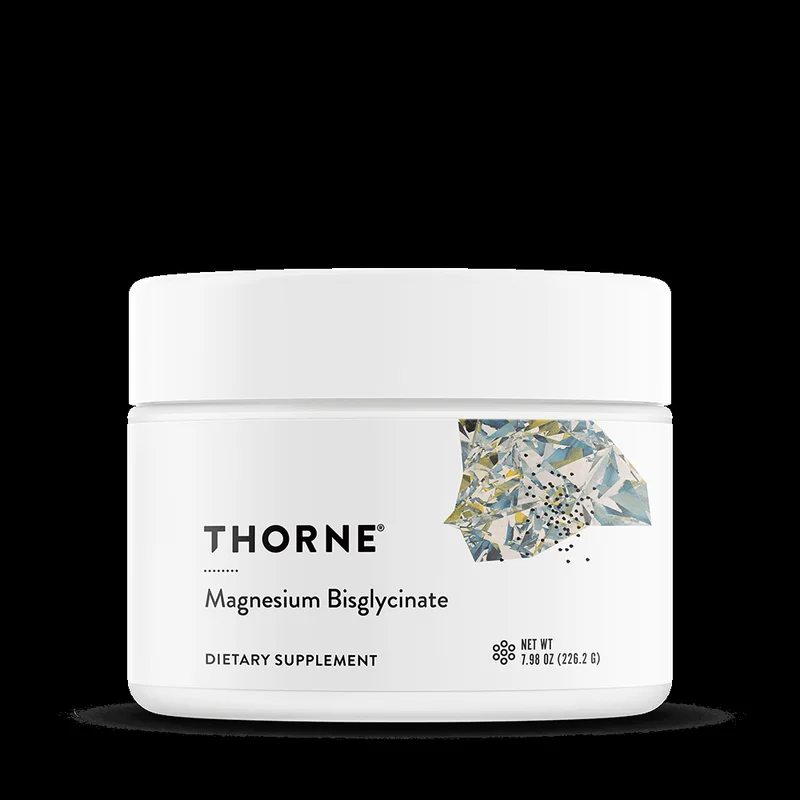
Magnesium Glycinate (Bisglycinate) — The Default Recommendation
Magnesium glycinate and magnesium bisglycinate are functionally the same compound — magnesium bound to two glycine amino acid molecules via chelation. The two names are often used interchangeably; Thorne, Pure Encapsulations, and most clinical-grade brands use them synonymously.
Absorption: ~80% in most published trials, the highest of any common magnesium form. Strong evidence Absorbed primarily in the small intestine via amino acid transporters, which means it bypasses the osmotic pathway that causes other forms (citrate, oxide) to draw water into the bowel.
Bonus effect — glycine: The glycine attached to each magnesium atom isn’t just a carrier. Glycine itself has sedative and anti-anxiety properties and is one of the few amino acids studied for improving sleep-onset latency. At the doses found in a 200 mg elemental magnesium bisglycinate pill, you’re also getting roughly 1.2 g of glycine — enough to contribute meaningfully to the sedative effect. This is why bisglycinate feels more calming than a pure-elemental equivalent.
Side effects: Essentially none at typical doses. Because absorption is complete at the small intestine, there’s no osmotic laxative effect.
Cost: Moderate. Thorne, Pure Encapsulations, and Designs for Health all sell high-quality versions at $15-30 per month.
Magnesium Citrate — The Middle Ground (and Laxative)
Magnesium citrate is magnesium bound to citric acid. It’s the most commonly sold form globally because it’s significantly better absorbed than oxide but much cheaper to manufacture than bisglycinate.
Absorption: ~40-50% in studies. Notably better than oxide, notably worse than bisglycinate. Strong evidence
Main feature — laxative effect: Citrate is an osmotic laxative. It draws water into the colon and produces loose stools within a few hours at doses ≥300 mg elemental magnesium. This is why pharmacy-strength magnesium citrate is sold as a bowel prep drink before colonoscopy. At everyday supplement doses (200-300 mg), most users get a mild stool-softening effect rather than full diarrhea.
When to pick citrate over bisglycinate:
- You have chronic constipation and the laxative effect is a feature, not a bug
- You’re on a tight budget — citrate is ~30% cheaper than bisglycinate per mg elemental magnesium
- You want a slightly more acidic digestive environment (rare, but useful for some low-stomach-acid users)
When to avoid citrate: Anyone with IBS-D, loose stools, or sensitive digestion should skip this form. The laxative effect is dose-dependent but hard to titrate precisely.
Magnesium Oxide — The One to Skip
Magnesium oxide is what you find in 95% of drugstore “magnesium” bottles and most generic multivitamins. It’s the cheapest form by a wide margin — often 10x cheaper per gram than chelated forms — which is exactly why it dominates low-end shelves.
Absorption: ~4% in published trials. Strong evidence The other 96% passes through the digestive tract unabsorbed, where it can cause loose stools at high doses (magnesium oxide is actually the active ingredient in Milk of Magnesia laxative).
The math: A 500 mg magnesium oxide tablet (which contains ~300 mg elemental magnesium) delivers approximately 12 mg of actually-absorbed magnesium. That’s less than what you’d get from a handful of spinach. Compare to 200 mg elemental magnesium bisglycinate which delivers ~160 mg absorbed — 13x more, from a pill with less raw material.
Legitimate use case: Occasional antacid. Magnesium oxide is a real antacid — it neutralizes stomach acid effectively. If you need short-term heartburn relief and don’t want aluminum-based antacids, magnesium oxide works for the job. Just don’t buy it as a supplement.
Absorption and Elemental Dose — Side-by-Side
| Form | % magnesium by weight | % absorbed | Effective dose from 500 mg pill |
|---|---|---|---|
| Bisglycinate | ~14% | ~80% | ~56 mg absorbed |
| Citrate | ~16% | ~40–50% | ~36 mg absorbed |
| Oxide | ~60% | ~4% | ~12 mg absorbed |
| Malate | ~11% | ~60% | ~33 mg absorbed |
| Threonate | ~8% | ~70% (brain-targeted) | ~28 mg absorbed, reaches CNS |
Bisglycinate’s per-pill yield looks “only” slightly better than citrate in raw numbers, but remember: the citrate pill comes with a laxative side effect. Bisglycinate delivers more absorbed magnesium with no GI penalty.
What About Threonate, Malate, and Taurate?
Magnesium L-Threonate (Magtein): The only form shown in human trials to significantly raise brain magnesium levels. Studied for age-related cognitive decline with modest effect sizes. Moderate evidence At 3-5x the cost of bisglycinate and requiring 2,000+ mg compound dose for 144 mg elemental, it’s specialty — not a first-line recommendation unless cognition is specifically your goal.
Magnesium Malate: Magnesium bound to malic acid, an intermediate in the ATP energy cycle. Claimed to help with fibromyalgia and chronic fatigue. Evidence is sparser than the three main forms but absorption is decent (~60%). Reasonable alternative to bisglycinate if energy is your specific goal.
Magnesium Taurate: Magnesium bound to taurine. Taurine itself has cardiovascular benefits, so this form is often marketed for heart health. Absorption is good but clinical data on the combined compound is thin — for heart health, the underlying evidence supports magnesium (any well-absorbed form) + taurine separately rather than this specific combination.
How Much Should I Actually Take?
The RDA is 310-420 mg elemental magnesium daily for adults. Food provides some — leafy greens, nuts, seeds, dark chocolate — but modern diets fall short for roughly half the US population.
Maintenance dose: 200-400 mg elemental magnesium bisglycinate daily. Split across morning and evening if over 300 mg, or take the whole dose 30-60 minutes before bed for sleep benefits.
Therapeutic dose (documented deficiency, muscle cramps, migraines): 400-600 mg elemental daily, usually split across 2-3 doses. Upper Tolerable Intake from supplements (not food) is 350 mg in the US — that’s a GI-tolerance limit, not a toxicity threshold. Exceeding it often causes loose stools.
When to Take Magnesium
Timing matters less than consistency, but there are nuances:
Evening: Bisglycinate specifically benefits from evening dosing — the glycine component enhances sleep quality. This is the default recommendation for most users.
Morning: If you get any drowsiness from evening doses (rare), shift to morning. Threonate is often recommended in the morning for cognitive benefit during waking hours.
With or without food: Bisglycinate absorbs well either way. Citrate and oxide are better tolerated with food, which slows gastric emptying and reduces the laxative spike. See our best time to take magnesium guide for the full breakdown.
Interactions Worth Knowing
Magnesium interacts with several common medications:
- Antibiotics (tetracyclines, quinolones): Magnesium binds to these and blocks absorption. Separate by 4-6 hours.
- Bisphosphonates (osteoporosis drugs): Same issue — separate doses by 2+ hours.
- Levothyroxine (thyroid): Magnesium reduces T4 absorption. Take magnesium at least 4 hours after your morning levothyroxine.
- Diuretics: Loop and thiazide diuretics deplete magnesium; you may need more. Potassium-sparing diuretics can cause retention.
Check any stack with Formulate’s free interaction checker before combining magnesium with prescription medications.
Frequently Asked Questions
Is magnesium glycinate the same as magnesium bisglycinate?
Functionally yes. Bisglycinate specifically means two glycine molecules per magnesium atom, which is the standard chelation ratio. Most products labeled “glycinate” are actually bisglycinate. True mono-glycinate (one glycine per magnesium) is rare and not commonly sold.
Can I take magnesium glycinate with food?
Yes. Bisglycinate absorbs well regardless of food. Taking with meals doesn’t hurt absorption and can improve comfort if you have a sensitive stomach.
Why do I feel sleepy from magnesium?
Bisglycinate in particular combines magnesium (which relaxes smooth muscle and downregulates the HPA stress axis) with glycine (an inhibitory neurotransmitter). Both contribute to sedation. If you’re sensitive, this is a feature — most users take it before bed. If it’s unwanted, switch to citrate or malate.
Does magnesium really help with sleep and anxiety?
Moderate evidence — multiple randomized trials show improvement in subjective sleep quality scores and mild-to-moderate anxiety, especially in deficient individuals. Effect size is modest but consistent. Moderate evidence See our magnesium for anxiety guide.
Can I take too much magnesium?
From food, essentially no — healthy kidneys excrete excess. From supplements, the 350 mg/day UL is a GI-tolerance guideline; most people can handle more in practice. Signs of overdose include diarrhea, nausea, weakness, and very high doses can cause arrhythmia. Kidney disease changes all these thresholds — check with a clinician.
Bottom Line
If you’re starting magnesium today with no specific goal, buy magnesium bisglycinate at 200-400 mg elemental, take it before bed, and stop reading about forms. You’ve picked the one with the best absorption, the fewest side effects, and the widest clinical evidence.
Save oxide for the antacid shelf. Reach for citrate if constipation is your primary issue. Save threonate for cognition-specific needs where the 3-5x price is justified. Everything else is edge-case.
Turn this into your stack
Answer two questions and we'll build an evidence-graded starter stack — every ingredient with its dose, timing, and interaction checks.
Free · no account needed to start
Interactions to know
How these pair with other supplements and medications
- Warningppi+magnesium
PPIs can cause hypomagnesemia
- Cautioncalcium+magnesium
High calcium can impair magnesium absorption
- Cautionfiber+minerals
Fiber can reduce mineral absorption
- Cautionmagnesium+calcium channel blockers
Magnesium may enhance BP lowering effect
- Cautionmagnesium+antacids
PPIs impair magnesium absorption
- Cautionnsaids+magnesium
NSAIDs may reduce magnesium levels
- Cautionmagnesium+thyroid medication
Magnesium may reduce thyroid med absorption
- Synergymagnesium+vitamin d
Magnesium needed for vitamin D activation
Check your full stack in the free interaction checker.
Read next
8 Signs of Magnesium Deficiency – 2026 Guide
Muscle cramps, twitching eyelids, and poor sleep may signal low magnesium. Learn all 8 signs, why standard blood tests miss it, and how to fix it.
Best Magnesium Supplements 2026, Ranked by Clinical Evidence
Learn which magnesium form actually matches your goal — glycinate, threonate, citrate and more — and see the top-scored magnesium products in our catalog.
Best Food Sources of Magnesium
Roughly half of adults fall short on magnesium. The top whole-food sources - leafy greens, nuts, seeds, legumes, dark chocolate - plus how much you need and when a supplement helps.
The deep science of sleep — circadian biology, sleep stages, and what actually moves the needle.
Evidence-based supplement guides, no spam
We send a short digest when new guides drop — nothing else. No affiliate pushes, no sponsored content, unsubscribe anytime.