Best Time to Take Magnesium: The Timing Science (2026)
Morning, evening, or with food — when you take magnesium matters more than you think. Form-specific timing rules backed by clinical research.
- Magnesium glycinate and threonate work best taken 30–60 minutes before bed for sleep and cognitive benefits.
- Magnesium citrate is better in the morning or early afternoon — its mild laxative effect makes evening dosing risky.
- Magnesium oxide has roughly 4% absorption and isn’t worth your money regardless of timing.
- Split any dose above 200 mg into two servings to improve absorption and reduce GI issues.
- Space magnesium at least 2 hours from iron, calcium, and certain antibiotics.
- Taking magnesium with food slightly lowers absorption but significantly reduces stomach upset.
The best time to take magnesium depends almost entirely on the form you’re using and why you’re taking it. Magnesium glycinate before bed leverages glycine’s calming properties for sleep, while citrate belongs in your morning routine to avoid middle-of-the-night bathroom trips. Getting the timing wrong won’t make magnesium dangerous—but it can make it far less useful.
Why Magnesium Timing Actually Matters
Most supplement timing is overhyped. Magnesium is a genuine exception for two reasons. First, different magnesium forms have distinct secondary effects—glycine is calming, citrate is osmotically active in the gut, threonate crosses the blood-brain barrier—and those effects interact with your circadian cycle. Second, magnesium competes for absorption with other minerals, so when you take it relative to food and other supplements changes how much you actually absorb.
The intestinal transporter system for magnesium (primarily TRPM6/7 channels) saturates at moderate doses. That’s why dumping 400 mg at once yields diminishing returns compared to splitting the same amount across the day. Timing isn’t about hacking biology—it’s about working within absorption limits your gut already set.
Morning vs. Evening: It Depends on the Form
The “morning or night?” question has no single answer. If you picked up magnesium glycinate for sleep, taking it at 7 a.m. wastes its most useful property. If you’re using citrate for general supplementation, a bedtime dose might wake you at 2 a.m. with urgency you didn’t plan for.
Here’s the decision framework: calming forms go at night, gut-active forms go in the morning, and cognitive forms get split across both. If you’re unsure which form you have, check our guide to the best magnesium supplements for a breakdown.
Form-by-Form Timing Guide
Magnesium Glycinate
When: 30–60 minutes before bed.
Why: Glycine, the amino acid carrier, acts as an inhibitory neurotransmitter. Abbasi et al. (2012) found that magnesium supplementation at bedtime improved sleep quality, sleep time, and serum melatonin in elderly subjects with insomnia. The study used bedtime dosing specifically, which supports the pre-bed window. Glycinate is also one of the gentlest forms on the stomach, so evening dosing without food is usually fine.
Magnesium L-Threonate (Magtein®)
When: Split dose—one capsule in the morning, one or two before bed.
Why: Threonate is the only form with direct evidence of crossing the blood-brain barrier and raising brain magnesium concentrations. Bhatt et al. Liu et al. (2016) used a split AM/PM protocol to support memory and cognitive function. The earlier foundational work by Bhatt et al. Bhatt Slutsky et al. (2010) demonstrated that elevated brain magnesium enhanced synaptic plasticity in rats. The evening portion supports overnight memory consolidation.
Magnesium Citrate
When: Morning or early afternoon, with food.
Why: Citrate has decent bioavailability but draws water into the intestines. For many people this means a mild to moderate laxative effect. Taking it in the morning gives your gut the full day to process it. If constipation relief is a feature rather than a bug, morning citrate can be a two-for-one.
Magnesium Taurate
When: Evening, 30–60 minutes before bed, or split AM/PM.
Why: Taurine has mild calming and cardiovascular-supporting properties. The evening dose aligns with those effects. Taurate is well-tolerated and unlikely to cause GI distress, giving you flexibility.
Magnesium Oxide
When: Ideally, never.
Why: Firoz & Graber (2001) measured magnesium oxide absorption at roughly 4% compared to citrate’s approximately 25–30%. Even perfect timing can’t salvage a form your body barely absorbs. The only scenario where oxide makes sense is as a low-cost osmotic laxative—not as a magnesium supplement. If your current product uses oxide, it’s time to switch.
With or Without Food?
Taking magnesium with a meal slightly reduces peak absorption because food slows gastric emptying and other minerals in the meal compete for transport. However, the practical difference for most people is small, and taking it with food dramatically reduces the nausea and GI discomfort that drives people to quit supplementing altogether.
The rule: If your stomach handles magnesium fine on its own, take it between meals for maximum absorption. If you feel any queasiness or cramping, take it with food and don’t worry about the modest absorption tradeoff. Consistency beats optimization.
Timing for Specific Goals
Sleep
Magnesium glycinate or threonate, 30–60 minutes before bed. This is the most evidence-supported timing pairing in all of magnesium supplementation. If you’re building a broader sleep supplement protocol, magnesium is an ideal anchor to layer other ingredients around.
Anxiety and Stress
Glycinate or taurate, split into morning and evening doses. The goal is steady-state magnesium levels throughout the day rather than a single spike. If you know your anxiety peaks at a specific time, take a dose 1–2 hours before that window.
Cognitive Performance
Magnesium threonate, split AM/PM per the Liu (2016) protocol. The morning dose supports daytime focus; the evening dose supports overnight memory consolidation. This is the only form with direct evidence of raising cerebrospinal fluid magnesium.
Muscle Cramps and Exercise Recovery
Glycinate or citrate, 1–2 hours before exercise for cramp prevention. Post-workout dosing is also reasonable for recovery. If you experience exercise-related cramps, it’s also worth checking whether you show other magnesium deficiency signs—cramping alone is common but low magnesium amplifies it.
Drug and Supplement Interactions to Time Around
Magnesium is a divalent cation, which means it binds readily to other compounds in the gut. A few spacing rules matter clinically:
- Iron: Separate by at least 2 hours. Magnesium and iron compete directly for absorption and will blunt each other.
- Calcium: Separate by at least 2 hours. Same transporter competition. If you take both, put calcium in the morning and magnesium at night (or vice versa).
- Antibiotics (tetracyclines, fluoroquinolones): Separate by at least 2–4 hours. Magnesium chelates these drugs and can reduce their effectiveness—this isn’t a theoretical concern, it’s in the prescribing information.
- Bisphosphonates (e.g., alendronate): Take bisphosphonates first on an empty stomach, then wait at least 30–60 minutes before magnesium or food.
- Thyroid medication (levothyroxine): Separate by at least 4 hours. Magnesium can impair thyroid hormone absorption significantly.
For a broader view of how to layer multiple supplements without conflicts, see our full supplement timing guide.
Should You Split Doses?
Yes, if your daily target is above 200 mg of elemental magnesium. The intestinal transporters that absorb magnesium saturate at moderate doses, meaning you get proportionally less from a single large dose than from two smaller ones. Splitting also reduces the odds of GI side effects, especially with citrate.
A practical split: 100–200 mg in the morning, 100–200 mg in the evening. For threonate, the manufacturer’s studied protocol is two capsules in the evening and one in the morning, totaling about 144 mg elemental magnesium per day.
Who Should Talk to a Doctor First
Magnesium is generally safe for most adults at supplemental doses of 200–400 mg per day. However, certain groups need clinical guidance before starting or adjusting timing:
None of the above is medical advice. Bring your full supplement list to your next provider visit.
Frequently Asked Questions
Can I take magnesium and calcium at the same time?
It’s better not to. Calcium and magnesium compete for the same intestinal absorption pathways. Taking them together reduces how much of each you absorb. A simple fix: calcium in the morning, magnesium in the evening (or at least 2 hours apart). If your multivitamin contains both, the doses are usually low enough that competition is minimal.
Does magnesium make you sleepy? Should I avoid it in the morning?
Only certain forms have notable calming effects. Magnesium glycinate and taurate may promote relaxation, making them better suited for evening use. Magnesium citrate and threonate (morning dose) are unlikely to cause daytime drowsiness. If you notice fatigue after a morning dose, switch that serving to the evening and observe the difference.
How long after coffee should I wait to take magnesium?
At least one hour. Coffee’s tannins and polyphenols can bind divalent minerals like magnesium in the gut and reduce absorption. This applies to tea as well. The simplest approach is to take your morning magnesium with breakfast after you’ve finished your coffee, rather than alongside it.
Can I take magnesium on an empty stomach?
You can, and absorption is technically better on an empty stomach. However, many people experience nausea, cramping, or loose stools—especially with citrate. Glycinate and threonate are usually tolerated well without food. If you notice any GI discomfort, switch to taking it with a meal. The absorption difference is modest; the compliance difference is huge.
What happens if I take magnesium at the “wrong” time?
Nothing dangerous. Magnesium doesn’t become harmful based on timing. You just miss out on form-specific benefits—glycine’s calming effect wasted during the day, citrate’s laxative effect disrupting your sleep. If you can only remember to take it at one specific time daily, take it then. Consistency matters more than perfect timing.
I take magnesium for leg cramps at night. When should I dose it?
Try taking magnesium glycinate 1–2 hours before bed. This gives the mineral time to reach meaningful serum levels before the overnight hours when nocturnal cramps typically strike. If cramps happen during exercise instead, take your dose 1–2 hours before your workout. Consistent daily supplementation matters more than single-dose timing for cramp prevention.
- 1
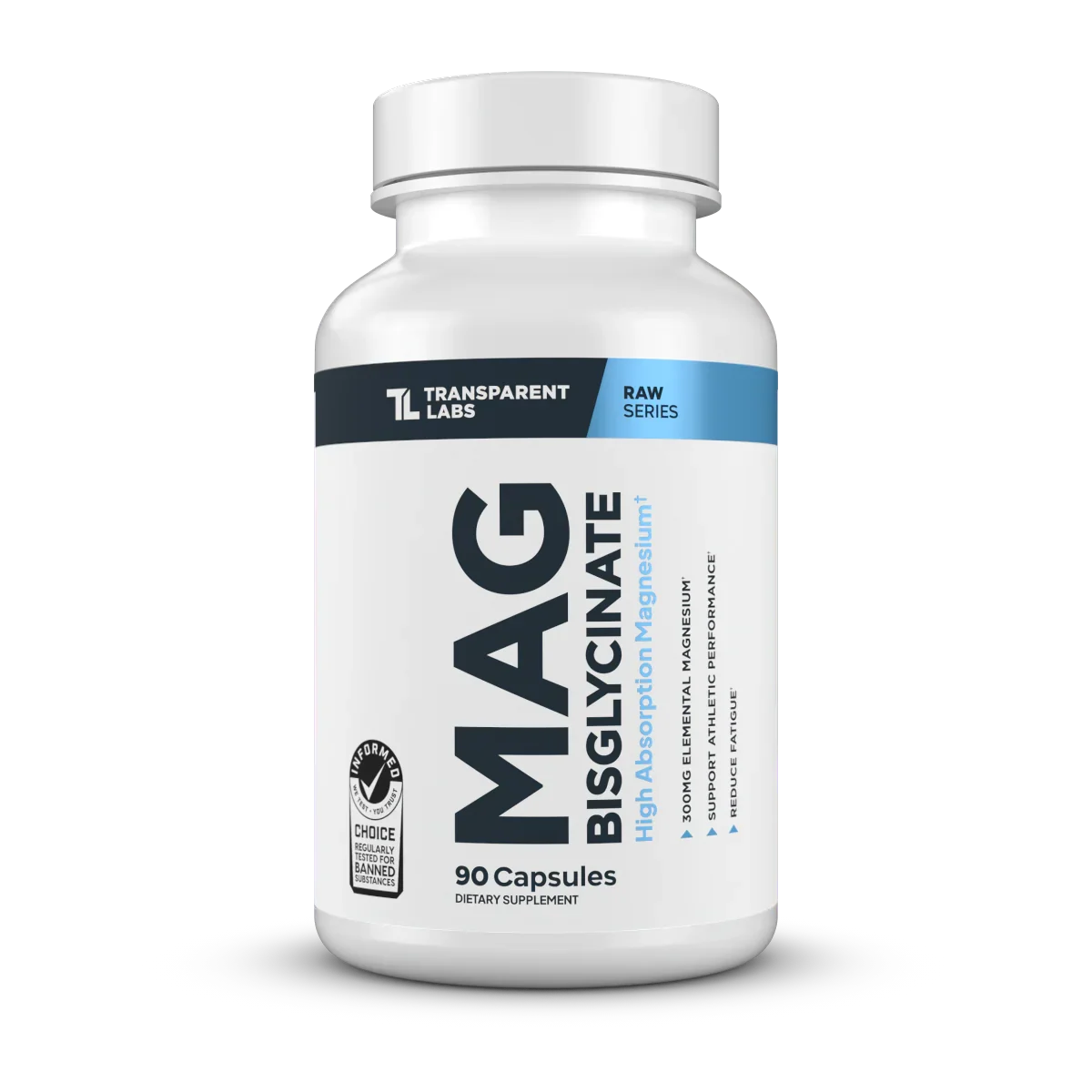 Magnesium Bisglycinate CapsulesTransparent Labs · $16.9896
 - 2
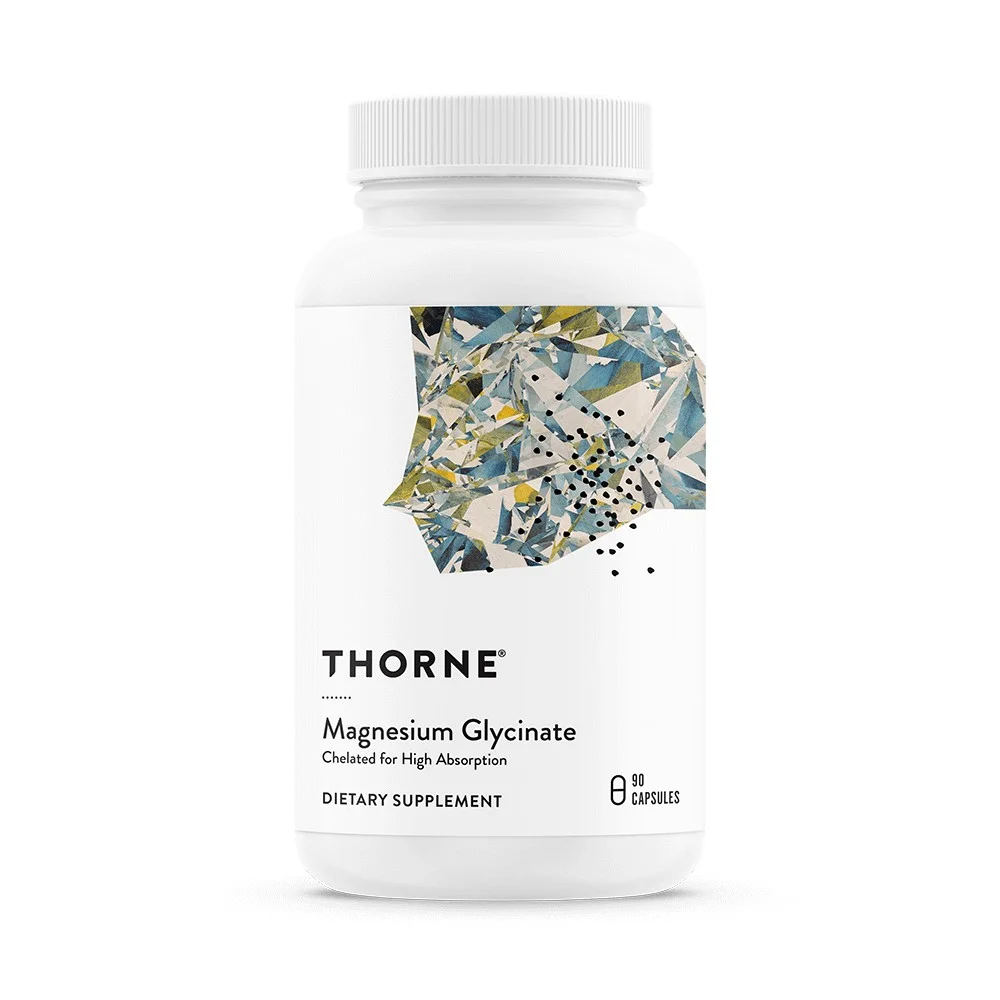 Magnesium GlycinateThorne · $25.0096
 - 3
 Magnesium+ (Extra Strength) CapsulesNutricost · $16.9796
 - 4
 Magnesium Glycinate 210MGNutricost · $11.9791
 - 5
 UltraMag MagnesiumPure Encapsulations · $50.0091
Recomputed from the catalog every time this page is built, so it moves as products are added and rescored. Flavours and pack sizes of one product count once.
The Bottom Line
Magnesium timing isn’t about chasing a 3% absorption edge—it’s about matching the form’s secondary effects to the time of day they’re most useful and avoiding interactions that meaningfully reduce absorption.
If you’re taking magnesium glycinate for sleep, the answer is simple: 30–60 minutes before bed, optionally with a small snack if it bothers your stomach. If you’re using threonate for cognition, split the dose into morning and evening per the studied protocol. If you’re on citrate for general supplementation, keep it in the morning and away from bedtime.
Regardless of form, split any dose above 200 mg elemental into two servings. Space magnesium at least 2 hours from iron, calcium, thyroid meds, and antibiotics. Wait an hour after coffee. And if you’re currently taking magnesium oxide, the best timing advice is to stop buying it and switch to a form your body can actually use.
The most important timing rule is the one nobody talks about: take it consistently, every day, at whatever time you’ll actually remember. A perfectly timed dose you forget three days a week does less than a sub-optimally timed dose you take every single night. Build it into an existing habit—brushing your teeth, sitting down for breakfast, your bedtime routine—and the timing details in this guide become the refinements on top of what really matters: showing up.
Supplements that support this
Turn this into your stack
Answer two questions and we'll build an evidence-graded starter stack — every ingredient with its dose, timing, and interaction checks.
Free · no account needed to start
Interactions to know
How these pair with other supplements and medications
- Warningppi+magnesium
PPIs can cause hypomagnesemia
- Cautioncalcium+magnesium
High calcium can impair magnesium absorption
- Cautionmagnesium+calcium channel blockers
Magnesium may enhance BP lowering effect
- Cautionmagnesium+antacids
PPIs impair magnesium absorption
- Cautionnsaids+magnesium
NSAIDs may reduce magnesium levels
- Cautionmagnesium+thyroid medication
Magnesium may reduce thyroid med absorption
- Synergymagnesium+vitamin d
Magnesium needed for vitamin D activation
- Synergymelatonin+magnesium
Complementary sleep support
Check your full stack in the free interaction checker.
Read next
Magnesium Glycinate vs Citrate vs Oxide: Which Form Actually Absorbs?
Glycinate (80% absorbed) vs citrate (50%) vs oxide (4%) — with elemental-dose math, side effects, and picks for sleep, constipation, and cognition.
Supplement Timing Guide 2026 — Backed by Science
Learn which supplement timing rules genuinely affect absorption — fat-soluble vitamins, mineral conflicts, and what disrupts sleep. A practical, evidence-based guide.
8 Signs of Magnesium Deficiency – 2026 Guide
Muscle cramps, twitching eyelids, and poor sleep may signal low magnesium. Learn all 8 signs, why standard blood tests miss it, and how to fix it.
The deep science of sleep — circadian biology, sleep stages, and what actually moves the needle.
Evidence-based supplement guides, no spam
We send a short digest when new guides drop — nothing else. No affiliate pushes, no sponsored content, unsubscribe anytime.