NAC Supplement Guide 2026 | Evidence-Based Overview
NAC is your body’s most efficient glutathione precursor. Explore clinical evidence on dosing, OCD, liver protection, and who benefits most from supplementing.
- NAC is the most efficient oral precursor to glutathione — your body's master antioxidant
- Hospital standard of care for acetaminophen overdose; FDA-approved as a mucolytic
- Emerging evidence for OCD, addiction, and depression as an adjunctive treatment
- 600mg twice daily on an empty stomach; take before (never during) drinking alcohol
NAC (N-Acetyl Cysteine) is a modified form of the amino acid cysteine and the most efficient oral precursor to glutathione, your body’s master antioxidant. Glutathione drives virtually every detoxification pathway in the liver, and NAC replenishes it. Originally an ER drug for acetaminophen overdose and an FDA-approved mucolytic, NAC is now studied for OCD, addiction, and broader antioxidant support.
Why Glutathione Matters (and Why You Can’t Just Take It Directly)
Glutathione is a tripeptide — three amino acids bonded together: cysteine, glycine, and glutamic acid. Of these three, cysteine is the rate-limiting step. Your body has plenty of glycine and glutamic acid, but cysteine availability determines how much glutathione you can produce.
Why not just take glutathione directly? Because oral glutathione has terrible bioavailability. It gets broken down in your digestive tract before it reaches your cells. Liposomal glutathione is somewhat better, but significantly more expensive. NAC sidesteps the problem entirely: it gives your cells the raw material (cysteine) and lets them build glutathione on-site, where it’s actually needed.
A 2011 study by Rushworth & Megson in Pharmacology & Therapeutics laid out the biochemistry clearly: NAC replenishes intracellular cysteine pools, which directly increases glutathione synthesis in the liver, lungs, and kidneys — the organs with the highest detoxification burden. Strong evidence
The Evidence: Where NAC Is Strongest
Acetaminophen Overdose (Hospital Standard of Care)
This is NAC’s most established use. When someone overdoses on acetaminophen (Tylenol), the liver’s glutathione stores get overwhelmed by a toxic metabolite called NAPQI. Without intervention, this causes acute liver failure. IV NAC is the standard antidote, used in emergency departments worldwide since the 1970s. It works by rapidly restoring glutathione levels so the liver can neutralize NAPQI before irreversible damage occurs. Strong evidence
This isn’t theoretical or preliminary. It’s established medicine with decades of clinical use. It tells you something important about NAC’s mechanism: it genuinely, measurably replenishes glutathione when it matters most.
Mucolytic (FDA-Approved)
NAC breaks disulfide bonds in mucus glycoproteins, thinning and loosening thick mucus. This is why it’s FDA-approved under the brand name Mucomyst® and used in hospitals for patients with cystic fibrosis, COPD, and other respiratory conditions. If you’ve ever had a stubborn chest cold, NAC at 600mg twice daily can meaningfully reduce mucus thickness and make productive coughing easier. Strong evidence
Mental Health: OCD, Addiction, and Compulsive Behaviors
This is where NAC gets genuinely interesting for the supplement crowd. A growing body of research suggests NAC modulates the glutamate system — the brain’s primary excitatory neurotransmitter — through a mechanism involving the cystine-glutamate antiporter. This has implications for conditions driven by compulsive or repetitive behaviors.
Grant et al. (2009) published a randomized controlled trial in Biological Psychiatry showing that NAC at 1,200–2,400mg/day significantly reduced gambling urges in pathological gamblers compared to placebo. 83% of NAC participants were classified as responders versus 29% on placebo. Moderate evidence
Berk et al. (2013), in a meta-analysis published in Neuroscience & Biobehavioral Reviews, reviewed NAC across multiple psychiatric conditions and found evidence supporting its use as an adjunctive treatment for depression, bipolar disorder, OCD, and addiction. The proposed mechanism: by normalizing glutamate signaling, NAC reduces the compulsive “pull” that underlies these conditions. Moderate evidence
Deepmala et al. (2015) published a systematic review in The Journal of Clinical Psychiatry covering 16 RCTs across psychiatric and neurological conditions. They found the strongest evidence for NAC in depressive symptoms, with emerging support for addiction, OCD, and schizophrenia. Moderate evidence
To be clear: NAC is not a replacement for psychiatric medication. But as an adjunct — something you take alongside conventional treatment — the evidence is surprisingly solid for a supplement.
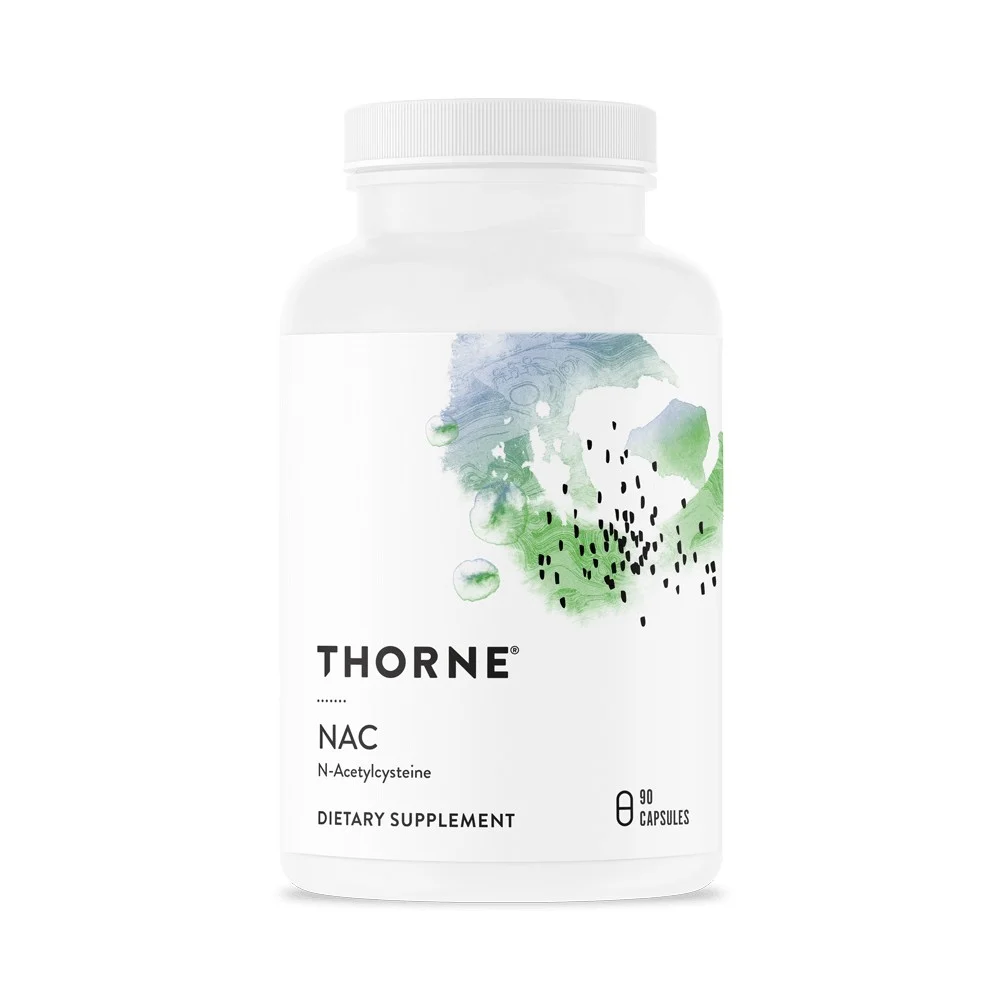
Liver Support and Detoxification
Beyond the dramatic overdose scenario, NAC supports everyday liver function through the same glutathione mechanism. Your liver processes every toxin you encounter — alcohol, environmental pollutants, medication metabolites, food additives — and glutathione is the primary molecule it uses to neutralize them.
A 2018 study in Hepatology Communications showed that NAC supplementation improved markers of liver function in patients with non-alcoholic fatty liver disease (NAFLD). For people who drink regularly, take frequent Tylenol, or live in high-pollution environments, NAC provides meaningful support to a system that’s under chronic load. Moderate evidence For the full NAFLD supplement picture — vitamin E, omega-3s, milk thistle, andberberine alongside NAC — see our best supplements for fatty liver roundup.
If you’re building a longevity-oriented stack, liver resilience is an underappreciated pillar. Our beginner longevity stack guide covers how NAC fits alongside other foundational supplements.
The FDA Controversy
In 2020, the FDA sent warning letters to several NAC supplement manufacturers, arguing that because NAC was approved as a drug (Mucomyst®) before it was marketed as a supplement, it couldn’t legally be sold as a dietary supplement under the DSHEA framework. Amazon temporarily pulled NAC products from its marketplace.
This triggered significant backlash from the supplement industry and consumers. By 2022, the FDA effectively reversed course, issuing guidance that it would exercise “enforcement discretion” and not take action against NAC supplements. Products returned to shelves, and NAC is widely available again — but the episode is a useful reminder of the regulatory gray zones supplements operate in.
Dosing, Timing, and Practical Advice
- Dose: 600–1,800mg per day, split into 2–3 doses. The most common protocol is 600mg twice daily. The psychiatric studies used up to 2,400mg/day, but start lower and assess tolerance.
- Timing: take on an empty stomach for best absorption — at least 30 minutes before meals or 2 hours after. NAC competes with other amino acids for absorption, so food reduces uptake. (See our supplement timing guide for scheduling NAC alongside the rest of your stack.)
- Form: capsules are standard. NAC powder exists but tastes aggressively sulfurous — most people find it unpleasant. Capsules also make dosing more precise.
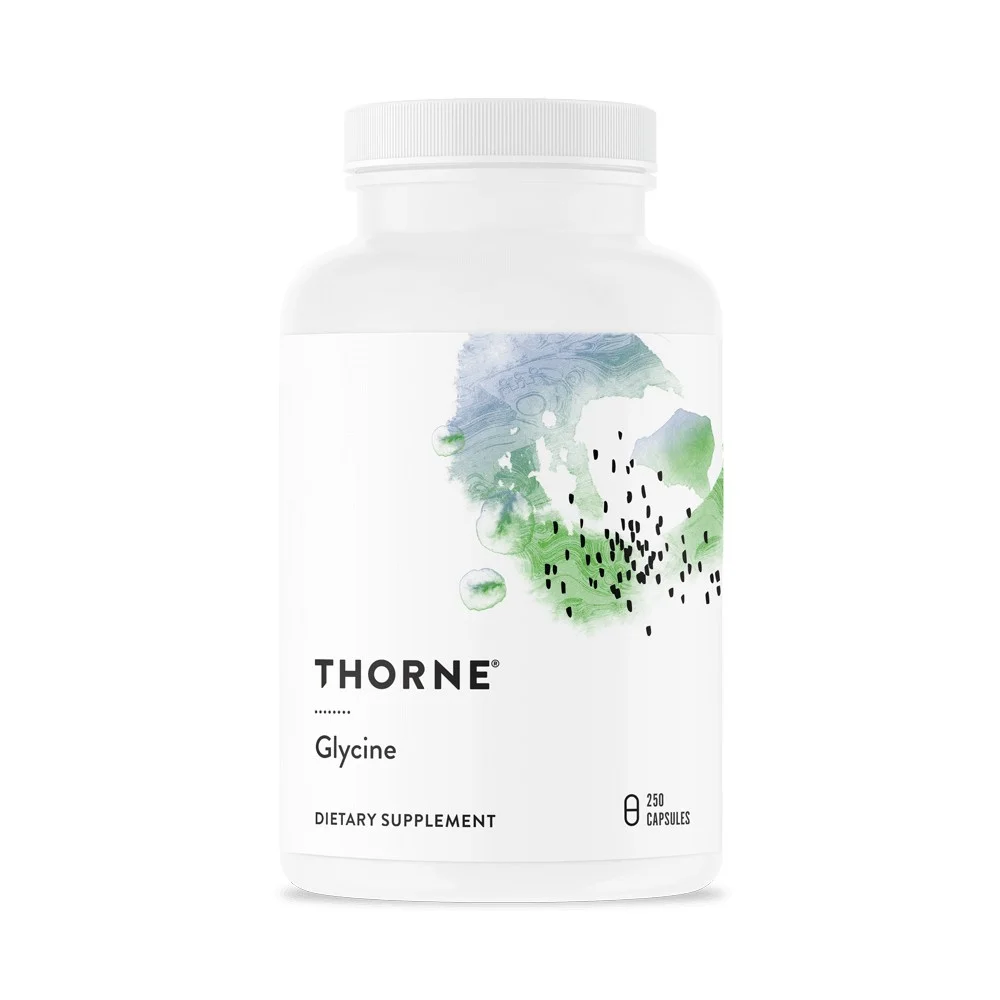
- Synergistic pairing: NAC works best when your body has adequate cofactors for glutathione synthesis. Consider pairing with vitamin C (which recycles glutathione), selenium (a cofactor for glutathione peroxidase), and glycine (the other rate-limiting amino acid in glutathione production, especially in older adults).
Who Benefits Most
NAC isn’t for everyone in the same way magnesium or vitamin Dmight be. It shines brightest for people with specific oxidative stress burdens:
- Regular drinkers. Alcohol metabolism produces acetaldehyde, which depletes glutathione. If you drink more than a few times per week, your glutathione stores are chronically suppressed.
- Frequent acetaminophen users. Even at therapeutic doses, Tylenol taxes your glutathione reserves. If you take it regularly for headaches or chronic pain, NAC provides a buffer.
- People in polluted environments. Urban air pollution, occupational chemical exposure, and heavy traffic all increase oxidative burden. NAC supports the detoxification pathways that handle these exposures.
- Athletes under heavy training loads. Intense exercise generates significant reactive oxygen species. While some oxidative stress is a necessary training signal, excessive amounts impair recovery. NAC can help manage the balance.
- Anyone managing compulsive behaviors. If you struggle with OCD, skin-picking, hair-pulling, or addictive patterns, discuss NAC with your doctor as a potential adjunct.
Side Effects and Cautions
NAC is generally well-tolerated. The most common side effects are GI-related: nausea, diarrhea, and stomach discomfort, especially at higher doses or when taken without building up gradually. Starting at 600mg once daily and increasing over a week or two usually avoids this.
The sulfur content means NAC can cause gas and a mildly unpleasant body odor in some people — this is harmless but worth knowing about.
One theoretical concern: because NAC is a potent antioxidant, very high doses could theoretically blunt the hormetic stress response from exercise (the same concern that exists with high-dose vitamin C post-workout). If this concerns you, take NAC away from your training window — morning and evening dosing with afternoon training, for example.
NAC vs. GlyNAC: Should You Take Both?
NAC vs. GlyNAC is a distinction that matters more the older you get. Earlier in this guide, we noted that cysteine is the rate-limiting amino acid for glutathione production. That's true — in younger adults. But a landmark 2021 trial by Kumar et al. in Nature Metabolism revealed that in older adults, glycine becomes co-rate-limiting, meaning supplementing cysteine alone leaves the glutathione assembly line bottlenecked at a second point.
What Kumar et al. Actually Found
The trial gave older adults (aged 61–80) either GlyNAC — a combination of glycine (100 mg/kg/day) and NAC (100 mg/kg/day) — or a placebo for 16 weeks. The GlyNAC group saw glutathione levels increase by roughly 200%, alongside significant corrections in oxidative stress, mitochondrial dysfunction, inflammation, insulin resistance, and endothelial function. Notably, many of these improvements reversed within 12 weeks of stopping supplementation. Moderate evidence A prior pilot by the same group (Sekhar et al., 2011, The American Journal of Clinical Nutrition) had shown that neither glycine nor NAC alone matched the combination's effect on glutathione repletion in older adults.
Practical Protocol for Readers Over 50
If you're over 50 and already taking NAC, consider adding glycine rather than switching products. A common approach mirrors the Kumar dosing: roughly 1.2 g of NAC plus 1.2 g of glycine twice daily (the trial used weight-based dosing near these amounts for an average-sized adult). Glycine powder is inexpensive, mildly sweet, and mixes easily into water — a far more pleasant experience than NAC powder.
Take both on an empty stomach, consistent with the supplement timing guidance elsewhere in this guide. Glycine can also support sleep quality at these doses, which is a useful secondary benefit. If you're on medications or managing a chronic condition, consult your healthcare provider before adding GlyNAC to your regimen.
Drug Interactions and Contraindications
Drug interactions with NAC are clinically relevant and underreported in the supplement space. If you take any prescription medication, read this section carefully before adding NAC to your regimen.
Nitroglycerin and Nitrates
NAC potentiates the vasodilatory effects of nitroglycerin and other nitrate medications (isosorbide mononitrate, isosorbide dinitrate). This combination can cause severe hypotension — dangerously low blood pressure — including headaches, dizziness, and syncope. Boesgaard et al. (1992) demonstrated in Circulation that NAC enhanced the hemodynamic effects of nitroglycerin in heart failure patients. If you take any nitrate-based heart medication, NAC is contraindicated without explicit cardiologist approval.
Immunosuppressants
NAC modulates immune function through glutathione-dependent pathways. For anyone on immunosuppressants — cyclosporine, tacrolimus, mycophenolate, or similar — this creates unpredictable interactions. NAC could theoretically alter drug efficacy in either direction. Consult your transplant team or prescribing physician before use.
Chemotherapy and the Antioxidant Debate
This remains genuinely controversial. Some oncologists worry that antioxidants like NAC could protect tumor cells from oxidative damage that chemotherapy and radiation deliberately inflict. Sayin et al. (2014) published findings in Science Translational Medicine showing NAC accelerated lung tumor progression in mice. Others argue NAC may reduce treatment side effects without compromising efficacy. The evidence is unsettled. Emerging evidence Do not take NAC during cancer treatment without your oncologist's explicit sign-off — this isn't a gray area for self-experimentation.
Activated Charcoal
If you take activated charcoal (sometimes used for detox protocols or GI issues), know that it adsorbs NAC and significantly reduces its bioavailability. Separate dosing by at least two hours, or you're wasting both supplements.
Psychiatric Medications
The guide above discusses NAC's glutamate-modulating effects as a feature for mental health applications. But that same mechanism means NAC can interact with psychiatric medications — SSRIs, lithium, antipsychotics, and anticonvulsants all touch glutamate or monoamine pathways that NAC influences. Don't add NAC to a psychiatric regimen without telling your prescriber.
The bottom line: NAC is safe for most healthy adults, but its pharmacological activity is real — which is exactly why it works. That same activity means it interacts with real drugs in real ways. Bring your full medication and supplement list to your provider before starting.
NAC for PCOS and Fertility: What the Research Shows
NAC for PCOS is one of the more compelling use cases emerging from reproductive endocrinology research. Polycystic ovary syndrome involves insulin resistance, chronic inflammation, and oxidative stress — all pathways where NAC's glutathione-replenishing mechanism is directly relevant. The clinical data here isn't just mechanistic hand-waving; there are actual RCTs.
Thakker et al. (2015) published a systematic review in Obstetrics & Gynecology International evaluating NAC's effects in women with PCOS. Across multiple RCTs using 1,200–1,800 mg/day, NAC improved ovulation rates and menstrual cycle regularity compared to placebo. Moderate evidence Some trials found NAC comparable to metformin for ovulation induction when combined with clomiphene citrate — a notable finding given metformin's established role in PCOS management.
Rizk et al. (2005) demonstrated that NAC at 1,200 mg/day alongside clomiphene significantly increased both ovulation rate and pregnancy rate versus clomiphene plus placebo. Separately, Salehpour et al. (2012) reported improvements in insulin sensitivity and testosterone levels in PCOS patients taking 1,800 mg/day for six weeks. These hormonal shifts align with what you'd expect from reduced oxidative stress and improved insulin signaling.
There's also early-stage investigation into NAC for pregnancy complications like preeclampsia, based on the role oxidative stress plays in placental dysfunction. This research is genuinely preliminary — not ready for clinical application. Emerging evidence
The bottom line: NAC is not a standalone fertility treatment, but the RCT evidence for NAC in PCOS — particularly for ovulation support at 1,200–1,800 mg/day — is more substantive than what most supplements can claim in this space. It deserves a conversation with your doctor, not a solo experiment. For how NAC fits alongside inositol, vitamin D, and the other evidence-backed options, see our full best supplements for PCOS roundup.
How Long Until NAC Works? Setting Realistic Expectations
How long until NAC works depends entirely on what you're taking it for. The glutathione-replenishing mechanism kicks in quickly — within hours to days, your liver's cysteine pools begin refilling. But the downstream effects you actually notice operate on very different timescales depending on the target system.
A Realistic Timeline
Weeks 1–2: GI adjustment. This is when most people experience the mild nausea, bloating, or loose stools that come with sulfur-containing compounds. Starting at 600mg once daily and titrating up minimizes this. Your body is adapting, not benefiting yet in any perceptible way. Don't judge NAC by this phase.
Weeks 4–6: Antioxidant and recovery effects. By this point, glutathione stores are meaningfully replenished. People taking NAC for liver support, exercise recovery, or general antioxidant defense often report feeling "cleaner" — less post-alcohol malaise, slightly faster workout recovery, easier breathing. These effects align with the hepatic and mucolytic timelines seen in clinical use. Moderate evidence
Weeks 8–12: Psychiatric symptom assessment. This is the critical window most people underestimate. The RCTs on OCD, compulsive behaviors, and addiction — including Grant et al. (2009) on gambling urges and Berk et al. (2013) across multiple psychiatric conditions — ran for 8 to 12 weeks before measuring outcomes. NAC's glutamate-modulating effects require sustained exposure to shift compulsive patterns. Quitting at week 4 means you never actually ran the experiment.
For context on how NAC fits into a broader supplement schedule — and how to time it around meals and other compounds — see our supplement timing guide.
Who Should Talk to a Doctor First
NAC is well-studied and generally well-tolerated in healthy adults at the doses discussed above. But several populations face specific risks or evidence gaps that warrant a conversation with a clinician before starting.
None of the above is medical advice. Bring your full supplement list — including what you're considering — to your next provider visit.
Frequently Asked Questions
Can I take NAC every day long-term?
Yes. NAC has been used continuously for months to years in clinical trials and as a prescribed mucolytic without significant accumulation or tolerance issues. It’s not something you need to cycle. Some practitioners suggest periodic breaks (5 days on, 2 off), but there’s no clinical evidence this is necessary — it’s a precautionary habit, not a data-driven protocol.
Is NAC the same as glutathione?
No. NAC is a precursor to glutathione, not glutathione itself. It provides the cysteine your cells need to manufacture glutathione internally. This is actually an advantage — oral glutathione has poor bioavailability because it breaks down in digestion, while NAC survives the GI tract and delivers cysteine directly to cells that need it. Understanding these distinctions is part of becoming a more informed supplement consumer; our label reading guide can help you evaluate claims like these on product packaging.
Should I take NAC before or after drinking alcohol?
Before. NAC works by pre-loading glutathione stores so your liver has ammunition ready when alcohol metabolites hit. Taking it after drinking is less effective because the glutathione has already been depleted. A common protocol is 600–1,200mg taken 30–60 minutes before your first drink. Important: do not take NAC during or after active drinking, as some animal data (Yilmaz et al., 2016, Frontiers in Pharmacology) suggests NAC combined with alcohol and acetaldehyde already present in the liver could theoretically increase oxidative stress rather than reduce it. Before, not during. Emerging evidence
Why does NAC smell so bad?
NAC is a sulfur-containing compound. Sulfur is what gives rotten eggs, garlic, and hot springs their distinctive smell. The sulfur in NAC is also what makes it biochemically useful — the thiol (-SH) group is the reactive site that enables glutathione’s antioxidant activity. You can’t have the benefit without the stink. Capsules largely eliminate the taste issue; if you’re using powder, mix it into a strongly flavored drink and consume quickly.
NAC vs GlyNAC — which is better?
The guide doesn't cover GlyNAC (glycine + NAC combined). It does note that glycine is a rate-limiting amino acid in glutathione production — especially in older adults — and suggests pairing NAC with glycine as a synergistic stack. Whether a combined GlyNAC supplement outperforms separate supplementation is not addressed. Emerging research on GlyNAC exists, but this guide doesn't evaluate it. Check sources covering aging-specific protocols or consult a healthcare provider.
Can I take NAC while pregnant or breastfeeding?
The guide doesn't cover NAC use during pregnancy or breastfeeding. No dosing guidance, safety data, or risk assessment for these populations is provided. NAC has clinical uses in obstetric settings, but self-supplementation without supervision is a different context. If you are pregnant or breastfeeding, consult your OB-GYN or midwife before taking NAC or any supplement.
Does NAC interact with my medications?
The guide doesn't address drug interactions. This is a meaningful gap — particularly for readers using NAC for mental health support alongside psychiatric medications. Clinically relevant interactions exist with certain drugs. If you take any prescription medication, discuss NAC with your prescribing physician or pharmacist before starting. Do not assume supplement status means interaction-free.
How long does it take for NAC to work?
The guide suggests giving NAC 2–4 weeks, but that timeline is most applicable to oxidative stress benefits like liver support and hangover reduction. For mental health applications — OCD, compulsive behaviors, depression — the clinical trials cited ran 8–12 weeks before measuring outcomes. If you're taking NAC for psychiatric reasons, expect a longer runway before judging effectiveness, and don't discontinue prematurely.
Is NAC safe with cancer treatment?
The guide doesn't address this. There is genuine scientific debate about whether antioxidant supplementation can interfere with chemotherapy or radiation, which often work partly through oxidative mechanisms. This guide provides no guidance for oncology patients. If you are undergoing cancer treatment, do not start NAC without explicit clearance from your oncologist.
What's the difference between NAC and S-acetyl glutathione?
The guide doesn't cover S-acetyl glutathione. It does explain why standard oral glutathione has poor bioavailability — it breaks down in digestion before reaching cells — and positions NAC as the more practical alternative. Whether S-acetyl glutathione or liposomal glutathione forms meaningfully outperform NAC as a precursor strategy is not evaluated here. The guide recommends NAC on the basis of established absorption and clinical evidence.
Can I take NAC if I have kidney disease?
The guide doesn't address kidney disease. It notes NAC supports the kidneys as a high-detoxification-burden organ, but provides no guidance for people with impaired kidney function. If you have chronic kidney disease or compromised renal function, consult a nephrologist before supplementing with NAC. High cysteine loading has theoretical implications in this population that this guide does not evaluate.
The Bottom Line
NAC is one of the most versatile and evidence-backed supplements available — not because it does one thing spectacularly, but because glutathione touches so many systems. Liver detox, immune support, respiratory health, mental health, and exercise recovery all run through the same glutathione pathway, and NAC is the simplest way to keep that pathway fueled.
Start with 600mg twice daily on an empty stomach. Pair it with vitamin C and selenium. Give it 2–4 weeks. If you drink regularly, take Tylenol frequently, or live somewhere with poor air quality, you’re likely to notice the most benefit — better recovery, fewer hangovers, easier breathing.
Supplements that support this
Turn this into your stack
Answer two questions and we'll build an evidence-graded starter stack — every ingredient with its dose, timing, and interaction checks.
Free · no account needed to start
Interactions to know
How these pair with other supplements and medications
- Synergyacetaminophen+nac
NAC protects against acetaminophen liver damage
- Synergynac+glutathione
NAC is the rate-limiting precursor to glutathione
Check your full stack in the free interaction checker.
Read next
NAC and Alcohol: The Liver Protection Timing Question
NAC genuinely protects the liver from alcohol damage, but ONLY when taken before drinking. Here's the evidence-based protocol and why post-drink timing fails.
Magnesium for Anxiety: The Glycinate-GABA Connection
Magnesium deficiency is linked to anxiety symptoms. Glycinate is the form with evidence for anxiety reduction — here's the mechanism and protocol.
Best Supplements for PCOS: Evidence-Based Stack (2026)
Inositol, NAC, vitamin D, and magnesium all have meaningful PCOS evidence. Here's which ones actually move insulin, cycles, and fertility — and at what doses.
How the stress response works, good vs. bad stress, and the levers that build resilience.
Evidence-based supplement guides, no spam
We send a short digest when new guides drop — nothing else. No affiliate pushes, no sponsored content, unsubscribe anytime.