NAC and Alcohol: The Liver Protection Timing Question
NAC genuinely protects the liver from alcohol damage, but ONLY when taken before drinking. Here's the evidence-based protocol and why post-drink timing fails.
- NAC replenishes glutathione, the enzyme system your liver uses to detoxify acetaldehyde from alcohol
- Take 600–1200 mg NAC 30–60 minutes BEFORE drinking — not during or after
- Post-drink NAC may paradoxically increase oxidative stress when acetaldehyde is already circulating
- NAC does not prevent hangovers — dehydration, inflammation, and GI disruption are separate mechanisms
- Evidence is mechanistically strong but human RCTs on acute alcohol exposure are limited
- NAC does not make drinking safe — liver damage is cumulative regardless of glutathione support
NAC and alcohol interact through a single critical pathway: glutathione. N-acetylcysteine is the most efficient oral precursor to glutathione, the antioxidant your liver burns through when metabolizing alcohol’s toxic byproduct, acetaldehyde. The evidence suggests NAC can meaningfully support liver defenses against acute alcohol exposure — but only when the timing is right.
Why NAC Works With Alcohol: The Glutathione Story
When you drink, your liver converts ethanol to acetaldehyde via alcohol dehydrogenase. Acetaldehyde is 10–30 times more toxic than ethanol itself — it damages proteins, DNA, and cell membranes. Your body neutralizes it primarily through glutathione conjugation and the enzyme aldehyde dehydrogenase (ALDH).
The problem: glutathione stores are finite. Even moderate drinking depletes hepatic glutathione substantially. Studies in rats show that a single binge-equivalent dose can reduce liver glutathione by 40–50% within hours (Morelli et al., 1986).Moderate evidence Once glutathione is depleted, acetaldehyde accumulates and does real damage.
NAC works because it provides cysteine — the rate-limiting amino acid for glutathione synthesis. Your liver can convert supplemental NAC into fresh glutathione relatively quickly, essentially pre-loading the detoxification system before it comes under stress. For a deeper dive into how NAC works beyond this context, see our full NAC guide.
The Critical Timing Rule: Before, Not After
This is the single most important takeaway in this entire guide. NAC’s liver-protective effect depends on glutathione being available before acetaldehyde starts accumulating. That means taking NAC 30–60 minutes before your first drink.
Chung et al. (2001) demonstrated in an animal model that NAC pre-treatment significantly attenuated alcohol-induced liver lipid peroxidation and maintained glutathione levels, while post-treatment showed no protective benefit. Moderate evidence The mechanism is straightforward: you can’t refill a fire extinguisher while the fire is already burning.
Why Post-Drink Timing Can Backfire
This is where NAC and alcohol get counterintuitive. Several animal studies suggest that NAC taken after alcohol exposure — when acetaldehyde is already circulating — may increase rather than decrease oxidative damage. Emerging evidence
The proposed mechanism: free cysteine can act as a pro-oxidant in the presence of transition metals and existing reactive aldehydes. Instead of feeding into orderly glutathione synthesis, the cysteine participates in Fenton-type reactions that generate additional free radicals. The effect has been observed in rodent liver tissue, though it hasn’t been confirmed in human trials.
This is genuinely unsettled science. The pro-oxidant effect may be dose-dependent, timing-dependent, or species-specific. But until human data says otherwise, the prudent approach is simple: before only.
Evidence Base: What We Actually Know
Let’s be honest about the evidence quality. The case for NAC before alcohol rests on:
- Strong mechanistic support: The glutathione biochemistry is well-established and not controversial. NAC raises glutathione. Alcohol depletes glutathione. Pre-loading helps.Strong evidence
- Moderate animal evidence: Multiple rodent studies (Morelli 1986, Chung 2001, among others) show liver protection from pre-treatment. Moderate evidence
- Limited human data: There are no large, well-designed human RCTs specifically testing NAC before acute social drinking. The human data that exists is mostly from clinical acetaminophen overdose settings, where IV NAC is standard of care.Emerging evidence
The gap between mechanistic plausibility and proven clinical benefit is real. NAC before drinking is a reasonable, evidence-informed strategy — not a proven protocol.
The Pre-Drinking Protocol
Based on the available evidence and commonly used doses in clinical NAC research:
- NAC: 600–1200 mg, taken 30–60 minutes before the first drink
- Vitamin C: 200–400 mg alongside NAC (vitamin C recycles glutathione and may support the antioxidant network)
- Water and electrolytes: Drink water throughout the evening — dehydration is a separate and major driver of how you’ll feel tomorrow
What NAC Won’t Do: Hangover Realities
Hangovers are multi-factorial. Acetaldehyde toxicity is only one contributor. Other major drivers include:
- Dehydration: Alcohol inhibits antidiuretic hormone (ADH), causing fluid and electrolyte loss
- Inflammation: Alcohol triggers cytokine release and systemic inflammatory signaling
- GI disruption: Alcohol irritates the stomach lining and disrupts the gut microbiome (a quality probiotic may help with gut recovery, but won’t prevent acute alcohol-related GI distress)
- Sleep disruption: Alcohol fragments sleep architecture, particularly REM sleep
- Congeners: Dark spirits contain more congeners, which independently worsen hangovers
NAC addresses the acetaldehyde piece only. Expecting it to prevent a hangover is expecting one tool to fix five different problems. Hydration, moderate intake, food in your stomach, and adequate sleep matter at least as much.
Chronic Drinking and NAC
The conversation changes entirely for chronic or heavy drinking. A pilot study by Wilson et al. (2017) found that NAC, combined with behavioral therapy, reduced alcohol use in veterans with alcohol use disorder.Emerging evidence The proposed mechanisms include modulation of glutamate signaling and reduction of oxidative stress in reward pathways.
However, NAC is not a standalone treatment for alcohol use disorder. Chronic heavy drinking causes cumulative liver damage through fibrosis, inflammation, and fat accumulation that glutathione support alone cannot reverse. If you’re drinking heavily on a regular basis, NAC is not the intervention you need — professional medical support is.
Drug Combinations to Avoid
If you need pain relief after drinking, ibuprofen or aspirin are generally preferred over acetaminophen, though they carry their own GI risks with alcohol. When in doubt, stick to water, electrolytes, food, and time.
Frequently Asked Questions
Can I take NAC the morning after drinking?
It’s not recommended. By the morning after, acetaldehyde has already done its damage and may still be circulating. Some animal data suggests post-alcohol NAC can increase oxidative stress rather than reduce it. The protective window is before drinking, not after. For morning-after recovery, focus on hydration, electrolytes, and food.
Does NAC reduce how drunk I get?
No. NAC does not affect blood alcohol concentration, alcohol absorption rate, or the subjective experience of intoxication. It supports one downstream detoxification pathway in the liver. You will feel exactly as intoxicated with or without NAC.
How much NAC should I take before drinking?
Most protocols suggest 600–1200 mg taken 30–60 minutes before your first drink. The 600 mg dose is the most commonly studied in clinical NAC research generally. There’s no evidence that doses above 1200 mg provide additional benefit for this purpose, and higher doses increase the chance of GI side effects like nausea.
Is NAC safe to take with alcohol?
NAC taken before alcohol appears safe based on available data. NAC is generally well-tolerated at standard doses (600–1800 mg/day) with mild GI effects as the most common side effect. The concern is specifically about post-alcohol timing, not about a dangerous direct interaction between NAC and ethanol.
Can NAC help repair liver damage from past drinking?
NAC supports ongoing glutathione production, which is part of the liver’s antioxidant defense system. There is some evidence it can reduce markers of oxidative stress in the liver. However, it cannot reverse fibrosis or established liver disease. If you have concerns about liver damage, get liver function tests from your doctor rather than relying on supplements.
What if I already took NAC after drinking — is it dangerous or just not helpful?
You’re almost certainly fine. The pro-oxidant concern from post-alcohol NAC is documented in rodent liver tissue but has not been confirmed in humans at standard OTC doses (600–1200 mg). There are no documented case reports of acute harm from this timing. This is not a medical emergency. Drink water, eat something, and rest. If you experience significant abdominal pain, jaundice, dark urine, or nausea beyond a typical hangover, seek medical attention — though those symptoms would warrant evaluation regardless of NAC.
Can I take NAC every day, or only on drinking days?
The guide covers NAC specifically as a pre-drink intervention and doesn’t address daily baseline use or whether chronic users are effectively ‘pre-loaded.’ Daily NAC is used for other reasons (lung health, mental health), but how that changes the timing math for alcohol isn’t discussed. If you’re already taking NAC daily for another purpose, consult your healthcare provider about whether additional pre-drink dosing is appropriate or redundant in your case.
What’s the best NAC supplement brand or form to buy?
Standard NAC (600 mg per capsule) is the evidence-backed form — NAC amide exists but lacks human data for alcohol-specific use. Due to FDA regulatory turbulence in 2020–2022, product quality varies significantly. Prioritize brands with third-party verification: USP certification is the gold standard; NSF International and Informed Sport also confirm label accuracy and purity. Avoid proprietary blends that obscure NAC’s actual milligram content. You need a precise dose given the timing-sensitive nature of this protocol.
Does NAC interact with antidepressants or SSRIs?
The guide addresses this directly but with important caveats. NAC modulates glutamate signaling, which is pharmacologically coupled to serotonin systems influenced by SSRIs and SNRIs. Small trials used NAC as an SSRI adjunct without major safety signals, but not alongside alcohol. For bupropion specifically, the guide flags real caution: bupropion already lowers seizure threshold, alcohol compounds this, and NAC’s glutamatergic effects add unstudied complexity. Consult your prescriber before combining psychiatric medications, NAC, and alcohol.
Is NAC legal and available without a prescription?
The guide covers this: the FDA sent warning letters to NAC supplement companies in 2020–2021, arguing its prior drug approval precluded supplement status. Amazon temporarily delisted it. The FDA softened its position in 2022, but regulatory status remains unsettled in the US. NAC is currently widely available OTC in the US. The guide doesn’t address international availability or prescription requirements in other countries — if you’re outside the US, check local regulations or ask a pharmacist.
How Many Drinks Does One Dose Cover? Scaling the Protocol
The question of how many drinks one dose of NAC covers is the most practical question you'll have after reading the protocol — and unfortunately, it's one the research hasn't directly answered. There are no human dose-response studies calibrating NAC milligrams to drink count, body weight, or drinking history. What follows is a conservative heuristic built on biochemistry, not clinical proof.
What We Can Reason From the Biochemistry
Each standard drink generates a roughly predictable amount of acetaldehyde, and neutralizing it requires glutathione. Morelli et al. (1986) showed that a single binge-equivalent dose in rats depleted liver glutathione by 40–50%. It's reasonable to assume that more drinks mean more glutathione burned — but the relationship isn't necessarily linear. Your liver's glutathione turnover rate, baseline stores, body mass, and ALDH enzyme efficiency all introduce individual variability that no simple formula can capture.
A Working Heuristic (With Honest Uncertainty)
Based on the commonly studied dose range and the logic above, a conservative approach: 600 mg NAC for a light session (1–3 standard drinks), and 1200 mg for heavier sessions (4+ drinks), always taken 30–60 minutes before the first drink. There's no evidence that going above 1200 mg adds further benefit, and higher doses increase the likelihood of GI side effects like nausea. Emerging evidence
Body weight likely matters — a 60 kg person and a 100 kg person have meaningfully different liver capacities and glutathione pools — but no study has established weight-based NAC dosing for alcohol specifically. If you're on the heavier side and planning a heavier session, 1200 mg is the more logical choice, but that's reasoning by analogy, not data.
One thing is clear: no dose of NAC transforms a heavy drinking session into a safe one. If you're regularly needing to think about whether 600 mg or 1200 mg is "enough," the more effective intervention is fewer drinks. For broader context on NAC dosing across different use cases, see our full NAC guide.
Medication Interactions: The Full List (Including Psychiatric Drugs)
NAC and antidepressants are one of the most common supplement-drug overlaps we see — and one of the least discussed. If you're taking psychiatric medication and drinking socially, adding NAC into the mix creates a three-way interaction picture that deserves careful attention. Here's what's documented, what's theoretical, and where the lines blur.
SSRIs and SNRIs
NAC modulates glutamate via the cystine-glutamate antiporter (system Xc⁻), effectively increasing extrasynaptic glutamate while reducing synaptic overflow. SSRIs and SNRIs influence serotonin reuptake, and serotonin and glutamate systems are tightly coupled in prefrontal and limbic circuits. A few small trials have used NAC as an adjunct to SSRIs for OCD and depression (Oliver et al., 2015; Berk et al., 2014) without major safety signals, but these were conducted under clinical supervision — not alongside alcohol. The interaction is theoretical but pharmacologically plausible: alcohol itself disrupts glutamate signaling acutely, and stacking NAC's glutamatergic effects on top of SSRI-altered serotonin tone while drinking is unstudied territory. Emerging evidence Consult your prescriber before combining all three.
Bupropion (Wellbutrin)
Bupropion lowers the seizure threshold in a dose-dependent manner — this is well-documented and is the reason it carries a seizure warning. Alcohol independently lowers seizure threshold. NAC's glutamate modulation could theoretically further alter excitatory/inhibitory balance, though no published case reports or studies have directly examined this three-way combination. The interaction is theoretical, but the underlying pharmacology warrants real caution. Emerging evidence
Metformin
Both metformin and NAC undergo hepatic processing, and both can cause GI side effects (nausea, diarrhea) independently. Alcohol adds a third hepatic stressor. The concern here is less about a direct pharmacokinetic clash and more about cumulative hepatic burden and additive GI distress. One small study (Moreira et al., 2020) suggested NAC may actually support mitochondrial function in metformin-treated diabetic models, but this hasn't been validated in humans drinking alcohol concurrently. The interaction is theoretical with limited supporting data. Emerging evidence
CYP2E1-Metabolized Drugs (Narrow Therapeutic Index)
CYP2E1 is the enzyme alcohol upregulates with chronic use — the same enzyme that bioactivates acetaminophen into its toxic metabolite (already covered in our acetaminophen section above). Other drugs metabolized by CYP2E1 include certain volatile anesthetics (sevoflurane, isoflurane), chlorzoxazone, and some industrial solvents. NAC's glutathione replenishment can alter the detoxification of CYP2E1-generated metabolites. For medications with a narrow therapeutic index — where small changes in metabolism meaningfully shift efficacy or toxicity — this matters. The interaction is documented for acetaminophen and theoretical for other CYP2E1 substrates. Moderate evidence
I Already Took NAC After Drinking — What Now?
If you took NAC after drinking and found this guide afterward, take a breath. You're almost certainly fine. The pro-oxidant concern described above is real in rodent liver tissue, but it has not been confirmed in humans at standard supplemental doses (600–1200 mg). There is no documented case report of a person experiencing acute harm from taking OTC NAC after alcohol. Emerging evidence
This is not a medical emergency. NAC has a wide safety margin — hospitals administer it intravenously at doses far exceeding anything you'd take orally, precisely because its toxicity threshold is high. The theoretical risk from post-alcohol timing involves a subtle shift in oxidative balance, not an acute poisoning event.
That said, if you experience unusual symptoms — significant abdominal pain, yellowing of the skin or eyes, dark urine, or persistent nausea beyond typical hangover levels — seek medical attention. These would warrant evaluation regardless of whether you took NAC, because they can indicate alcohol-related complications on their own.
Going forward, the evidence-informed approach is straightforward: use NAC before drinking or not at all. Don't beat yourself up over past timing — just adjust the protocol next time. For the full breakdown of why timing matters, see the critical timing section above.
Buying NAC: What to Look for (Form, Dose, Third-Party Testing)
Buying NAC sounds simple until you realize the market is a mess. Regulatory ambiguity, inconsistent dosing, and a confusing form landscape mean you can easily end up with an underdosed or poorly manufactured product. Here's what actually matters when choosing one.
NAC vs. NAC Amide
Standard NAC (N-acetylcysteine) has decades of clinical data behind it. NAC amide (NACA) is a newer derivative with higher lipophilicity, meaning it crosses cell membranes more readily in preclinical models (Sunitha et al., 2013). In theory, this improves bioavailability. In practice, human data comparing the two for alcohol-related glutathione support is essentially nonexistent. Unless you have a specific reason to seek out NAC amide, standard NAC at 600–1200 mg is the evidence-backed choice. Emerging evidence
The FDA Regulatory Situation
In 2020–2021, the FDA sent warning letters to NAC supplement companies, arguing NAC was first approved as a drug (Mucomyst, 1963) and therefore couldn't legally be sold as a dietary supplement. Amazon temporarily pulled NAC products. The FDA later softened its stance in 2022, issuing a proposed rule that would allow NAC in supplements, but as of now, the situation remains in regulatory limbo. NAC is widely available again, but this history means quality varies — fly-by-night brands flooded back in once sales resumed.
Third-Party Certifications That Matter
USP (United States Pharmacopeia) verifies identity, potency, purity, and dissolution. It's the gold standard. NSF International and NSF Certified for Sport / Informed Sport also confirm what's on the label matches what's in the capsule, with additional contamination screening. If a product carries none of these, you're trusting the brand's internal QC alone — which, in the supplement industry, is a gamble.
Look for capsules or tablets standardized at 600 mg per unit — this matches the dose used in the vast majority of clinical research. Avoid proprietary blends that bury NAC inside an undisclosed formula. You need to know exactly how many milligrams you're getting, especially given the timing-sensitive nature of NAC and alcohol use described above.
Ready to find a product that meets these criteria? Browse verified NAC options in the catalog.
Who Should Talk to a Doctor First
NAC is generally well-tolerated, but certain populations should get medical clearance before combining it with alcohol or using it at all.
None of the above is medical advice. Bring your full supplement list to your next provider visit.
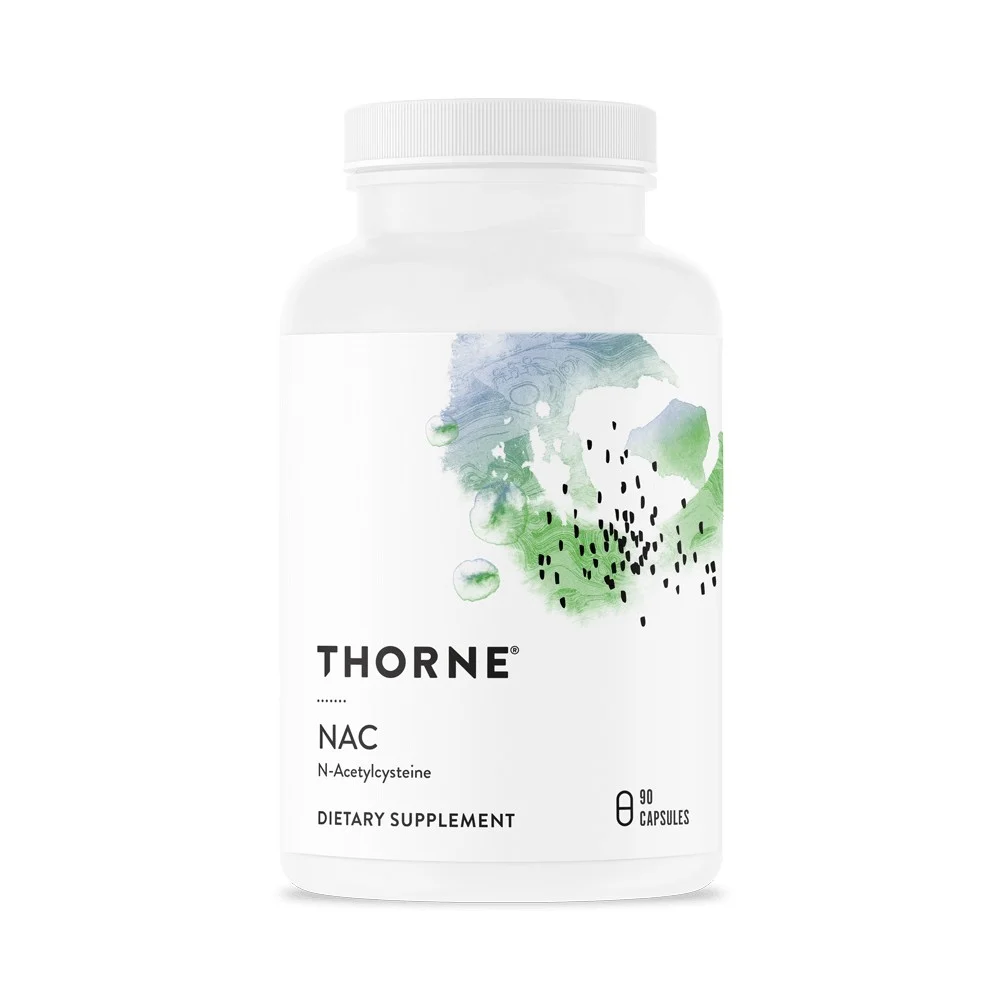
- 1
 N-Acetyl-L-CysteineLife Extension · $12.0094
 - 2
 NAC 600 mgPure Encapsulations · $38.5094
 - 3
 NAC 900 mgPure Encapsulations · $101.0094
 - 4
 NAC Capsules, N-Acetyl-Cysteine, 600 mgSports Research · $20.9792
 - 5
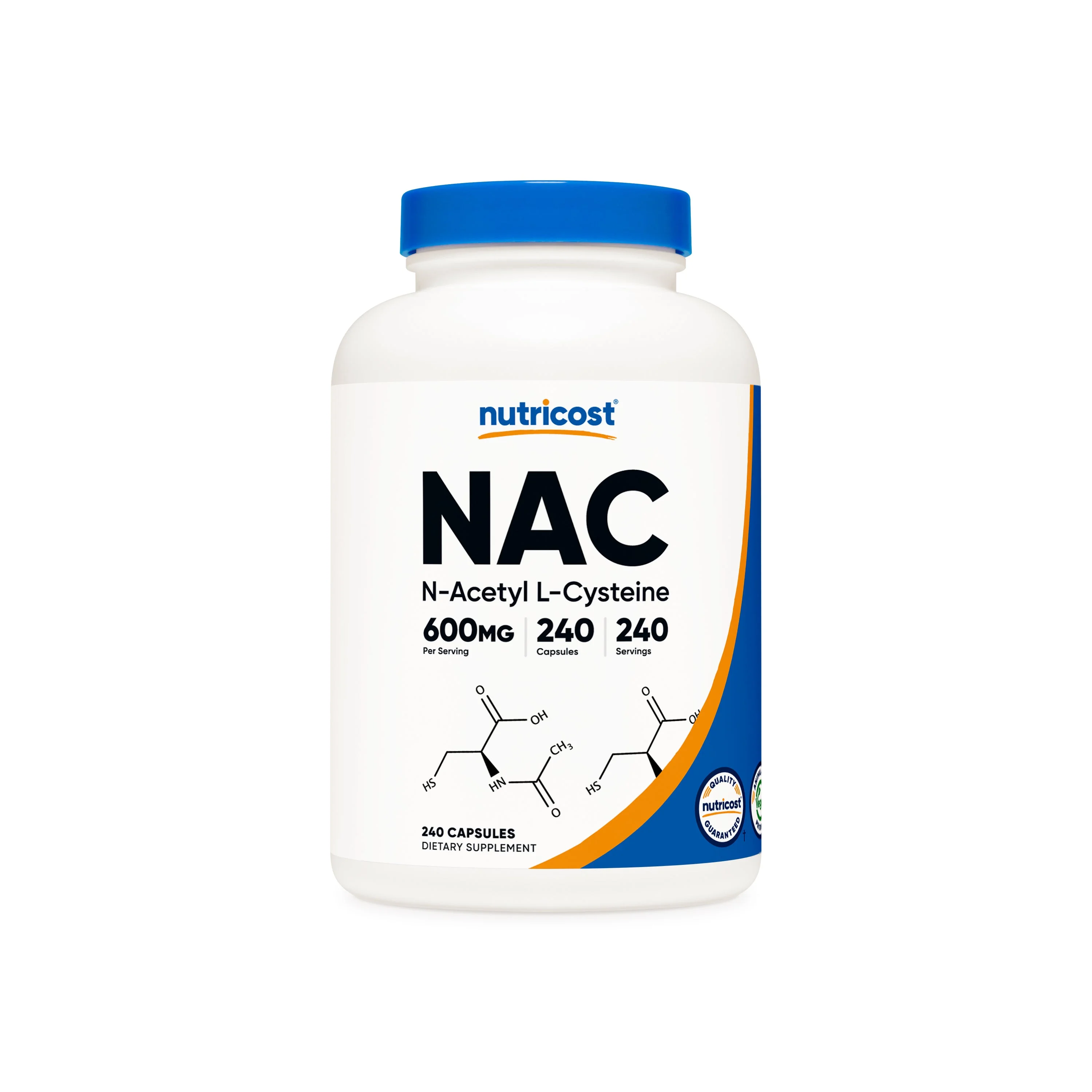 N-Acetyl L-Cysteine (NAC) CapsulesNutricost · $16.6791
Recomputed from the catalog every time this page is built, so it moves as products are added and rescored. Flavours and pack sizes of one product count once.
The Bottom Line
NAC is one of the few supplements with a genuinely plausible mechanism for supporting your liver during alcohol exposure. The biochemistry is clear: alcohol depletes glutathione, NAC replenishes it, and pre-loading glutathione before drinking gives your liver a larger buffer to neutralize acetaldehyde.
But the details matter enormously. The timing rule — before, not after — isn’t a minor footnote. It’s the difference between a potentially helpful intervention and one that may paradoxically cause harm. Most of the NAC-for-hangovers advice circulating online gets this backwards, recommending it as a morning-after cure when the evidence points the opposite direction.
Even with perfect timing, set realistic expectations. NAC addresses one piece of the alcohol-damage puzzle. It won’t prevent hangovers on its own, won’t lower your BAC, and absolutely does not make drinking “safe.” Liver damage from alcohol is cumulative, and no supplement can fully offset that. The most effective liver protection strategy remains drinking less.
If you do choose to drink, a reasonable evidence-informed protocol is 600–1200 mg NAC with 200–400 mg vitamin C, taken 30–60 minutes before your first drink, alongside consistent hydration and electrolyte support. Skip the NAC the morning after. And if you find yourself reaching for liver-protection supplements regularly, that itself may be worth reflecting on.
Supplements that support this
Turn this into your stack
Answer two questions and we'll build an evidence-graded starter stack — every ingredient with its dose, timing, and interaction checks.
Free · no account needed to start
Interactions to know
How these pair with other supplements and medications
- Synergyacetaminophen+nac
NAC protects against acetaminophen liver damage
- Synergynac+glutathione
NAC is the rate-limiting precursor to glutathione
Check your full stack in the free interaction checker.
Read next
Best Supplements for Fatty Liver (NAFLD): What the Evidence Shows
NAC, vitamin E, omega-3, and milk thistle all have NAFLD evidence — but quality varies wildly. Here's which actually reduce liver enzymes and fat.
NAC Supplement Guide 2026 | Evidence-Based Overview
NAC is your body’s most efficient glutathione precursor. Explore clinical evidence on dosing, OCD, liver protection, and who benefits most from supplementing.
Best Supplements for PCOS: Evidence-Based Stack (2026)
Inositol, NAC, vitamin D, and magnesium all have meaningful PCOS evidence. Here's which ones actually move insulin, cycles, and fertility — and at what doses.
Free, university-grade courses on longevity science — from cellular biology to building an evidence-based stack.
Evidence-based supplement guides, no spam
We send a short digest when new guides drop — nothing else. No affiliate pushes, no sponsored content, unsubscribe anytime.