Best Supplements for Fatty Liver (NAFLD): What the Evidence Shows
NAC, vitamin E, omega-3, and milk thistle all have NAFLD evidence — but quality varies wildly. Here's which actually reduce liver enzymes and fat.
- Vitamin E (800 IU/day) is the most studied supplement for NASH — the PIVENS trial showed histological improvement in non-diabetic patients
- NAC at 1,200 mg/day reduces ALT/AST in multiple small RCTs by replenishing hepatic glutathione
- Omega-3s (2–4 g EPA+DHA) reduce liver fat on MRI per meta-analyses, but don't reverse fibrosis
- Milk thistle and berberine have meaningful but less robust evidence — quality of extract matters
- No supplement replaces the 7–10% body-weight loss that reverses NAFLD — these are adjuncts, not cures
- Avoid high-dose iron (without confirmed deficiency) and megadose niacin — both can worsen liver enzymes
The best supplements for fatty liver backed by clinical evidence include vitamin E, NAC, omega-3 fatty acids, milk thistle, and berberine — each targeting different aspects of NAFLD pathology from oxidative stress to hepatic fat accumulation. But supplements sit firmly in second place behind lifestyle change, and not every option marketed for “liver support” actually has trial data behind it.
Why Supplements Matter for NAFLD (Lifestyle First)
Let’s be blunt: the single most effective intervention for non-alcoholic fatty liver disease is losing 7–10% of your body weight through diet and exercise. That’s the threshold where hepatic steatosis starts to reverse and even fibrosis can improve (Vilar-Gomez et al., 2015). Strong evidence No pill substitutes for that.
So why talk about supplements at all? Because NAFLD affects roughly 25% of adults globally, many people struggle to hit that weight-loss target quickly, and several compounds address the specific oxidative stress and inflammatory cascades that drive progression from simple steatosis to non-alcoholic steatohepatitis (NASH) and fibrosis. Used alongside dietary changes and exercise, the right supplement can meaningfully improve liver enzymes, reduce hepatic fat, and — in some cases — improve liver histology.
Vitamin E: The PIVENS Evidence
Vitamin E is the most rigorously studied supplement for NASH, largely because of the PIVENS trial (Sanyal et al., 2010). Strong evidence This landmark NIH-funded RCT randomized 247 non-diabetic adults with biopsy-confirmed NASH to receive 800 IU/day of vitamin E, pioglitazone, or placebo for 96 weeks.
The results: 43% of the vitamin E group achieved histological improvement (defined as at least a 2-point reduction in NAFLD Activity Score without worsening fibrosis) compared to 19% on placebo. ALT levels dropped significantly. The AASLD (American Association for the Study of Liver Diseases) subsequently included vitamin E as a first-line pharmacotherapy option for non-diabetic NASH patients in their practice guidelines.
The mechanism is straightforward: NASH is driven partly by oxidative stress in hepatocytes. Vitamin E is a potent fat-soluble antioxidant that accumulates in liver tissue, quenching the lipid peroxidation that damages cell membranes and triggers inflammation. It’s effective, but it’s not a casual supplement — use it under medical supervision at the PIVENS dose.
NAC for Liver Enzyme Reduction
N-acetylcysteine (NAC) is the precursor to glutathione, your liver’s primary endogenous antioxidant. In NAFLD, hepatic glutathione levels are depleted, leaving cells vulnerable to oxidative damage. NAC replenishes that supply directly.
Multiple small RCTs have examined NAC at 1,200 mg/day in NAFLD patients. A trial by Khoshbaten et al. (2010) found significant reductions in ALT after 12 weeks compared to vitamin C control. Moderate evidence De Oliveira et al. (2019) similarly reported improved transaminase levels and ultrasound findings in NAFLD patients supplementing with NAC. The effect sizes are modest — typically 15–30% ALT reduction — but consistent across studies.
For a deeper dive into dosing and safety, see our full NAC guide. If you’re also managing alcohol use, our NAC and alcohol guide covers the overlapping hepatoprotective mechanisms.
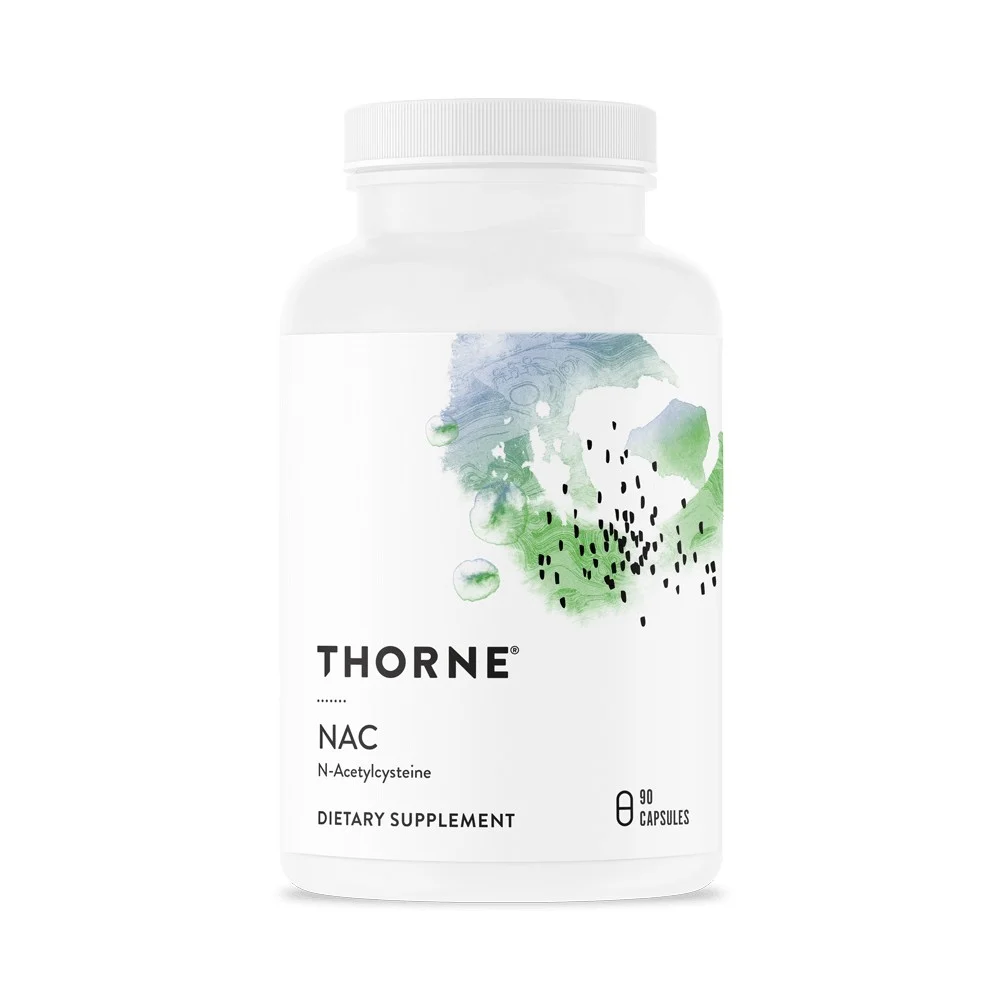
Thorne’s NAC delivers 500 mg per capsule with no unnecessary fillers:
Omega-3 for Liver Fat Content
Omega-3 fatty acids — specifically EPA and DHA — reduce liver fat through inhibition of hepatic de novo lipogenesis and activation of fatty acid beta-oxidation. A meta-analysis by Parker et al. (2012) pooling nine RCTs found that omega-3 supplementation significantly reduced liver fat content on imaging. Strong evidence
The effective dose range in trials is 2–4 g of combined EPA+DHA daily, substantially higher than what most generic fish oil capsules provide. You need a concentrated product delivering at least 1 g of EPA+DHA per serving. Our roundup of the best omega-3 supplements ranks products by actual EPA+DHA content and third-party testing.
One important caveat: while omega-3s reliably reduce steatosis (fat accumulation), they have not been shown to improve fibrosis or histological inflammation in NASH. The WELCOME trial (Scorletti et al., 2014) using purified DHA+EPA found reduced liver fat percentage by MRI but no significant improvement in fibrosis scores. Moderate evidence Think of omega-3s as a de-fatting intervention, not an anti-fibrotic one.
For a concentrated EPA+DHA formula that hits the 2+ g threshold used in liver fat trials, Thorne’s Super EPA Pro is a strong option:
Milk Thistle (Silymarin): Mixed but Meaningful
Milk thistle is the most popular “liver supplement” on the market, and its active compound silymarin does have genuine hepatoprotective properties — anti-inflammatory, antioxidant, and antifibrotic effects demonstrated in cell and animal models. The human evidence for NAFLD, however, is mixed.
Gillessen & Schmidt (2020) conducted a systematic review of silymarin in liver diseases and found that studies in NAFLD patients generally showed ALT reductions, though effect sizes varied substantially depending on the formulation used. Moderate evidence The key issue is bioavailability: raw silymarin is poorly absorbed. Phytosome-complexed silymarin (e.g., Siliphos/Meriva formulations) achieves roughly 4–10x higher plasma levels than standard extracts.
Berberine for Metabolic NAFLD
Berberine sits at the intersection of metabolic syndrome and liver disease. Most NAFLD patients have some combination of insulin resistance, dyslipidemia, and visceral adiposity — and berberine addresses all three through AMPK activation.
Yan et al. (2015) randomized 184 NAFLD patients to berberine (500 mg three times daily), pioglitazone, or lifestyle modification alone. After 16 weeks, the berberine group showed significant reductions in hepatic fat content on ultrasound, along with improvements in LDL cholesterol and fasting glucose. Moderate evidence Earlier work by Zhang et al. (2008) demonstrated that berberine lowers triglycerides through a mechanism distinct from statins — upregulating LDL receptors via post-transcriptional stabilization of mRNA.
The standard dosing protocol is 500 mg three times daily with meals. GI side effects (cramping, diarrhea) are common at initiation. Our full berberine guide covers cycling protocols, drug interactions (especially with CYP3A4 substrates), and comparison to newer dihydroberberine forms.
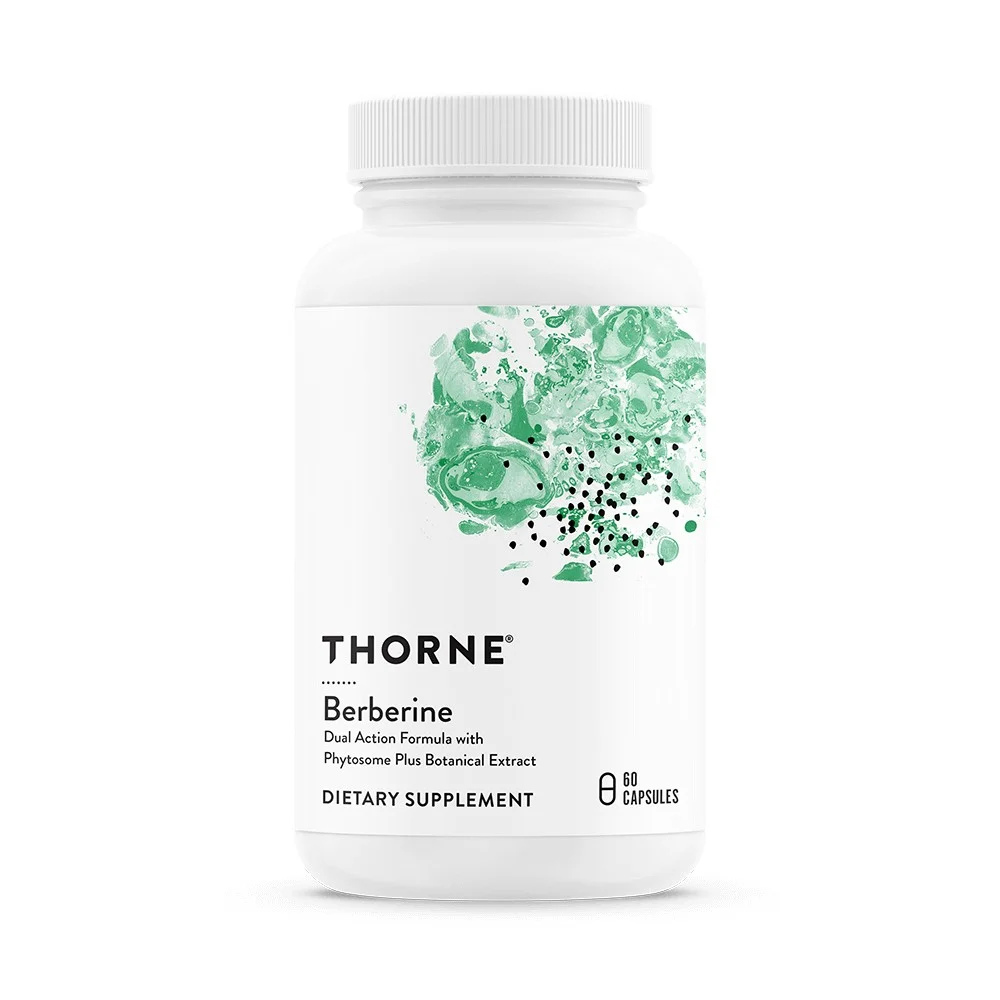
Thorne’s Berberine delivers 500 mg per capsule for straightforward three-times-daily dosing:
Vitamin D: Common Deficiency, Common Fix
Vitamin D deficiency is strikingly common in NAFLD patients — some studies report prevalence above 50%. Eliades et al. (2013) found in a meta-analysis that low vitamin D levels were associated with increased severity of NAFLD, including higher fibrosis scores. Moderate evidence
But association isn’t causation. Intervention trials correcting vitamin D deficiency in NAFLD have produced inconsistent results. Some show modest ALT improvement; others show nothing beyond correcting serum 25(OH)D levels. The pragmatic take: test your vitamin D, and if you’re below 30 ng/mL (which is likely), correct it with 2,000–4,000 IU/day. It may help liver outcomes and will almost certainly benefit your metabolic health broadly. But don’t rely on it as a standalone NAFLD therapy.
What to Avoid: Iron, Niacin, and Megadose Vitamins
Not every supplement marketed for “liver health” is safe for NAFLD patients. Some can actively make things worse.
Also worth flagging: megadose vitamin A (preformed retinol) is hepatotoxic at chronic intakes above 10,000 IU/day. Green tea extract in concentrated capsule form (EGCG > 800 mg/day) has rare but documented cases of liver injury. More is not better when your liver is already stressed.
Monitoring: Labs at Baseline + 3 Months
If you’re adding any supplement for NAFLD, treat it like a medication trial. Get baseline labs before you start and recheck at 3 months.
The minimum panel should include ALT, AST, GGT, and a basic metabolic panel. Ideally also fasting lipids, fasting glucose or HbA1c, and ferritin. If your ALT was elevated at baseline and drops 30%+ at 3 months, whatever you’re doing is likely working. If enzymes are unchanged or rising, reassess.
For those on vitamin E at 800 IU/day, periodic monitoring of coagulation markers (PT/INR) is reasonable, especially if you take anticoagulants. Berberine users should monitor blood glucose if diabetic or pre-diabetic, as it can cause clinically significant hypoglycemia when stacked with metformin or insulin.
Frequently Asked Questions
Can supplements actually reverse fatty liver?
Supplements alone are unlikely to fully reverse NAFLD. The PIVENS trial showed histological improvement with vitamin E in NASH, but even there, the primary driver of reversal is weight loss of 7–10% of body weight. Supplements can reduce liver enzymes, lower hepatic fat content, and slow progression — but they work best as part of a comprehensive plan including diet, exercise, and metabolic management.
Is it safe to combine multiple liver supplements?
Combining NAC + omega-3 + vitamin D is generally well-tolerated since they work through different mechanisms. Adding vitamin E at the 800 IU dose or berberine introduces more complexity and drug-interaction potential. Start one supplement at a time, give it 4–6 weeks, then add the next. This lets you identify what’s helping and what’s causing side effects.
How long before I see results on liver enzymes?
Most trials showing ALT improvement report changes at 8–12 weeks. NAC tends to work fastest (some studies show enzyme changes by 4 weeks). Vitamin E and omega-3 trials typically assess at 24–96 weeks for histological endpoints. Give any supplement at least 3 months before judging effectiveness, and confirm with lab work, not just how you feel.
Does coffee help fatty liver?
Yes, and the evidence is surprisingly robust. Multiple large observational studies and meta-analyses associate regular coffee consumption (2–3 cups/day) with lower risk of liver fibrosis, reduced ALT, and decreased risk of hepatocellular carcinoma. The mechanisms include caffeine’s antifibrotic effects and polyphenol antioxidant activity. It’s not a supplement, but it’s arguably the best-supported daily habit for liver health.
Should I take a “liver detox” supplement?
Most “liver detox” or “liver cleanse” products contain proprietary blends with underdosed active ingredients and no clinical trial data specific to NAFLD. Your liver doesn’t need detoxing — it is the detox organ. What it needs in NAFLD is reduced fat accumulation and oxidative stress, which targeted, evidence-based supplements at proper doses can help with. Skip the blends; use individual ingredients at studied doses.
Is berberine better than metformin for fatty liver?
Head-to-head data is limited. Yan et al. (2015) compared berberine to pioglitazone (not metformin) and found comparable hepatic fat reduction. Berberine and metformin share some mechanisms (AMPK activation), and berberine may have additional lipid-lowering benefits. However, metformin has far more long-term safety data. If you’re already on metformin, don’t swap it for berberine without discussing with your provider.
Who Should Talk to a Doctor First
Supplements for NAFLD are generally well-tolerated in otherwise healthy adults, but several populations need medical guidance before starting.
None of the above is medical advice. Bring your full supplement list to your next provider visit.
The Bottom Line
NAFLD supplements exist on a spectrum from well-studied to speculative, and knowing where each one falls matters for your liver and your wallet. Vitamin E at 800 IU/day has the strongest evidence — a large NIH-funded trial with histological endpoints — but it’s specifically indicated for non-diabetic NASH under medical supervision, not for casual use. NAC at 1,200 mg/day is the most practical daily option: low risk, consistent ALT-lowering data, and a clear mechanistic rationale in glutathione replenishment.
Omega-3s at 2–4 g EPA+DHA daily are a strong choice if your primary goal is reducing hepatic fat content, especially if you also have elevated triglycerides. They won’t reverse fibrosis, but they address the lipid metabolism dysfunction at the root of steatosis. Milk thistle can be effective if you choose a phytosome-complexed formulation at adequate doses — most off-the-shelf products don’t qualify. Berberine is particularly compelling for the metabolic NAFLD phenotype (insulin resistance, dyslipidemia, central obesity) but demands attention to drug interactions.
Vitamin D is worth testing and correcting if deficient, which it probably is. And coffee — while not a supplement — has an evidence base for liver protection that rivals any capsule on this list.
What you should avoid matters as much as what you take. High-dose iron without confirmed deficiency, megadose niacin, concentrated green tea extract, and megadose vitamin A can all worsen liver injury in someone with NAFLD. And “liver detox” blends are marketing, not medicine.
Start with one supplement, get baseline labs, recheck at 3 months, and build from there. The goal isn’t a perfect stack — it’s measurable improvement in your liver enzymes and imaging while you work on the lifestyle factors that drive the bulk of NAFLD reversal.
Supplements that support this
Turn this into your stack
Answer two questions and we'll build an evidence-graded starter stack — every ingredient with its dose, timing, and interaction checks.
Free · no account needed to start
Interactions to know
How these pair with other supplements and medications
- Synergyacetaminophen+nac
NAC protects against acetaminophen liver damage
- Synergynac+glutathione
NAC is the rate-limiting precursor to glutathione
Check your full stack in the free interaction checker.
Read next
NAC and Alcohol: The Liver Protection Timing Question
NAC genuinely protects the liver from alcohol damage, but ONLY when taken before drinking. Here's the evidence-based protocol and why post-drink timing fails.
Best Supplements for PCOS: Evidence-Based Stack (2026)
Inositol, NAC, vitamin D, and magnesium all have meaningful PCOS evidence. Here's which ones actually move insulin, cycles, and fertility — and at what doses.
NAC Supplement Guide 2026 | Evidence-Based Overview
NAC is your body’s most efficient glutathione precursor. Explore clinical evidence on dosing, OCD, liver protection, and who benefits most from supplementing.
Free, university-grade courses on longevity science — from cellular biology to building an evidence-based stack.
Evidence-based supplement guides, no spam
We send a short digest when new guides drop — nothing else. No affiliate pushes, no sponsored content, unsubscribe anytime.