Berberine 2026: Blood Sugar Benefits, Clinical Evidence
Learn how berberine activates AMPK, matches metformin in 3 clinical trials, cuts triglycerides 35%, and who actually benefits — dosing and drug interactions included.
- Berberine activates AMPK — the same pathway as metformin and exercise — lowering blood sugar comparably to metformin in trials
- Split dosing is critical: 500mg 2–3x daily with meals (short half-life of 3–4 hours)
- Serious drug interactions with diabetes meds, statins, and blood thinners — not a casual supplement
- Best suited for prediabetics and metabolic syndrome; limited benefit if blood sugar is already normal
Berberine is a plant-derived alkaloid with two decades of controlled trial data showing it lowers blood sugar through the same AMPK pathway activated by metformin and exercise. Researchers first noticed the effect in 2004 when patients taking berberine for diarrhea saw dramatic glucose improvements, and subsequent trials — also targeting cholesterol — have held up remarkably well.
It’s been a staple of traditional Chinese and Ayurvedic medicine for centuries, primarily for GI infections.
The AMPK Connection: Why Berberine Gets Compared to Metformin
At the cellular level, berberine’s primary mechanism is activation of AMP-activated protein kinase (AMPK). AMPK is sometimes called the body’s “metabolic master switch” — it’s the enzyme that senses when cellular energy is low and triggers a cascade of responses: increased glucose uptake, enhanced fatty acid oxidation, improved insulin sensitivity, and inhibition of fat storage.
This is the same pathway that metformin activates. It’s also the same pathway activated by exercise. When you see longevity researchers get excited about AMPK, this is why — it’s a convergence point where pharmaceutical, botanical, and lifestyle interventions all meet.
The comparison to metformin isn’t just theoretical hand-waving. In 2008, Yin et al. published a landmark study in Metabolism that directly compared berberine to metformin in newly diagnosed type 2 diabetic patients over 13 weeks. The results were striking: berberine lowered HbA1c by 2% (from 9.5% to 7.5%), which was statistically comparable to metformin’s 1.7% reduction in the same trial. Fasting blood glucose dropped by 25.9% with berberine versus 20.9% with metformin. Berberine also outperformed metformin on lipid markers, reducing triglycerides by 35.9% versus 25.3%. Strong evidence
That single study put berberine on the metabolic health map. But it’s not the only evidence.
The Blood Sugar Evidence: More Than One Study
Dong et al. (2012) published a comprehensive meta-analysis in Planta Medica covering 14 randomized controlled trials with 1,068 participants. The pooled results showed berberine significantly reduced: Strong evidence
- Fasting blood glucose by an average of 25.5 mg/dL
- HbA1c by 0.9% (a clinically meaningful reduction)
- Fasting insulin levels, indicating improved insulin sensitivity rather than just forced glucose clearance
Importantly, the meta-analysis noted that berberine combined with lifestyle interventions outperformed lifestyle interventions alone, and berberine combined with oral diabetes medications outperformed the medications alone. This suggests genuine, additive benefit rather than a placebo effect being compared to nothing.
Zhang et al. (2015), in a meta-analysis published in Evidence-Based Complementary and Alternative Medicine, further confirmed these findings across 27 clinical trials, noting consistent blood sugar and lipid improvements with good tolerability. Strong evidence
For people interested in metabolic health as part of a broader longevity strategy, berberine fits naturally alongside other evidence-based interventions. Our beginner longevity supplement stack guide covers how metabolic health supplements fit into a foundational protocol.
Beyond Blood Sugar: Lipids and Cardiovascular Markers
Berberine’s lipid effects are arguably as impressive as its blood sugar effects, and they work through a different mechanism. While berberine lowers blood sugar primarily via AMPK activation, it lowers LDL cholesterol by upregulating LDL receptor expression in the liver — essentially telling your liver to pull more LDL out of the bloodstream.
Kong et al. (2004), publishing in Nature Medicine, demonstrated that berberine increased hepatic LDL receptor mRNA by 3.5-fold through a mechanism independent of the statin pathway (HMG-CoA reductase inhibition). This is significant because it means berberine can potentially complement statins rather than duplicate their action. Strong evidence
Across clinical trials, berberine consistently shows:
- LDL cholesterol reductions of 20–25%
- Triglyceride reductions of 25–35%
- Modest HDL increases in some studies
Weight Management: Real but Modest
Berberine is sometimes marketed as a weight loss supplement, which oversells what the data actually shows. Hu et al. (2012) published a study in Phytomedicine where obese participants taking 500mg berberine three times daily for 12 weeks lost an average of 5 pounds and reduced BMI by 1.5 points. Waist circumference decreased by about 1 inch. Moderate evidence
Are those numbers life-changing? No. But they’re real, statistically significant, and consistent with berberine’s mechanism — improved insulin sensitivity leads to less fat storage, and AMPK activation enhances fatty acid oxidation. Think of the weight effect as a secondary benefit of improved metabolic function rather than a primary weight loss mechanism. If you’re expecting dramatic transformation from a capsule, you’ll be disappointed. If you’re looking for a metabolic nudge alongside diet and exercise changes, berberine delivers.
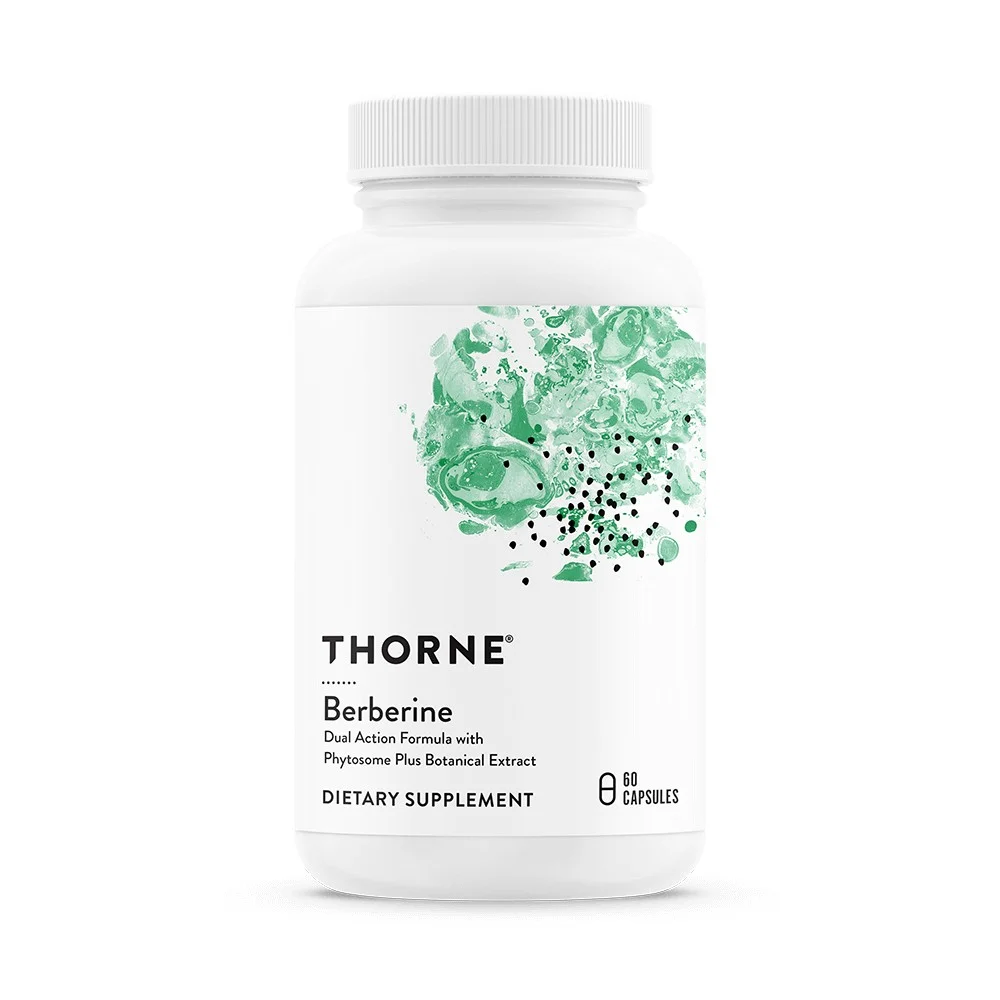
Dosing: Split It or Waste It
Berberine has a short half-life of about 3–4 hours, which is the single most important thing to understand about dosing. Taking 1,500mg once a day is not the same as taking 500mg three times a day — the former gives you one spike and long valleys, while the latter maintains steady blood levels.
- Standard dose: 500mg, two to three times daily with meals (total 1,000–1,500mg/day). This is the dosing protocol used in the majority of positive clinical trials.
- Starting dose: 500mg once daily with your largest meal for the first 1–2 weeks. GI side effects are common when starting at full dose — ramping up gives your gut microbiome time to adapt.
- Why with meals: berberine works partly by slowing glucose absorption from food. Taking it with meals maximizes this effect and reduces the GI side effects that are more common on an empty stomach.
Timing berberine alongside the rest of your supplement stack requires some thought, since it can interact with absorption of other compounds. Our supplement timing guide covers how to schedule supplements that need to be taken with food versus those better absorbed on an empty stomach.
GI Side Effects: The Metformin Parallel
Here’s where the metformin comparison cuts both ways. Just as metformin is notorious for causing GI distress — nausea, diarrhea, cramping, bloating — berberine does the same thing in a significant percentage of users. The Yin 2008 study reported GI side effects in approximately 35% of berberine participants, similar to the metformin group.
The good news: these effects are usually transient and dose-dependent. Most people who ramp up gradually (starting at 500mg once daily, adding a second dose after a week, and a third after another week) report that the GI issues resolve within 2–3 weeks as their system adjusts. Taking berberine with food rather than on an empty stomach also helps considerably.
If GI tolerance is a deal-breaker, dihydroberberine (DHB) is worth considering. DHB is a reduced form of berberine that’s absorbed more efficiently, meaning you can take a lower dose (about 200–300mg) for an equivalent effect. GoldHarvest® and GlucoVantage® are two branded dihydroberberine ingredients that have gained traction in the supplement market. The clinical evidence for DHB specifically is thinner than for regular berberine, but the pharmacokinetic rationale is sound — higher bioavailability means less unabsorbed compound irritating your GI tract. Emerging evidence
Drug Interactions: This Is Not Optional Reading
Berberine is one of those supplements where drug interaction awareness is genuinely important, not just a boilerplate disclaimer. It inhibits several cytochrome P450 enzymes (CYP3A4, CYP2D6) and P-glycoprotein — the same metabolic pathways that process a wide range of pharmaceutical drugs.
This isn’t meant to scare you away from berberine — it’s meant to underscore that “natural” does not mean “inert.” Berberine is pharmacologically active. It behaves like a drug because it essentially is one. Understanding what you’re taking is a skill — our supplement label guide covers how to evaluate dosing, forms, and safety disclosures before committing to any supplement.
Who Should Consider Berberine
Berberine is not a general-purpose wellness supplement the wayvitamin D or magnesium might be. It shines in specific metabolic contexts:
- Prediabetics — people with fasting glucose of 100–125 mg/dL or HbA1c of 5.7–6.4% who are trying to avoid progression to type 2 diabetes. Berberine combined with dietary changes and exercise is a reasonable evidence-based strategy.
- Metabolic syndrome — the cluster of elevated blood sugar, high triglycerides, low HDL, high blood pressure, and abdominal obesity. Berberine addresses several of these parameters simultaneously.
- People who can’t tolerate metformin — some people experience intolerable GI effects from metformin even at low doses or with the extended-release formulation. Berberine offers a similar mechanism with different (sometimes better tolerated) side effect profile. That said, if you tolerate metformin well, the pharmaceutical version has significantly more long-term safety data.
- Lipid management adjunct — for people looking to improve their lipid profile through non-pharmaceutical means, or as an addition to statin therapy (with medical supervision, given the CYP3A4 interaction).
Who Should NOT Take Berberine
- Pregnant or breastfeeding women — berberine crosses the placenta and has been shown to cause kernicterus (bilirubin-related brain damage) in newborns in animal studies. This is a hard no.
- People with normal blood sugar who are just looking for a “longevity boost” — if your fasting glucose and HbA1c are already optimal, berberine is unlikely to provide meaningful benefit and you’re taking on side effect risk for minimal reward.
- Anyone on narrow-therapeutic-index drugs without medical supervision — the CYP enzyme inhibition is real and can have serious consequences.
The “Natural Metformin” Caveat
Let’s address this directly: berberine is not a replacement for metformin in diagnosed type 2 diabetes. Metformin has decades of long-term safety data, established cardiovascular outcome benefits (the UKPDS trial showed a 36% reduction in all-cause mortality in overweight diabetics), and a well-understood safety profile. Berberine has promising short-term trial data but nothing approaching that level of long-term evidence. Strong evidence
If your doctor has prescribed metformin, do not swap it for berberine on your own. If you’re interested in berberine as an adjunct or alternative, have that conversation with a physician who can monitor your blood glucose and adjust medication accordingly.
Where the comparison is fair: for someone in the prediabetic range who isn’t yet on medication, berberine represents a well-evidenced option that’s available over the counter. In that context, “nature’s metformin” is not an unreasonable shorthand — as long as you understand the limitations.
Berberine for PCOS: A Separate Evidence Base
Berberine for PCOS has its own body of randomized controlled trial evidence — distinct from the blood sugar and lipid data covered above. Polycystic ovary syndrome involves insulin resistance, elevated androgens, and irregular ovulation, and berberine's AMPK-mediated improvements in insulin sensitivity make it a logical candidate. The clinical data backs that logic up.
What the Trials Show
Li et al. (2015), published in Fertility and Sterility, compared berberine (1,500mg/day) to metformin (1,500mg/day) and placebo in 150 women with PCOS undergoing IVF. Berberine reduced insulin resistance comparably to metformin, lowered total testosterone, and — critically — improved live birth rates (53.3% vs. 36.0% for placebo). Moderate evidence An earlier RCT by Wei et al. (2012) found berberine at the same dose significantly improved menstrual regularity and reduced waist-to-hip ratio over 12 weeks, again performing comparably to metformin on metabolic markers.
A meta-analysis by Li et al. (2023) in Frontiers in Endocrinology pooled data from multiple PCOS-specific RCTs and confirmed consistent improvements in HOMA-IR (a measure of insulin resistance), testosterone levels, and lipid profiles. The evidence is moderate — we're talking about small-to-mid-sized trials, not 10,000-person outcome studies — but the direction is consistent and clinically meaningful. Moderate evidence
Dosing and Practical Considerations
The PCOS trials used the same 500mg three times daily protocol described in the dosing section above. The same ramp-up strategy applies: start at 500mg once daily and increase over two to three weeks to minimize GI side effects. If you're also taking hormonal contraceptives or fertility medications, the CYP enzyme interactions discussed earlier become especially relevant.
This is a genuinely distinct indication with its own data. If you have PCOS and are exploring berberine specifically for insulin resistance and androgen management — rather than general blood sugar control — the evidence supports it as a reasonable option to discuss with your healthcare provider. For how berberine stacks with inositol, NAC, vitamin D, and the other evidence-backed picks, see our best supplements for PCOS roundup.
Specific Drug Interactions: What to Check Before You Buy
Before purchasing berberine, you need to understand its specific drug interactions — not just a vague warning to "ask your doctor," but the actual mechanisms and consequences. Berberine's inhibition of CYP3A4, CYP2D6, and P-glycoprotein means it directly alters how your body processes a surprisingly long list of common medications. Here's what that looks like in practice.
Statins
CYP3A4 metabolizes atorvastatin, lovastatin, and simvastatin. Berberine inhibits CYP3A4, which increases statin blood levels — raising your risk of myopathy and rhabdomyolysis. Xin et al. (2006) demonstrated that berberine increased the AUC of cyclosporine (another CYP3A4 substrate) by 88%. Rosuvastatin and pravastatin use different clearance pathways and are less affected, but medical supervision is still warranted. Moderate evidence
Blood Thinners
Warfarin is metabolized partly by CYP3A4 and CYP2C9. Berberine can increase warfarin levels, raising bleeding risk. Case reports have documented elevated INR values in patients combining the two. If you're on warfarin or other anticoagulants, this combination requires close INR monitoring — not a guess. Emerging evidence
Oral Contraceptives
Many combined oral contraceptives rely on CYP3A4 for metabolism. Berberine's inhibition could theoretically increase estrogen and progestin levels, amplifying side effects like blood clots, or — if P-glycoprotein efflux is increased — potentially decrease absorption. The direction isn't fully settled. If you're relying on hormonal birth control, consult your healthcare provider before adding berberine. Emerging evidence
SSRIs and Other Antidepressants
CYP2D6 processes fluoxetine, paroxetine, and venlafaxine, among others. Berberine inhibition of CYP2D6 increases blood levels of these drugs, potentially intensifying side effects like serotonin syndrome symptoms, dizziness, or cardiac QT prolongation. This is especially concerning for people who are already CYP2D6 poor metabolizers — roughly 6–10% of Caucasian populations. Moderate evidence
Immunosuppressants and Thyroid Medications
Cyclosporine and tacrolimus (both CYP3A4 substrates) can reach dangerously elevated levels when combined with berberine — these are narrow-therapeutic-index drugs where small changes cause serious toxicity. Levothyroxine absorption may be affected by berberine's impact on P-glycoprotein transporters in the gut, potentially reducing thyroid medication effectiveness. Separate dosing by several hours and monitor TSH levels.
The practical takeaway: print this list and bring it to your prescriber. A pharmacist can also run an interaction check in minutes. Understanding supplement safety fundamentals — including how CYP enzyme inhibition works — makes you a better advocate for yourself in those conversations. Our supplement label guide covers how to spot products that disclose (or fail to disclose) these risks upfront.
How Long to Take Berberine: Cycling vs. Continuous Use
How long to take berberine is one of the most common questions people ask after starting a protocol — and the honest answer is that nobody knows for certain. The vast majority of clinical trials ran for 12 to 24 weeks. Beyond that window, we're extrapolating rather than citing evidence. That's not a reason to panic, but it is a reason to plan.
What the Trials Actually Covered
The Yin 2008 study lasted 13 weeks. The Hu 2012 weight study ran 12 weeks. The trials pooled in the Dong 2012 and Zhang 2015 meta-analyses mostly fell in the 8–24 week range. A handful of Chinese studies have extended to 1–2 years, but these are methodologically weaker and weren't designed to assess long-term safety endpoints like liver function, kidney function, or microbiome stability over time. Emerging evidence Long-term safety data simply doesn't exist at the standard we'd want.
The Cycling Convention
In practice, many integrative physicians recommend cycling berberine — typically 8–12 weeks on, 4 weeks off. This is convention, not evidence-based protocol. The rationale is partly borrowed from its antimicrobial properties: prolonged use could theoretically cause unwanted shifts in gut flora beyond the initial remodeling period. Some practitioners also worry about sustained CYP enzyme inhibition affecting drug metabolism over months or years.
To be clear: no controlled trial has validated a specific cycling schedule. If someone tells you "8 on, 4 off" is proven optimal, they're presenting clinical habit as clinical evidence.
What Should Guide Your Decision
If your markers have improved and stabilized, a cycling approach gives your body periodic breaks while maintaining most gains. If you're using berberine as a long-term metabolic intervention, physician-monitored continuous use is reasonable — but "reasonable" and "proven safe" aren't the same thing. Your doctor should be actively involved in that decision, especially if you're also managing medications with known CYP interactions. The absence of long-term data isn't an indictment of berberine — it's an invitation to be methodical rather than complacent.
Berberine and Exercise: The AMPK Conflict Athletes Need to Know
Berberine and exercise both activate AMPK — and that overlap isn't purely synergistic. AMPK activation directly suppresses mTORC1 signaling, the pathway that governs muscle protein synthesis (MPS). When you finish a resistance training session, your body wants to flip from a catabolic state to an anabolic one, ramping up mTORC1 to build and repair muscle. Berberine, by keeping AMPK elevated, may blunt that switch.
This isn't theoretical hand-waving. Inoki et al. (2003) demonstrated in Cell that AMPK phosphorylates TSC2, which in turn inhibits mTORC1 activity. More recently, Yue et al. (2019) showed in cell models that berberine specifically suppressed mTORC1-mediated protein synthesis through this AMPK-TSC2 axis. Moderate evidence The mechanism is well-characterized at the molecular level.
The practical question — whether timing berberine away from the post-workout anabolic window (say, 2+ hours after training) meaningfully mitigates interference — is reasonable but currently unanswered. No human study has directly measured the effect of berberine timing on exercise-induced MPS. Emerging evidence We're extrapolating from metformin data here: Walton et al. (2019) found that metformin blunted the hypertrophic response to resistance training in older adults over 14 weeks. Whether berberine does the same, and whether timing can fix it, remains unknown.
If you're taking berberine primarily for metabolic health but also training hard, the conservative approach is to dose it with meals that are farthest from your training window. Morning and evening doses with a mid-afternoon workout, for example, creates the largest buffer. Athletes focused on hypertrophy should weigh whether berberine's metabolic benefits justify the theoretical cost — especially if blood sugar and lipids are already well-managed through training and proper supplement timing.
Frequently Asked Questions
Can I take berberine and metformin together?
Technically yes, and some studies have examined the combination, but only under medical supervision with blood glucose monitoring. Both compounds lower blood sugar through similar mechanisms, so combining them significantly increases the risk of hypoglycemia. The Yin 2008 study in Metabolism included a combination arm that showed additive benefits, but participants were closely monitored. Do not combine these on your own — the risk of a dangerous blood sugar crash is real. If you’re already taking metformin and want to add berberine, your doctor should adjust your metformin dose and increase glucose testing frequency.
How long does berberine take to work?
Blood sugar effects can be detected within the first week, but clinically meaningful changes in HbA1c (which reflects average blood sugar over 2–3 months) take at least 8–12 weeks to manifest. Most clinical trials showing significant results ran for 12–13 weeks. Lipid improvements follow a similar timeline. Don’t judge berberine by a two-week trial — commit to at least three months before evaluating whether it’s working for you, with blood work before and after.
Is dihydroberberine better than regular berberine?
Dihydroberberine (DHB) has roughly 5x higher bioavailability than standard berberine, based on pharmacokinetic data. This means you can take a lower dose (200–300mg vs 500mg) for equivalent blood levels, which typically results in fewer GI side effects. Branded versions like GlucoVantage® have some supporting pharmacokinetic data. The trade-off: DHB has far less direct clinical trial evidence than standard berberine. If GI tolerance isn’t an issue for you, standard berberine at 500mg 2–3x daily has the deeper evidence base. If you’re struggling with stomach issues, DHB is a reasonable alternative with sound pharmacological reasoning behind it. Emerging evidence
Does berberine affect gut bacteria?
Yes, and this is an underappreciated part of its mechanism. Berberine has broad antimicrobial properties — it was traditionally used specifically for bacterial diarrhea. Modern research, including a 2012 study by Zhang et al. in the Journal of Biological Chemistry, shows that berberine modulates gut microbiome composition, increasing beneficial bacteria like Akkermansia muciniphila (associated with metabolic health) while reducing populations linked to inflammation. Some of berberine’s metabolic benefits may actually be mediated through these microbiome changes rather than direct AMPK activation. The GI side effects during the first few weeks likely reflect this microbiome remodeling. Moderate evidence
Can I take berberine with statins?
Use caution — there are two distinct interactions worth understanding. First, berberine inhibits CYP3A4, the enzyme that metabolizes many statins (including atorvastatin and simvastatin). Inhibiting this pathway can raise statin plasma levels, potentially increasing the risk of myopathy or rhabdomyolysis. Second, berberine lowers LDL through a different mechanism than statins (upregulating LDL receptors rather than inhibiting HMG-CoA reductase), so effects may be additive on lipids — which the guide frames as a potential benefit. Both sides of this interaction are real. If you're on a statin, discuss berberine with your prescribing physician before starting.
Does berberine interfere with birth control pills?
The guide doesn't cover this directly. However, it does note that berberine inhibits CYP3A4 — the same enzyme pathway that metabolizes most oral contraceptives. In principle, CYP3A4 inhibition could alter hormone levels in ways that are unpredictable. Because this interaction is not addressed in the guide and the stakes are significant, consult a physician or pharmacist before combining berberine with hormonal contraceptives.
How long should I take berberine — is it a forever supplement?
The guide doesn't address duration or cycling — an important gap. Most positive clinical trials ran 12–13 weeks, meaning robust human safety data beyond that window is sparse. Berberine is not validated for indefinite unsupervised use the way vitamin D might be. If you're using it for prediabetes or metabolic syndrome, periodic reassessment with a physician — including blood glucose and lipid monitoring — is a reasonable standard. Do not assume long-term use is safe simply because short-term trials show tolerability.
Will berberine hurt my muscle gains or interfere with my workouts?
The guide doesn't cover this directly. It describes berberine as an "exercise mimetic" via AMPK activation, but does not address whether chronic AMPK activation could suppress mTORC1 signaling and blunt muscle protein synthesis — a concern raised in some animal research. This is a legitimate question for serious trainees that the guide leaves unanswered. If optimizing hypertrophy is a primary goal, discuss the potential tradeoff with a sports medicine physician or registered dietitian before adding berberine.
What should I look for on a berberine supplement label?
The guide doesn't specify label criteria, but names the standard clinical dose (500mg berberine, two to three times daily) and mentions dihydroberberine (DHB) as a higher-bioavailability alternative. General principles for any supplement purchase apply: look for products specifying berberine HCl (the form used in research), third-party testing verification (USP, NSF International, or Informed Sport), and a clear dose per capsule that matches the 500mg clinical protocol. The guide's supplement label resource covers evaluating dosing, forms, and safety disclosures in more detail.
Is berberine safe for people with kidney or liver conditions?
The guide doesn't address hepatic or renal safety — a meaningful gap given that berberine is hepatically metabolized and metabolic syndrome often co-occurs with NAFLD or mild liver impairment. The guide does flag that berberine inhibits CYP enzymes, which affects hepatic drug processing. If you have any liver or kidney condition, do not start berberine without physician oversight. This is not a population the existing evidence base adequately covers.
Can I take berberine while fasting or eating a ketogenic diet?
The guide doesn't address this directly. Its dosing protocol assumes berberine is taken with meals to maximize glucose-blunting effects and minimize GI side effects — an instruction that presupposes regular meal timing. If you practice intermittent fasting (16:8, OMAD) or follow a ketogenic diet, combining berberine's blood-sugar-lowering effect with already-reduced glucose intake could meaningfully increase hypoglycemia risk. Until the guide addresses this population specifically, consult a physician about dose timing and monitoring if you combine berberine with fasting or keto protocols.
The Bottom Line
Berberine is one of the most pharmacologically potent supplements available over the counter. The blood sugar and lipid evidence is robust — not preliminary, not based on rodent studies, but grounded in multiple large meta-analyses of human randomized controlled trials. For prediabetics and people with metabolic syndrome, it’s a legitimate tool.
The protocol: start at 500mg once daily with your largest meal. After 1–2 weeks, add a second 500mg dose with another meal. If tolerated, add a third. Total target: 1,000–1,500mg per day, always split across meals. Expect GI adjustment during weeks 1–3. Get blood work (fasting glucose, HbA1c, lipid panel) before starting and again at 12 weeks.
But respect what it is: a pharmacologically active compound with real drug interactions and real side effects. If you’re on any prescription medication — especially diabetes drugs, statins, or blood thinners — talk to your doctor before adding berberine. And if your blood sugar is already normal, consider whether you actually need this or whether the “nature’s metformin” branding is solving a problem you don’t have.
Supplements that support this
Turn this into your stack
Answer two questions and we'll build an evidence-graded starter stack — every ingredient with its dose, timing, and interaction checks.
Free · no account needed to start
Interactions to know
How these pair with other supplements and medications
Check your full stack in the free interaction checker.
Read next
Berberine vs Metformin: The Evidence Behind 'Nature's Metformin'
Berberine is marketed as natural metformin, but the comparison is more nuanced. Here's how the mechanisms, evidence, and safety profiles actually stack up.
Taurine for Longevity: Clinical Evidence & Guide 2026
Taurine deficiency accelerates aging — a 2023 Science study showed 10–12% lifespan extension in mice. Explore dosing, cardiovascular benefits, and the energy drink paradox.
Longevity Supplement Stack for Beginners 2026
Learn which longevity supplements are actually backed by human evidence. We tier NAD+, omega-3s, and more by clinical strength — no hype, no wasted money.
The frontier of longevity science — the intervention landscape, senolytics, and measuring what works.
Evidence-based supplement guides, no spam
We send a short digest when new guides drop — nothing else. No affiliate pushes, no sponsored content, unsubscribe anytime.