Best Supplements for PCOS: Evidence-Based Stack (2026)
Inositol, NAC, vitamin D, and magnesium all have meaningful PCOS evidence. Here's which ones actually move insulin, cycles, and fertility — and at what doses.
- Myo-inositol + D-chiro-inositol (40:1 ratio, 2–4g/day) has the strongest evidence for improving insulin sensitivity, ovulation, and cycle regularity in PCOS.
- NAC (1.5–3g/day) and vitamin D (2,000–5,000 IU if deficient) both independently improve ovulation rates and metabolic markers.
- Berberine mimics metformin’s insulin-sensitizing effects but should never be combined with metformin without medical supervision.
- Skip high-dose biotin (skews thyroid labs), cinnamon extract (weak PCOS-specific data), and excess iodine (can worsen thyroid issues common in PCOS).
- Introduce one supplement at a time and track cycle length, hirsutism, weight, and mood for at least 3 months before adding another.
The best supplements for PCOS target the condition’s root drivers—insulin resistance, androgen excess, and chronic inflammation—rather than masking symptoms. Inositol, NAC, vitamin D, magnesium, omega-3s, and berberine each have meaningful clinical evidence in PCOS populations. Below, we break down exactly which ones move the needle, at what doses, and who should be cautious.
Why PCOS Needs a Multi-Target Approach
PCOS isn’t one disease. It’s a cluster of metabolic, hormonal, and inflammatory dysfunctions that feed each other. Elevated insulin drives the ovaries to overproduce androgens. Those androgens disrupt follicle development. Chronic low-grade inflammation worsens insulin resistance, completing the loop.
No single supplement breaks every link in that chain. That’s why endocrine researchers increasingly talk about “multi-target” PCOS management: insulin-sensitizing agents, anti-androgen support, inflammation control, and correction of the nutrient deficiencies that are disproportionately common in PCOS patients (vitamin D, magnesium, and chromium among them).
The practical rule: address insulin first (inositol or berberine), then layer in anti-inflammatory and deficiency-correction supplements one at a time. Track outcomes over 3-month windows—that’s roughly one full hormonal cycle of adaptation.
Inositol: The First-Line Supplement
If you take only one supplement for PCOS, the evidence points to inositol—specifically a combination of myo-inositol (MI) and D-chiro-inositol (DCI) in a 40:1 ratio. This mirrors the body’s natural ratio and avoids the ovarian toxicity that high-dose DCI alone can cause.
A meta-analysis by Unfer et al. (2017) pooling data from multiple RCTs found that myo-inositol significantly improved insulin sensitivity, restored ovulation, and regularized menstrual cycles in PCOS patients. Moderate evidence (Disclosure: Unfer is a co-inventor on inositol patents and co-founder of Lo.Li Pharma, a major inositol manufacturer. His findings are broadly corroborated by independent reviews — e.g., Pundir et al., 2018 in the Cochrane Database — but readers should weigh the primary author’s commercial interest.) Several small head-to-head trials (Raffone et al. 2010, n=120; Fruzzetti et al. 2012, n=50) suggest insulin-sensitizing effects in a similar range to metformin, though these studies were not powered to confirm equivalence. The GI side effect profile is consistently better than metformin across trials.
Dose: 2,000–4,000 mg myo-inositol daily (typically split AM/PM)
Timeline: Most trials show measurable cycle changes within 3–6 months
Note: Powder form is typically more cost-effective than capsules at these doses
Inositol also improved oocyte quality in IVF patients with PCOS (Ciotta et al., 2011), making it relevant for those actively pursuing fertility. Moderate evidence Side effects are minimal—mild GI upset at high doses is the most commonly reported issue.
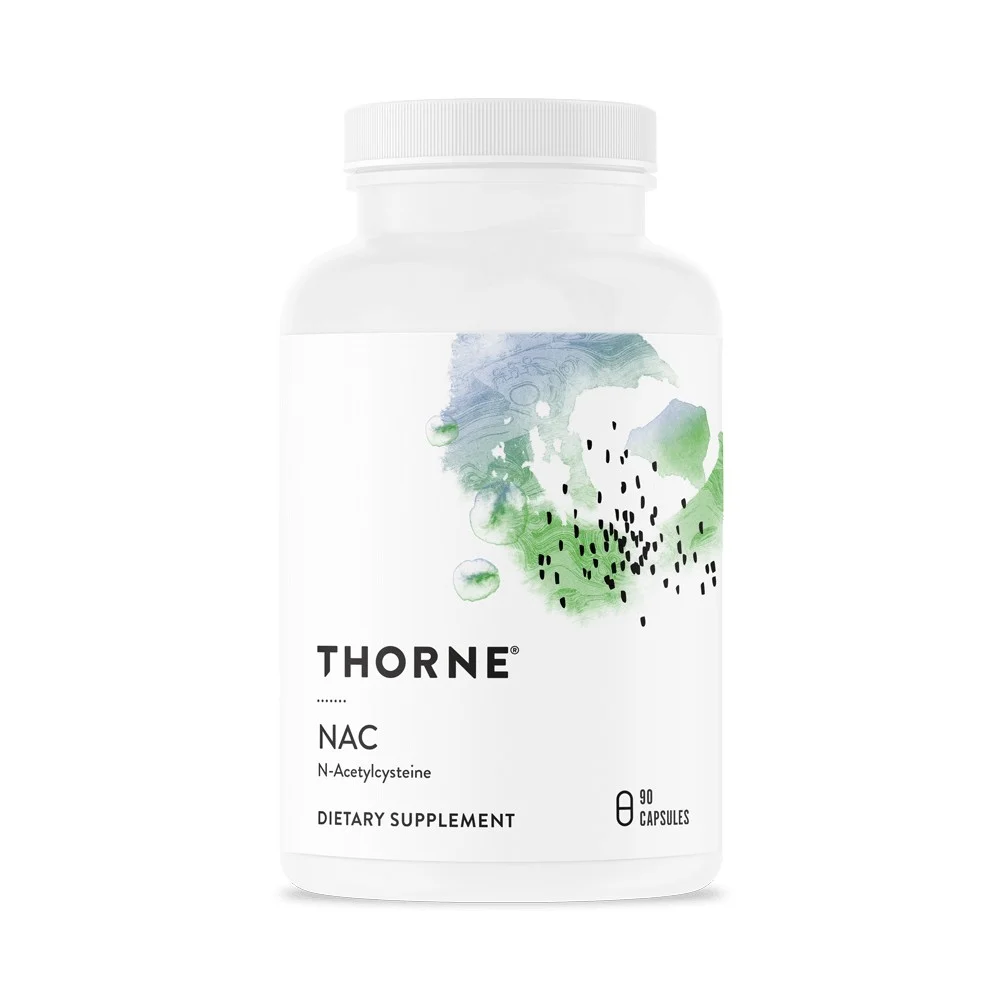
NAC for Ovulation and Insulin
N-acetylcysteine (NAC) is a precursor to glutathione, the body’s master antioxidant. In PCOS, it pulls double duty: reducing oxidative stress and directly improving insulin signaling. For a deeper dive on mechanisms, see our full NAC guide.
Fulghesu et al. (2002) demonstrated that NAC at 1.8g/day improved ovulation rates and oral glucose tolerance test results in clomiphene-resistant PCOS patients compared to placebo. Moderate evidence A later trial by Rizk et al. (2005) found NAC as an adjunct to clomiphene significantly increased ovulation and pregnancy rates.
Form: Standard NAC capsules or powder
Timing: Take with food to reduce the sulfurous GI effects
Note: May thin cervical mucus at high doses—relevant if you’re tracking fertility signs
NAC is particularly worth considering if you have elevated CRP (a marker of inflammation) alongside your PCOS diagnosis, or if oxidative stress markers are high. It’s also one of the better-tolerated insulin-sensitizing options.
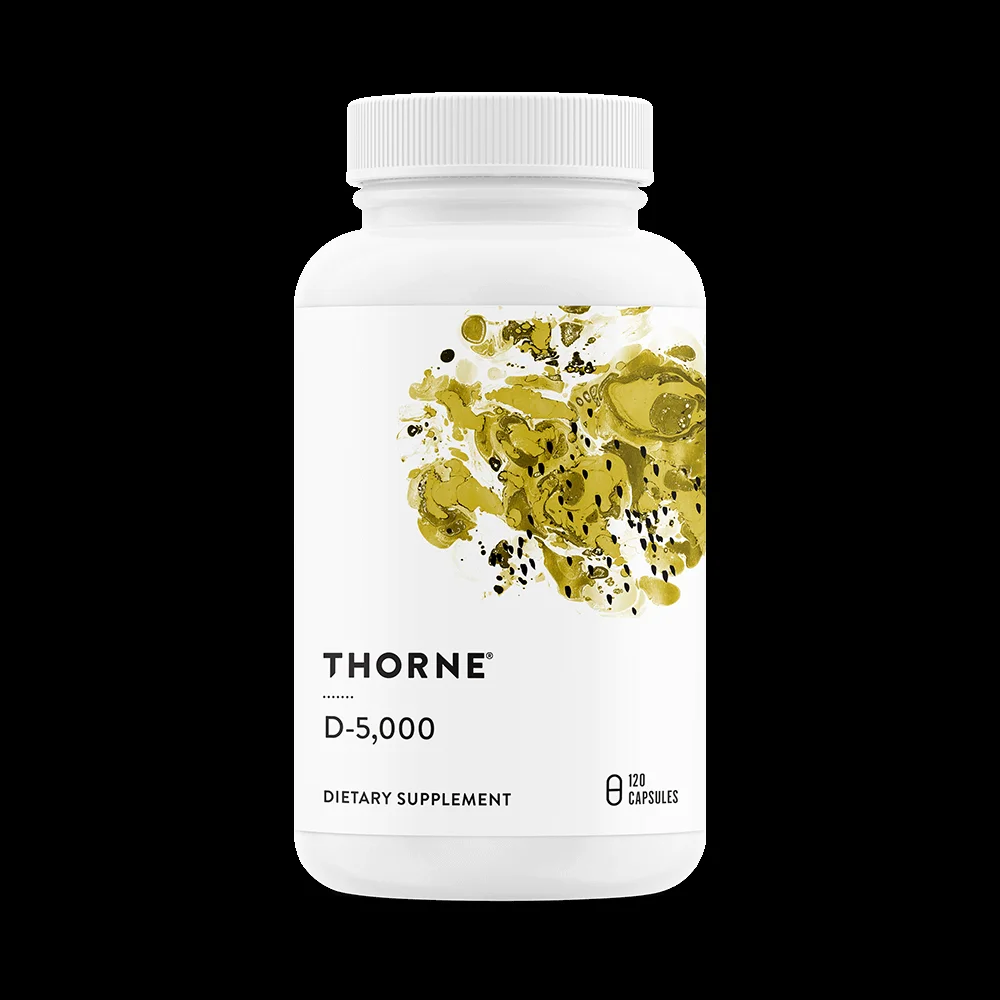
Vitamin D: The Frequently-Missed Deficiency
Vitamin D deficiency is strikingly common in PCOS—estimates range from 67% to 85% of patients, depending on the study population (Thomson et al., 2012). Strong evidence This isn’t just a coincidence. Low vitamin D is independently associated with worse insulin resistance, higher androgens, and more irregular cycles.
Several RCTs have shown that correcting deficiency (getting serum 25(OH)D above 30 ng/mL) improves menstrual regularity and insulin sensitivity. Selimoglu et al. (2010) found that 12 weeks of vitamin D supplementation improved HOMA-IR scores in deficient PCOS patients. Moderate evidence The key word is “correcting”—supplementing when you’re already replete doesn’t seem to add benefit.
Take vitamin D with a fat-containing meal for absorption. D3 (cholecalciferol) is preferred over D2 (ergocalciferol) for raising and maintaining serum levels.
Magnesium for Insulin Sensitivity + Mood
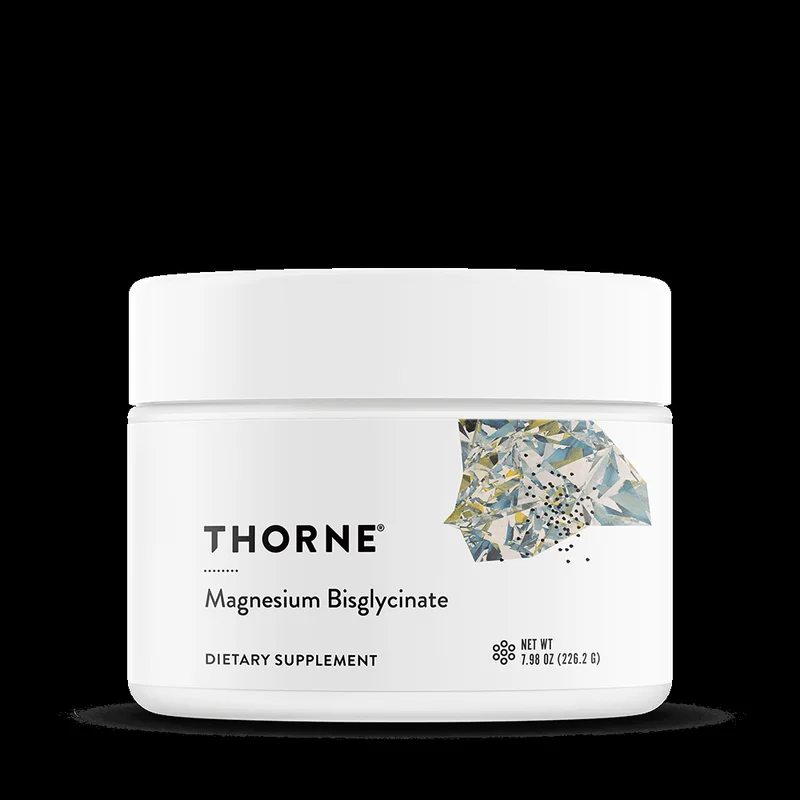
Magnesium deficiency and PCOS share a bidirectional relationship. Insulin resistance depletes magnesium; low magnesium worsens insulin resistance. Sharifi et al. (2012) found that 250 mg/day of magnesium oxide for 8 weeks significantly reduced fasting glucose and insulin in PCOS patients versus placebo. Moderate evidence
Beyond metabolics, magnesium addresses something that PCOS clinical trials often ignore: the anxiety and sleep disruption that frequently accompany the condition. Magnesium glycinate is preferred here because it’s both well-absorbed and has calming properties via its glycine component. For product picks, check our best magnesium supplements guide.
Dose: 200–400 mg elemental magnesium daily
Timing: Evening dosing may support sleep
Caution: Citrate forms can cause loose stools at higher doses
Omega-3 for Androgen and Lipid Control
PCOS frequently comes with dyslipidemia—elevated triglycerides and low HDL—alongside elevated androgens. Omega-3 fatty acids address both. A systematic review by Sadeghi et al. (2017) found that omega-3 supplementation (1–2g EPA+DHA daily) significantly reduced testosterone levels and improved triglycerides in PCOS patients. Moderate evidence
The anti-inflammatory effects of EPA specifically may also help with the low-grade chronic inflammation that characterizes many PCOS presentations. Look for supplements providing at least 1,000 mg combined EPA+DHA. Our best omega-3 supplements guide covers quality and purity considerations.
Ratio: Higher-EPA formulas may be more relevant for inflammation and androgen reduction
Form: Triglyceride-form fish oil or algae-based (vegan)
Timing: With a fat-containing meal
Berberine: Metformin Alternative (With Caveats)
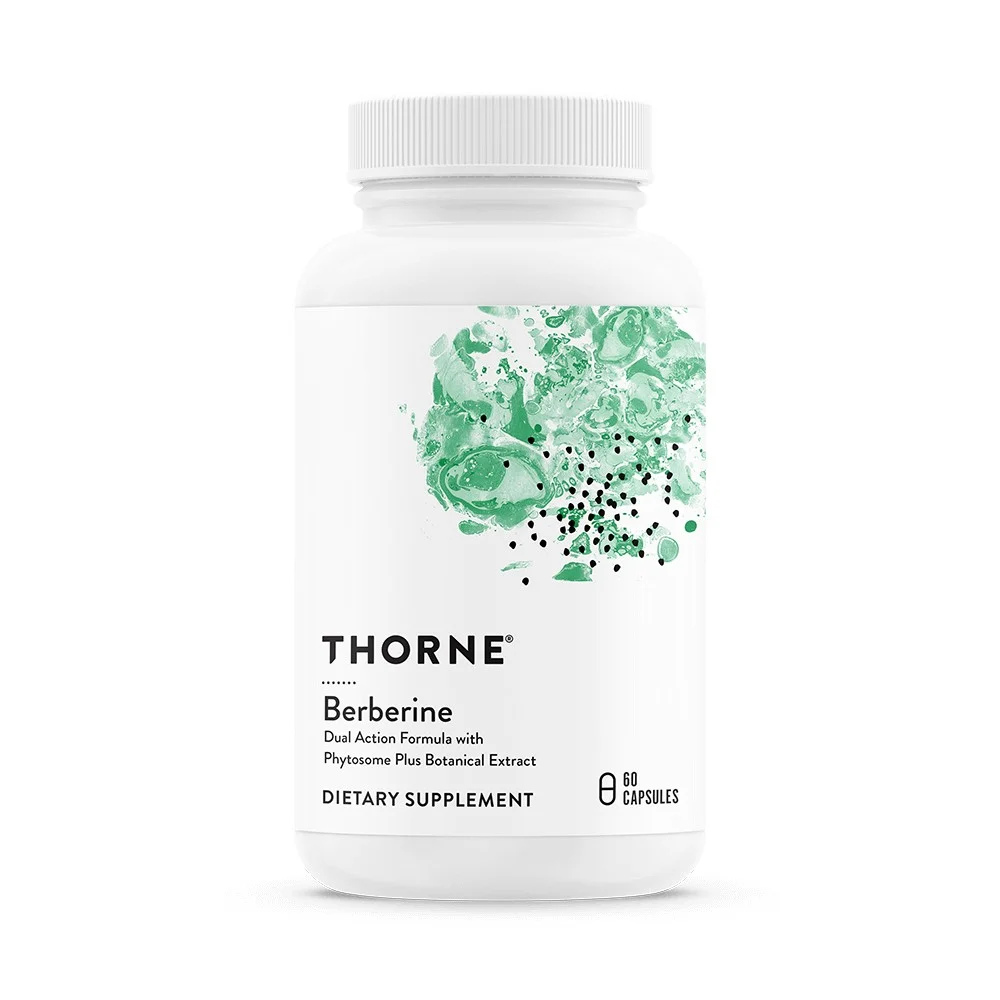
Berberine activates AMPK, the same metabolic pathway targeted by metformin. In PCOS, it reduces fasting blood glucose, lowers insulin levels, and improves lipid profiles. Wei et al. (2012), a single small RCT (n=89) in a Chinese cohort, found berberine showed similar improvements to metformin for waist circumference and insulin resistance over 3 months. Emerging evidence The result is promising but needs replication in larger, more diverse populations before drawing strong equivalence claims. For a detailed comparison, see our berberine vs metformin deep dive.
Berberine is best suited for insulin-resistant PCOS patients who can’t tolerate metformin’s GI side effects, or who prefer a non-pharmaceutical approach and aren’t currently on blood-sugar-lowering medication. Our berberine guide covers forms, timing, and drug interactions in detail.
Duration: Most trials ran 3–6 months
Side effects: GI upset, constipation, or diarrhea—usually less severe than metformin
Interactions: CYP enzyme inhibitor; interacts with many medications
A brief note on spearmint tea: two small RCTs found that spearmint tea (2 cups/day) reduced free testosterone in PCOS patients (Grant, 2010). Emerging evidence It’s not a supplement per se, but it’s low-risk, inexpensive, and may complement an anti-androgen stack.
What to Skip
Not everything marketed for PCOS deserves your money—or your trust. A few popular recommendations have problems specific to PCOS patients:
Sample Stack by PCOS Subtype
There’s no one-size-fits-all PCOS stack. Your primary driver should determine your priority supplements. Here’s a starting framework:
Insulin-Resistant PCOS (Most Common)
Signs: elevated fasting insulin, weight concentrated around the midsection, acanthosis nigricans, sugar cravings.
- Priority: Inositol (40:1, 2–4g/day) + magnesium glycinate (300–400 mg)
- Add: Berberine (1,500 mg/day) OR NAC (1,800 mg/day)—not both to start
- Test and correct: Vitamin D
Lean PCOS
Signs: normal BMI, irregular cycles, elevated androgens without significant insulin resistance.
- Priority: Inositol (40:1, 2g/day) + omega-3 (1–2g EPA+DHA)
- Add: NAC (1,500 mg/day) for ovulation support
- Consider: Spearmint tea for mild anti-androgen effect
- Test and correct: Vitamin D
Inflammatory PCOS
Signs: elevated CRP or ESR, joint pain, fatigue, skin issues, symptoms worsen with stress.
- Priority: Omega-3 (2g EPA+DHA) + NAC (1,800–3,000 mg/day)
- Add: Inositol (40:1, 2g/day) + magnesium glycinate (400 mg)
- Test and correct: Vitamin D (especially important—vitamin D is immunomodulatory)
Frequently Asked Questions
How long do PCOS supplements take to work?
Most clinical trials show measurable changes in insulin markers within 8–12 weeks, and cycle regularity improvements within 3–6 months. Hormonal endpoints like testosterone reduction tend to follow insulin improvements. This isn’t a 2-week fix—commit to 3 months minimum before reassessing your stack.
Can I take inositol and metformin together?
Yes, and several studies have actually tested this combination. Inositol and metformin work through partially overlapping but complementary pathways. Some endocrinologists prescribe both. However, always confirm with your prescribing doctor before adding inositol to an existing metformin regimen, especially if you’re on a higher metformin dose.
Is berberine safe long-term?
Most PCOS berberine trials lasted 3–6 months. Longer-term safety data in PCOS is limited. Berberine inhibits several CYP450 enzymes, which can change how your body processes other medications. If you plan to use it beyond 6 months, periodic liver function tests and medication interaction reviews with your provider are prudent.
Do these supplements replace medication?
They can complement medication, and in some cases (particularly berberine vs. metformin) evidence suggests comparable effects. But PCOS management often requires a combination of dietary changes, exercise, stress management, and sometimes pharmaceutical intervention. Supplements are one layer—not the whole strategy.
What about DIM or saw palmetto for PCOS?
DIM (diindolylmethane) has theoretical anti-androgen mechanisms via estrogen metabolism modulation, but PCOS-specific clinical trials are essentially absent. Saw palmetto has some prostate-related evidence in men but minimal controlled data in PCOS. Neither makes our recommended list due to insufficient human evidence in this population.
Should I take all six supplements at once?
No. Start with inositol (the broadest evidence base), add vitamin D if deficient, and layer in one additional supplement every 4–6 weeks based on your dominant symptoms. Taking six new things simultaneously makes it impossible to identify what’s working, what’s not, and what might be causing side effects.
Who Should Talk to a Doctor First
PCOS supplements are generally well-tolerated, but several populations need medical clearance before starting.
None of the above is medical advice. Bring your full supplement list to your next provider visit.
The Bottom Line
PCOS is a multi-system condition, and the supplement evidence reflects that—no single pill solves it, but several have genuine clinical data behind them. Inositol is the clear first-line choice: the 40:1 myo-inositol to D-chiro-inositol ratio at 2–4g/day has the broadest and most consistent evidence for improving insulin sensitivity, ovulation, and cycle regularity, with a side-effect profile that rivals placebo.
After inositol, your next moves depend on your PCOS subtype and dominant symptoms. Insulin-resistant presentations benefit most from adding berberine or NAC. Inflammatory presentations respond to omega-3s and NAC. Virtually everyone should test and correct vitamin D deficiency—it’s too common in PCOS and too easy to fix to ignore. Magnesium glycinate is a low-risk addition that addresses both metabolic dysfunction and the anxiety or sleep disruption that many PCOS patients deal with daily.
The approach matters as much as the ingredients. Introduce one supplement at a time. Track quantifiable outcomes—cycle length, fasting insulin if you have access, body composition, symptom severity—over 3-month windows. This discipline separates evidence-based supplementation from expensive guesswork. Resist the temptation to add everything at once; you’ll never know what’s actually working.
And know what to skip. High-dose biotin, cinnamon extract marketed for blood sugar, and excess iodine are either ineffective for PCOS specifically or carry risks that outweigh their marginal benefits. Your supplement budget is finite—spend it on the interventions with real trial data behind them.
Supplements that support this
Turn this into your stack
Answer two questions and we'll build an evidence-graded starter stack — every ingredient with its dose, timing, and interaction checks.
Free · no account needed to start
Interactions to know
How these pair with other supplements and medications
- Synergyacetaminophen+nac
NAC protects against acetaminophen liver damage
- Synergynac+glutathione
NAC is the rate-limiting precursor to glutathione
Check your full stack in the free interaction checker.
Read next
Best Supplements for Menopause: What Actually Works
Hot flashes, bone loss, sleep disruption, and mood changes — menopause is multi-system. Here's the evidence-based stack that addresses each without HRT.
Best Supplements for Perimenopause: The Pre-Menopause Protocol
Perimenopause starts up to 10 years before menopause. The supplement needs are different — and most guides conflate the two. Here's the perimenopause-specific stack.
Best Supplements for Fatty Liver (NAFLD): What the Evidence Shows
NAC, vitamin E, omega-3, and milk thistle all have NAFLD evidence — but quality varies wildly. Here's which actually reduce liver enzymes and fat.
Free, university-grade courses on longevity science — from cellular biology to building an evidence-based stack.
Evidence-based supplement guides, no spam
We send a short digest when new guides drop — nothing else. No affiliate pushes, no sponsored content, unsubscribe anytime.