Best Supplements for Menopause: What Actually Works
Hot flashes, bone loss, sleep disruption, and mood changes — menopause is multi-system. Here's the evidence-based stack that addresses each without HRT.
- Vitamin D3 (2,000–5,000 IU) + K2 (90–180 mcg MK-7) is the non-negotiable foundation for postmenopausal bone health.
- Creatine (3–5 g/day) isn't just for athletes — it reduces bone density loss and preserves lean mass after menopause.
- Magnesium glycinate (300–400 mg) addresses sleep, anxiety, and bone mineralization — and most menopausal women are deficient.
- Black cohosh has modest Cochrane-reviewed evidence for hot flashes, but soy isoflavones only work reliably if you're a genetic equol producer.
- Supplements complement HRT — they don't replace the conversation about it with your doctor.
- Avoid high-dose evening primrose oil and indiscriminate phytoestrogens, especially with a history of estrogen-sensitive cancer.
The best supplements for menopause target the specific systems that estrogen withdrawal disrupts: bone density, cardiovascular health, thermoregulation, sleep, and mood. No single pill replaces estrogen’s body-wide effects, but a targeted stack built on vitamin D3, K2, magnesium, creatine, and omega-3s addresses the highest-risk domains with real clinical evidence behind each.
The Menopause Symptom Stack: A Framework
Menopause isn’t one problem — it’s a cascading set of changes across bone, brain, heart, and metabolism. That means a “menopause supplement” isn’t a single ingredient. It’s a coordinated stack, where each component targets a different downstream consequence of declining estrogen.
The mistake most women make is chasing hot flash relief with a single herb while ignoring the silent, high-stakes changes happening in their bones and arteries. The framework below prioritizes by clinical risk, not just symptom annoyance.
Bone Health: D3 + K2 + Magnesium + Calcium (In That Order)
Estrogen directly regulates osteoclast activity — the cells that break down bone. When estrogen drops, resorption outpaces formation, and women can lose 2–3% of bone density per year in early postmenopause. The supplement response needs to be multi-nutrient, not just calcium.
Vitamin D3 (2,000–5,000 IU daily)
Without adequate vitamin D, you absorb only 10–15% of dietary calcium instead of the normal 30–40%. A meta-analysis by Cosman (2014) supports vitamin D supplementation for fracture risk reduction in postmenopausal women, particularly when combined with calcium. Strong evidence Aim for serum 25(OH)D levels of 40–60 ng/mL. Most women need at least 2,000 IU daily to get there; many need more. See our best vitamin D supplements ranking for specific product picks.
Vitamin K2 (90–180 mcg MK-7)
K2 activates osteocalcin (which deposits calcium into bone) and matrix GLA protein (which keeps calcium out of arteries). This is the critical piece most bone-health protocols miss. Supplementing calcium without K2 may actually increase arterial calcification risk — a finding that generated the “calcium paradox” concern in the research literature (Bolland et al., 2010). Moderate evidence The MK-7 form has a longer half-life than MK-4, making once-daily dosing effective.
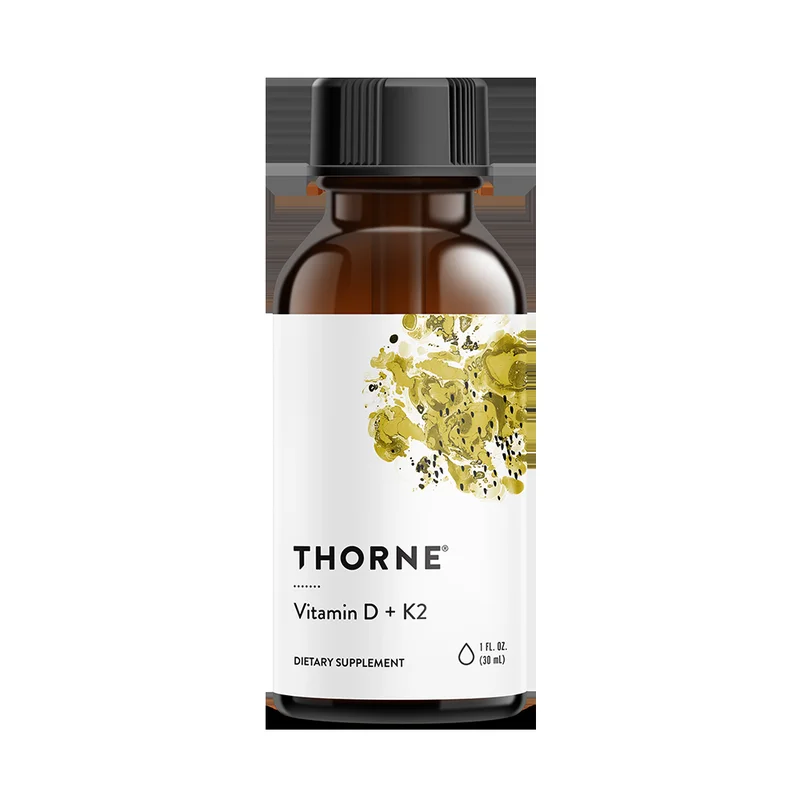
Thorne’s D3/K2 liquid delivers both nutrients in a single dropper, making it easy to dial in your dose:
Magnesium Glycinate (300–400 mg)
Magnesium is a required cofactor for vitamin D activation and bone mineral crystal formation. It also directly addresses two of the most common menopause complaints: sleep disruption and anxiety. Subclinical magnesium deficiency is widespread in postmenopausal populations — one estimate puts inadequate intake at over 60% of U.S. adults (Rosanoff et al., 2012). Strong evidence The glycinate form is preferred for its superior absorption and lower GI side effect profile. Our best magnesium supplements guide covers form differences in detail.
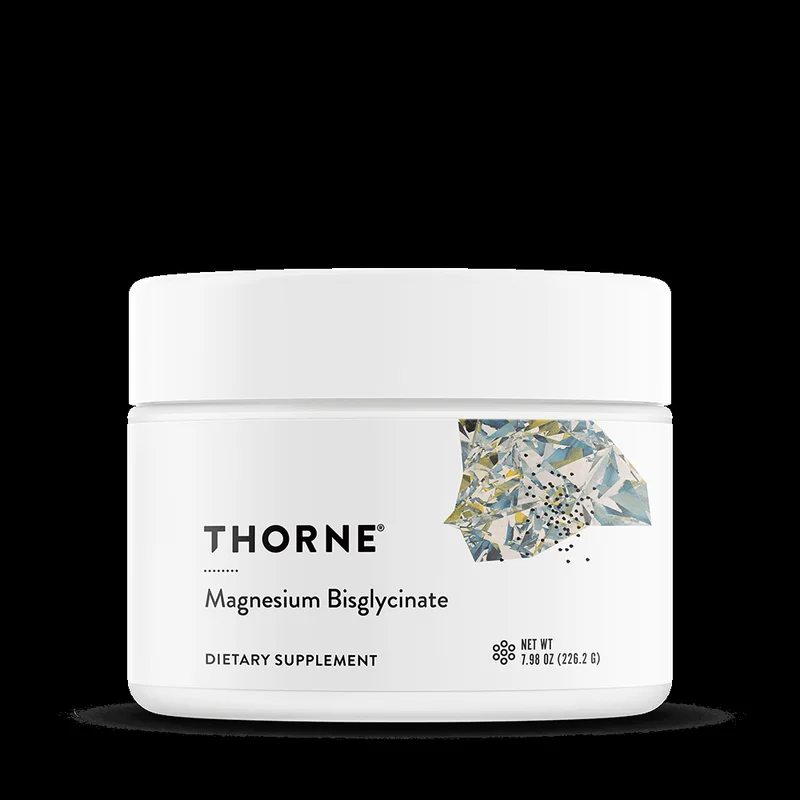
For a well-absorbed glycinate form at the right dose range, Thorne’s Magnesium Bisglycinate is a solid choice:
Calcium (500–1,000 mg, diet-adjusted)
Calcium supplementation is dose-dependent on dietary intake. If you consistently eat 2–3 servings of dairy or calcium-rich foods daily, you may only need 500 mg supplemental. The key principle: always pair supplemental calcium with K2, take it in divided doses (no more than 500 mg at once for absorption), and choose calcium citrate if you’re over 50 (it doesn’t require stomach acid for absorption, unlike carbonate).
Creatine for Postmenopausal Muscle and Bone
Creatine is one of the most underutilized supplements for menopausal women. Most people still associate it exclusively with young male athletes, but the postmenopausal evidence is compelling and growing.
Chilibeck et al. (2017) conducted a 2-year randomized controlled trial in postmenopausal women combining creatine (5 g/day) with resistance training. The creatine group showed a favorable trend for bone density preservation at the femoral neck, though the primary statistically significant finding was for upper-extremity lean mass and strength gains. Smith-Ryan et al. (2021) further reviewed creatine’s benefits for women across the lifespan, confirming favorable effects on body composition and functional capacity in aging women.
At 3–5 g daily, creatine is well-tolerated with decades of safety data. It supports the ATP-phosphocreatine system in both muscle and brain tissue — relevant because many women report cognitive fog during the menopausal transition. Our creatine for women guide addresses the common myths, and you can compare products in our best creatine supplements ranking.
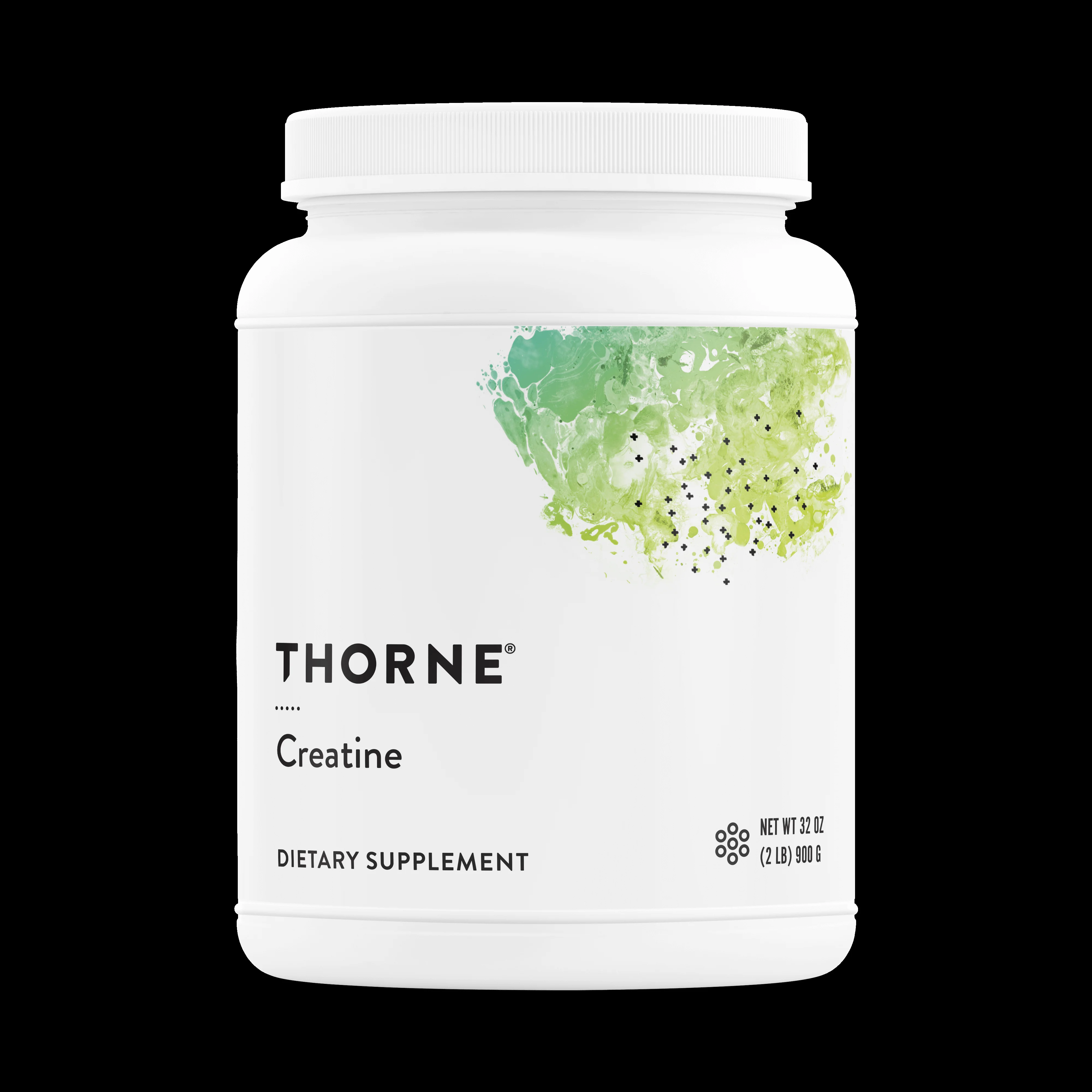
Thorne’s Creatine uses pure creatine monohydrate with NSF Certified for Sport testing:
Ashwagandha for Mood and Vasomotor Symptoms
The perimenopausal and early postmenopausal years are marked by heightened cortisol reactivity, sleep disruption, and mood instability. Ashwagandha (Withania somnifera), specifically the KSM-66 extract at 600 mg/day, has moderate evidence for reducing cortisol levels and improving subjective stress and sleep quality.
Lopresti et al. (2019) demonstrated significant improvements in sleep onset latency and sleep quality with KSM-66 in adults with insomnia. Moderate evidence Chandrasekhar et al. (2012) reported a roughly 28% reduction in serum cortisol with 600 mg/day over 60 days in a small trial (n=64). Moderate evidence While these trials weren’t menopause-specific, the symptom overlap is substantial enough to make this a reasonable addition to a menopause-targeted stack. Our full ashwagandha guide covers extract types and dosing protocols.
Omega-3 for Cardiovascular Protection
Premenopausal estrogen provides significant cardiovascular protection via favorable effects on lipid profiles, endothelial function, and inflammation. When estrogen declines, women’s cardiovascular risk accelerates rapidly — eventually matching or exceeding men’s risk by age 65.
Omega-3 fatty acids (1–2 g combined EPA + DHA daily) address multiple cardiovascular risk markers. The VITAL trial (Manson et al., 2019) did not find a statistically significant reduction in cardiovascular events overall, but a pre-specified subgroup analysis showed a 28% reduction in participants with low baseline fish intake — a group that includes many postmenopausal women with typical Western diets. Moderate evidence For mood support — relevant given the elevated depression risk during the menopausal transition — EPA-dominant formulations (at least 60% EPA) show the strongest signal in meta-analyses (Sublette et al., 2011). Moderate evidence
Choose a product that delivers at least 1,000 mg combined EPA + DHA per serving, not just 1,000 mg of “fish oil.” Our best omega-3 supplements ranking breaks down exactly what you’re getting per capsule.
Thorne’s Super EPA Pro delivers a high-potency EPA-dominant formula in a concentrated softgel:
Hot Flash-Specific: Black Cohosh and Soy Isoflavones
These two are the most commonly marketed “menopause supplements,” so they deserve honest assessment.
Black Cohosh
The Leach (2012) Cochrane review evaluated 16 trials and found a modest but statistically significant reduction in vasomotor symptoms (hot flashes) with black cohosh compared to placebo. Moderate evidence The effect size is smaller than HRT but meaningful for women who can’t or choose not to use hormones. Standardized extract (20–40 mg of triterpene glycosides, typically from Cimicifuga racemosa) is what the positive trials used. Quality varies enormously between products.
Soy Isoflavones
Evidence here is genuinely mixed. The most important variable is whether you’re an “equol producer” — roughly 30–50% of Western women have gut bacteria capable of converting the soy isoflavone daidzein into equol, the bioactive metabolite that drives most of the clinical benefit. Taku et al. (2012) meta-analysis found soy isoflavones reduced hot flash frequency by about 20%, but the effect was concentrated in equol producers. Emerging evidence
At 40–80 mg of isoflavones daily, soy supplements are generally well-tolerated. However, because isoflavones are phytoestrogens, women with a history of estrogen receptor-positive breast cancer should discuss use with their oncologist before starting.
What the Research Doesn’t Support
Not every popular menopause supplement has evidence behind it. Being honest about what doesn’t work is as important as knowing what does.
- Evening primrose oil: Frequently recommended for hot flashes, but a Cochrane review found no significant benefit over placebo. High doses can interact with anticoagulants. Emerging evidence
- Maca root: Limited RCT data exists. A few small trials suggest possible benefit for mood and sexual function, but sample sizes are tiny and replication is lacking. Not enough to recommend confidently. Emerging evidence
- Indiscriminate phytoestrogen blends: Multi-herb “menopause formulas” that combine red clover, dong quai, wild yam, and soy without standardization lack clinical evidence as combination products and carry unclear risk profiles for estrogen-sensitive individuals.
- DHEA (over-the-counter): While DHEA has some evidence for vaginal atrophy when used locally (intravaginal), oral OTC DHEA for general menopause symptoms is poorly supported and can cause androgenic side effects like acne and hair changes.
Sample Stack by Symptom Priority
Not everyone needs every supplement. Here’s how to build your stack based on what bothers you most — or what puts you at highest risk.
Add for muscle and bone preservation: Creatine monohydrate, 3–5 g/day. Especially valuable if you resistance train or are concerned about sarcopenia.
Add for stress and sleep: Ashwagandha KSM-66, 600 mg/day. Best taken in the evening.
Add for hot flashes: Standardized black cohosh extract (20–40 mg triterpene glycosides). Give it 8–12 weeks for full effect assessment.
Add calcium only if dietary intake is low: 500–1,000 mg calcium citrate, divided doses, always with K2.
HRT vs. Supplements: Not an Either/Or
Hormone replacement therapy remains the most effective treatment for vasomotor symptoms and bone density preservation. The 2024 Menopause Society position statement reaffirms that for most women under 60 or within 10 years of menopause onset, the benefits of HRT outweigh the risks.
Supplements don’t replace that calculus. What they do is fill nutritional gaps that HRT doesn’t address (vitamin D status, omega-3 intake, magnesium adequacy) and provide options for women who can’t or choose not to use hormones. Many women use both — HRT for core symptom management plus targeted supplements for bone, cardiovascular, and metabolic support.
Frequently Asked Questions
What is the single most important supplement for menopause?
If you can only take one, vitamin D3 with K2 gets the nod. Bone density loss is the highest-stakes consequence of menopause, and most women are vitamin D insufficient. A combined D3/K2 supplement addresses the most clinically significant long-term risk with the strongest evidence base. Everything else is layered on top of this foundation.
Does creatine cause weight gain in menopausal women?
At the recommended 3–5 g/day without a loading phase, meaningful weight gain is unlikely. Any initial scale movement (1–2 pounds) reflects intracellular water in muscle tissue, not fat gain. Over time, creatine supports lean mass preservation, which actually improves metabolic rate and body composition. The Chilibeck (2017) trial showed favorable body composition changes in postmenopausal women using creatine.
Are soy isoflavones safe for breast cancer survivors?
This remains an area of active debate. Soy isoflavones are phytoestrogens that can bind estrogen receptors, albeit weakly. The American Institute for Cancer Research states that moderate dietary soy is safe, but supplemental isoflavone concentrates are a different question. If you have a history of estrogen receptor-positive breast cancer, discuss soy isoflavone supplements specifically with your oncologist before use.
How long does black cohosh take to work for hot flashes?
Most positive trials showed effects emerging by 4–8 weeks, with full benefit assessment recommended at 12 weeks. If you’ve seen no improvement after 12 weeks of consistent use with a standardized extract, it’s reasonable to conclude it’s not effective for you. The Cochrane review noted significant individual variation in response.
Can I take all of these supplements together?
Yes, with one timing note: take calcium and magnesium at separate times if possible (they compete for absorption at high doses). A practical approach is D3/K2 and calcium with a meal, omega-3 with a fat-containing meal, creatine at any consistent time, magnesium in the evening (it supports sleep), and ashwagandha in the evening. These supplements don’t interact dangerously with each other at recommended doses. However, several interact with common medications — see the “Who Should Talk to a Doctor First” section below for specifics on blood thinners, thyroid meds, and antidepressants.
Do menopause supplements help with weight gain?
No supplement directly prevents menopausal weight gain. However, creatine supports lean mass (which drives metabolic rate), magnesium supports sleep quality (poor sleep increases appetite hormones), and omega-3s may reduce systemic inflammation that contributes to metabolic dysfunction. The real driver is maintaining resistance training and adequate protein intake — supplements support that effort but don’t replace it.
Who Should Talk to a Doctor First
Most supplements discussed here have strong safety profiles at recommended doses. However, specific populations need clinical guidance before starting.
None of the above is medical advice. Bring your full supplement list to your next provider visit.
The Bottom Line
Menopause is not one symptom — it’s a systemic shift that affects bones, heart, brain, muscle, and metabolism simultaneously. The best supplement strategy reflects that reality by targeting each domain with evidence-backed nutrients rather than chasing a single magic pill.
The foundation stack for most menopausal women is vitamin D3 + K2, magnesium glycinate, and omega-3s. These three address the highest-stakes long-term risks: bone density loss, cardiovascular vulnerability, and the metabolic dysfunction that follows estrogen decline. They’re well-studied, safe, and address deficiencies that are genuinely common in this population.
Creatine is the most underappreciated addition. The data from Chilibeck (2017) and the broader review by Smith-Ryan (2021) make a strong case for 3–5 g/day in postmenopausal women, particularly those who resistance train. It preserves lean mass, supports bone density, and may help with the cognitive fog many women report.
For symptom-specific relief, ashwagandha (KSM-66) is a reasonable choice for stress-driven sleep disruption and mood instability. Black cohosh has modest but real evidence for hot flash reduction. Soy isoflavones are worth trying if hot flashes are significant, but set realistic expectations — your response likely depends on your gut microbiome’s ability to produce equol.
What you should skip: evening primrose oil for hot flashes (no evidence), maca root (insufficient data), and multi-herb phytoestrogen blends with unclear dosing and risk profiles. Be especially cautious with anything estrogenic if you have a history of hormone-sensitive cancer.
Finally, supplements work alongside — not instead of — the HRT conversation. Whether you choose hormones, supplements, or both, the goal is the same: protecting your long-term health through a transition that your body wasn’t designed to navigate without support.
Supplements that support this
Turn this into your stack
Answer two questions and we'll build an evidence-graded starter stack — every ingredient with its dose, timing, and interaction checks.
Free · no account needed to start
Read next
Best Supplements for PCOS: Evidence-Based Stack (2026)
Inositol, NAC, vitamin D, and magnesium all have meaningful PCOS evidence. Here's which ones actually move insulin, cycles, and fertility — and at what doses.
Best Supplements for Perimenopause: The Pre-Menopause Protocol
Perimenopause starts up to 10 years before menopause. The supplement needs are different — and most guides conflate the two. Here's the perimenopause-specific stack.
Creatine for Women: The Complete Evidence-Based Guide (2026)
Women's creatine research through menopause, training, body composition, and mood. No bloating myths, no men's-magazine claims — just the evidence.
Free, university-grade courses on longevity science — from cellular biology to building an evidence-based stack.
Evidence-based supplement guides, no spam
We send a short digest when new guides drop — nothing else. No affiliate pushes, no sponsored content, unsubscribe anytime.